Get in touch with Victorystar

Top 15 Cheese Production Line Manufacturers to Watch in 2026: Updated List

Contents
show
Modern cheese manufacturing relies on integrated production line solutions that bring together processing, packaging, and plant equipment into systems that are efficient and sanitary. This all-in-one guide leads cheese production lines, explains their function in cheese-making, and gives a thorough assessment of top brands in the industry. The vast expanse covered is from cheese vats through automated cheese presses to pasteurization and packing, and how cheese processing equipment played its part in quality consistency across different cheese types such as cheddar, mozzarella, cream cheese, cottage cheese, and semi-hard cheese.
Introduction to Cheese Production Lines
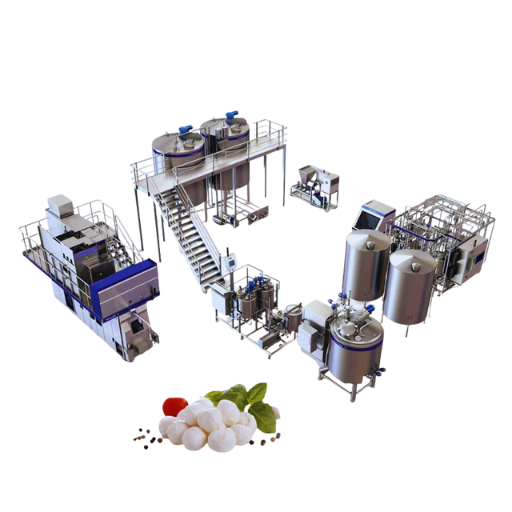
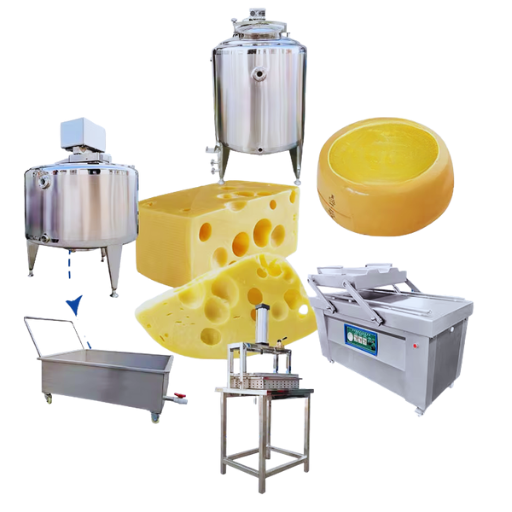
A cheese production line conducts the whole cheese-making process in an ordered manner, transforming milk into ready cheese products through machine processing under control. Specially designed cheese equipment, like a cheese vat for coagulation, curd cutting systems, whey drain modules, and cheese lines for molding and pressing, leads to consistent results. The current trend in cheese processing is the usage of modular cheese machines from a processing equipment company that blends the various features of food equipment safety, CIP-enabled plant equipment, and packaging equipment to cater to different types of cheese and to scalability in production.
The Importance of Cheese Production in the Dairy Industry
Cheese production is a pivotal process in the dairy sector, making high-value cheese products with prolonged shelf life from milk supplied in seasons. A sturdy cheese-making process line ensures profit margins by allowing continuous production of cheddar cheese, mozzarella stretching, and processed cheese formulation. Dependable cheese-making machines maximize output by perfecting curd-to-whey separation and minimizing losses at the drain. For processors focusing on cream cheese or cottage cheese, uniform cheese-making reduces fluctuations, thus allowing machine manufacturers and dairies to cater to the worldwide demand in various cheese markets.
Overview of Cheese Production Processes
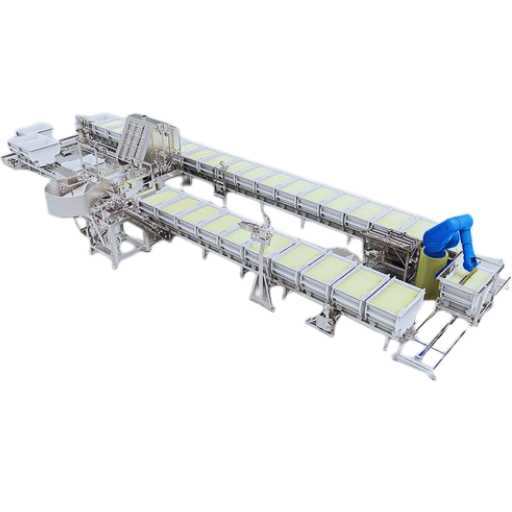
Sequential Production Flow
- Pasteurization: The process is done in a precision-controlled vat and is followed by inoculation and coagulation
- Curd Cutting: Knives operated by machines cut curd to achieve the desired moisture content
- Whey Removal: Removal of whey is the draining process that determines the texture for semi-hard and soft cheese profiles
- Specialized Processing by Cheese Type:
- Mozzarella: Cooking and stretching to develop elasticity
- Cheddar: Cheddaring, milling, and salting tailored for cheddar production
- Processed Cheese: Blending and emulsifying for stability
- Cream Cheese and Cottage Cheese: Gentle handling along dedicated lines
- Automated Packaging: Equipment completes the production line
Key Components of a Cheese Production Line
The essential cheese-making machines involve reception and pasteurization plants, a cheese vat for coagulating, cutting the curd, draining the whey, and the forming and pressing units for semi-hard and hard cheeses. Furthermore, there are specialized processes for mozzarella cooking, stretching, cutting, and salting cheddar, and mixers for processed cheese. Brining, ripening rooms, and packaging are all part of the food equipment control system. The top makers of dairy processing equipment and their pioneers,s like Tetra Pak in that sector, supply machines and production equipment for cheese that can be scaled, sanitized efficiently, and changed over to other cheese types.
Criteria for Selecting Top Cheese Equipment Manufacturers
Choosing a principal equipment maker for a cheese production line is a matter of prioritizing technical capability, hygiene design, and lifecycle value. Purchasers have to evaluate the way solutions range from pilot vats to the highest throughput lines and their performance in diverse cheese types. The main points to evaluate are system integration, operational reliability, and proof of performance.
Essential Evaluation Factors
- Process Integration:
Evaluate the compatibility of the Continuous Improvement Process (CIP) with pasteurization and automation for curd processing, whey handling, and drain control
- Scalability:
Confirm the equipment scalability from pilot setups to large cheese lines that include several cheese categories
- Operational Support:
Examine uptime metrics, logistics of spare parts, and support of validation for performance sustainability
- Proven Applications:
Search for evidence in cheddar production, mozzarella stretching, processing cheese systems, and packaging equipment integration
Technological Innovations in Cheese Making
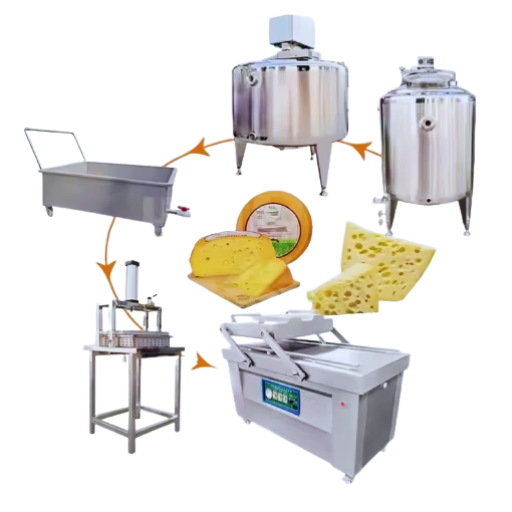
The top manufacturers make a distinction through the introduction of new products that make the cheese production process more stable and increase the yield. The cutting-edge designs of cheese vats allow the precision control of coagulation with temperature cutting algorithms that maintain the integrity of the curds and at the same time speed up whey separation. Machines equipped with IoT technology for cheese production monitor the addition of salt, mixing in the vat, and timing of draining to get the best profiles for semi-hard cheese. The use of modular production machine platforms enables quick changeovers for all types of cheese, such as cream cheese, cottage cheese, and mozzarella. The most advanced processing equipment manufacturers incorporate predictive maintenance, hygienic robots, and inline spectroscopy for the regular delivery of high-quality cheese products.
Market Reputation and Customer Reviews
The market reputation of a manufacturer is seen as a sign of its reliability, especially in environments where cheese production ceases and the losses are great. it would be advisable to look at customer reviews that go back a long time and talk about uniform throughput, cleanliness of the factory equipment, and promptness of service. Next, compare the reports of slow-melting cheddar, quick-cheese emulsifying, and soft cheese mold filling consistency one by one. The references should show that the equipment manufacturer provides the links for validated pasteurization, strong cheese press cycles, and precise packaging equipment synchronization. Having the same accolades as Tetra Pak in dairy processing, plus repeat settlements on the global cheese market, is a sign of confidence and partnership in the lifecycle layer.
Sustainability Practices in Cheese Manufacturing
Sustainability has become a major factor in modern cheese making; it requires the manufacturers to choose equipment according to its influence on the environment and operating costs. It is best to choose cheese production equipment that uses less water and caustic by applying optimized CIP, that recovers heat from pasteurization, and that has very low wastage of whey at the drain. Cheddar and other types of cheese are now produced with the help of energy-efficient motors and variable-speed drives that have a lower impact on the cheese lines and plant equipment. Production methods designed specifically for curd yield and the use of closed-loop brine and salt management have greatly reduced the amount of waste. Automated packaging machines that can handle recyclable materials, combined with life cycle assessments coming from the processing equipment manufacturer, contribute to sustainable cheese production.
Overview of the Top 15 Cheese Production Line Manufacturers
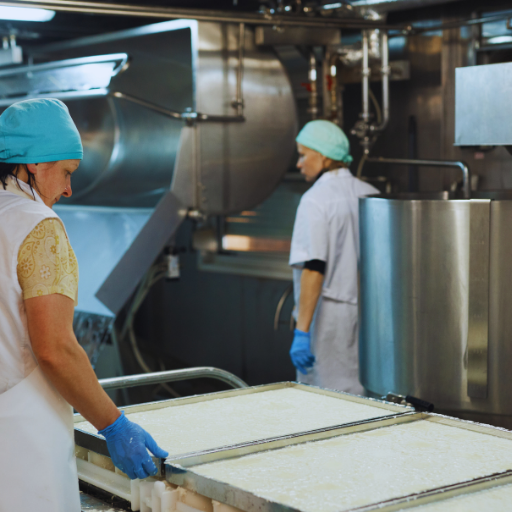
Integrated production line design, hygienic equipment, and validated automation for curd, whey, and drain control differentiate the leading manufacturers in cheese production from each other. Their product range includes mozzarella stretching, cheddar cheese making, processed cheese cooking and gentle handling of cream cheese and cottage cheese.
1
Victorystar
Founded: Not specified
Introduction: Victorystar is a China-based leader in fully automated cheese production lines, offering end-to-end solutions for dairy plants.
Main Products
Cheese production lines for natural, fresh, Italian, French, brined, processed, and vegan cheeses
✓ Key Advantages
- Turnkey installation and modular design
- High efficiency with minimal waste
- Compliance with global food safety standards
- Advanced automation and sustainability features
⚠ Key Disadvantages
- Limited information on the founding year and the company history
Website: Victorystar
2
Arla Foods Group
Founded: 1881
Introduction: A Danish multinational cooperative, Arla Foods, is one of the largest producers of dairy products in the U.K. and Scandinavia.
Main Products
Mozzarella, Cheddar, and other cheese varieties under brands like Arla, Puck, and Castello
✓ Key Advantages
- Strong market presence and investment in innovation
- Extensive product portfolio
⚠ Key Disadvantages
- Focused primarily on European markets
Website: Arla Foods
3
Fonterra Co-operative Group
Founded: 2001
Introduction: A New Zealand-based global leader in dairy, known for high-quality cheese products.
Main Products
Anchor, Perfect Italiano, and Mainland cheese brands
✓ Key Advantages
- Strong presence in Asia
- High-quality dairy products
⚠ Key Disadvantages
- Limited focus on automation in production lines
Website: Fonterra
4
Saputo Inc.
Founded: 1954
Introduction: A Canadian dairy giant with a strong global presence.
Main Products
Cream products, fluid milk, and a variety of cheeses
✓ Key Advantages
- Innovation-driven product development
- Strong market presence in multiple countries
⚠ Key Disadvantages
- Limited focus on production line equipment
Website: Saputo
5
The Kraft Heinz Company
Founded: 2015 (merger)
Introduction: A global food and beverage leader with a diverse portfolio.
Main Products
Processed and natural cheeses
✓ Key Advantages
- Extensive brand portfolio
- Strong marketing and distribution network
⚠ Key Disadvantages
- Focused more on consumer products than production lines
Website: Kraft Heinz
6
FrieslandCampina
Founded: 1871
Introduction: A Dutch multinational cooperative specializing in dairy products.
Main Products
Gouda, Edam, and other cheese varieties
✓ Key Advantages
- Strong global presence
- Focus on sustainability and traceability
⚠ Key Disadvantages
- Limited focus on production line technology
Website: FrieslandCampina
7
Lactalis Ingredients
Founded: 1933
Introduction: A French dairy major with a wide range of cheese products.
Main Products
Cheddar, Mozzarella, and Emmental cheeses
✓ Key Advantages
- Strong R&D focus
- Innovative product offerings
⚠ Key Disadvantages
- Limited focus on production line equipment
Website: Lactalis
8
Wensleydale Creamery
Founded: 1897
Introduction: A U.K.-based artisan cheesemaker known for traditional methods.
Main Products
Yorkshire Wensleydale cheese
✓ Key Advantages
- Rich heritage and traditional methods
- Focus on quality and authenticity
⚠ Key Disadvantages
- Limited scalability for industrial production
Website: Wensleydale Creamery
9
Dairy Farmers of America Inc.
Founded: 1998
Introduction: A U.S.-based cooperative with a focus on sustainability.
Main Products
Cheese, fluid milk, and butter
✓ Key Advantages
- Strong cooperative structure
- Commitment to sustainability
⚠ Key Disadvantages
- Limited focus on production line technology
Website: DFA
10
Savencia SA
Founded: 1956
Introduction: A French company specializing in high-quality cheeses.
Main Products
Traditional and innovative cheese varieties
✓ Key Advantages
- Focus on unique offerings
- Strong global presence
⚠ Key Disadvantages
- Limited focus on production line equipment
Website: Savencia
11
Norseland Ltd.
Founded: Not specified
Introduction: A U.K.-based supplier of specialty blended cheeses.
Main Products
Jarlsberg and other specialty cheeses
✓ Key Advantages
- Strong focus on specialty cheeses
- Robust customer relationships
⚠ Key Disadvantages
- Limited focus on production line technology
Website: Norseland
12
Biery Cheese
Founded: 1929
Introduction: A family-owned U.S. company with a focus on innovation.
Main Products
Sliced, shredded, and specialty cheeses
✓ Key Advantages
- Long history and family-owned values
- Innovative product development
⚠ Key Disadvantages
- Limited focus on production line equipment
Website: Biery Cheese
13
Great Lakes Cheese
Founded: 1958
Introduction: A U.S.-based leader in natural and processed cheese packaging.
Main Products
Bulk, shredded, and sliced cheeses
✓ Key Advantages
- State-of-the-art manufacturing
- Strong focus on food safety
⚠ Key Disadvantages
- Limited focus on production line technology
Website: Great Lakes Cheese
14
Tetra Pak
Founded: 1951
Introduction: A global leader in food processing and packaging solutions.
Main Products
Cheese production equipment and packaging solutions
✓ Key Advantages
- Advanced technology and innovation
- Global presence
⚠ Key Disadvantages
- High cost of equipment
Website: Tetra Pak
15
GEA Group
Founded: 1881
Introduction: A German company specializing in food processing technology.
Main Products
Cheese production lines and dairy equipment
✓ Key Advantages
- Advanced engineering and technology
- Strong global presence
⚠ Key Disadvantages
- High cost of equipment
Website: GEA Group
Emerging Trends in Dairy Technology
The new developments in dairy technology are focused on communication between cheese processing machines, automated systems filled with data, and hygienic plant machines that reduce the cycle time while maintaining the same good quality. Now, Producers are connecting pasteurization and packaging equipment for curd and whey through predictive maintenance and in-line analytics as one production line. This connection advances cheese production by controlling coagulation, draining phases and allowing fast switching between different kinds of cheese, i.e., from cheddar and mozzarella to cream cheese, cottage cheese, and processed cheese.
Automation and Efficiency in Cheese Production
The cheese production process is orchestrated through automation, where vat set points, curd size, whey removal, and salt dosing are all synchronized using real-time sensors. The coordination of the advanced PLCs and vision-guided robotic systems in carrying out the operations of the cheese machines, cheese presses, and brining has been done in such a way that the throughput is increased and the loss at the drain is minimized. The machine processing, which is done through predictive algorithms, adapts to the variability of milk and at the same time gives the semi-hard cheese textures and the consistent mozzarella stretch. The integrated dashboards showing OEE, CIP timing, and energy loads can help manufacturers and dairies to adjust the cheese lines for the best efficiency possible.
Innovations in Cheese Processing Equipment
Precision and hygiene are the main aspects of innovation in cheese processing equipment. Modern cheese vats are equipped with zoned heating and gentle-agitation, which are the main factors protecting curd integrity and speeding up coagulation. Modular production machine blocks simplify whey separation and automate salt addition, while closed, CIP-ready plant equipment reduces the risk of contamination. Inline spectroscopy and NIR meters confirm moisture and fat for different varieties of cheese. Processing equipment manufacturers’ progress also involves low-shear pumps, self-draining pipes, and smart valves that reduce changeovers and improve performance.
Impact of Technology on Cheese Quality and Flavor
Techniques in technology enhance cheese quality and flavor by controlling the critical factors very tightly, from pasteurizing to molding. A careful and correct control of the coagulation process in the vat, homogeneous cutting of curd, and balanced drainage of curd allow for fewer fines to get lost in whey and holding in of the necessary textures for semi-hard kinds and cheddar. Controlled stretching in mozzarella keeps the plasticity and melting quality, while proper heat profiles help processed cheese maintain its quality. The flow of data is so rich that it can be used to ensure and verify the quality of cheese making, resulting in the production of cheese with the same characteristics regardless of the differences in milk composition in different seasons.
Tips for Businesses Looking to Invest in Cheese Production Equipment

Investments in cheese production equipment that yield good results start with a strategy that clearly states the alignment of capacity, product mix, and compliance needs. The cheese production process should be sketched from reception and pasteurization through to packaging equipment, pinpointing the difficulties in curd handling, whey management, and drain stages. Discuss with every equipment manufacturer the features of cheese lines, automation, and sanitation. Consider the interaction of cheese machines and plant equipment, so that the production line is capable of different cheese categories while complying with hygiene and traceability requirements.
Assessing Your Cheese Production Needs
Specify the target volumes, cheese varieties, and formats for acquiring the size of the vats, presses, and other downstream modules. Evaluate the flexibility required for the different types of cheese and the frequency of changeover and salt management for cheddar, mozzarella, cream cheese, cottage cheese, and processed cheese. Investigate the variability of milk supply and define the specifications for coagulation control, curd size, and whey solids recovery. Map the available space, utilities, and CIP logistics in relation to plant equipment constraints. This evaluation determines the cheese processing equipment that not only meets the immediate objectives but also has the capacity for future expansion.
Understanding the Total Cost of Ownership
The total cost of ownership is not just the purchase price but also includes the utilities for water and caustic for CIP, the labor, the spare parts, the downtime, and the drainage yield losses. One needs to model the energy consumption in the processes of pasteurization, cheese vat heating, and cooling, and then to get the comparison of curd retention against whey losses. Also, the costs related to the use of software licenses, training, and upgrades for automation and machine processing should be taken into account. Warranties and component lifecycles of cheese machines and packaging equipment should be compared. A lifecycle perspective reveals nicely the return on investmen,t and the company’s long term profitability is then optimized.
Evaluating Manufacturer Support and Service Options
An excellent processing equipment manufacturer’s backing assures that cheese production will not stop and will be uniform. Check global service coverage, remote diagnostics, and guaranteed response times. Check the availability of critical spares for cheese presses, valves, and sensors, and also check CIP validation protocols. Look for references for cheddar cheese production, mozzarella stretching, and semi-hard runs, plus integration with packaging equipment. Training, commissioning, and preventive maintenance should be standardized, with data-driven audits that continuously improve the cheese production and overall food equipment performance.
Frequently Asked Questions (FAQs)
What is the role of a cheese vat in a turnkey cheese production line offered by cheese production line manufacturers?
The cheese vat is the pivotal container in which milk is subjected to heating, culturing, and coagulating; it is the centerpiece of a turnkey supply from cheese production line manufacturers, where it connects with upstream beverage equipment and downstream cheese cutting, brining, and packing machines. Turnkey providers determine vat size and specs—like hygienic materials, thermoregulation, plc automation, and touch screen control—according to the aimed product streams and cheese makers’ productivity requirements, making the commissioning and r&d validation processes easier.
What attributes should cheese manufacturers demand from machines for processing cheese and making mozzarella?
Processed cheese or mozzarella producers should demand that their machines maintain stringent temperature control, have the option for rennet dosing, and that there is a melting machine or cooking facility for the processed products. As for mozzarella, factories have to invest in specialized stretching and shaping areas, pneumatic actuators for transportation, and hygienic stainless-steel design. Integration with brining vats, cutting machine stations, and packaging machine lines ensures smooth flow from coagulation to portioning and then to the final packaging.
Can a cheese-making machine be flexible enough to make western-style cheeses like blue cheese, halloumi, and/or any other types?
Definitely, present-day cheese-making machines are customizable regarding different kinds of cheeses such as blue cheese or halloumi. The making of blue cheese necessitates humidity and temperature control by continuous monitoring and may require separate aging rooms and blue-cheese-processing steps. Halloumi can be processed by brining and cooking with specific timing and temperatures. Manufacturers offer optional modules and processing recipes to reconfigure a single cheese-making line for various products with the help of plc control and touchscreen recipe management.
What role does whey processing play in a complete production line, and what equipment is needed?
Whey processing can be a very useful byproduct of cheese production and can involve whey clarification, concentration (e.g., ultrafiltration), and then drying to obtain whey powder. Cheese production line companies usually have or recommend wedge processing systems that work hand in hand with vegetable production to get the most out of the existing lines. Proper integration involves sanitary piping, food-grade materials, and PLC controls that have been coordinated to ensure hygienic separation of resources and effective recovery.
How are cheese brining vats, melting machines, and cutting machines connected in an automated production line?
Cheese brining vats, melting machines, and cutting machines are interconnected by conveyors and controls in such a way that salting, melting (for processed cheeses), and precise portioning are done without human intervention. Automation involves PLC systems, pneumatic actuators, and touch-screen HMIs to control the timing and temperature. This connection improves product uniformity, minimizes contamination chances, and eases the process of moving the cheese to the packaging machines operated by the cheese producers.
What are the sanitary and safety regulations that cheese manufacturers can expect for cheese machines and cheese-making equipment?
Cheese-making machines must be made of food-grade stainless steel with sanitary welding, sanitary valves, and cleaning-in-place (CIP) capability. Safety measures entail the presence of guardrails, stopping mechanisms, and adherence to the prevailing food safety standards of the area. Usually, manufacturers do the paperwork for the certification of materials, traceability, and cleaning protocols, and they accompany PLC-based monitoring to enforce the control of temperature and prevent cross-contamination during the cheese-making process.
How do plc, touch screen controls, and pneumatic systems enhance cheese makers’ efficiency?
PLC control, along with touch screen operators make it easy to handle recipes, allows rennet dosing to be automated, regulates temperature profiles in vats, and also coordinates pneumatic actuators for apportioning and cutter valves. Consequently, there is a decrease in operator error, processes in cheese-making are repeatable, and the time taken for line switching is reduced. Pneumatic systems give reliable and hygienic activation for operations such as cheese cutting and brine valve actuation in a production-centric environment.
What after-sales support and r&d services do cheese production line manufacturers usually give to help scale product lines?
Manufacturers with a good reputation provide commissioning, training for operators, spare parts, and the signing of maintenance contracts, in addition to r&d support for new recipes and process improvement. They might aid in pilot testing, advise the usage of beverage equipment or vegetable processing equipment for mixed operations, and assist in the layout of whey processing solutions that can yield better profits. Such a support system enables cheese makers to scale up production efficiently and respond to market trends while ensuring the quality of the product.
Reference Sources
- Foremost Farms – A major dairy cooperative in the U.S., offering information about dairy and cheese production methods. Visit Foremost Farms
- Cheesemakers Directory by Connecticut Cheese Guild – An alphabetical list of cheese producers along with details about their installations and production. Visit Cheesemakers Directory
- Farmstead and Artisan Cheesemaking by Penn State Extension – A comprehensive resource for future cheese makers, focusing on the whole process of cheese production from planning to production. Visit Penn State Extension

Karry
Articles: 3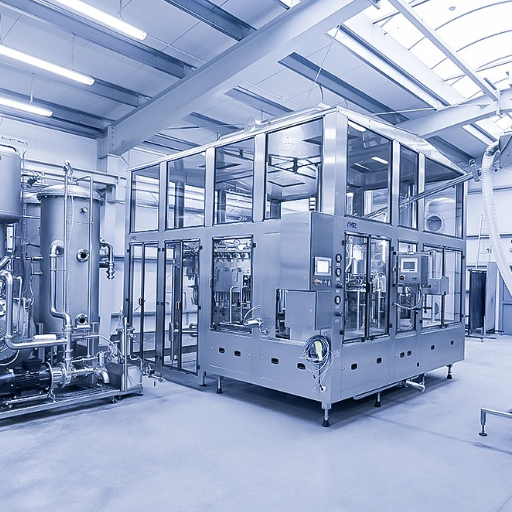
Trending now