Get in touch with Victorystar

The Ultimate Guide to Extract Separation Filter Concentration Machine: Benefits and Innovations

Contents
show
The processes of filtration and dewatering are among the most fundamental processes across diverse industries, from food to pharmaceutical, mining, and wastewater treatment. These processes are realized through the application of machinery and apparatuses, with extract separation filter concentration machines being one of the prominent ones. These machines have been engineered for improving efficiency while maintaining product quality and attributing to sustainability through separate processes of solids from liquids.
Understanding how these machines work is vital for any businessperson to optimize production lines. This book aims to give a complete picture of filtration, solid-liquid separation, and dewatering processes. We shall delve into the working of each process, its industrial applications, and the most recent developments in technology that are moving concentration equipment into the future. On completion, you will certainly have acquired knowledge regarding another dimension that can help actualize their operations.
Understanding the Filtration Process
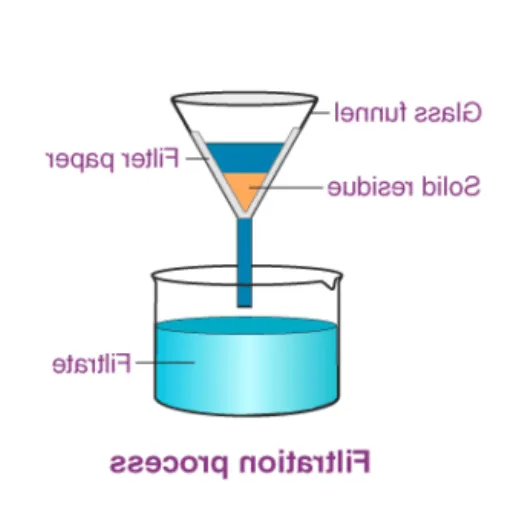
What is Filtration?
Filtration is a process-the physical and mechanical one-that separates solids from fluids (liquids or gases) by keeping a medium in between: the medium is formed in a way that it only allows the fluid to pass through it. The fluid that flows out is known as a filtrate, while the solid material retained behind is referred to as retentate or filter cake. The process is wholly relevant as it serves in substance purification or even in the recovery of useful material or as a greater specificity for mixtures that need to be processed further.
The Role of Filtration in Concentrate Production
In the context of concentrate production, filtration plays a pivotal role. It is used to:
- Remove Impurities: Filtration effectively eliminates unwanted solid particles, contaminants, and microorganisms from a liquid extract. This purification step is vital for ensuring the safety and quality of the final product, particularly in the food, beverage, and pharmaceutical industries.
- Increase Concentration: By removing excess liquid, filtration increases the concentration of the desired soluble or suspended solids. This is a key step in producing everything from fruit juice concentrates to valuable mineral slurries.
- Recover Valuable Solids: In many applications, the solid material retained by the filter is the desired product. Filtration allows for the efficient recovery of these solids, which can then be further processed or packaged.
Types of Filtration Techniques
Filtration can be classified based on various factors, including the driving force, the size of the particles being separated, and the mechanism of separation. Key techniques include:
- Gravity Filtration: This is the simplest method, relying on gravity to pull the liquid through the filter medium. It is often used in laboratory settings for basic separations but is too slow for most industrial applications.
- Pressure Filtration: In this technique, positive pressure is applied to the feed side of the filter, forcing the liquid through the filter medium at a much faster rate. Filter presses and leaf filters are common examples.
- Vacuum Filtration: This method involves applying a vacuum to the filtrate side, which pulls the liquid through the filter. It is highly effective and widely used in industrial settings.
Vacuum Filtration Explained
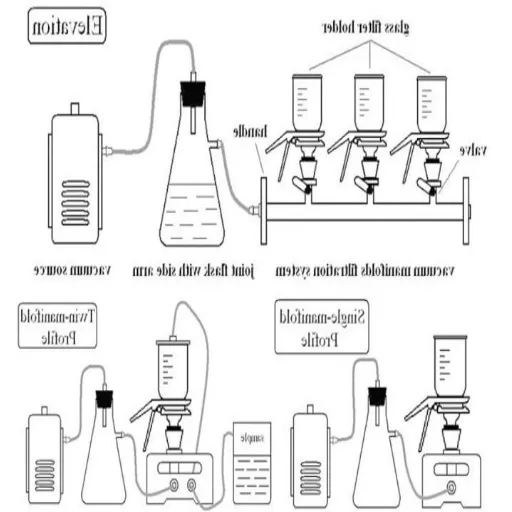
How Vacuum Filtration Works
The working principle behind vacuum filtration is quite direct. A filter medium-a fine mesh or a sheet of filter paper-is placed on a perforated plate or supports. The mixture to be refined is poured onto the filtering medium. A vacuum is created below the filter on a flask or chamber by means of a vacuum pump. The pressure difference, created with the filrate side being at the lower pressure and feed side being exposed to atmospheric pressure, forces the liquid to flow very quickly through the filter, leaving the solid particles behind.
Key components of a typical vacuum filtration setup include:
- Büchner Funnel (or industrial equivalent): Holds the filter medium and the slurry.
- Filter Flask: Collects the filtrate and connects to the vacuum source.
- Filter Medium: The barrier that separates solids from the liquid.
- Vacuum Pump: Creates the necessary pressure differential.
Advantages of Using a Vacuum Filter
Vacuum filtration offers several distinct advantages over other methods:
- Speed: It is significantly faster than gravity filtration, allowing for higher throughput.
- Efficiency: The pressure differential ensures a more complete separation of liquid from the solids, resulting in a drier filter cake.
- Versatility: It can be adapted for a wide range of applications, from small-scale laboratory work to continuous industrial processes using rotary drum vacuum filters.
- Improved Product Quality: The rapid processing minimizes the time the product is exposed to potentially degrading conditions.
Applications of Vacuum Filtration in Industries
The efficiency of vacuum filtration has made it indispensable across many sectors:
- Pharmaceuticals: Used for separating active pharmaceutical ingredients (APIs) from reaction mixtures and for sterilizing liquids.
- Food and Beverage: Employed in the production of fruit and vegetable juices, wine clarification, and the recovery of solids like yeast.
- Chemical Manufacturing: Essential for separating crystalline products, filtering precipitates, and purifying solvents.
- Mining and Minerals: Used to dewater mineral slurries and concentrates, making them easier to handle and transport.
- Wastewater Treatment: A key step in separating sludge from treated water.
Solid-Liquid Separation Techniques
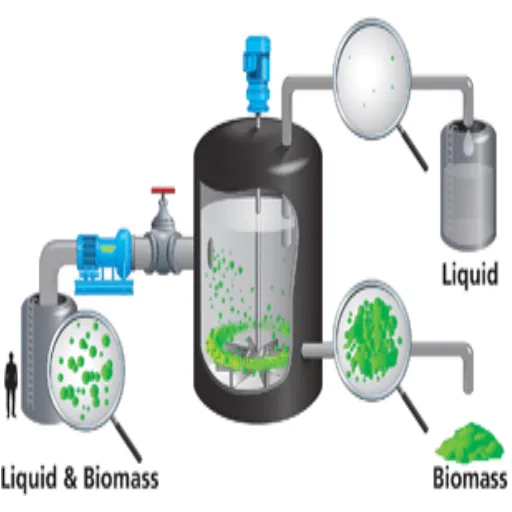
Overview of Solid-Liquid Separation Processes
Effective separation is crucial for optimizing production and ensuring product quality. Besides filtration, other common techniques include:
- Sedimentation and Decantation: This process relies on gravity to settle heavier solid particles to the bottom of a container over time. The clearer liquid on top is then carefully poured off (decanted).
- Centrifugation: This method uses centrifugal force to accelerate the separation of solids from liquids. A centrifuge spins the mixture at high speeds, causing denser solids to collect at the bottom of the tube or vessel. It is much faster than gravity-based sedimentation.
- Flotation: In this technique, gas bubbles are introduced into the liquid slurry. The bubbles attach to solid particles, causing them to float to the surface where they can be skimmed off. It is commonly used in mineral processing and wastewater treatment.
Choosing the Right Method for Effective Separation
Selecting the appropriate separation method is a critical decision that impacts efficiency and cost. Key factors to consider include:
- Particle Size and Density: Centrifugation and sedimentation are effective for larger, denser particles. Filtration is better suited for separating finer particles.
- Solid Concentration: High-solid-content slurries may be better handled by pressure filters or centrifuges, whereas low-solid-content liquids can be clarified using depth filters.
- Required Purity: If the goal is a highly pure liquid (filtrate), membrane filtration techniques like microfiltration or ultrafiltration might be necessary. If a dry solid (cake) is the goal, a filter press or vacuum filter is often preferred.
- Processing Volume and Speed: For large-scale, continuous operations, equipment like rotary drum filters or continuous centrifuges are ideal. Batch processes might use simpler filter presses or Büchner funnels.
Benefits of Efficient Solid-Liquid Separation
Implementing an efficient separation process yields significant operational benefits:
- Increased Yield: Maximizes the recovery of valuable products, whether they are in the solid or liquid phase.
- Reduced Costs: Lowers expenses related to disposal, transport, and energy consumption by reducing the volume of waste and moisture content.
- Improved Product Quality: Ensures the final product meets purity specifications by effectively removing impurities.
- Enhanced Process Efficiency: Streamlines the overall production workflow, reducing processing times and minimizing bottlenecks.
Dewatering Techniques and Their Importance
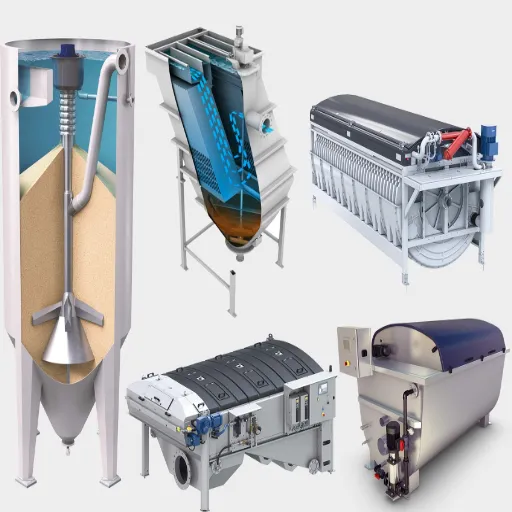
What is Dewatering?
Dewatering involves the removal of water from solids or soil by permeation, centrifugation, or evaporation. Industriwise, it is a set of activities by which water is extracted from the sludge or slurry to form a wet semi-solid or solid cake. The goal is to minimize greatly the moisture content of a given solid.
Common Dewatering Methods
Several methods are used for dewatering, each with its own advantages:
- Filter Presses: These devices use pressure to squeeze liquid out of a slurry held between a series of filter plates. They can produce a very dry filter cake.
- Belt Presses: A belt press passes a sludge between two tensioned porous belts, which are then passed over rollers to squeeze out the water. They are commonly used in wastewater treatment.
- Centrifuges: Decanter centrifuges are widely used for dewatering. They use high rotational speeds to separate solids from liquids, with the denser solids collecting on the wall of the centrifuge bowl.
- Rotary Drum Vacuum Filters: These provide a continuous dewatering process, making them suitable for large-volume applications in industries like mining and chemical production.
Impact of Dewatering on Concentrate Quality
The effectiveness of the dewatering process has a direct impact on the quality and value of the final concentrate:
- Higher Purity: By removing water, the concentration of the desired solid material is increased, leading to a purer, more valuable product.
- Improved Stability: Reducing moisture content can inhibit microbial growth and prevent degradation, extending the shelf life of the product.
- Lower Transportation Costs: Less water means less weight and volume, significantly reducing shipping and handling expenses.
- Easier Downstream Processing: A drier material is often easier to handle, process, and package in subsequent manufacturing steps.
Innovations in Concentration Machines
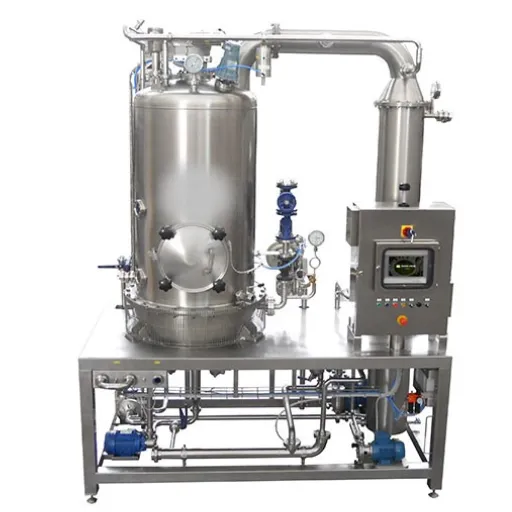
Latest Technologies in Concentration Machines
Recent innovations are transforming the capabilities of concentration equipment:
- Advanced Membrane Technology: New membrane materials offer higher selectivity, greater durability, and improved resistance to fouling. This has led to more efficient microfiltration, ultrafiltration, and nanofiltration systems.
- Smart Filtration Systems: The integration of sensors and IoT (Internet of Things) technology allows for real-time monitoring and control of filtration processes. These systems can automatically adjust operating parameters to optimize performance and predict maintenance needs.
- Hybrid Systems: Manufacturers are combining different separation technologies into single units. For example, a system might integrate centrifugation with membrane filtration to achieve a higher degree of separation than either method could alone.
Enhancing Efficiency in Filtration and Concentration
The drive for greater efficiency is a major theme in modern equipment design:
- Automation: Fully automated systems reduce the need for manual oversight, minimize human error, and ensure consistent operation 24/7.
- Energy Efficiency: New designs for pumps, motors, and other components are focused on reducing energy consumption, which lowers operating costs and improves the environmental footprint.
- Improved Cleaning Processes: Clean-in-place (CIP) systems are becoming more sophisticated, using less water and fewer chemicals while ensuring the equipment is thoroughly sanitized between batches.
Future Trends in Filtration and Concentration Equipment
Looking ahead, several trends are poised to shape the industry:
- Sustainability: There will be a continued focus on developing “green” filtration technologies that minimize waste, reduce energy and water consumption, and use recyclable or biodegradable materials.
- Personalization and Modularity: Equipment will become more modular, allowing businesses to create customized separation solutions tailored to their specific needs.
- Artificial Intelligence (AI): AI and machine learning will play a larger role in process optimization. AI algorithms will be able to analyze vast amounts of data to predict outcomes, identify anomalies, and suggest improvements to the filtration and dewatering process.
Reference Sources
Ditch the filters: 9 benefits of centrifugal separators – Discusses the advantages of centrifugal separators in managing challenging conditions and improving efficiency.
Centrifugal Separators: Working Principle, Benefits, and Applications – Explains the working principles and benefits of centrifugal separators in filtration processes.
Which Is Better Vacuum Filtration or Centrifugation – Compares vacuum filtration and centrifugation, highlighting their respective strengths in separation tasks.
Centrifugation vs Filtration: Pros & Cons Explained – De Dietrich – Provides a detailed comparison of centrifugation and filtration technologies, including their applications and benefits.
Electrostatic Separation – Highlights an innovative system using electrostatic separation for high-purity results in specific applications.
Frequently Asked Questions (FAQs)
What is a separation process in filtration?
Filtration pertains to the separation of solids from either liquids or gases by means of a filter medium. This technique is of utmost importance in various industries such as food processing and pharmaceutical production, where absolute purity must be maintained. Solid-liquid separation techniques utilize vacuum or pressure methods for the clarification of liquids to ensure the resulting product is free from impurities. The higher the speed of flow, the lesser time is available for the suspension particles to deposit on the filter medium; filtration is always a compromise between efficiency and speed and which of those two is given priority is application-dependent. Industrial processes are improved and enforced with specific standards by taking into account these principles of modern filtering processes.
How does a vacuum filter improve filtration efficiency?
By applying a vacuum (or negative pressure), it draws the liquid through the filter medium, allowing the solid to separate from the slurry more efficiently. This is applied in different industries, mainly in mineral processing and waste management. The vacuum pump creates the pressure gradient required for rapid filtrate removal from the solid cake concentration. This operation also works to reduce moisture content and optimize the cake filtration rate, making it a perfect suit for high-throughput production. The continuous vacuum filtration system integrates well with processing plants to produce reliable solutions enabling them to be used in varying applications while providing consistent results.
What are the benefits of using a concentrator in extraction processes?
The concentrator helps in increasing the concentration of desired solutes in the mixture and reducing the volume of waste, the major considerations of the extraction process. Often, in the pharmaceutical and food industries, exceedingly efficient extraction of active ingredients is required. This also ensures that through rotary evaporation or distillation, the process is optimized with the retention of essential oils and other valued substances. Energy is saved during processing with the help of the concentrator; thus, making it more sustainable, cost-effective, and yielding better products.
What role does moisture content play in solid-liquid separation?
Moisture content is an important factor affecting the solid-liquid separation efficiency and effectiveness. The higher the moisture content in solids, the more difficult it becomes to obtain the desired filtration results-unavoidably leading to a vital need to monitor and control moisture content. Thus to reduce moisture content prior to filtration, such methods as thickening may be necessary to optimize filtration on its own. On the other hand, wet solids will be harder to remove by means of filtration and in need of additional control with efficient filters to ensure that it meets the specification of the final product. An understanding of moisture content and how the measure affects the process is a must in businesses such as wastewater treatment and food processing.
How can optimizing filtration improve production processes?
Making filtration better can greatly enhance production processes by improving the clarity and quality of the final product. Parameters such as filtration area, flow rate, and particle size may be tuned for attaining higher efficiency and better separation of solids from liquids in factories. This ends up reducing waste on the production-line and better resource utilization. The other option for achieving very fine control over the filtration process is to go for advanced technology for filtration, like ceramic filters or vacuum systems. Essentially, all these efforts on optimizing filtration result in operational ease, while also saving costs and improving the quality of the product.
What are the different applications of solid-liquid filtration?
This filtration process stands firm across many sectors-the pharmaceutical, food and beverage, and environmental analysis-and numerous applications. For pharmaceuticals, it is needed for impurity removal and solution clarification to promote product safety and effectiveness. In food processing, solid-liquid filtration separates the solids from liquid mixtures necessary to get Indians to the juicy or oily stages. Waste management and regulatory iteration control utilize this method as well. Knowing the various applications enables industries to choose the filtration types and equipment that suit their operation needs best.

DU
Articles: 45
Trending now