Get in touch with Victorystar

Liquid Filling Machinery: Choosing the Right Type of Liquid Fill Machine

Contents
show
Selecting the right liquid filling machinery is a critical choice for industries ranging from pharmaceuticals to beverages and cosmetics. Precision, completion, and compatibility of your liquid filling equipment can significantly impact production schedules, operational expenses, and product quality. The sheer variety of machines on the market—almost matching the immense variety of liquid types and viscosities—can flood your plate with evaluative details. This guide will navigate you through those distinctions, whether you are reviewing products or streamlining an ongoing production line. Equipped with this information, you will be well-positioned to make a knowledgeable decision.
Introduction to Liquid Filling Machines
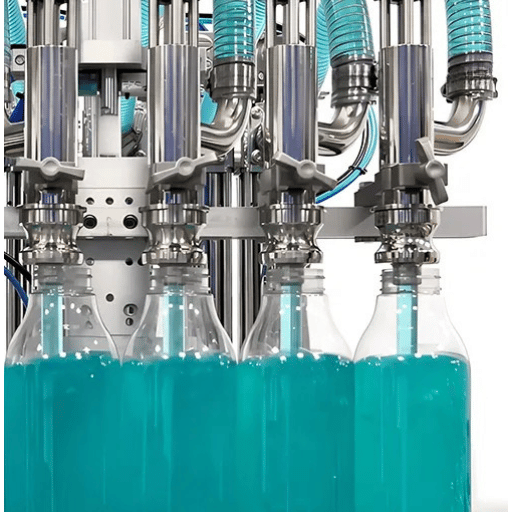
Liquid filling machines are pieces of equipment engineered to convey liquid materials into containers with uniform volume and minimum wastage. These are necessary in different industries like food and beverages, pharmaceuticals, cosmetics, and chemicals where precision and efficiency are paramount. Liquid filling machines come in different types, with common ones being gravity fillers, piston fillers, and pump fillers. Each of these types is designed to handle certain liquid viscosities—be it low or high—and the specific production speeds you plan to utilize. Making a worthwhile purchase depends on specifics such as viscosity, container type, and output requirements to ensure the machine meets your needs with optimal accuracy and capacity.
What are Liquid Filling Machines?
Liquid filling machines are a group of equipment designed to efficiently and accurately deliver liquids to containers across a vast range of fields. These machines are capable of handling different levels of liquid viscosities ranging from thin, free-flowing solutions to thick, highly viscous substances. These liquid fillers make the process fully automatic, ensuring accuracy, reducing wastage, and increasing production speed. Consequently, they are fundamental units of any modern manufacturing process.
Importance of Choosing the Right Liquid Filling Machine
Proper selection of a liquid filling machine not only improves production efficiency but also ensures high product quality and compliance with industry standards. The machine must be selected in accordance with the specific properties of the liquid, such as viscosity, foaming tendencies, and solid content, as well as the particular container type and size. Ill-advised selection could lead to underfilling, product wastage, machine downtime, and even non-compliance with regulatory requirements. Rational consideration of operating needs, production targets, and technical qualifications is essential for these systems to profitably serve a production unit.
Overview of Different Types of Liquid Filling
Filling methods are diverse and effective, each designed to suit specific product characteristics, production demands, and industrial requirements. Examples of these methods include:
- •
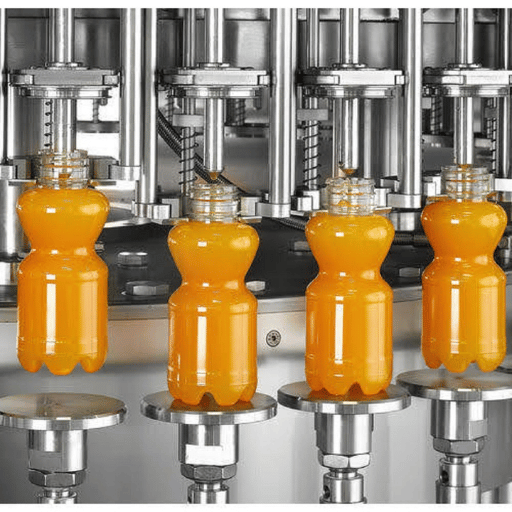
Gravity Filling: Applied almost exclusively to thin, low-viscosity liquids. It is simple in operation but highly capable of filling vast quantities of water or juice. - •
Piston Filling: Conceived for viscous liquids with extreme precision. They use accurately filled pistons to hit necessary fill levels for products like creams, sauces, and gels. - •
Pump Filling: Highly adaptable to a broad range of viscosities and container sizes, providing excellent flow control for fluids ranging from oils to syrups. - •
Vacuum Filling: A vacuum is formed in the container before filling, drawing the liquid in precisely with no overflow and minimal foaming. - •
Overflow Filling: Ideal for low to moderate viscosity products, producing a uniform fill level by recycling excess liquid back into a return tank.
Each method offers specific advantages. Choosing the appropriate technology ensures seamless operation and product uniformity.
Main Types of Beverage Filling Machines
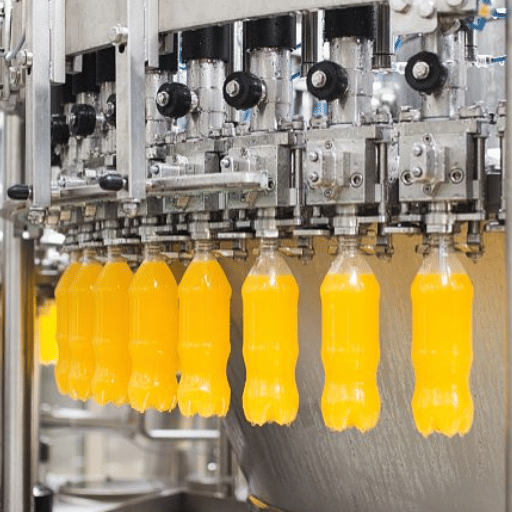
- 1
Gravity Fillers
Gravity fillers use gravitational force to fill products like water and juices. This is a cost-effective means of ensuring bottles are full, particularly for small-to-medium-sized containers. - 2
Pressure Fillers
Used for liquids with a viscosity above water, such as syrups or thick juices. They ensure the product maintains its consistent character throughout the packing line. - 3
Vacuum Fillers
Mostly used for fragile beverages like wine. Vacuum action draws the drink into the container, minimizing spillage and preserving product quality. - 4
Carbonating Fillers
Designed exclusively for adding carbon dioxide. They provide the exact pressure required to carbonate the drink during filling while minimizing post-filling holding action. - 5
Hot Fillers
Maintains high temperatures for beverages like teas or sports drinks that require sterilization. This heat treatment maximizes product shelf life and safety.
Gravity Filling Machines
Gravity fillers function by using gravitational force to fill containers. Particularly effective for low-viscosity liquids such as water and wine, these machines operate by collecting liquid into a reservoir situated above the nozzle. Once a container is positioned beneath, the liquid flows directly into it. This process ensures uniform filling and minimal wastage. Gravity fillers are cost-efficient, easy to operate, and require minimal maintenance, making them an excellent choice for applications requiring speed and accuracy without high energy demands.
Piston Filling Machines
Piston fillers are incredibly versatile machines that accurately dispense a wide range of liquid viscosities, from water to thick creams and pastes. They operate via a piston mechanism within a cylinder that draws in product and precisely deposits it into a container. This offers a high degree of accuracy and repeatability, which is advantageous for food delicacies, cosmetics, or pharmaceuticals. The use of pistons facilitates handling products with particulates, such as sauce chunks, ensuring consistent portioning. Their robust design and flexibility make them indispensable for operations needing stringent control.
Volumetric Filling Machines
Volumetric filling machines dispense exact quantities of product based on volume. These machines can fill any consistency, from thin liquids to thick pastes like honey or olive oil. They provide high precision for manufacturers whose requirements are measured down to the millimeter. Volumetric filling machines are essential in industries where exact filling is necessary, such as food, beverages, and pharmaceuticals. This focus on precision enhances overall effectiveness while maintaining high quality control standards in packaging.
Applications of Beverage Filling Machines
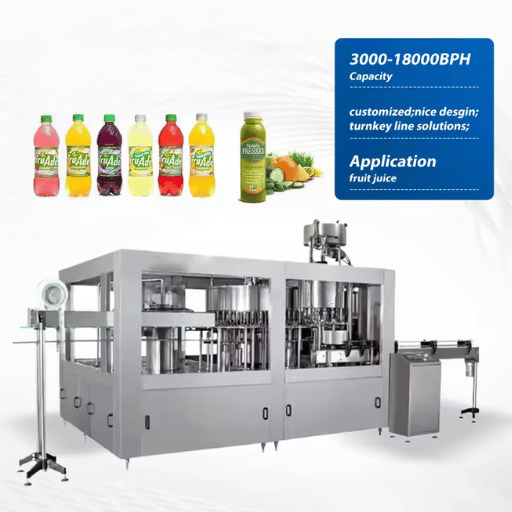
Beverage filling machines are primarily used to facilitate the effective, accurate, and hygienic sealing of liquids. These machines are frequently employed for bottled water, carbonated drinks, juices, and alcohol like beer and wine. They are also used for non-fizzy beverages such as teas and energy drinks, guaranteeing volume and quality control. Their versatility extends to dairy products, including milk and liquid yogurts, which must remain fresh and bacteria-free. Manufacturers rely on these machines to meet production needs, safeguard products, and adhere to safety standards.
Carbonated Beverages
Specialized filling machines are designed for carbonated liquids because carbon dioxide has unique properties. They employ precise pressure control during filling to prevent foaming and maintain consistent carbonation. Advanced features like pre-evacuation and counterpressure filling ensure product integrity and a longer shelf life. This technology is necessary to achieve high-speed production while maintaining the sensory characteristics of the final product.
Non-Carbonated Beverages
Products without carbonation, such as juices and teas, are more flexible to produce but require focus on microbial control, usually via pasteurization or aseptic filling. Since there is no carbon dioxide to help preserve the drink, alternative preservation techniques are required. Packaging technologies with oxygen barrier materials and hermetic sealing are essential to ensure shelf stability and maintain the organoleptic perception of the content.
Viscous Liquids
Packaging viscous liquids presents challenges as they do not flow freely and tend to adhere to surfaces. Equipment like progressive cavity pumps, gear pumps, and rotary piston fillers are designed for this purpose, often paired with temperature control. Many viscous liquids are easier to load when heated slightly. Understanding the rheological properties of the liquid allows for a better production line design, ensuring efficiency and product stability. Advanced valve systems and dripless nozzles facilitate accurate filling while maintaining cleanliness.
Advantages and Disadvantages of Each Machine Type
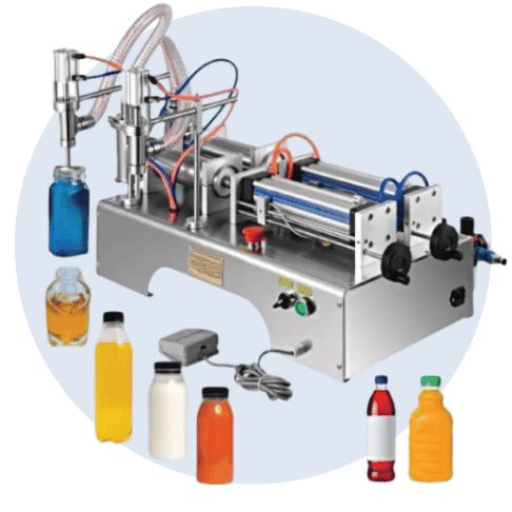
| Machine Type | Advantages | Disadvantages |
|---|---|---|
| Carbonated | High-pressure preservation; high-speed processing; low wastage. | High setup costs; heavy maintenance; limited to carbonated products. |
| Non-Carbonated | Compatible with various liquids; simple structure; lower maintenance costs. | Hard to adapt for high sterilization needs; slower than specialized machines. |
| Viscous | Accurate handling of thick/sticky liquids; minimizes clogging and spills. | Slower filling speeds; high concern for residue-settling issues. |
Speed and Efficiency
Production process determination is essential for fixing speed and effectiveness. Highly organized machines meant for high-outflow processes perform best with low-viscosity or carbonated items. However, machines become slower with viscous liquids as precision is required to avoid mechanical problems. Striking a balance between speed and precision is paramount, as leaning too much on one could jeopardize total productivity and product quality.
Accuracy and Precision
Accuracy pertains to how a measured value correlates with a standard, while precision refers to the consistency of multiple measurements. Industries with strict quality control must sustain both. Inaccuracy or a lack of precision leads to product defects. Expert approaches involving calibration, automated feedback loops, and rigorous testing ensure both accuracy and precision are optimized for each system.
Cost and Maintenance Considerations
Cost and maintenance are imperative for designing accurate systems. Initial capital includes purchasing high-quality instruments and automation. Maintenance involves routine calibration, inspection, and parts replacement. Failure to allocate funds for these stages can compromise reliability. Predictive maintenance and regular servicing reduce accidents and increase equipment life, ensuring long-term cost-efficiency.
Criteria for Selecting the Right Filling Machine
💡
Selection Checklist
- ✓ Product Type: Match machine to viscosity (liquid, semi-solid, etc.).
- ✓ Production Volume: Choose a machine that suits your required output speed.
- ✓ Accuracy Requirements: Ensure it meets industry-specific standards (e.g., Pharma).
- ✓ Material Compatibility: Verify frames and components resist corrosion or sensitivity.
- ✓ Budget and Maintenance: Balance upfront costs with long-term technical support.
Assessing Your Beverage Type
When selecting a machine, consider physical and chemical properties. For carbonated beverages, equipment must handle pressure without disturbing fizz. For pulpy juices or concentrates, machines must cope with varying viscosities. Highly sensitive products, like dairy, require aseptic filling systems to prevent contamination. Evaluating these points ensures you pick a solution that maintains beverage integrity.
Understanding Production Requirements
Beverage filling equipment depends on product viscosity, sensitivity, and shelf-life requirements. Accessories should be versatile for handling thicker fluids, while aseptic systems should be prioritized for perishable items to ensure safety. Aligning equipment capabilities with product technicals promotes operation optimization while maintaining quality standards.
Budget and Long-Term Investment
When budgeting, consider Total Cost of Ownership (TCO) rather than just acquisition cost. Higher upfront costs for quality equipment often translate into improved durability, lower maintenance, and increased efficiency. Modular or scalable machinery is an intelligent investment as product lines grow. Reliable technology minimizes downtime and ensures a continued supply of quality products, enhancing profitability.
Reference Sources
- Robust Machine: A look at beverage filler machines and applications.
- JIH Pump Blog: Viewpoints on cooling machine design in mineral water and juice sectors.
- AMPACK: Industrial filling knowledge for engineers and businesses regarding viscous liquids.
Frequently Asked Questions (FAQs)
What is a Beverage filling machine?
Beverage filling machines are used to fill liquids like water, juices, and carbonated drinks into containers such as bottles or cans.
What are the main types of beverage filling machines?
Types include gravity fillers, pressure fillers, vacuum fillers, and aseptic fillers, each meeting specific beverage needs.
How do I choose the right filling machine?
Considerations include beverage type, production volume, container type, and budget.
What distinguishes gravity from pressure fillers?
Gravity fillers rely on the weight of the liquid, while pressure fillers use additional force for carbonated or viscous liquids.
Are there filling machines for carbonated drinks?
Yes, pressure fillers for carbonated drinks are specifically built to preserve the fizz in the beverage.

Candy
Articles: 37
Trending now