Get in touch with Victorystar

Carbonated Soft Drink (CSD) Formulation and Development

Contents
show
Creating the ultimate carbonated soft drink is a highly complicated process requiring a delicate balance of creativity, innovation, and science. Companies worldwide compete to develop the best carbonated beverages through strikingly creative and highly technical CSD formulation processes—from achieving the right amount of carbonation to perfecting flavors that please the palate. This comprehensive exploration of soft drink development examines the complexity of the CSD world, revealing the major factors that make these beverages so attractive. Whether you’re interested in the impact of carbonation, the significance of ingredient selection, or the new trends affecting the soft drink market, this guide will provide not only information but also inspiration. Join us on a journey to discover the science and strategy behind the successful creation of carbonated soft drinks.
Overview of Carbonated Soft Drinks
Definition and History of CSD
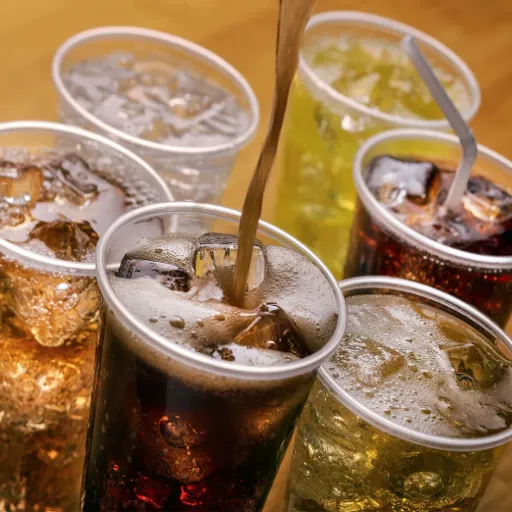
Carbonated soft drinks (CSDs) are non-alcoholic beverages that typically consist of carbonated water, sugar or alternative sweeteners, and various flavorings. The main feature of this process is carbon dioxide gas dissolving under pressure, giving these beverages their characteristic fizz and bubbles. CSD was invented in the late 18th century when Joseph Priestley devised a method to carbonate water in 1767. Throughout the 19th century, carbonated drinks became increasingly popular and were marketed as refreshing beverages that could cure ailments.
📊 Market Overview
CSD remains critically important in the global beverage industry, representing a significant market segment. The world carbonated soft drink market is projected to be worth over $320 billion by 2030 based on recent reports. Steady increases in product innovations and changing consumer preferences are the main drivers behind this surge. Existing consumer trends indicate higher demand for low or no-sugar drinks, plus beverages with exotic flavors and health benefits. These developments demonstrate that the ongoing popularity and flexibility of CSDs continue to meet modern consumer needs.
Market Trends and Consumer Preferences
Latest data compiled from search engine trends reveals that consumers are increasingly seeking health-conscious alternatives within the beverage sector. Searches for terms like “zero-sugar drinks,” “functional beverages,” and “natural flavors in sodas” have increased significantly in the past year, indicating a close relationship with wellness focus and sustainability. Additionally, continuous product innovations make clear that brands focused on transparency, health benefits, and distinctive taste are more likely to attract modern consumer attention. This signifies the importance of digitally adapting to consumer behavior and preferences for market competitiveness and relevance among consumers.
🔍 Top Consumer Search Trends
🏥 Health-Conscious Options
Zero-sugar drinks, reduced-calorie beverages, functional drinks with added benefits
🌿 Natural Ingredients
Natural flavors, organic ingredients, plant-based sweeteners
♻️ Sustainability
Eco-friendly packaging, sustainable beverage options, transparent sourcing
Future Outlook for Carbonated Beverages
Evolving consumer tastes and market trends will significantly influence the future of carbonated beverages. Latest data from search engines shows that interest in “low-calorie sodas,” “sparkling water with natural flavors,” and “functional carbonated drinks” that provide health benefits like vitamins or probiotics has increased. This shift indicates that consumers increasingly want products that are healthy yet tasty and enjoyable, aligning with their health-conscious lifestyles.
Brands that emphasize innovative and better-for-you ingredients—like reducing sugar, adding plant-based alternatives, and using eco-friendly packaging—will be in advantageous positions. Search trends show that consumers are more concerned with sustainability as terms “sustainable beverage options” and “eco-friendly soda packaging” become more commonly used, meaning consumers are placing environmental practices higher on their priority lists.
💡 Industry Insight: Additionally, the rise of online channels allows companies to connect with customers through different means like digital advertising, social media engagement, and partnerships with online retailers. Carbonated beverage companies can continue competing and catering to modern conscious and informed consumers by keeping abreast of these trends and taking proactive measures.
Fundamental Science Behind CSD Formulation
Chemical Interactions in Carbonation
Carbonation in carbonated soft drinks (CSDs) results from carbon dioxide (CO₂) gas dissolving under high pressure. This process yields carbonic acid (H₂CO₃), which contributes to the sour taste and tingling sensation attributed to these drinks, making it a critically important factor in consumer preference for carbonated beverages. The gas escapes and forms bubbles when pressure is released, such as when opening a bottle or can.
🔬 Taste Enhancement
CO₂ disengagement not only increases sensory perception through bubbles but also creates the characteristic tangy, refreshing taste consumers expect.
🛡️ Preservation
Prevents bacterial growth by lowering pH, acting as a gentle preservative that extends shelf life without additional chemicals.
Latest data reveals a surge in consumer interest regarding carbonation’s influence on taste and beverage preservation. Research indicates that companies using this scientific foundation can fine-tune their formulations to cater to both functionality needs and consumer preferences very efficiently.
Physical Properties Affecting Taste and Effervescence
A beverage’s physical characteristics—like carbonation level, acidity, and temperature—are critically important in determining its taste and effervescence. People searching online are increasingly curious about how these factors affect their drinking experience. For example, higher carbon dioxide levels are associated with more vibrant, refreshing flavors, whereas temperature variations can either amplify or completely reduce flavors. Additionally, acidity influences the drink’s taste, either competing with or complementing other flavor compounds.
By examining these consumer questions and trends, brands can refine their products over time in accordance with changing market tastes, guaranteeing an enriched sensory experience for their customers.
Importance of pH and Acidity in CSD
An extremely critical aspect for carbonated soft drinks (CSDs) is pH and acidity levels, which determine flavor, stability, and shelf life. Optimal pH, usually between 2.5 and 4, not only provides the desired sharp and tangy flavor but also considerably affects product safety regarding microorganisms. Adding citric acid, phosphoric acid, or other acidulants creates an acidic environment that blocks spoilage organism growth, ensuring product quality remains intact over time.
⚠️ Health Considerations
Recent studies point to trends that consumers are becoming more health-conscious and that high-acidic beverages are becoming less accepted; thus, manufacturers have begun experimenting with techniques like pH balancing and low-acid formulations. This attempts to achieve the dual goal of providing a pleasing sensory experience while addressing consumer concerns about tooth enamel erosion and digestive health. Brands can maintain the fine balance between consumer-desired taste, health considerations, and product stability by using new formulation technologies.
Ingredient Roles in CSD Formulation

Carbon Dioxide: Solubility and Release Mechanisms
Carbon dioxide (CO₂) is a main element of carbonated soft drink (CSD) formulation, contributing to the fizziness and overall sensory experience. CO₂ solubility depends on temperature, pressure, and liquid composition. Under high-pressure conditions during manufacturing, CO₂ is absorbed into the liquid, forming a supersaturated solution. When pressure reverses—such as when opening the container—CO₂ escapes from solution and forms bubbles, resulting in the classic effervescence of carbonated drinks.
🌡️ Temperature Impact
Latest research shows that temperature is a major factor controlling CO₂ solubility. Cold temperatures are advantageous since they help retain more CO₂ in the drink. This is why carbonated beverages are purchased and stored cold—warmer surroundings cause gas to escape quickly, resulting in carbonation loss.
Formulation Optimization: Release mechanisms are affected by CO₂ dissolution and other additives like sweeteners and acids. Modifications to formulation can optimize carbon trapping, improving sensory quality and prolonging shelf life, ultimately making customers happier while keeping products stable and consistent.
Types of Sweeteners: Natural vs. Artificial
Sweeteners are among the main ingredients in carbonated soft drinks (CSDs), directly influencing product taste, customer preference, and production processes. Sweeteners can be classified into two types—natural or artificial—each with its own set of advantages and disadvantages.
🔑 Key Considerations
Data from recent years reveals that consumers are seeking healthier products and are more interested in natural alternatives; however, artificial sweeteners still dominate reduced-calorie or diet options. Both categories play vital roles in satisfying market needs, and the secret of success lies in properly blending sweeteners to achieve the right balance of taste, cost, and health considerations. Regulatory bodies such as the FDA and EFSA have deemed artificial sweeteners safe for use in established quantities. With this knowledge, CSD manufacturers can introduce innovative products while keeping pace with changing tastes and complying with nutritional and regulatory trends.
Flavoring Compounds: Consistency and Quality
Flavoring compounds are critically important for the carbonated soft drinks (CSDs) industry as they guarantee specific tastes that consumers recognize and prefer. The main point in flavoring is consistency and quality, since even slight differences can drastically change the entire sensory experience. Flavors must align with consumer expectations and remain stable throughout product life. This is made possible through stringent quality control, modern flavor encapsulation technologies, and relationships with dependable suppliers.
🌿 Clean Label Trend
Fresh data from search engines shows more consumers are seeking natural and easily identifiable components in their drinks. Queries like “natural flavoring in drinks” and “healthier soda options” indicate a move towards transparency and clean-label trends. CSD manufacturers wanting to stay on the market’s cutting edge must address these changing tendencies by combining innovation in flavor creation with quality assurance measures. By understanding consumer perceptions and maintaining quality, companies can offer premium products that not only meet but also surpass modern tastes.
Innovations in CSD Development
Healthier Formulations: Reduced Sugar and Natural Ingredients
Current demand for healthier options in carbonated soft drinks (CSDs) is reflected in increased searches for related terms. Growing consumer interest in healthier alternatives is depicted through terms like “low-sugar soda” and “natural beverage ingredients,” which have been gaining popularity. New formulations with reduced sugar are being realized through innovations like using plant-based sweeteners such as stevia and monk fruit, which provide equivalent sweetness levels without compromising flavor.
✨ Innovation Strategies
- Plant-Based Sweeteners:
Stevia and monk fruit provide natural sweetness without calories or sugar content - Natural Ingredients:
Organic fruit extracts and botanical infusions appeal to health-conscious consumers - Wellness-Oriented Positioning:
CSDs that taste great while supporting health goals create market opportunities
Additionally, using natural ingredients such as organic fruit extracts and botanical infusions attracts consumers more inclined towards health. These changes indicate that crucial opportunities exist for brands to align with the market by offering CSDs that not only taste good but also support wellness objectives.
Sustainable Practices: Eco-Friendly Packaging Solutions
An eco-friendly packaging shift in the carbonated soft drink (CSD) sector is already underway and is considered a necessity rather than a trend, driven by consumer demand and environmental concerns. Significant increases in searches for eco-friendly terms like “biodegradable packaging” and “recyclable materials” have been observed over the past year, according to latest data from search trends.
🌱 Plant-Based Plastics
Biodegradable materials derived from renewable sources reduce environmental impact significantly.
♻️ Refillable Programs
Bottle refill initiatives reduce single-use plastic waste and engage consumers in sustainability.
🌍 Carbon Neutrality
Sustainable sourcing and manufacturing processes aimed at achieving carbon-neutral production.
Innovative solutions like plant-based plastics, compostable packaging, and refillable bottle programs are some of the ways brands are attempting to reduce their environmental impact. Sustainable sourcing and manufacturing processes are also becoming common among companies aspiring for carbon neutrality. These initiatives are directed not only at satisfying consumers but also at meeting global sustainability objectives, indicating a promise to keep the planet intact for coming generations.
Emerging Trends: Functional Beverages and Clean Labels
The area of functional beverages and clean labels is becoming increasingly prominent as consumers place transparency over health-conscious choices. Search engine data shows that people are increasingly searching for terms “functional drinks benefits” and “clean label ingredients,” indicating growing consumer interest. Consumers seek beverages that offer health benefits—either improved digestion, increased energy, or immune system support—while simultaneously having very simple and easily recognizable ingredients.
🎯 Functional Benefits Consumers Seek
- Digestive Health: Probiotics and prebiotics for gut wellness
- Energy Enhancement: Natural caffeine, B-vitamins, and adaptogens
- Immune Support: Vitamins C and D, zinc, and elderberry extracts
- Hydration Plus: Electrolytes and minerals for enhanced hydration
- Mental Clarity: Nootropics and natural focus-enhancing ingredients
This trend points towards products that not only support well-being but also gain consumer trust and affirm their values through honest, clear labeling practices. Companies that can master the art of combining functionality with clean and transparent labels will find themselves well-positioned to attract this trend-savvy audience’s attention.
Regulatory Considerations in CSD Production
Labeling Requirements in Various Markets
Labeling requirements for carbonated soft drinks (CSDs) differ widely depending on the market due to different regional regulations and consumer expectations. For example, the Food and Drug Administration (FDA) in the United States requires ingredient lists, nutritional facts, and indication of added sugars. Similarly, the European Union has very precise rules under Regulation (EU) No 1169/2011, which obligates allergen labeling, specification of energy content, and product traceability. The worldwide trend towards increased consumer consciousness has led to tighter standards in countries like India and Brazil as well.
Search trends data provides insight on increasing use of terms like “clear soda labels” and “ingredient transparency” among consumers seeking CSD information, indicating growing need for clarity and trust in product labeling. This emphasizes not only regional compliance but also manufacturers’ ability to cope with local diversity without losing sight of global transparency. Keeping pace with regulations while moving simultaneously with consumer preferences is necessary for companies wanting to emerge strong in the tough CSD competition.
Limits of Ingredients and Compliance
Recent trend data from search engines shows burgeoning consumer interest in “restricted ingredients in beverages” and “regulatory compliance.” This means consumers are not only becoming aware of their favorite carbonated soft drinks’ (CSDs) content but also looking forward to products that comply with new regulatory standards. Consumer demand and government legislation have caused brands to either reduce or altogether eliminate some controversial ingredients such as artificial sweeteners, high-fructose corn syrup, or specific food colorings depending on regional bans.
⚖️ Compliance Strategy
Companies wishing to be compliant and simultaneously maintain competitive edges must stay on top of varying regulatory standards across global markets while keeping product integrity. Using data analytics, including consumer search trends, can prove helpful in anticipating shifts in ingredient preferences and adapting strategies accordingly. By being open about restrictions and gradually meeting health-conscious expectations, concerned brands can not only earn consumer trust but also succeed in regulatory matters.
Formulation Strategies Influenced by Legislation
The combination of company regulatory compliance with data from search engines can yield excellent insights into consumer behavior and preferences. For instance, search trends point to increased interest in natural, organic, and allergen-free ingredients, and therefore companies that can develop such formulations will surely win consumer favor. Companies can locate not only future ingredient trends but also dangers associated with regulatory changes or rising concerns regarding certain compounds by monitoring data patterns.
💡 Strategic Advantage
When effectively utilized, search engine data provides great support to brands in making informed choices, thereby ensuring compliance while meeting modern demands. This mutuality of regulatory awareness and consumer insights drives innovation, competitiveness, and sustainability in product development.
Frequently Asked Questions (FAQ)
❓ What are the key aspects of carbonated beverage formulation?
Formulation of carbonated beverages covers multiple important aspects such as developing the right flavor, carbonation level, and sweetness balance. Usually, balancing these elements is the main concern of beverage formulation expert teams. Selection of sweeteners, like refined sugar or artificial sweeteners, can substantially influence taste and attract specific user categories. Moreover, adding acidulants will, on one hand, create an attractive flavor profile while, on the other hand, maintain low pH, which is vital for bacterial stability. These micro and chemical parameters are key factors requiring attention during production processes to guarantee product consistency and quality.
❓ How do packaging materials affect the shelf life of carbonated soft drinks?
Packaging materials play a major part in the shelf life of carbonated soft drinks. Main materials used are PET (polyethylene terephthalate) bottles and aluminum cans, each providing different levels of leak-proof protection against oxygen and light. These conditions directly affect the drink’s flavor and freshness over time. Properly chosen packaging is very necessary to protect products from outside elements that can either spoil them or diminish their carbon dioxide content. Additionally, packaging material design and features may have very strong impacts on consumer perception and brand loyalty within the beverage sector.
❓ What are the current trends in the carbonated soft drink market?
The carbonated drink market is changing and moving towards healthier options with trends such as low-calorie beverages and those flavored with natural tastes. Ongoing consumer trends are moving away from traditional sweets and sugar-based juices, looking instead for healthier alternatives. Besides this, demand for functional drinks such as sports drinks rich in vitamins and electrolytes is rising as well. Big names in the beverage world like Sprite and Fanta are taking the route of new flavors and formulations, experimenting with their products to attract more customers. Latest surveys show that consumers are demanding more sustainability, which is why companies are switching to eco-friendly packaging and practicing supply chain transparency.
❓ What role does carbonation play in the sensory experience of soft drinks?
Carbonation is one of the major contributors to the sensory experience of soft drinks because it provides a unique mouthfeel and adds to drinking pleasure beyond the beverage itself. CO₂ levels in drinks are responsible for freshness and flavor profile perception, with higher carbonation levels often leading to more intense taste experiences. Furthermore, the interaction of carbonation with flavor compounds can result in profiles that are not only complex but also very refreshing. Maintaining the right amount of carbonation is vital for consumer satisfaction and can be the factor that keeps companies competitive in the drinks sector.
❓ How is beverage flavor developed in carbonated soft drinks?
The process of beverage flavor development in carbonated soft drinks consists of mixing natural and artificial flavoring agents. Flavorists are engaged in creating taste profiles that would be unique points differentiating brands amidst market competition. Among plentiful ingredients used for flavoring, fruit extracts, essential oils, and spice mixes can be listed. The formulation process also takes into account customer tastes for sweetness, acidity, and overall balance. Rigorous testing and sensory analysis are techniques that ensure final product quality and consumer acceptance, making beverage flavor not just critical but rather a decisive factor in CSD formulation and manufacturing success.
Reference Sources
📚 Academia.edu – Additives Used in Soft Drinks
This paper discusses the role of various additives in carbonated soft drinks, including their chemical properties and impact on product development.
📚 University of Connecticut – A Transdisciplinary Analysis of Sweetened Carbonated Soft-Drink Consumption and Related Policy Options
This dissertation explores consumer behavior, demographic influences, and policy implications related to sweetened carbonated soft drinks.
📚 Oregon State University – Process Development and Sensory Evaluation of a Sweetened Flavored Carbonated Milk Beverage
This study focuses on the development process and sensory evaluation of carbonated beverages, providing insights into formulation techniques.

GW
Articles: 39
Trending now