Get in touch with Victorystar

Carbonated Soft Drink & Beverage Production Process

Contents
show
The production of carbonated soft drinks is a sophisticated blend of precision engineering and chemical science. From advanced water purification to pressurized carbonation and sustainable packaging, every step is meticulously controlled to ensure the refreshing effervescence and flavor consistency that consumers expect globally.
From the creation of soft drinks and beverages, there lies an interesting juxtaposition of science, technology, and precision engineering. The optimization of flavors, processing professionals, and equipment, combined with the carbonation process, is what consumers worldwide have come to know as their drink of refreshment and effervescence. This post goes deep into the processes that lead to their widespread popularity—exploring an alternative view from good brewing, ingredient selection, and syrup production to carbonation, packaging, and quality control. Whether you are currently employed in the food industry, an enthusiast wanting to learn more about the culture of fizzy drinks, or just a consumer interested in the history and validation of organic standards, there is valuable insight here for everyone.
Introduction to Carbonated Beverage Production
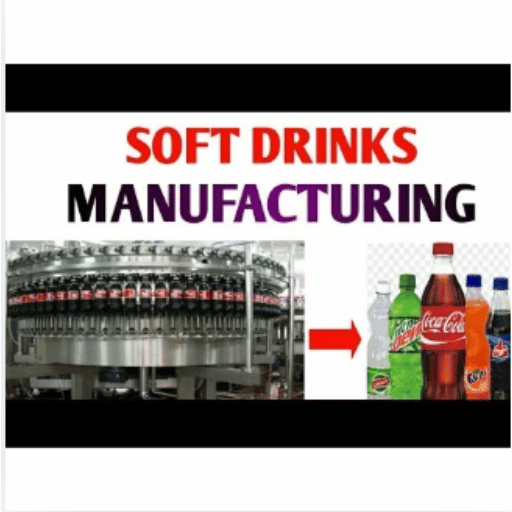
The process of carbonation is an essential and core element within the making of carbonated beverages. The key principle is the procedure of carbon dioxide ($CO_{2}$) gas being totally dissolved into a liquid at a set pressure—optionally water or flavored syrup—such that the effervescent viscosity indicative of drinks is achieved. Carbonating capacity is a function of temperature, pressure, and the solubility of $CO_{2}$ in a liquid. The association is with greater amounts of $CO_{2}$ being absorbed at lower temperatures and higher pressure. When this operation is complete, the product must be immediately canned or bottled into 100% full systems in order to preserve the gas and the fizzy texture of the preserved beverages.
[Image of carbon dioxide solubility chart]
Overview of the Soft Drink Industry
The global market for soft drinks operates as a multi-billion-dollar industry which experiences continuous product development while producing its goods at large scale and distributing them to worldwide markets. The beverage category includes all types of carbonated and non-carbonated drinks which consist of sodas, flavored waters, energy drinks, ready-to-drink teas, and coffees. Consumer behavior drives the industry because people want easy-to-use products that provide different options and now desire beverages which they consider healthy or functional. The Coca-Cola Company and PepsiCo lead the industry through their advanced production methods, marketing approaches, and extensive distribution networks which enable them to serve customers around the world. Current market developments focus on three main areas: companies using sustainable packaging solutions, decreasing sugar levels, and incorporating plant-based and organic materials into their products to fulfill changing customer demands.
Importance of Carbonation in Beverage Manufacturing
Carbonation is absolutely critical in the processing of beverages and significantly influences product quality, perceived taste, and acceptability to consumers. Carbonation is fundamentally a process of dissolving carbon dioxide ($CO_{2}$) in liquid at defined conditions of temperature and pressure. Consequently, this enhances the perception of freshness and provides the desired mouthfeel to the drinks. By doing so, carbonation renders a natural form of preserving the drinks from undesirable microbial growth. The effervescence, with a bouquet release upon opening of a carbonated drink, provides the sumptuous sensorial experience. Carbonation control is crucial in ensuring that the company meets all regulatory standards and customer expectations, thereby guaranteeing an optimal output of high-quality products regularly.
Key Stages in Soft Drink Production
Some very critical stages with closely controlled and strictly upheld quality standards go into the production of soft drinks. Every stage of human intervention is meticulously supervised to preserve uniformity, safety, and quality—food and drink production is a process where technology is given utmost importance and paramount optimization.
- 1
Water Treatment
Raw water is filtered, softened, and sterilized to meet considered standards of quality and safety. - 2
Ingredients Blending
Flavorings, sweeteners, acids, and preservatives are parceled together on demand to create various flavor platforms produced with scrupulous formula verification. - 3
Carbonation
Under considerable pressure, carbon dioxide diffuses into the liquid to create effervescence. - 4
Filling and Sealing
The beverage is filled into sterilized cans or bottles and sealed hermetically to prevent contamination and maintain product integrity. - 5
Pasteurizing and Sterilizing
Where necessary, heat treatment is applied for microbial safety without significantly altering the flavor profile. - 6
Packaging and Distribution
Products are labeled, packed, and prepared for shipment to reach consumers within regulatory and market standards.
Water Treatment in Soft Drink Production
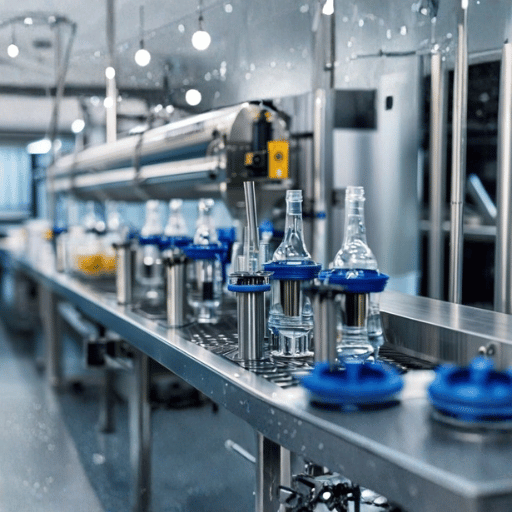
Water treatment is a crucial element in the production of soft drinks to uphold the safety and quality of the merchandise. This process is generally inclusive of processes like filtration to eliminate particulate matter, activated carbon addition to eradicate chlorine and organic compounds, and the use of deionization or reverse osmosis to modify mineral properties. These steps ascertain that the water reaches stringent quality criteria, giving a neutral, unbeatable canvas for flavoring or carbonation. However, to control the quality at each level of treatment, regular monitoring and testing are employed to ensure compliance with health and safety standards.
Importance of Water Quality
One important aspect that impacts the safety, consistency, and overall consumer satisfaction of a beverage product is water quality. High-quality water keeps away contamination, keeps equipment clean from scaling and corrosion, and allows for the preservation of the flavor profile intended in the finished product. Keeping with strict water treatment protocols not only equates to meeting regulations but sets a standard in the industry for product excellence and public health.
Methods of Water Purification
Water purification methods in the beverage industry must strive toward effectiveness and efficiency so that quality standards are not violated. Common techniques include:
- ✓
Reverse Osmosis: Removes dissolved salts and impurities through a semi-permeable membrane. - ✓
Activated Carbon Filtration: Removes organic compounds, chlorine, and odors. - ✓
Ozonation and UV Treatment: Provides microbial disinfection without chemical residues. - ✓
Ion Exchange: Used for water softening and removal of specific ions that cause scaling.
Impact on Final Beverage Taste
Water treatment processes have significant effects on the final tastes of beverages because they remove impurities and off-flavors while maintaining their essential mineral balance. With technological advances such as reverse osmosis and activated carbon filtration systems, these processes often produce a truly neutral “clean” base that allows the unique taste components of different beverages to show through without hindrance. However, excessive de-mineralization can bring a flatness or lack of taste, highlighting the importance of proper adjustments for flavor requirements. Precision supports manufacturers to strive for consistency of quality, achieving a specific normative experience for consumers.
Syrup Preparation for Carbonated Soft Drinks
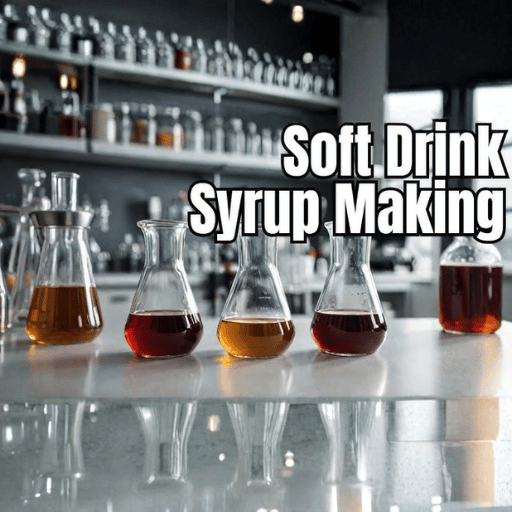
Ingredients for making a syrup for carbonated beverages include water, sweeteners, flavors, acids, and preservatives in an exact supply so that it possesses the accurate taste and quality. Sweeteners, being either natural or artificial, supply flavor and make the sweet taste tangible; flavors are used to maintain consistency and give the desired taste to the drinks. Acids, such as citric or phosphoric, provide sharpness to balance the sweet or sour taste, and preservatives act against decay to extend the life of the beverage during storage. The mixture is mixed well and filtered to ensure that the quality and consistency match the delivery specifications.
Ingredients Used in Syrup Production
The production of syrups involves the selection of raw materials for maintaining quality at high levels. Specific components essential for creating a syrup include purified water, sweeteners like sucrose, glucose, or high-fructose corn syrup, and acidulants like citric or phosphoric acids to form a balanced flavor profile. Aroma extracts are incorporated to give it a characteristic flavor. Additionally, stabilizers such as pectin or xanthan gum may be used to change the viscosity and texture. To delay the growth of bacteria and increase longevity, preservatives such as potassium sorbate and sodium benzoate are added. All components are carefully measured and combined to obtain the right sensory properties.
Processes for Creating Consistent Flavor
Flavor consistency is maintained through the exact standardization of raw materials, rigorous quality control, and advanced blending methods. Raw materials are checked for purity and concentration. It is important that the formula and process are closely monitored using tools such as High-Performance Liquid Chromatography (HPLC) to check chemical composition. Automated systems control ingredient amounts, mixing time, and temperature to reduce randomness. Sensory panels are also applied for further assessment of the finished good flavors against proportions, validating conformance with strict specifications. This combination of chemical measurement and sensory evaluation ensures the desired flavor in each batch.
Quality Control in Syrup Preparation
Quality control in syrup formulation requires a precise systematic effort throughout the entire process. Utilizing equipment like spectrophotometers and HPLC assures that the chemical composition is in line with predefined criteria. Automated monitoring keeps errors out, making sure that ingredient ratios and processing conditions are uniform. Sensory evaluation by trained assessors backs up analytical data. This stringent approval process combining technology and sensory methods assures that requirements are met and client expectations are exceeded.
Carbonation Processes in Beverage Production
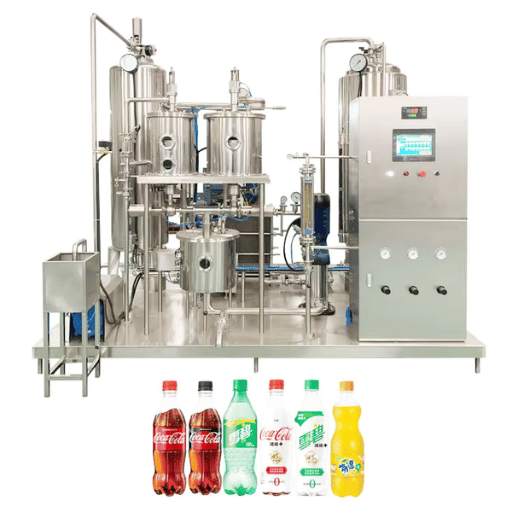
Carbonation is the process of carbon dioxide ($CO_{2}$) gas being dissolved into liquid under pressure to give effervescence. This is regulated by the chilling of the liquid to maximize $CO_{2}$ solubility before introducing the carbon dioxide under controlled pressure. The primary methods include natural carbonation (generated during fermentation) and forced carbonation (injected directly into the liquid). The carbonation process is highly precise, utilizing control of temperature and pressure across all batches to ensure consistent levels and sensory delight, dramatically enhancing the perception of freshness and flavor.
Methods of Carbonation
| Method | Process Description | Key Advantage |
|---|---|---|
| Natural Carbonation | $CO_{2}$ generated via yeast/bacteria fermentation of sugars. | Enhanced flavor complexity and craftsmanship. |
| Forced Carbonation | Direct injection of $CO_{2}$ into liquid under pressure. | High efficiency, volume, and precise control. |
Role of Carbon Dioxide in Fizz Quality
$CO_{2}$ impacts the character of fizz and the sensory attributes of a beverage such as mouthfeel, texture, and flavor release. The solubility of $CO_{2}$ at specific temperatures and pressures provides the right amount of carbonation that influences bubble size. Smaller, uniform bubbles are associated with high-touch sensory traits, contributing to a smoother mouthfeel and longer carbonation retention. Moreover, $CO_{2}$ interactions with other compounds cause flavor and aroma to spread and become more pronounced. Proper dissolution involves careful calibration and quality-control checks to satisfy customer expectations whilst abiding by legal standards.
Carbonation Systems and Their Efficiency
Efficient carbonation systems are designed to ensure maximum carbon dioxide utilization and minimum waste output while maintaining consistency. Primary factors include the fine-tuning of gas injection and maintaining process temperature with sophisticated monitoring techniques to ensure pressure maintenance. Through the use of energy-efficient carbonators and technologies like variable gas flow management and inline quality analysis, superior results are achieved. Such systems improve overall efficiency and support corporate sustainability objectives by saving on $CO_{2}$ and decreasing environmental impact.
Bottling and Packaging Techniques
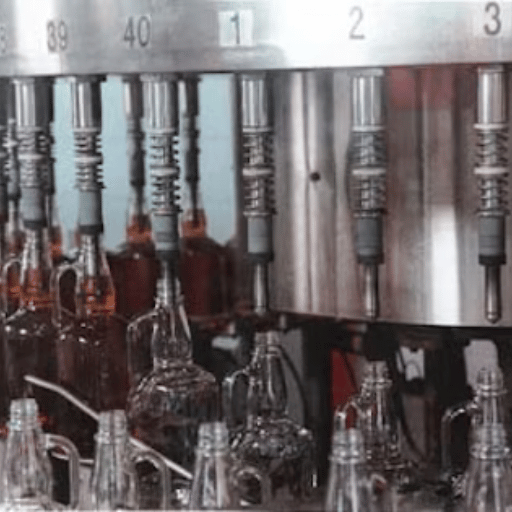
Packaging practices are designed to secure carbonation, increase shelf life, and maintain product integrity. These methods are common and include several technical advancements:
💡
Pro Tip
To minimize $CO_{2}$ loss, the filling process is usually conducted at cold temperatures, as gas is much more stable in chilled liquids.
- ✓
Seamless Sealing: Containers are immediately sealed after filling to prevent $CO_{2}$ escape and contamination. - ✓
Temperature Control: Utilizing cold-fill systems to keep gas within the beverage during the packaging phase. - ✓
Material Selection: Using aluminum, glass, and special plastics with minimum gas permeability. - ✓
Pressure-Resistant Design: Packaging designed to withstand internal carbonation pressure without deformation.
Types of Bottling Systems Used
The bottling solutions considered depend upon product type, distribution size, and sustainability goals:
- Glass Bottling Systems: High gas barrier properties, non-reactive, preserves taste and carbonation levels perfectly.
- Aluminum Canning Systems: Lightweight, highly recyclable, opaque to light/oxygen, and cost-effective.
- PET Plastic Bottling Systems: Polyethylene terephthalate (PET) is unbreakable and cheap; multilayer designs reduce permeability.
- Aseptic Bottling Systems: Common for juices and dairy; extends shelf life without compromising nutrition or sensory quality.
Innovations in Packaging Technology
Innovative packaging technologies have transformed the industry, prioritizing sustainability and consumer convenience. Advances like biodegradable materials, lightweight PET bottles, and tethered caps reduce environmental impact without compromising product integrity. Smart packaging through QR codes and NFC technology enhances customer engagement and supply chain transparency. Additionally, the use of oxygen scavengers and active packaging supports product shelf-life and quality for retail requirements, balancing ecological responsibility with operational efficiency.
Environmental Considerations in Beverage Packaging
⚠️ Important Note
The industry is shifting toward closed-loop recycling systems and plant-based alternatives to override the ecological burden of traditional plastics.
The beverage packaging sector is grappling with environmental concerns related to waste reduction, societal carbon emissions, and recyclability. Strategic approaches involve lightweighting materials, encouraging the use of renewable resources, and investing in closed-loop recycling. Newer initiatives explore biodegradable polymers and plant-based alternatives to traditional plastics. Broader cooperation across manufacturers and political leaders is necessary so that packaging solutions meet ecological standards and economic sustainability.
Reference Sources
- RCC Cola International: How to Find Your Target Audience – Overview of target markets for soft drink brands.
- Innova Market Insights: Trends in the Carbonate Beverage Consumer Base – Market trends and new product influences.
- Beverage Industry: Soft Drink Market Functionality and Health-Conscious – Shifts toward environment-friendly and functional offerings.
- EY Insights: Beverage Industry Trends – Growth, innovation, and obstacles in carbonated beverages.
Frequently Asked Questions (FAQs)
What is technology for production of carbonated drinks?
Carbonated soft drink production technology involves the procedures and machinery for the production of carbonated beverages, including carbonation, blending, filling, and packaging.
What equipment is used in the production of carbonated soft drinks?
Major equipment includes carbonators, mixers, syrup manufacturing tanks, filling machines, bottle capping machines (or canning equipment), and labeling machinery.
How is carbonation achieved in soft drinks?
By dissolving carbon dioxide into the liquid under pressure, leading to the formation of the fizz.
What are the key stages of the production process?
The usual procedure covers water treatment, syrup production, carbonation, mixing, filling, capping of filled containers, and packaging.
What beverages can also be produced from the technology?
The technology can be used to produce any carbonated beverages including sodas, soda water, energy drinks, flavored beverages, etc.

Candy
Articles: 37
Trending now