Get in touch with Victorystar

Orange Juice Production Line – Juice Processing Equipment

Contents
show
For the manufacture of quality orange juice, a highly elaborate set of modern technology, exact design and engineering and fine-tuning equipment in the factory in orange juice processing plants is required. In monitoring these juice processing lines, prime emphasis is laid on the efficient processing of the juice retaining its nutritional content, flavor, and freshness. Technical content on present-day equipment supports the juice-making process for orange juice unlike that of citrus juice thus bringing to focus the typical ingredients and their roles in the transformation of oranges to the glass that many of us enjoy. If you are an expert in the area of the fruit processing domain or are just interested in the science applied in the course of juice making, then follow this descriptive construct from the nature of the advanced equipment applied in revolutionizing the manufacture of orange juice with its juice extraction procedures, filtering, packaging, and everything to maintain the quality of the end product.
Introduction to Orange Juice Processing
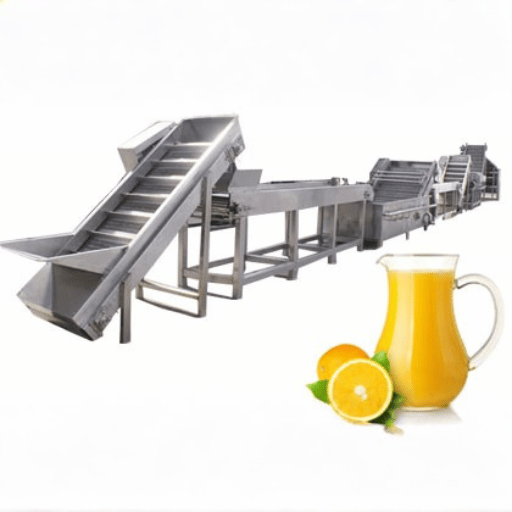
The orange juice processing procedure is a well-controlled process to produce similarly high-quality and safe juices. It begins with a selection of ripe, fresh oranges that require excellent washing to remove dirt or blemishes. With good washing, the oranges are fed to juice-extraction machinery that easily separates orange juice from the peel. This juice is then filtered from the pulp and other solids and pasteurized to eliminate bacteria that are hazardous to human health while ensuring product durability. Finally, the juice is distributed to the market where it is packaged in sterile containers filled with nitrogen gas to retain freshness and remains stored until conditions are optimal for distribution. This extensive and essential processing gives high flavor, protection, and nutritional value to the juice.
Overview of Juice Processing Plant
The juice-producing plant is an efficient mechanism specially designed to secure optimal yields while adhering to certain quality standards. This generally involves a number of key stages including the reception of raw materials where the fruits are examined and washed and then taken to the extraction stage with the best machinery available that helps in juice separation from the solid waste. Knowledgeable technicians guarantee the use of extremely fine filters which sift out any particulate that may be unwanted while still allowing juice through for pasteurization. This extreme heat treatment gets rid of bacteria, so the juice can be stored safely for a while. Packaging, on the other hand, is done in a completely sterilized environment to prevent any kind of contamination whilst controlled humidity levels and low temperature during storage are maintained. It functions as the comprehensive solution for meeting the demands of industrial safety, accuracy, and efficiency for the production of juice.
Importance of Quality in Orange Juice Production
Key Quality Factors
Good-quality orange juice production holds an essential place in ensuring consumer safety, sustaining nutritional value, and assuring conformity to the prevailing rules and regulations. Quality-oriented procedures minimize variations in taste, appearance and texture, thus adding to the dependability of the product including enhanced market value.
From the constant monitoring of the juice’s acidity, sugar content, and the presence of microbes as established through quality control, sensory attributes and shelf life are positioned quite safely. Therefore, in case the juice should not comply with these standards, the producer will not only be subject to all procedures of the law but also ensures the creation of a harmonious rapport with the end consumer by ensuring that these standards guarantee the very crucial compliance.
Current Trends in Citrus Processing
To ensure efficiency and sustainability, the citrus processing industry is increasingly making use of innovative technologies. Highly railwayed are the cold extraction methods as they do not only keep the nutrient level high but also maintain the natural flavor intact. Further improvements have come by way of new technologies such as enzymatic treatments and membrane filtration, which both help in furthering juice clarity and curtailing waste.
💡 Industry Innovation Highlights
- Automation in processes and IoT monitoring for precise control
- Zero waste commitment through by-product utilization
- Converting peels into essential oils and animal feed
- Sustainability-focused environmental practices
Fruit Selection and Quality Control
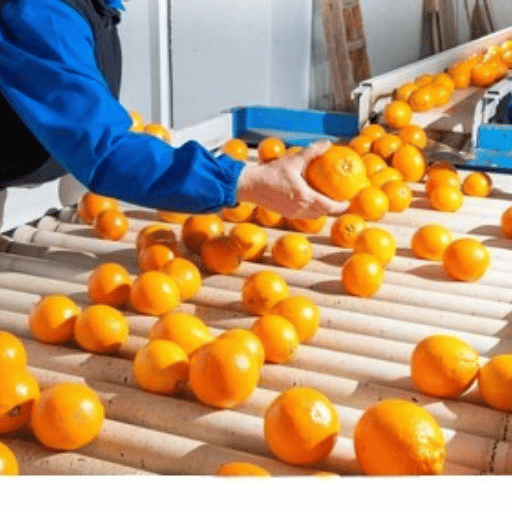
When farming sweet oranges, citrus fruit selection and quality control are essential steps so that the end product is ensured for quality. Oranges are far small and ready for eating based on color, size, blemishes, and decay. Only fruits that meet certain criteria are used for making juices. Is measures of quality control are inspections and laboratories that control the sugar content, acidity levels, and overall quality of the oranges. It is very important to maintain the constancy, taste, and nutritional values required for any given commodities through the day of production using these controls.
Choosing the Right Oranges for Juice Production
Picking oranges for juice production calls forth a certain methodical approach to get the flavor, yield, and quality at optimum. Oranges with a well-balanced sugar-to-acid ratio, sharp color, and high juice content are favored under industry norms. And, any fruit that shows visible defects, disease, or ripeness inconsistency is immediately disqualified. Tests are run in the laboratory to make sure selected oranges fall within production specifications through citric acid analysis and Brix measurements. This guarantees a consistent premium juice product.
Sorting and Grading Techniques
The orange industry employs certain grading and sorting methods so that they can rely on a mix of machine and manual labor-based set of operations lending uniformity and good quality. The processes start from image analysis at the first step to affirm size, shape, and color. Fruits with blemishes, irregular ripeness of the less-than-satisfactory size are identified by the machines and taken off the line. A manual round is also then provided to check for more refinement pointing to quality, which is usually exact enough to be identified manually. The grading is needed to bring the now-sorted fruits measures in tune with the international or regional system, which is generally suggestive of either the fresh consumer or for further processing in the form of juice to name a few. Through these exacting methods, the supply chain holds the status quo and mandates no less than perfect fruits fed into imminent stages.
Impact of Fruit Quality on Juice Flavor
Quality Impact: The quality of the fruit has a direct bearing on the flavor profile and consistency of juice products. High-quality fruits with the proper sugar content (Brix), pH-acidity balance, and an absence of defects result in juice with a strong, natural flavor that the consumer finds appealing. Conversely, poor fruits with low Brix content, off-flavor, or any contamination issues can result in varying unpleasant taste tones that compromise the overall sensory experience. This makes it critically necessary to talk about fruit quality as a form of ensuring uniform flavors and to maintain the product standards in the fiercely competitive world of juice markets.
Juicing Equipment and Technology
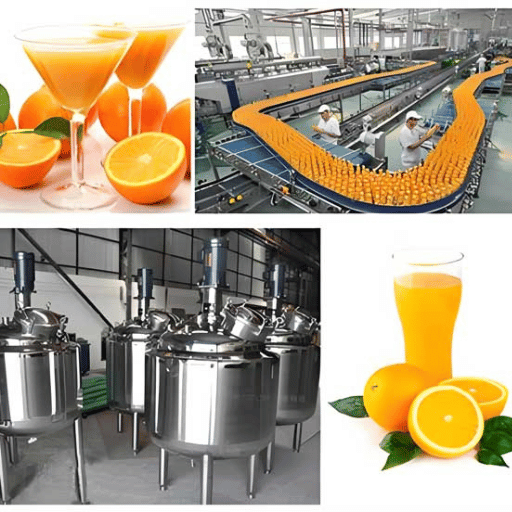
Modern juicing equipment is designed in such a way that their goal is a judicious extraction of yield while preserving maximum benefit concerning energy and juice quality. The most common machinery includes industrially designated extractors that are meant for separating out the juice from pulp and likewise to pass through a pasteurization treatment tasked for increasing the shelf life by destroying pathogenic microbes. Centrifugal juicers and cold-press systems are probably the most common technology and, therefore, cold pressing is considered more often because one can extract juice that is richer in terms of efficacy and natural taste. These systems are auto-immediately controlled, and herein lays the trick-a requirement for very close controls to ensure precise processing of conditions maintained consistently, thereby yielding juices every time while reducing wastefulness.
Types of Juicing Machinery
| Juicing Type | Description | Key Features |
|---|---|---|
| Centrifugal Juicers | High-speed blade extraction using centrifugal force | Fast processing, suitable for high-volume operations, may generate heat |
| Cold Press Juicers | Masticating juicers that crush produce | Retains nutrients and enzymes, superior quality, slower process |
| Hydraulic Press Juicers | Uses pressure from heavy plates for extraction | Maximum yield, ideal for large-scale production |
| Twin-Gear Juicers | Twin gears grind produce into fine pulp | Excellent for leafy greens, requires more maintenance |
| Single Auger Systems | Heavy-duty augers for dense fruits and vegetables | High juice quality, energy efficient, quiet operation |
Belt Press vs. Traditional Juicers
✓ Belt Press Systems
- Continuous mechanical pressing
- Ideal for commercial applications
- Higher juice yield
- Efficient pulp separation
- Preferred for industrial-scale production
○ Traditional Juicers
- Centrifugal and masticating types
- Suitable for smaller operations
- More versatile for various produce
- Lower juice yield
- Slower for large quantities
Innovations in Juicing Technology
🚀 Recent Technological Advancements
- Automated Control Systems: Measure pressure and optimize extraction for maximum efficiency
- High Pressure Processing (HPP): Extended shelf life without heat, preserving taste and freshness
- Advanced Filtration Methods: Ultrafiltration membranes for clearer juice with better viscosity
- Result: Superior operational performance meeting demands for high-quality, nutritious juices
Extraction and Processing Solutions
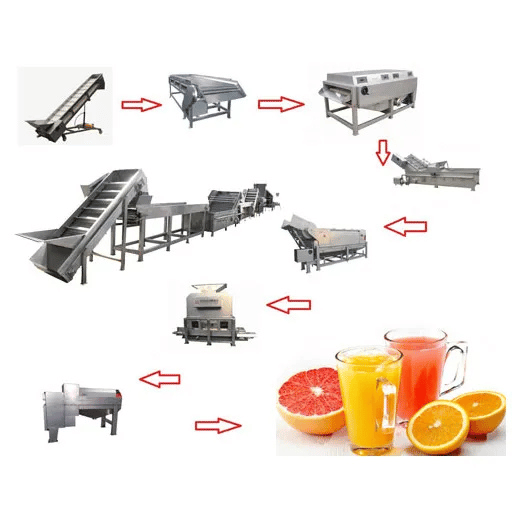
When it comes to extraction and processing solutions, the high yield of product, the preservation of nutritional integrity, and a high degree of operations needs for prudent consideration. The cold press process leads the way in this regard in garanting good quality juice without packing all the vitamins and enzymes. For the larger operation, the belt Press systems come into play, giving a high rate of efficiency with the continuous flow in extraction rate. The integration with filtration systems also helps efficiently to clear away larger solid particles, ensuring a more attractive final product. The investment in automation improves the perspective of any number of configurations that minimize inadequacies in the final operation. This means not only an accurate deduction but also less labor cost and a decrease in waste reduction, thereby effectively simplifying the final production ingegration process.
Methods of Juice Extraction
- Mechanical Pressing: Implements hydraulic or pneumatic systems to exert pressure on materials, separating juice from pulp
- Centrifugal Extraction: Uses high-speed rotation to provide centrifugal force for separating juice from solids, ideal for high-yield operations
- Cold Pressing: Slow, meticulous process with minimal heat exposure, ensuring flavors, nutrients, and enzymes remain intact
Selection Criteria: The choice of method depends on yields needed, type of products required, and scale of production, with efficiency and quality as primary considerations.
Understanding Juice Processing Lines
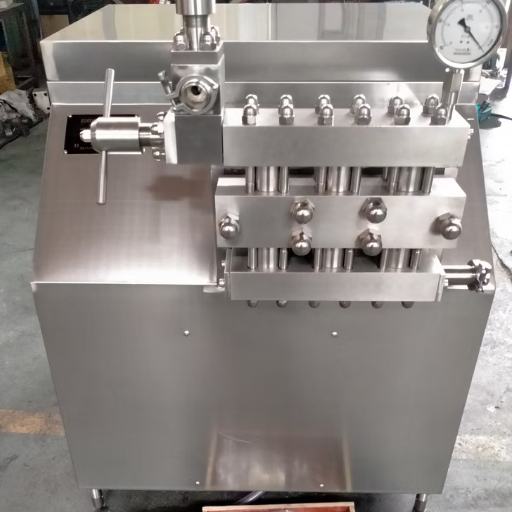
The juice processing line is a very complex system designed to manage both the high yield and high quality of juice products while ensuring efficiency and scalability. Its primary components could typically include washing units, extractors (for example, crushers, presses, or centrifugal separators), pasteurizers for microbiological stability, and screening systems for clarity or texture as desired, among other things. Various additional steps, such as homogenization and cooling, can be incorporated depending on the product requirements. Modern systems often implement automation technologies to enhance precision, reduce losses, and enhance uniformity, making them both vital for large scale commercial juice processing industry. Proper alignment between machine capabilities and the specific demands of varieties of juice is essential in order to be operational.
Pasteurization and Sterilization Practices
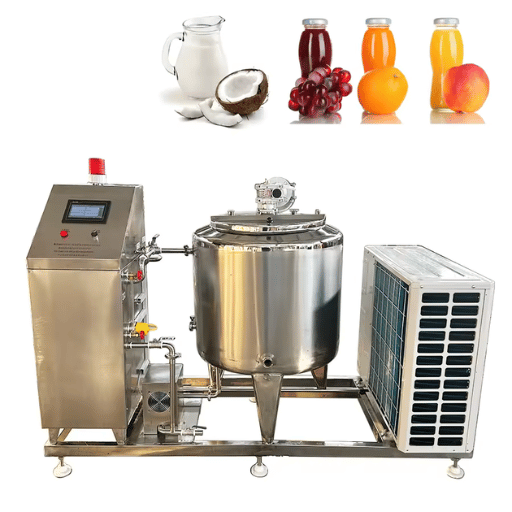
The Role of Aseptic Processing in Juice Quality
Aseptic processing is crucial in juice preservation as it eliminates microbial contamination by maintaining the sensor and nutritional proprieties intact. It is done by celebrating sterilization of product and packaging separately and increased shelf life for the juice without adding preservatives. During filling and sealing, the juice simulator will also be kept within a sterile environment to protect the germs from the environment and keep its natural artisan flavor and color unchanged. Thus, it helps contain the essential vitamins and nutrients. The temperature profiles set above for aseptic procedures are specifically engineered to optimize the preservation of product qualities so they become a necessary base procedure for efficient manufacture into large-scale juice plants.
Importance of Pasteurization in Orange Juice
Critical Benefits of Pasteurization
- Maintains microbiological safety while preserving nutritive and sensory properties
- Inactivates pathogens like Salmonella and Escherichia coli
- Extends shelf life compared to spoilage from microbial activity
- Balances safety with maintaining natural flavor, color, and vitamin content
- Essential for regulatory compliance and consumer trust
Different Sterilization Methods
| Method | Process | Application |
|---|---|---|
| Pasteurization | 160°F – 212°F (71°C – 100°C) for set period | Kills harmful microorganisms while preserving nutrients and flavor |
| Sterilization | 250°F (121°C) and above | Complete microbial destruction for longer shelf life products |
| Ultra-High Temperature (UHT) | Extreme heat for minimal time | Rapid microbial destruction with minimal food integrity impact |
| High-Pressure Processing (HPP) | Non-thermal pressure application | Eliminates microorganisms while maintaining nutrients and sensory attributes |
| Ionizing Radiation | Radiation exposure | Suppresses microbial contamination in exposed products |
| Filtration Methods | Physical removal of contaminants | Removes harmful pollutants without thermal treatment |
Balancing Safety and Quality in Juice Production
Critical Balance: To balance safety and quality, the challenge within juice production is the setting up of interventions that are capable of efficiently removing the microbial risk, with no marked effect on the food and beverage value of the product. Sophisticated known technologies like HPP and pasteurization provide high microbial control, but their application has to be regulated in relation to protecting nutrients in the juice. Compliance with regulatory standards along with sensory and quality evaluations is important in ensuring that a food is fit for human consumption and maintains the expected consumer experience. In the end, work undertaken by house market actors to apply a process-driven optimization approach would enable the manufacturer to achieve the safety and quality objectives.
Packaging and Filling Solutions
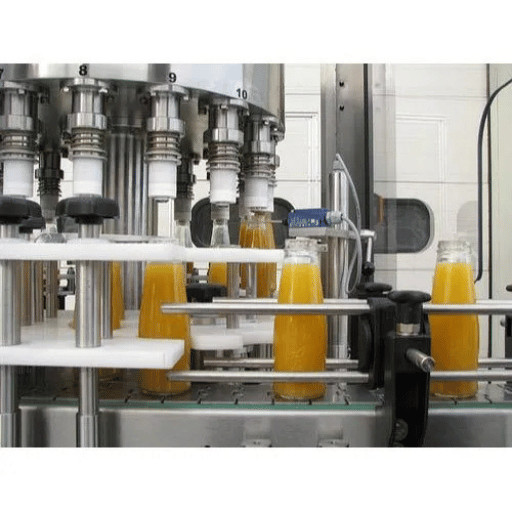
Efficient packaging and filling processes are critical for preserving juice quality and ensuring product safety. Aseptic filling is used most frequently to prevent contamination by filling sterilized juice into sterilized packages under sterile environmental conditions. With the help of this methodology, aseptic fliing due to the absence of disallowed substances can result in a relevantly longer shelf life without the need for any artificial preservatives or refrigerated storage. Alternatively, hot fill methods only involve the juice being filled at a hot temperature that gives rise to enough heat in order to sterilize the container and the product; it is undoubtedly a fast and efficient solution. Packaging materials include multilayer Tetra Pak and PET bottles specifically designed to form a barrier against light, oxygen, and moisture, ensuring the nutritional value and freshness remains intact. Hence, during the filling process, the original packaging equipment may go off in certain directions to improve even, a clean waste minimization and consistency across batches. Collectively, these are the measures taken to ensure that juice products not only meet industry standards but also address consumer expectations.
Overview of Packaging Options for Orange Juice
Typically, varied packaging materials help conserve orange juice’s freshness, flavor, and nutrient content. Packaging media includes:
| Package Type | Material Composition | Key Benefits | Considerations |
|---|---|---|---|
| Aseptic Cartons | Multiple layers of paperboard, metal, and plastic | Sterile environment, excludes light/oxygen/moisture, no refrigeration needed | Excellent shelf stability |
| PET Bottles | Polyethylene terephthalate (PET) | Transparent, product visibility, easily recyclable, sustainability-focused | Protects from contaminants |
| Glass Bottles | Glass | Non-reactive, recyclable, excellent barrier to oxygen/water, premium quality | Heavier weight, higher cost |
| Aluminum Cans | Aluminum | Excellent barrier to light/air, durable, ideal for long-term storage | Less common for premium products |
Selection Factors: Each option entails a mix of production cost, effect on the environment, and shelf life, enabling manufacturers to choose in view of product need and market positioning.
Filling Machines and Their Role in Juice Production
Key Functions of Filling Machines
Filling machines are important for maintaining the efficiency, accuracy, and hygiene in the processes of the juice manufacturing world. They ensure that the product is produced accurately, thus helping to minimize waste and thereby provide the maximum production output for each corresponding raw material that is fed in.
- Operate in sanitized conditions to retain quality and safety
- Equipped with automation and control systems
- Enhance speed of operation while decreasing labor costs
- Ensure cost-effectiveness, product consistency, and regulatory compliance
Trends in Sustainable Packaging Practices
♻️ Emerging Sustainability Trends
The transformation towards sustainable packaging has been propelled by rising regulatory pressure, consumer demands for eco-friendly products, and the urgency for lowering the environmental impact.
✓ Biodegradable Materials
Use of biodegradable and compostable materials for reduced environmental impact
✓ Lightweight Design
Transition to lightweight packaging for reduced material usage
✓ Recycled Materials
Incorporation of recycled materials in packaging designs
✓ Mono-Material Packaging
Introduction of mono-material for easier recycling processes
✓ Smart Packaging
Supply-chain visibility enhancements and waste reduction through technology
Impact: These practices address sustainability while enhancing brand reputation and market competitiveness in an intensely evolving industry landscape.
Reference Sources
📚 Michigan State University – Orange Juice Market
Contains an analysis of sales and consumption trends depicting orange juice as the most popular juice with approximately 75% household penetration.
📚 Ignition – Go-to-Market Strategy for the Juice
Details the juice market, with a special shout-out to fruit juice as the largest segment and its greater appeal to health-conscious consumers.
📚 Intel Market Research – Orange Juice Market Outlook 2025-2032
Focus on the global world of the orange juice market; provide regional market share statistics and growth forecasts.
Frequently Asked Questions (FAQs)
What kind of equipment does an orange juice processing line come with?
The orange juice processing line typically comprises washers, peel extractors, crushers, juice extractors, pasteurizers, homogenizers, and packaging machinery.
Can this processing line handle some other citrus fruits?
Yes, many processing lines have the capability to process multiple citrus fruits provided that slight adjustments are made for lemons, limes, or grapefruit.
How does orange juice processing equipment get certified?
A certificate based on ISO, CE, FDA accountability, quality, and safety standards is important as a crystal ball.
What kind of maintenance does the equipment need?
Regular cleaning, lubrication, and preventive check-ups are necessary to maintain the equipment’s efficiency and hence its longevity.
Fast processing for organic orange juice – Is this an option for the equipment?
In many processing facilities, machinery and processing lines are configured for organic work under the strict food safety regulations and quality standards.
🍊 Conclusion
The orange juice production line represents a sophisticated integration of advanced technology, precise engineering, and quality control measures. From fruit selection to final packaging, each stage plays a crucial role in delivering safe, nutritious, and flavorful juice to consumers worldwide. As the industry continues to evolve with innovations in processing technology and sustainable practices, manufacturers are better equipped to meet growing consumer demands while maintaining the highest standards of quality and safety.

Candy
Articles: 37
Trending now