Get in touch with Victorystar

The Ultimate Guide to Ultra-clean Milk Filling Machine

Contents
show
The rapid evolution of the dairy industry is taking place, and one of the leading factors in this progress is the use of modern technology. One of the innovations delivered by this technology, ultra-clean milk filling machines, has been a game-changer in this sector by guaranteeing the packaging of milk to comply with the highest hygiene, efficiency, and precision standards. No matter if you are a producer wanting to modernize your business or just want to know what is new in dairy processing, the comprehension of these machines’ significance will give you an advantage over your competitors. The following guide takes you to the heart of the ultra-clean milk filling machine world by revealing all their features, benefits, and mandatory reasons for existence in today’s markets. Technology is transforming the dairy industry and it is time to find out how.
Understanding Ultra-clean Milk Filling
Definition of Ultra-clean Filling
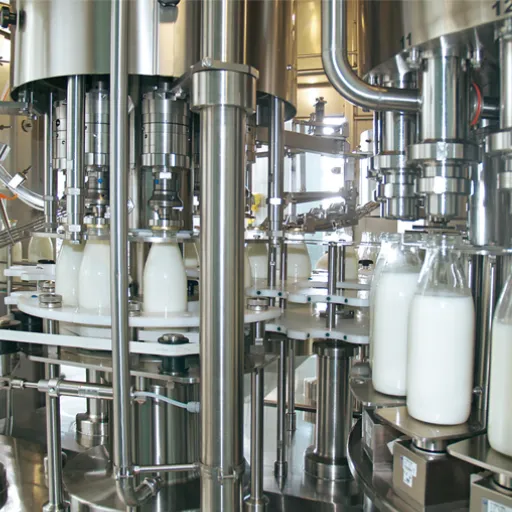
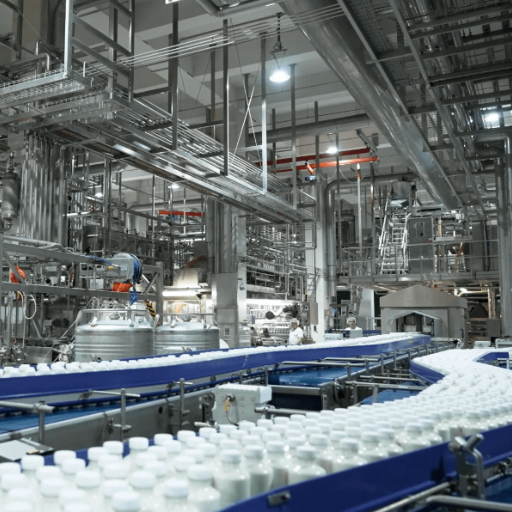
Ultra-clean filling is the term used for a process that packaging the dairy and other clean products in an area where the contamination risk is very low. The whole system is executed with the help of modern machines which are built to deliver the highest standard in hygiene and safety for the product. The ultra-clean filling not only prevents the spread of harmful bacteria but also prolongs the life of dairy products by cutting down on preservatives. According to recent studies, the process has been favored by the consumers who consider food safety and quality as a top priority. Hence, dipping the manufacturers into the stricter regulations helps them to secure the production all the more consistent with the ones that the consumers expect.
Importance of Ultra-clean Processing
The primary process for the safety and quality of dairy products and other similar industries is the ultra-clean processing which is nearly the same as a customer-preferred method. Lately, it has been noted by the global population, especially in the case of dairy products, that there is an interest around food-related diseases that has driven the demand for safer ways of food production. The ultra-clean processing, by reducing the contamination risk to almost 100%, at the same time, is able to hold on to the original flavor, nutrition, and freshness of the products, without heavy dependence on artificial preservatives. Hence, the ultra-clean processing is the more natural choice for the consumers and also compliant with the regulators. So, the adoption of ultra-clean technologies is, on the one hand, a necessity and, on the other hand, a competitive advantage for manufacturers that want to keep up with the market and build consumer trust.
Key Principles of Hygiene in Milk Filling
The establishment of proper hygiene throughout the whole process of milk filling is a must for the good and safe product, quality and trust from consumers. Major points embrace the employment of aseptic methods, cleanliness of machines and personnel to the tops of their standards, and the presence of a specific atmosphere to make the contamination difficult. The system must use machines built with easy-to-clean materials and having no access to bacteria. Also, the workers undergo hygiene training, which is quite comprehensive, that insists on the personal protective equipment (PPE) and sanitation equipment usage plus the rules.
It has been noticed through the latest data and insights that the safety of dairy products is one of the most important points on consumers’ lists and the global alerts on foodborne illnesses increase concerns among them even more. Hence, it is not only that milk manufacturers should take the hygiene standards to the highest level but also they should embrace the use of advanced technologies like CIP (Cleaning in Place) systems and HEPA-filtered air systems in the dairy sector. These strategies not only serve to protect the products but also sound a very clear message to the consumers that they are the company’s first priority concerning their health and well-being.
Types of Milk Filling Machines
Aseptic Filling Machines
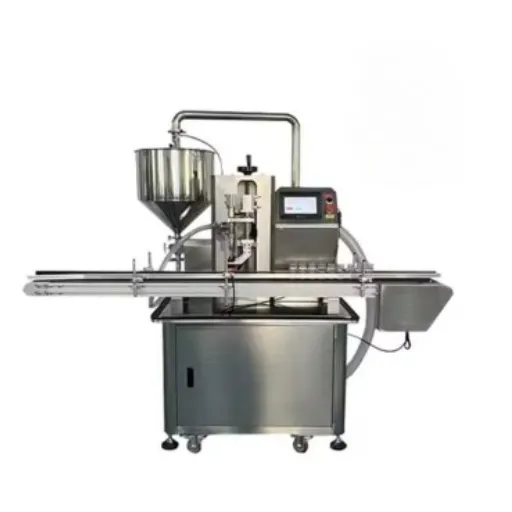
Aseptic filling machines are the ones maintaining sterilization throughout the whole packaging process of milk, and thus, the end product is free of any microorganisms. They employ the most sophisticated techniques like sterilized chambers, UV-light disinfection, and HEPA filters. Such machines are a must for extending the shelf life of the products without the use of any preservatives. Recent search patterns indicate that consumers are rather worried about the reliability and efficiency of aseptic filling systems. The answer to that question lies in their capacity to produce a hygienic environment while at the same time being very productive. Furthermore, the implementation of automated systems reduces human interaction and, consequently, the possibility of contamination. This also makes it easier to conform to strict food safety rules. That is why it can be drawn that the aseptic filling machines are the best option for the manufacturers who want to please both the authorities and the consumers.
Fully Automatic Milk Filling Machines
Fully automatic milk filling machines are the most effective and precise means of packaging in modern production lines. These machines keep up with the futuristic technology and thus, combine the processes of automation making it accuracy, hygiene, and speed. One of the main advantages of these machines is the capacity to preserve product integrity by applying advanced aseptic methods. Thus, milk and milk products can have a longer shelf-life without loss of quality.
Moreover, the fully automatic systems are purposely designed to achieve the maximum possible utilization of the resources available to them, consequently, manufacturers have less waste and lower operational costs. They comply with the highest safety and quality standards and so they are in line with consumers who demand safe and sustainably packaged products. These machines, while requiring very little human intervention, do not pose a risk of contamination at all, thus, they are a very important resource for the dairy producers who are keen on expanding their operations while at the same time complying with strict regulatory standards.
Semi-Automatic Milk Filling Machines
Semi-automatic milk filling machines offer a flexible solution for dairy producers taking into consideration both factors, efficiency and cost. Recent searches and other information regarding their advantages reveal that these machines provide a perfect combination between automation and manual processing making them suitable for small and medium-sized operations. They offer advanced filling technology, which leads to very accurate measurement, thereby reducing product loss and improving homogeneity. Additionally, these devices are well-known to be very friendly in terms of user interface and maintenance which makes them also very user-friendly even for less technically skilled businesses. The ongoing trend of hygienic and efficient production methods is likely to keep semi-automatic milk filling machines in demand in the dairy industry.
📊 Machine Type Comparison
| Machine Type | Best For | Key Features |
|---|---|---|
| Aseptic | Extended shelf life products | UV sterilization, HEPA filters, sterile chambers |
| Fully Automatic | Large-scale operations | High efficiency, minimal human contact, automated processes |
| Semi-Automatic | Small to medium operations | Cost-effective, flexible, user-friendly interface |
The Filling Process
Steps in the Milk Filling Process
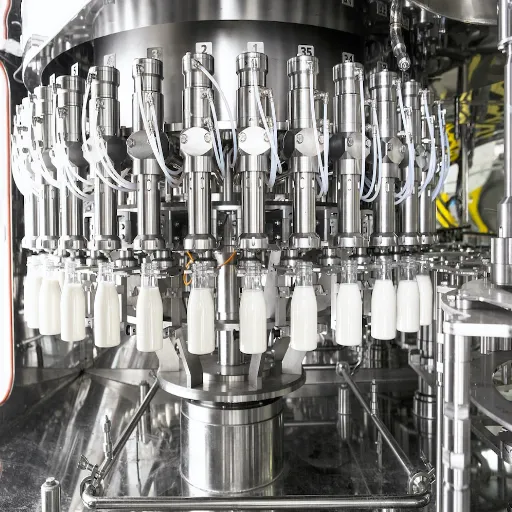
- Preparation of Containers
Initially, containers like bottles or pouches are thoroughly cleaned and kept ready for the hygienic treatment to be applied thereafter. This step helps avoid any contamination at all just in case during the filling process take place. - Positioning and Alignment
Correctly placing and adjusting the containers on the conveyor or filling station is very important to ensure that the filling operation will be accurate and smooth. - Milk Dispensing
The semi-automatic machine equipped with new dispensing technology accurately determines through measurement the amount of milk required and then supplies it to the containers without loss or overrun. This step cuts down on the waste incurred and also assures the same amount of product each time. - Sealing
Once the containers are filled, sealing is done by capping or heat-sealing processes in order to keep the product fresh and also to eliminate leakages. - Inspection and Quality Check
With proper sealing and filling of the containers, a thorough quality check is done. This step is very important as it assures that the products not only comply with the industry standards but are also in line with the consumer’s expectations. - Labeling and Packaging
At last, the containers that have been filled and sealed are provided with labels and then packed. They are now ready for transportation and distribution to the markets or customers.
The systematic steps followed by semi-automatic milk filling machines not only preserve the quality and safety of the product, but they also speed up the production process, making the whole process more efficient.
Maintaining the Filling Level
It is necessary to keep the filling level in semi-automatic milk filling machines which is very important for the consistency of the product, quality and satisfaction of the customer. The process that involves regular calibration of machine sensors to precisely measure and dispense the right amount of milk into each container. To make this a success, operators have to regularly check and clean the parts of the machine, such as nozzles and flow control systems, so that blockage or inaccuracy caused by buildup of residue does not happen.
💡 Industry Insight: Modern semi-automatic filling machines often have liquid level sensors and programmable logic controllers (PLCs) as part of their setup. These advanced technologies enable precise adjustments and real-time monitoring of the filling process. Consistent maintenance coupled with adopting innovative technologies has significantly reduced production errors by up to 25% in many manufacturing facilities.
Hot Filling vs. Cold Filling
The main determinants of the method selection between hot filling and cold filling are product type, packaging material, and shelf life. Hot filling is a method that disposes of the acid products such as juices, sauces, and some drinks through the total sterilization of the product and the container with the help of the high-temperature treatment. Hence, the product gets its shelf life increased and the whole process becomes easier for preservation. On the contrary, cold filling is to be always preferred in the case of dairy, soft drinks, and cold-pressed juices for the taste and nutrition retention. Cold filling could be a more expensive option in terms of storage, but it creates a more refreshing product profile in the end.
Ultimately, the manufacturers have the great advantage of combining the latest technologies with the filling method most appropriate for their product category. Furthermore, real-time monitoring systems together with the best practices will not only be an extra measure for the companies but also lead to more efficient processes, and hence, greater quality and eco-friendliness.
| Filling Method | Best Applications | Key Benefits | Considerations |
|---|---|---|---|
| Hot Filling | Juices, sauces, acidic beverages | Complete sterilization, extended shelf life | High temperature treatment required |
| Cold Filling | Dairy, soft drinks, cold-pressed juices | Preserves taste and nutrition, fresher profile | Requires refrigerated storage |
Benefits of Ultra-clean Milk Filling Technology

Extended Shelf Life
The ultra-clean milk filling technology significantly contributes to the greatly increased shelf life of milk products. The sterile conditions during the entire filling process this method keeps, thereby the contamination risks are kept to a minimum, which means that milk can stay fresher for a longer time without using preservatives. Ultra-clean filling ensures that milk keeps its nutritional contents and taste while cutting down on food waste and at the same time catering to the demand of consumers for high-quality and longer-lasting dairy products.
Improved Safety & Quality
Ultra-clean filling technology does not only extend shelf life but it also plays an important role in enhancing product safety and quality. This technique minimizes the contamination risk by providing a sterile packaging atmosphere and thus, improves the product’s whole integrity. Ultra-clean filling tackles these challenges by providing a solution that guarantees milk being treated and packed in the most hygienic conditions possible. This directly meets the need for safer and higher quality dairy products, fulfilling consumers’ expectations and at the same time setting the bar for quality and excellence.
Regulatory Compliance
The compliance with regulations in the dairy industry is a very important factor for the safety and quality of products, and it helps to assure the consumers that the milk and other dairy products they are buying are all of the strictest health standards. This is why the companies have to follow the regulations that are in place such as the pasteurization of the milk product, proper labeling of nutritional content, and maintenance of strict contamination control measures during the production process. The use of ultra-clean filling techniques makes not only the dairy industry legally compliant but also helps in winning the trust of consumers.
Applications of Milk Filling Machines
Types of Milk and Dairy Products
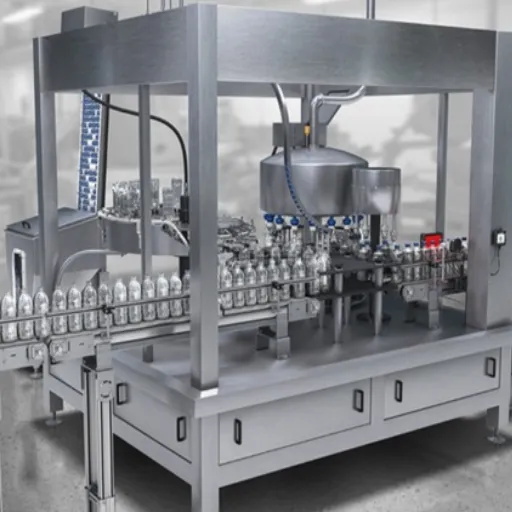
Milk filling machines are feeders that possess the capability of taking care of a wide range of products, what is more, the packaging operation will not be interrupted and will be done perfectly. Among the most processed types of milk and dairy products are whole milk, skimmed milk, flavored milk, and alternatives from plants such as almond or oat milk. Furthermore, these machines are also forbearers of the other dairy make-offs in such a way as yogurt, cream, buttermilk, and cheese-based drinks.
🌱 Market Trends
Consumer preference for plant-based milk options has not only gained significant attention but also led to an increase in awareness among lactose intolerant people and those who follow a vegan lifestyle. To put it differently, whole milk and yogurt are still among the highly searched items simply for their nutritional qualities. This situation clearly displays divided consumer preferences between traditional dairy and contemporary alternatives along with the importance of flexible equipment that can not only produce but also satisfy this diverse market demand.
Industry Use Cases
Manufacturers have to adapt to produce machines that are versatile and can cater to both types of products. For instance, top milk producers are investing in technology for processing nut, soy, and oat milk production along with cow milk, thus making sure that they are catering to consumers who are health-conscious and environmentally friendly. The production machines are equipped with components that are modular and this allows the producers to easily switch from one product type to the other, thus downtime is minimized and productivity is increased. The search patterns of consumers indicate that there is a very important need for the industries to be progressive and to provide solutions that satisfy both the traditional and the modern dietary preferences.
Future Trends in Milk Filling Technology
Milk filling technology has seen the emergence of one of the trends in the form of smart systems and AI application for waste reduction and precision improvement. The shifts in consumer demands are quite fast and there is a notable increase in the interest around plant-based milk substitutes like almond, oat, and soy milk. Therefore, more and more companies are turning to flexible filling systems which have the capability of handling various viscosities and packaging styles. Additionally, the environment continues to be a major issue and the modern installations are cutting down power consumption while working with recyclable or compostable materials. Moreover, the application of AI-supported predictive maintenance assures that there will be no downtime which is in line with the industry’s aim of providing the fast-changing consumer needs in a sustainable and responsible way. In conclusion, these technologies together with the real-time market data will allow us to visualize a future where milk filling technology is adaptable, green, and customer-oriented.
🚀 Key Future Technology Trends
- ✓ Smart systems and AI-driven processes
- ✓ Flexible filling systems for various viscosities
- ✓ Energy-efficient and sustainable operations
- ✓ Recyclable and compostable packaging materials
- ✓ AI-enabled predictive maintenance systems
Frequently Asked Questions
📚 Reference Sources
1. Packaging and the Shelf Life of Yogurt – Academia.edu
This document discusses the use of ultra-clean fillers in dairy operations, including form-fill-seal equipment.
2. Development and Validation of an Integrated Microfiltration and Ultra-Clean Packaging System – SSRN
Explores the integration of ultra-clean packaging systems for high-quality beverages, which is relevant to milk filling machines.
3. Isolation of Lactobacillus Wasatchii from Aged Cheddar Cheese – Weber State University Ergo Journal
While focused on microbial studies, this paper provides insights into ultra-clean processes in dairy production.
Conclusion
Ultra-clean milk filling machines represent a significant advancement in dairy processing technology, offering manufacturers the perfect combination of hygiene, efficiency, and precision. As consumer demands for safer, higher-quality products continue to grow, and regulatory standards become increasingly stringent, the adoption of these advanced filling systems is no longer optional but essential for success in the modern dairy industry. Whether you’re operating a large-scale production facility or a small to medium-sized operation, understanding the various types of filling machines, their applications, and the benefits they provide will help you make informed decisions that enhance your competitive position in the market. The future of dairy processing is here, and ultra-clean milk filling technology is leading the way toward a safer, more efficient, and more sustainable industry.

GW
Articles: 39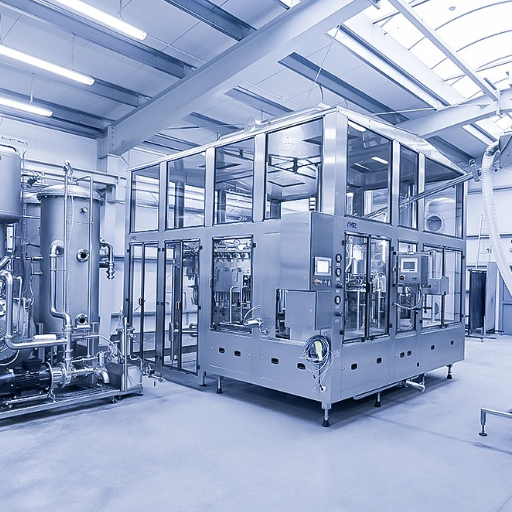
Trending now