Get in touch with Victorystar

Pineapple Juice Processing Line for Fruit Juice Production

Contents
show
A Comprehensive Guide to Modern Pineapple Juice Manufacturing
Pineapple juice remains a staple in the fruit juice industry because of its vibrant flavor, nutrition, and various applications. Since demand for better-quality juice is growing and efficiency and sustainability must still be preserved, the best improvement a pineapple juice manufacturer can make is possibly a well-optimized pineapple juice processing line. This comprehensive guide breaks down the core components, processes, and technologies employed in modern pineapple juice production lines, highlighting best practices and innovative measures that bring improvements to product quality and operational productivity.
Introduction to Pineapple Juice Processing
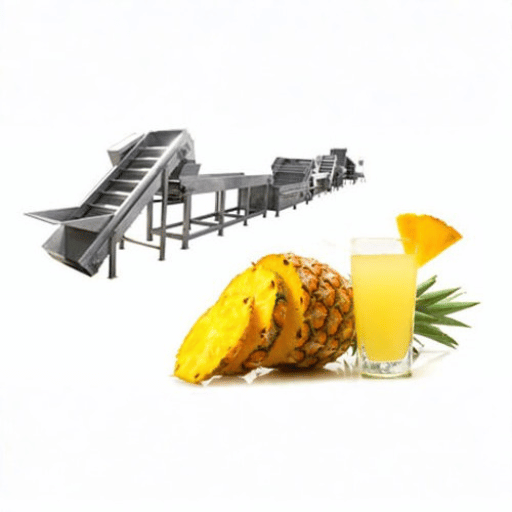
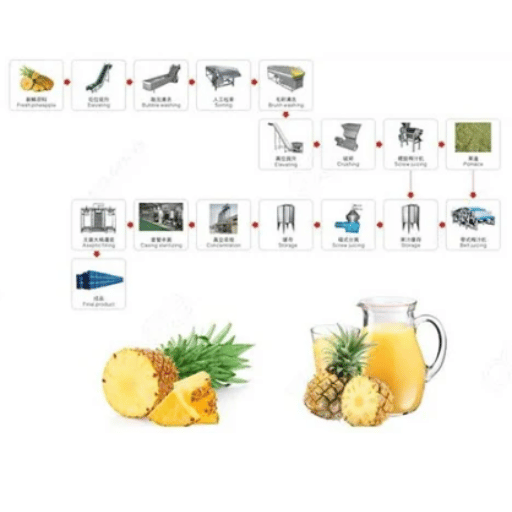
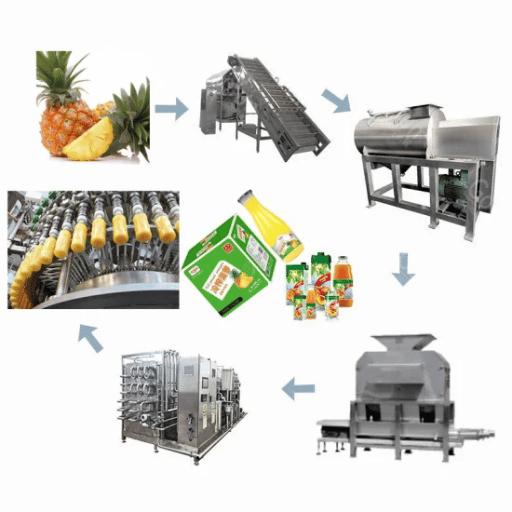
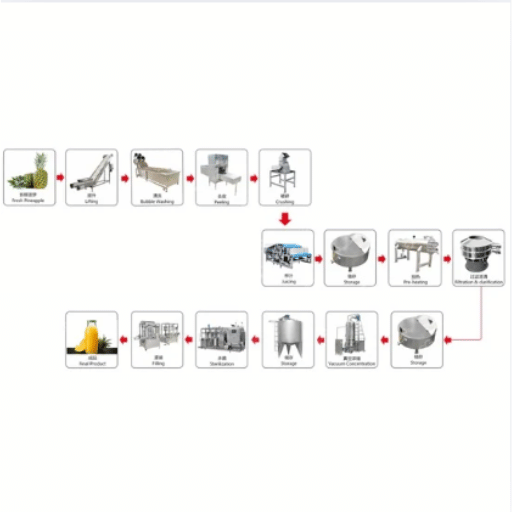
Pineapple juice processing encompasses several steps with well-defined objectives in order to obtain the juice of the highest quality while maintaining efficiency and food safety. The whole process begins with the collection of ripe pineapples that are thoroughly washed to remove impurities. The pineapples are then skinned and cored to be processed into fresh juice. Specialized devices are used to recover juice from the pulp, with the maximum desired yield and minimal wasted juice. Once the juice has been extracted, it is filtered for solids, then pasteurized, killing microbes that could make the juice potentially unsafe while extending shelf life. Then packaged in sterile containers that meet sanitary standards, the juice is now ready for sale and consumption. This process ensures juice with the most consistent high quality that meets consumer expectations and legal requirements at every stage.
Overview of Pineapple Juice Production
The production of pineapple juice is meticulous work with an emphasis on maximum efficiency while meeting all strict safety and quality regulations. Various key elements are of primary importance, comprising the careful selection of high-quality ripe pineapples, improved mechanical juice extraction systems, and the strict implementation of filtration and pasteurization techniques. State-of-the-art manufacturing advances are leveraged for waste minimization while ensuring consistency in product characteristics. Extensive attention to hygiene in juice packaging ensures the products stay safe and fresh throughout storage and distribution. Comprehensive quality control measures ensure fulfillment of consumer expectations and regulatory requirements, demonstrating the industry’s commitment to excellence.
Importance of an Efficient Processing Line
An effective processing system is crucial for achieving high productivity, maintaining high product quality, and ensuring cost-effective manufacturing operations. By optimizing processes at every stage, from raw material handling to packaging, manufacturers can minimize downtime and waste while strictly adhering to safety and quality standards. A highly efficient system can scale up as the market expands and maintain itself as an adaptable system that continues conforming to all regulatory frameworks. It is hence very important for sustainable and competitive production today.
Market Demand for Pineapple Juice
The market demand for pineapple juice presents interesting growth opportunities driven by nutritional benefits, culinary applications, and growing consumer preference for natural and health-oriented beverages. The awareness of vitamins, particularly vitamin C, and antioxidants in pineapple juice is attractive to the health-conscious segment, making it a popular choice. Additionally, pineapple juice is used as a base in smoothies and cocktails and as a flavoring in various cuisines, surging in demand in both the retail sector and foodservice market. Emerging markets and evolving dietary trends continue to push its growth potential, confirming that it is not only a delicious drink but also a rewarding commodity on the global beverages scene.
Key Manufacturers of Pineapple Juice Processing Lines
1. TETRA PAK
A worldwide leader in food and beverage processing systems, Tetra Pak is particularly well known for juice extraction lines for pineapples, given their efficiency, durability, and adherence to important food safety regulations.
2. GEA Group
They specialize in advanced processing technologies and mechanized packaging solutions for pineapple juice extraction, pasteurization, and packaging.
3. Krones AG
Krones provides highly automated processing equipment for fruit juice manufacturers tailored to meet precise requirements. Precision, energy efficiency, and scalability in production capability are the highlights of their systems.
4. Bertuzzi Food Processing
Bertuzzi designs and manufactures specialized equipment for tropical fruit juice processing. Top priorities in their design are extraction systems that facilitate high yield and quality preservation.
5. FENCO Food Machinery
FENCO is known for their turnkey solutions for tropical fruit-based juice processing systems. Their equipment is reputed for reliability and long-term performance.
Leading Companies in Juice Processing Equipment
The juice processing equipment market is dominated by a select group of companies that excel in innovation and expertise. Tetra Pak leads by providing complete solutions combined with integrity, high efficiency, and sustainability in the production chain. Bertuzzi Food Processing stands highly regarded for its advanced designs in tropical fruit juice extraction, securing the highest possible yield and quality retention. FENCO Food Machinery stands out for its highly personalized turnkey systems with guaranteed performance and durability, establishing itself as a reliable service provider in the field. These organizations represent engineering excellence in serving the evolving needs of the global juice industry.
Innovative Solutions Offered by Manufacturers
With the development of new extraction technology, production objectives are achieved through balanced efficiency and quality. New automated systems enable real-time continuous process monitoring for maximum return on investment and minimized waste. Specialized processes, including filtration and pasteurization, maintain juice nutrition and natural flavor while meeting food safety standards. Modular systems are tailored to meet various production needs, guaranteeing flexibility for changing market conditions. Green technology saves energy and water, thereby reducing environmental impact.
Comparison of Features Across Brands
When comparing features across different brands of juice processing equipment, several crucial factors distinguish their offerings. Major brands showcase leading technologies in filtration and pasteurization, but the extent of their execution and precision levels can vary greatly. Some manufacturers emphasize energy-efficient solutions, featuring heat recovery systems, while others focus on models that support scalability. The integration of IoT-enabled monitoring systems enables leading-edge real-time performance analytics, improving operational control. Differences between manufacturers in durability and maintenance requirements are also significant, with special considerations for adherence to international standards, emphasizing the need for manufacturers to evaluate these aspects against their production objectives.
Features of an Efficient Pineapple Juice Processing Line
✓ Key Characteristics
Essential Components of the Production Line
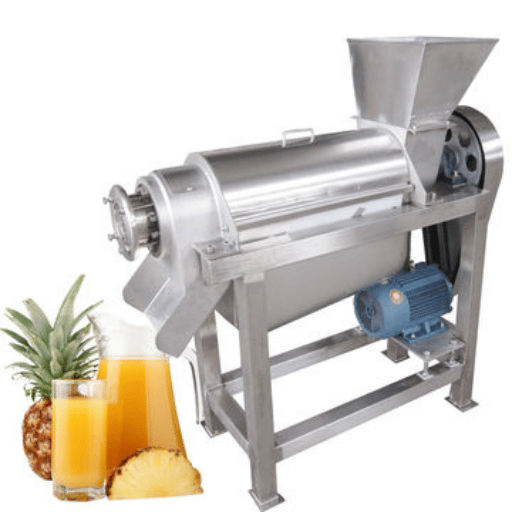
1. Juicing Mechanism
The heart of the production line, the high-capacity juicing mechanism effectively extracts juice and preserves nutritional content while generating minimal waste. Centrifugal, masticating, or hydraulic presses can be utilized according to requirements.
2. Filtration System
An advanced filtration unit removes remaining pulp, seeds, or other impurities to ensure a refined and smooth end product according to predetermined quality criteria.
3. Pasteurization Unit
This system heats and cools the juice rapidly to eliminate microbial contamination. Precise control of temperature and timing is essential.
4. Mixing and Homogenization
These systems support the blending of ingredients and ensure batch uniformity essential for quality control over texture and taste.
5. Filling and Packing Machines
Automated filling systems work at high speed with accuracy to avoid wastage, along with sealing and labeling equipment to prepare the product for distribution.
6. Conveyor Systems
A fully integrated conveyor system allows material flow optimization between operations, cutting bottlenecks and improving overall efficiency.
Note: All these components are built to work together, resulting in seamless production, product integrity, food-safe practices, and high-quality output.
Role of Aseptic Processing in Juice Production
Aseptic processing is essential to juice production, playing a vital role in keeping juice safe, sterile, and free from harmful microorganisms throughout its shelf life without the need for refrigeration. Treated separately, the juice and package are sterilized under controlled conditions and then brought together in a sterile environment. Aseptic processing not only supports strict food safety norms but also promotes a longer shelf life and easier distribution and storage, making it a cornerstone of modern juice processing.
Importance of Sterilizers and UHT Equipment
Sterilizers and UHT (Ultra-High Temperature) equipment are crucial components of food and beverage processing, enabling the inactivation of microorganisms while preserving product quality. These units employ thermal treatment to combat pathogens and spoilage organisms, ensuring that the nutritional and sensory qualities of the product are not compromised. In a controlled environment, UHT equipment provides significant extensions in product shelf life without using preservatives or refrigeration, optimizing logistics and reducing waste. This technology is essential for international food safety standard compliance and the achievement of viable, large-scale production.
Benefits of Using a Pineapple Juice Processing Line
✓ Efficiency in Production
Automation in well-designed processing lines achieves remarkable gains in output while saving manual effort.
✓ Consistent Quality Control
Sophisticated equipment maintains the highest juice quality from one batch to another.
✓ Extended Shelf Life
Using aseptic processing and sterilization techniques prevents product contamination, extending juice shelf life while limiting the use of preservatives.
✓ Cost-Effective Operations
Streamlining processes enables energy conservation and waste elimination, optimizing overall production costs.
✓ Scalability
Modernized processing lines offer vast prospects for scaling up volumes when demand expands with simple reconfigurations.
Increased Production Efficiency
By leveraging technology to increase productivity, the juice processing industry uses modern methodologies and streamlined pathways for maximum output with minimal resource utilization. Advanced automation combined with continuous process systems ensures uniform product quality while cutting downtime between production batches. Furthermore, real-time monitoring along with predictive maintenance tools prevents equipment failures and enhances overall operational reliability. These benefits allow increased production, better quality consistency, and reduced costs, giving juice manufacturers a competitive edge in the evolving market.
Enhanced Product Quality and Safety
Companies employing the latest technology utilize automated quality control systems and sensor-based monitoring to eliminate errors and improve product quality significantly. Detectors enable faster defect detection, promoting quicker corrective actions and waste minimization. As the market becomes increasingly conscious of quality and safety, manufacturers are required to implement adequate practices and principles regarding safety and contamination prevention, including proper material selection, cleaning procedures, and compliance with all applicable regulations. By prioritizing quality and safe production, manufacturers can not only comply with industry requirements but also build a strong reputation in the market.
Cost-Effectiveness for Businesses
Achieving cost efficiency in manufacturing requires comprehensive resource management, process optimization, and application of the latest technologies to realize savings and reduce material waste. Automated systems and precision engineering provide substantial cost savings while maintaining product quality. Investing in sustainable and energy-efficient machinery may cost more initially but pays for itself over time through energy savings and compliance with environmental regulations. Best practices toward cost-effectiveness involve outsourcing non-core activities, which ensures quality control and eliminates delivery issues. Additionally, bulk purchasing and streamlining supply chains further improve efficiency and reduce manufacturing costs. By converging these various measures, companies remain competitive during market transitions while reporting increased profitability and sustainability.
Factors to Consider When Choosing Juice Processing Equipment
📋 Essential Considerations Checklist
- 1
Production Capability: Closely assess current production volumes and ensure room for growth. Investigate the machine’s output rate relevant to operational needs. - 2
Material Compatibility: Any machinery selected must be made from high-standard food-grade materials, ensuring sanitation and preventing contamination during processing. - 3
Energy Efficiency: Look for machinery engineered to consume less energy while ensuring performance, providing the benefit of reduced operational costs and a smaller environmental footprint. - 4
Ease of Maintenance: Look for equipment that is quick to clean, easy to maintain, and simple to service. This reduces downtimes and guarantees equipment reliability over time. - 5
Automation and Integration: Look for equipment that enables automation and has easy integration capabilities. They can streamline the entire operation to increase efficiency. - 6
Versatility and Adaptability: Consider machines that handle various types of juice and ingredients to provide product versatility and address diverse market needs. - 7
Cost and ROI: Calculate initial investment against potential return on investment (ROI), ensuring that the equipment brings long-term value to the company. - 8
Supplier Reputation and Support: Verify that the manufacturer or supplier has a strong track record for quality, reliability, and after-sale support, including training and technical advice.
Capacity and Scalability of Production Lines
Analysis of production line capacity and scalability should include evaluation of both current output potential and adaptability for future growth. Production lines should be designed to cope with peak demand without compromising operational efficiency or causing additional downtime. Scalability considerations should be factored into the initial design, allowing the system to meet anticipated higher demand or be modified for diverse products without major modifications. The integration of modular components and automation technologies further enhances the overall adaptability of the system, proving to be a profitable venture throughout the evolving demands of the market.
Technology and Automation Features
Cutting-edge systems rely on sophisticated technologies such as IoT-enabled sensors, AI-driven analytics, and adaptive robotics for performance and scalability enhancement. With real-time data capture, IoT sensors track system operations, enabling predictive maintenance and downtime reduction. AI-powered analytics support adaptive workflows that dynamically shift operations according to demand patterns. Modular robotics enhance flexibility for quick changes that accommodate demanding production requirements. By guaranteeing operational efficiency, scalability, and adaptiveness to changing industry standards, these technologies ensure a resilient and readily scalable infrastructure.
Maintenance and Support Services
Effective maintenance and support services are the foundation of operational excellence in industrial systems, offering proactive monitoring, regular diagnostics, and responsive troubleshooting with the goal of minimizing equipment failures and ensuring continuous functionality. Predictive maintenance schedules help system operators identify and resolve potential issues beforehand, preventing unscheduled downtime. These services culminate in analytics-based decision-making that enhances performance and lifecycle management. In summary, a well-planned preventive maintenance program maintains reliable, efficient, high-performing systems that conform to all standards to the greatest extent possible.
Reference Sources
- DataM Intelligence: This report on the pineapple juice market examines industry outlook, growth trends, and marketing research.
- LinkedIn Article on Pineapple Juice Market: Global pineapple juice supply and demand trends discussed, with emphasis placed on natural and health-oriented products.
- Transparency Market Research: This publication focuses on organic pineapple juice and organic products trends.
Frequently Asked Questions (FAQs)
Ready to Optimize Your Juice Production?
Investing in a well-designed pineapple juice processing line is essential for maintaining competitive advantage in today’s dynamic beverage market. With the right equipment, technology, and practices, manufacturers can achieve superior product quality, operational efficiency, and sustainable growth.

Candy
Articles: 37
Trending now