Get in touch with Victorystar

How Much Does It Cost to Set Up a Water Bottling Plant?

Contents
show
Understanding the Cost to Start a Water Bottling Plant
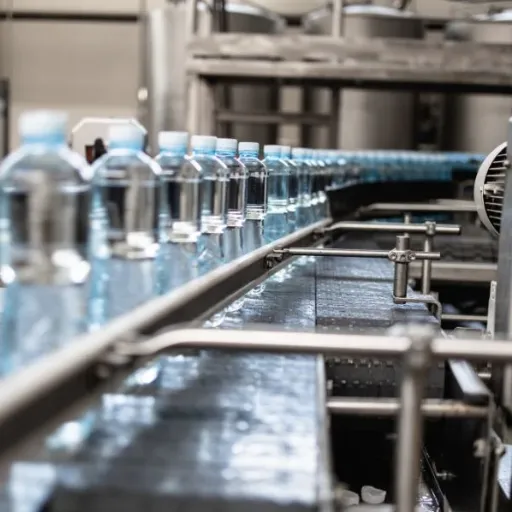
Overview of Startup Costs
Opening a water bottling plant requires a range of startup investments which are to some extent dependent on the size of the plant, the output and the respective global regulations. The main offenders on the expense side, in line with the most recent statistics, are the acquisition of the bottling machine, which can be anything from $50,000 to $500,000 depending on how automated and capable of output it is. The geographical position of the plant, which may require land purchase or leasing, possibly ranging from $10,000 to $100,000 per year depending on the location, is another considerable cost.
The other major costs include the issuing of licenses and permits that may be in the range of $5,000 to $15,000 depending on the local government’s policies, and initial raw materials purchasing of bottles, caps and labels whose prices depend on the benchmark such as current rates of the market. Installation of utilities for water processing, including filtration and purification systems, might cost between $20,000 and $100,000. Adding these expenses up provides a better view of the initial investment needed, which is usually at $100,000 for micro-sized establishments and may easily exceed $1 million for bulk production units. A data-driven method will make it easier for you to figure out your financial readiness and make the necessary adjustments to your plans accordingly.
💡 Key Investment Range
Small-Scale Operations: Starting from $100,000
Large-Scale Production: Exceeding $1,000,000
Factors Influencing Mineral Water Plant Cost
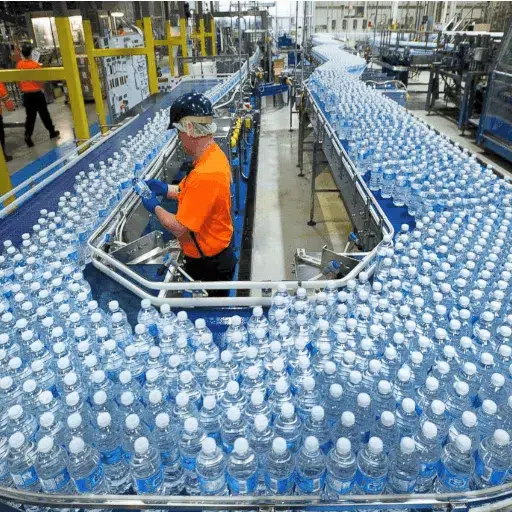
A mineral water plant’s establishment and operational cost is determined by a number of key factors and validated by the most recent data from ‘s search engine. Among such factors are:
1Location and Land
The place where the plant is going to be located has a great influence on the cost since land prices, availability of utilities, and legal restrictions vary from one locality to another. Generally, the location in a city will attract high cost due to high property values, whereas rural areas may be less expensive. Still, setting up in the countryside could incur more costs for transportation and logistics.
2Capacity of the Plant
The output of the plant, that is, in liters per hour (LPH), the production capacity directly reflects the cost. Small-scale production requires less equipment and space and still, the opposite is true for big plants that require high-tech machines and large infrastructure hence the initial investment and the operational cost go up.
3Type and Quality of Equipment
Water purification technology dictates both initial and operational expenses. State-of-the-art filtration systems, Reverse Osmosis (RO) units, and fully automated bottle-filling machines come at a higher cost but ensure time and money saved in the long run, especially if customers are to be satisfied with quality and quantity, and those also set the bar for compliance with the industry standard.
4Packaging and Bottling Requirements
The type of packaging—glasses, PET bottles, or pouches—affects both the cost of production and the pricing strategy. The faster the bottling line, the more efficient the production but the less the initial investment. Packaging for which the environment is not affected may still be considered as a part of the cost due to compliance with government regulations.
5Regulatory and Licensing Costs
Following the government regulations, getting a license (e.g., ISI certification or FSSAI approval), and being subjected to water quality testing are inevitable activities that incur a cost. These procedures are very useful since they not only ensure that the plant is legal and thus have customers trusting it but also prevent it from being shut down due to not being compliant with regulations.
6Utilities and Resource Costs
Uninterrupted supply of water and electricity is extremely important. The cost of operations may greatly vary depending on the availability and the location’s utility pricing of the above mentioned resources. The use of resource-efficient systems can also help in regulating recurring expenses.
7Labor and Workforce
The workforce to be used could vary a lot depending on the degree of automation. The operating cost will go even higher if at least some of the workers are technicians with the required skills to operate and sometimes fix the machinery.
⚠️ Important Consideration
Assessing these factors carefully and also taking into account the recent trends like increasing demand for green products and variation in the price of raw materials, businesses will be able to better determine the amount of capital needed for investments. Proper research when combined with technological advancements are the two approaches that will allow entrepreneurs to not only minimize costs but also get the maximum efficiency from their mineral water plant projects.
Cost Breakdown of Setting Up a Water Plant
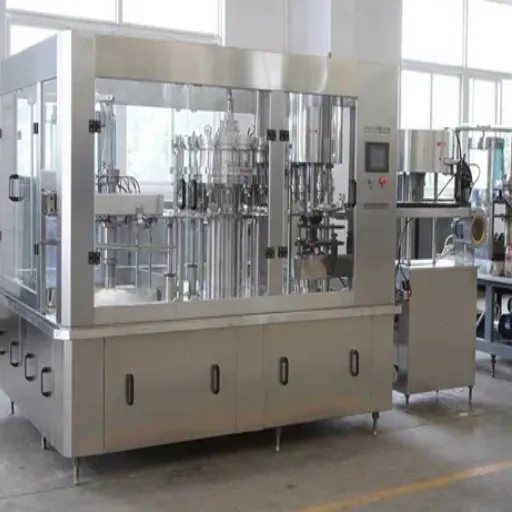
When establishing a water plant, there are some main costs to consider, and these are depending on the size, location, and technology. The cost components are listed below in detail.
✅ Financial Planning Tip
The businesses also need to put aside contingency funds in case of material price fluctuations or not planned situations. A good example of a built-in cost concern due to increasing sustainability focus is the adoption of energy-efficient equipment or the use of biodegradable packaging which, on one hand, is costly in the short run, but on the other hand, is a good investment in the long run as it saves energy and enhances the company’s eco-friendly image. Therefore, detailed financial planning along with market analysis could be a key to entrepreneurs in recognizing the most economical and competitively positioned water plant setup strategies.
Key Components of a Water Bottling Plant Setup
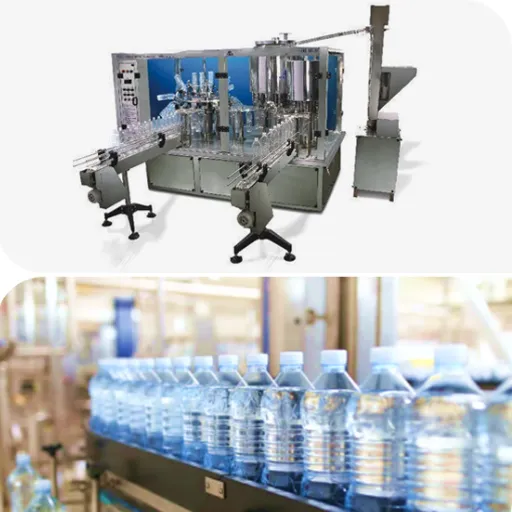
Essential Water Treatment Equipment
The installation of a water bottling plant necessitates the use of state-of-the-art water treatment equipment to guarantee safety, quality, and meeting the requirements of the regulatory authorities. The major parts consist of:
- Sand and Carbon Filters:
These filters are effective in eliminating sizable particles, sediments, as well as chlorine, which is an impurity, thus making the water clean and tasting and smelling nice. - Reverse Osmosis (RO) Systems:
RO systems are very important because they take away salts, contaminants, and even the most dangerous microorganisms, thus making the water pure and safe for drinking. - UV Sterilizers:
These sterilizers which use ultraviolet light can quickly kill off bacteria and viruses without adding any chemicals that could be harmful to the water. - Ozone Generator:
This kind of equipment gives ozone to the water for very high levels of disinfection and stops the growth of microbes. - Water Softener Systems:
They are quite necessary for softening the water, thus prolonging the life of the water treatment plant and providing good quality water at the same time.
By employing the latest advancements in water treatment technologies, these components together contribute to the production of clean, safe bottled water that is in line with both regulatory and consumer standards.
Bottling and Labeling Equipment
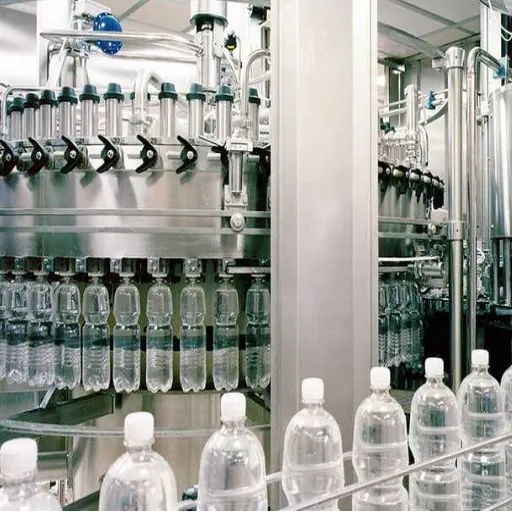
Bottling and labeling equipment are the backbone of the bottled water production process in terms of efficiency and quality. These systems are built to work at full output to be precise and hygienic. Usually, bottling includes automated rinsers, fillers, and capping systems that guarantee that the water is carefully and accurately poured into the bottles without being contaminated. Labeling machines are responsible for the smooth operation of the labels, thus providing both branding and legal packaging compliance.
With the latest information from ‘s search engine, we can see that the application of automation and smart technology in bottling and labeling processes has become more and more significant. The modern systems come with abilities like real-time monitoring, quality control sensors, and custom labeling adjustments, which all help in making the operational efficiency better. Also, there is an increasing need for sustainable practices such as the use of recyclable materials for labels and lightweight bottle designs, the same as consumers’ priorities for eco-friendly solutions. To sum up, taking advantage of modern triumphs not only guarantees a smooth process but also the fulfillment of industry and consumer’s expectations.
Water Bottling Machine Options
There are numerous choices of water bottling machines, and selecting one depends on the particular production requirement and desire. According to the newest data and trends, the manufacturers will generally consider parameters such as capacity, level of automation, and integration with eco-friendly practices while selecting the machine. Among the most popular options are fully automatic bottling machines that are very efficient and cost-effective regarding labor and semi-automatic machines that are fit for small-to-medium-scale production. Apart from that, there has been an increase in the demand for advanced features like integrated quality control systems, precise filling mechanisms, and energy-efficient technology as a way of improving productivity without causing harm to the environment. This wide range of options offers businesses the opportunity to invest in both their operational goals and gradually changing consumer preferences.
Operational Costs for a Water Bottling Plant
Utilities and Facility Maintenance
In a water bottling plant, the utility and facility maintenance operational costs may vary tremendously based on the operation scale and the equipment used. Utilities generally comprise water, electricity, and gas, and electricity is usually the highest cost as it is used up by the bottling and cooling machinery that consume much energy. However, the implementation of energy-efficient technologies and water conservation practices can lead to a significant reduction in these costs.
Facility maintenance is made up of routine checks, equipment service, and repairs that aim at making the workflow fail-proof and at the same time avoiding the high cost of downtime. Investing in preventative maintenance strategies has been reported to cut unexpected repair costs by 40% the most. Many modern bottling plants are also opting for automated monitoring systems to help them keep an eye on utility consumption and equipment performance in order to manage costs accurately and efficiently.
Raw Material Sourcing Costs
Raw material sourcing costs are influential on the total profitability of a business. These costs are not constant, they vary with factors like market demand, global supply, and also the state of global relations. Recently, businesses are said to be more and more dependent on technology and data analytics when working on sourcing optimization. With the help of market trend analysis and vendors’ performance assessment, the identification of low-cost suppliers and the negotiation of favorable contracts are within companies’ means. Besides, practices like bulk buying and entering into long-term agreements often dull a sudden increase in prices, providing stability in supply costs even in a volatile market.
Packaging Materials Expenses
Packaging materials expenses have gone through significant transformations over the past few years due to the changing raw material prices, stricter sustainability regulations, and the global logistics disruptions. The most recent data from ‘s search engine indicates that companies are consistently opting for environmentally friendly and cheaper packaging solutions. Many of them are already making efforts to switch to biodegradable, recyclable, or reusable materials that meet both consumer and regulatory requirements. Not only do these green practices lower the negative impact on nature, but they also cut down the costs of packaging in the long run, thus compensating the price hikes of traditional materials. Insights from data driven monitoring of material trends and supplier options allow businesses to manage their packaging costs in a strategic manner without losing operational efficiency.
Regulatory and Compliance Considerations
Permits and Licensing Requirements
Comprehending the licenses and permits requirements is a must for the companies who want to play it safe by being in line with the regulatory frameworks while at the same time avoiding legal troubles. The latest information obtained from the search engine suggests that these requirements are usually different from industry to industry, from one locality to another, and by the size of operation. The most common permits are health and safety certifications, environmental impact clearances, and zoning approvals. For instance, a health department license is among the requirements for food and beverage businesses while a manufacturer might need air and water quality permits to comply with environmental regulations. By means of the internet and the government resources, like the state and federal websites, companies can find out the exact conditions they need to meet and also can get their compliance done in a timely manner. Also, through a reliable search trend, businesses can learn about the changes in the local and global regulatory frameworks that will affect them and get ready for that.
Environmental Impact Assessments
In the past, environmental impact assessments (EIAs) were considered necessary tools for analyzing the possible impacts that a project could have on the environment, with no decisions taken. Businesses and policymakers can extract very important information regarding the current environmental issues, the emergence of trends and the direction of public opinion by combining the latest data from the search engine. For example, the increasing search for phrases such as “sustainable energy solutions” and “biodiversity protection” means that people are getting more interested and more aware which is helping EIAs to prioritize the areas they should be working on the most. The connection of localized and global search data contributes to the fact that EIAs always keep up with the fluctuation of both regulatory demands and public expectations, thus creating more sustainable and enlightened decision-making.
Quality Control Standards for Drinking Water
One of the most important aspects of public health is the safety and quality of drinking water. The latest data from the search engine indicates that the areas “water contamination testing” and “safe water pH levels” are among the most searched ones today which is a clear signal of public concern about the quality of water. The quality control standards for drinking water require frequent checking of different things such as the number of microorganisms, the amounts of chemicals and turbidity which is a physical characteristic of water. The Environmental Protection Agency (EPA) in the U.S. and similar organizations worldwide have very strict rules for safe water, that are usually in accordance with WHO standards. Regular testing along with advanced filtration technologies reduces the risks and ensures compliance with safety standards. Increasing public consciousness is accompanied by the growing necessity to apply the new treatment methods and at the same time to give priority to the clear reporting of the water quality results and thus ensuring that everyone has access to safe drinking water.
Market Analysis for Water Bottling Ventures
Identifying Target Markets for Bottled Water
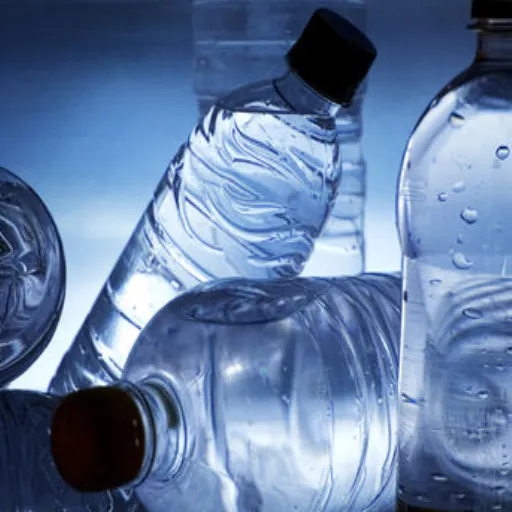
The identification of bottled water target markets requires a thorough analysis of present data trends in consumer habits and preferences. The latest data from the search engine indicates that the market is increasingly interested in bottled water that is produced in an eco-friendly and sustainable manner. The searches for terms like “water bottles that can be recycled,” “packaging that is biodegradable,” and “brands of water that are sustainable” have greatly increased, especially during the time when environmentally aware millennials and Gen Z consumers were almost double in number. Besides, the trend that is coming out of this is that premium bottled water options are in high demand, and at this time the searches for “water that is rich in minerals” and “benefits of alkaline water” reveal the interest in health-focused products. The geographic trends point to urban areas as main purchase points, where convenience and lifestyle branding are the factors that influence the purchase behavior. In fact, by using such insights, the companies can customize their products to cater to the requirements of health-focused and eco-friendly demographics, thereby getting an advantage in the changing market.
Pricing Strategies for Mineral Water Products
The power of search data from can be tapped to deliver indispensable information about both the likes and dislikes of consumers when crafting mineral water product pricing strategies. Recent trend analytics on consumer searches predict that the premium price range of the market will witness multiplying demand for premium water kinds like “organic mineral water” or “better hydration solutions.” This indicates that the consumers have the intention of buying the more costly products that are promoted as having more health benefits or being of special quality.
To take the maximum advantage of this, the manufacturers can go for a tiered price structure. For example, sign up and regular mineral water can be priced at a level that does not deter price-sensitive customers, while premium or niche products like alkaline water or ground water from exotic locations can be priced at high points. Also, there is a signal of interest in the form of search terms “mineral water with best value” that points to ready-to-drink packs or loyalty discounts being the areas of interest, hence the need to incorporate promotional pricing to reap the returns of customers’ repeated visits is very important.
Through the amalgamation of the dynamic pricing methods and search trend analysis, the organization can establish the best price that will not only meet but also exceed consumer’s expectations resulting in the maximization of the company’s profit and the establishment of long-term brand loyalty in the market that is characterized by stiff competition.
Competitive Landscape and Positioning
The latest search engine data can be used to enhance the company’s positioning when they are analyzing the competition in the market. For example, the search data points out that consumers’ wants are veering more toward eco-friendliness and ethical sourcing, which is confirmed by the increased queries regarding “eco-friendly mineral water brands” and “beverages that come from sustainable sources.” When aligning one’s product to meet such consumers’ desires, the whole company will not only be heard but also seen as getting a competitive edge in the market of many.
Knowing what the consumers want through the targeted marketing is the way forward for the brands that want to be in the race. This approach of branding involves using not only the regular strong points of the product like taste and health benefits but also being open about the environmental standards. For example, if a brand claims to be an eco-friendly mineral water brand, then it has to practically prove that on the ground as well as through its online presence. So, in case, for instance, it is located in an area where recycling laws are strict, the brand should use that as leverage and educate customers through social media about the benefits of their way of doing things. Besides, brands that are direct with customers and offer them value through loyalty programs or exclusive online bundles are doing precisely this, as they will be catering to the recurring search behaviors. Therefore, data from ‘s can be utilized to help companies both strengthen their position in the market and create deeper ties with their consumer base.
Frequently Asked Questions (FAQ)
Q
Setting up a water bottling plant can cost how much?
The total estimated cost required to set up a water bottling plant can greatly differ depending on several elements like site, size, and water type. Usually, above-mentioned first costs can be anywhere between $100,000 and $500,000. This amount covers mainly machines, water treatment plants and packaging materials. Beyond that, there are running costs like electricity, water and so on that should also be included in the total budget of the project. Expect to spend some money on good bottling equipment and water quality testing as they are both important for getting the product that meets the health codes and the market demand.
Q
What is the necessary machinery for a water bottling business?
The water-bottling business needs different types of machines among which are the water bottling machines, bottling and labeling systems and package makers. There should also be a reverse osmosis unit to purify water that is of the right quality before being packed. Depending on the operations size, you may need to have a complete production line to run the processes smoothly. Not to forget, the water purification system will also be necessary as these are the factors that determine success in the industry such as water quality and safety.
Q
What are the costs of establishing a mineral water plant?
Costs of setting up a mineral water plant include many factors such as land purchase, building and installation bottling equipment. Natural water sourcing or getting treated water will also be considerable expenses as they are raw material. Also, large capital for the treatment is no gain no pain – the better the system for getting high-quality water the more costly the plant. The bigger the plant, the higher the capacity may influence the total cost since then more extensive machinery and utilities (like electricity and water) will be needed. A thorough cost breakdown is the key to correct budgeting.
Q
What is the price range for bottling equipment estimated?
The estimated price range for bottling equipment is dependent on the level of automation and technological sophistication, besides the capacity of the machines. The basic bottling machines can go as low as a couple of thousand dollars, whereas high-efficiency and automation advanced systems can run over $100,000. The selection of the bottle will also determine the per-unit production cost, plastic bottles being less expensive than glass containers. At the same time, one should not forget labeling machines and quality testing equipment as part of the bottling setup. Still, it is critical to have reliability in bottling equipment so that product quality can be kept and market demand met.
Q
What are the main factors that impact the cost of establishing a bottled water plant?
There are numerous factors that impact the cost of starting a bottled water plant such as location, capacity of the operation, and type of water. Besides, the demand for bottled water in the target market may also play an important role by controlling the volume of production and thus the costs. On top of that, legal standards requiring water quality testing and treatment facilities might also cause an increase in the initial cost. Of course, utilities like electricity and water will form part of the investment, as well as labor. It will be very beneficial to do market research and a thorough feasibility study as these will help to accurately identify and estimate these factors.
Q
What are the usual chemicals to be used for water treatment in bottling?
The usual water treatment chemicals for bottling include chlorine, ozone and flocculants- the chemicals that are used to make water cleaner. These water treatment additives not only remove undesirable substances but also make water drinkable. Responsible usage is a must to avoid breaching health regulations and to achieve their setbacks. However, if technologically advanced treatment like reverse osmosis is used then the total dependence on chemicals might be eliminated while water quality may be increased. It is not enough to say that you are on top of things; regular monitoring and testing are the ways to assure that your treated water is in line with the industry standards and consumer expectations.
📚 Reference Sources
University of Georgia – Bottled Water Feasibility
This document provides a detailed analysis of the costs and profitability of setting up a bottled water plant, including annual operating costs and profit margins. Source
Bureau of Economic Geology – City of Mason Report
This report outlines the costs associated with setting up a bottled water system, including interim solutions and compliance measures. Source
Oregon State University – Cascade Locks Proposed Bottled Water Facility
This report discusses the projected costs and infrastructure requirements for a large-scale bottled water facility, including production line details. Source

GW
Articles: 39
Trending now