Get in touch with Victorystar

Fruit Juice Production Line Machinery for Juice Production

Contents
show
Producing high-quality fruit juices on an industrial scale requires precision, efficiency, and machinery optimized for the dynamics of modern manufacturing environments. This article explores the essential machinery in fruit juice production lines, detailing their roles in assuring consistency, hygiene, and scalability. Each step of processing—ranging from initial washing and sorting of raw fruits to advanced pasteurization and bottling technologies—utilizes advanced technological aids focused on ensuring high output while preserving product quality. Whether you are an industry professional or an entrepreneur entering this sector, this guide walks you through the key machinery and technology supporting successful juice production lines.
Key Takeaway
A successful juice production line integrates automated washing, high-efficiency extraction, and precise sterilization to deliver a safe, shelf-stable product that retains its natural nutritional profile.
Introduction to Juice Production
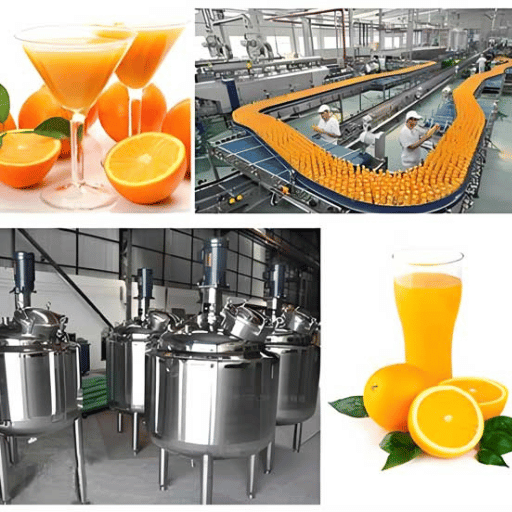
Juice production is the systematic transformation of fresh fruit or vegetable raw materials into consumable products through a controlled set of processes. The main stages involve selecting high-quality raw produce, washing and grading to remove impurities, juice extraction via mechanical or cold press methods, and pasteurization for safety and extended shelf life. Packaging follows, often in sterilized containers to keep products fresh and free from contamination. Every step is designed to maximize efficiency while preserving natural flavor, nutritional value, and safety.
Overview of Fruit Juice Production
The process of fruit juice-making is a scientifically structured procedure designed to ensure quality, taste, and safety. Operations commence with the careful selection of fresh fruits, followed by thorough washing and sorting to dispose of contaminants or substandard items. Cutting-edge extraction techniques like cold-pressing or mechanical pressing ensure maximum yield while retaining natural nutrients. Furthermore, microorganisms are removed during pasteurization, preventing spoilage while preserving a fresh taste. Packaging into sterile, hermetically sealed packs ensures the juice remains isolated from exogenous contamination, meeting both industrial standards and consumer preferences.
Importance of Juice Processing Lines
Processing lines are vital to the beverage industry for improved efficiency, consistency, and safety. Automation in activities like pasteurization, extraction, and packaging reduces human error, resulting in a uniform product that meets high regulatory standards. These lines facilitate high-volume production while maintaining the juice’s nutritive elements and taste. By utilizing advanced technology and expert quality standards, modern processing lines deliver superior products on a large scale to meet rising consumer demand.
Types of Juice: Fresh vs. Bottled
Typically extracted directly from fruits, fresh juice does not undergo major processing, thus confining its aromas, nutrients, and enzymes in an unspoiled state. However, its shelf life is limited to a few days under refrigeration. Bottled juices, conversely, utilize modern technology and pasteurization to ensure longevity. While pasteurization involves heat, advanced systems minimize the loss of unstable substances, allowing the juice to sustain its flavor and safety for a much longer period. The decision between fresh and bottled juice centers on consumer preference for convenience, storage capabilities, and nutritional immediacy.
Essential Machinery in Juice Processing
💡
Pro Tip
Regularly calibrate your extraction pressure and pasteurizer temperature sensors to prevent “burnt” flavors and ensure 100% microbial inactivation.
- ✓
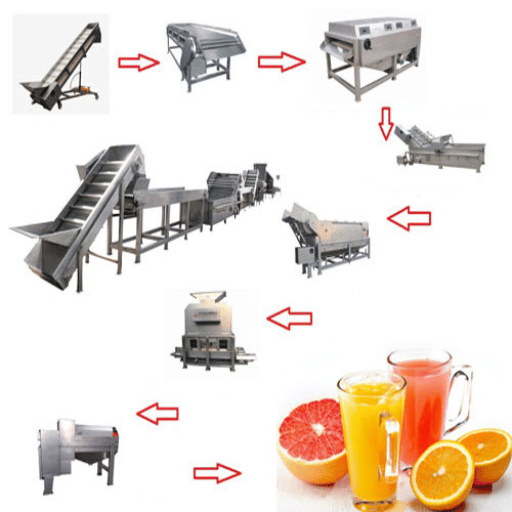
Washing Machines: Removes dirt, pesticides, and surface contaminants. - ✓
Crushers: Reduces whole fruits to appropriate sizes for secondary processing. - ✓
Extractors: Cold-press or centrifugal units that separate liquid from pulp. - ✓
Pasteurizers: Uses heat to neutralize microorganisms and extend shelf life. - ✓
Filters: Traps solid particles to ensure a smooth, clear final product. - ✓
Filling & Packaging: Automatically loads juice into sterilized containers under hygienic conditions.
Industrial Extractors: Types and Functions
Industrial extractors are essential for converting raw materials into liquid. The choice of extractor depends on fruit characteristics:
- Centrifugal Extractors: Use high rotation speeds to separate liquids from solids via centrifugal force. Ideal for pulpy fruits requiring high liquid separation.
- Screw Press Extractors: Operate by pressing and crushing fibrous materials. Best for fruits, vegetables, or seeds that require high compaction forces.
Pasteurizers: Ensuring Safety and Quality
Pasteurizers enhance product safety and lengthen shelf life through thermal management. They rapidly heat and cool liquids to rid them of unwanted microbes without detracting from nutritional or sensory quality. These systems are critical in the beverage industry, adhering to stringent health guidelines. Selection depends on the product’s thermal requirements, processing capacity, and legal standards.
Homogenizers: Achieving Consistency in Juice
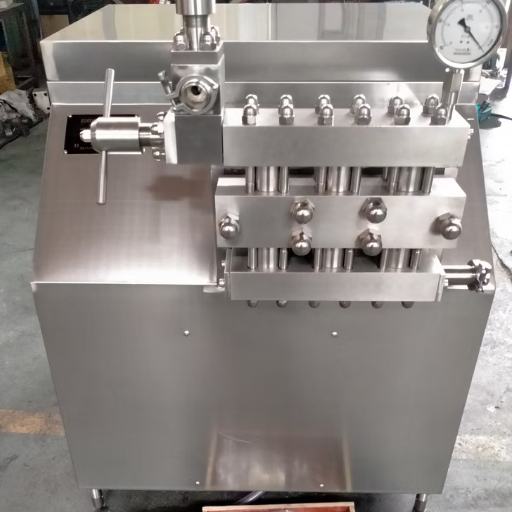
Homogenizers maintain equal distribution of particle sizes to enhance uniformity and stabilize quality. By using high pressure and mechanical energy, they break down homogenates to keep solids in suspension. This prevents sedimentation and extends shelf life. When selecting a homogenizer, factors like operating pressure, flow rate, and juice viscosity must be considered.
Step-by-Step Breakdown of the Juice Production Process
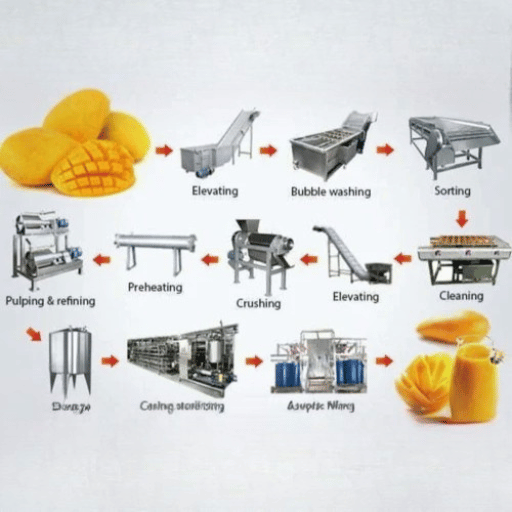
- 1
Raw Material Selection
High-quality, fresh fruits are chosen for flavor and nutrition. - 2
Washing & Sorting
Fruits are cleaned of debris and sorted to remove substandard items. - 3
Extraction
Juice is extracted efficiently with minimal waste of pulp or seeds. - 4
Filtration
The liquid is filtered to remove impurities for a clear produce. - 5
Pasteurization & Homogenization
Heat treatment kills pathogens, followed by texture stabilization. - 6
Filling & Packaging
Automated filling into sterilized containers ensures safety.
Initial Fruit Preparation and Cleaning
The inception of juice development—washing and preparation—ensures both product safety and high quality. Fruit procurement involves selecting items based on size, ripeness, and appearance. Automated washing systems use water sprays and rotating brushes to remove debris. In some cases, food-safe sanitizers are used. Preparation may also include de-stemming, de-leafing, or peeling to add value and minimize waste, adhering strictly to regulatory standards to avoid contamination.
Sorting and Quality Control of Raw Materials
Ensuring high-quality juice requires advanced sorting systems. Optical sorters and X-ray systems detect defects like discoloration, bruising, or fouling. Manual inspection adds flexibility where precision is required. These protocols ensure only premium-quality fruits move to extraction, reducing waste and ensuring product consistency.
Juicing Techniques: Belt Press vs. Other Methods
The belt press is a traditional industrial-scale method involving a continuous procession of rollers that exert pressure on fruit pulp. It excels in throughput and is best for high-moisture fruits. While hydraulic pressing produces clean juice with low oxidation, it is often too slow for large-scale operations. Centrifugation is fast but can introduce air, lowering the juice’s stability. For most commercial purposes, the belt press offers the best balance of volume and economic efficiency.
Juice Filtration and Sterilization
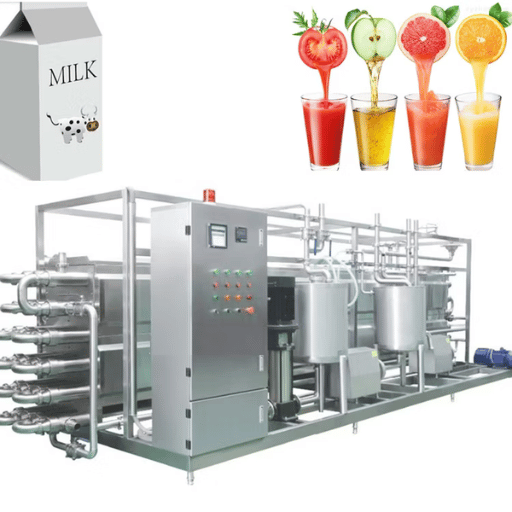
Filtration removes solids to achieve the desired clarity. Following this, sterilization destroys harmful microorganisms. Common procedures include pasteurization (heat treatment) and Ultraviolet (UV) treatment, which kills microbes without affecting flavor or nutritional value. Together, these steps guarantee the juice is safe and high-quality before packaging.
Importance of Filtration in Juice Production
Filtration is technical removal of pulp, sediments, and microorganisms that affect texture, taste, and shelf life. It improves clarity and stability, minimizing spoilage and ensuring the product complies with tight industry regulations. This process is essential for maintaining the manufactured product’s true identity.
Methods of Sterilization
Methods vary based on safety and quality norms. Thermal processing (Pasteurization and UHT) is common, but non-thermal methods like HPP (High Pressure Processing) and UV are growing as they maintain nutritional quality without heat. Chemical sterilization (e.g., peracetic acid) may be used for packaging materials to ensure a sterile environment without changing the juice formulation.
Impact on Juice Quality and Shelf Life
Preservation techniques involve a trade-off between microbial inactivation and sensory property retention. HPP increases shelf life without heat, preserving color and flavor. Thermal treatments provide microbiological stability but can degrade heat-labile compounds like Vitamin C, sometimes introducing “cooked” flavors. The selection depends on target organisms and required storage time.
Juice Filling and Packaging
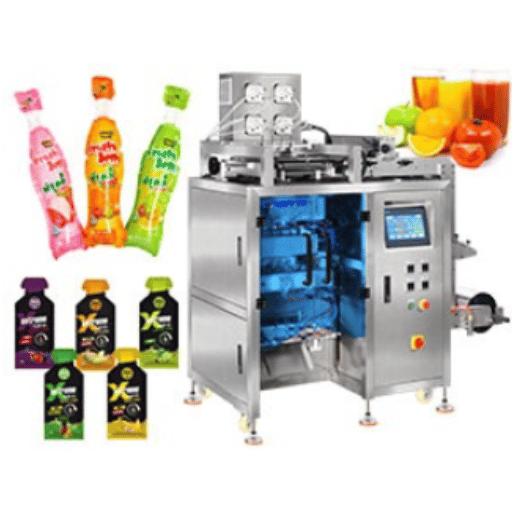
Crucial for safety and consumer convenience, juice is sent to sterile-filling equipment after sterilization. Packaging materials like bottles or cartons are pre-sterilized and designed to block air and light. Filling occurs under germ-free conditions to preserve freshness until sealing and labeling.
Types of Filling Machines
| Machine Type | Best For |
|---|---|
| Gravity Fillers | Thin liquids like water and juice; low viscosity. |
| Piston Fillers | Products with a wide range of viscosities; highly accurate. |
| Vacuum Fillers | Rigid containers; specifically low-viscosity liquids. |
| Aseptic Fillers | Sterile products (dairy/medical-grade); prevents contamination. |
Glass Bottles vs. Other Packaging Options
Glass is inert and ensures contents are safe from chemical impact, providing an excellent barrier to oxygen. It is 100% recyclable, making it more sustainable than plastics. However, glass is heavy and delicate, leading to higher shipping costs and breakage. Plastic and aluminum are lighter and durable, but their recyclability and interaction with products can be concerns. Market demand and product traits determine the final choice.
Complete Juice Filling Production Line Overview
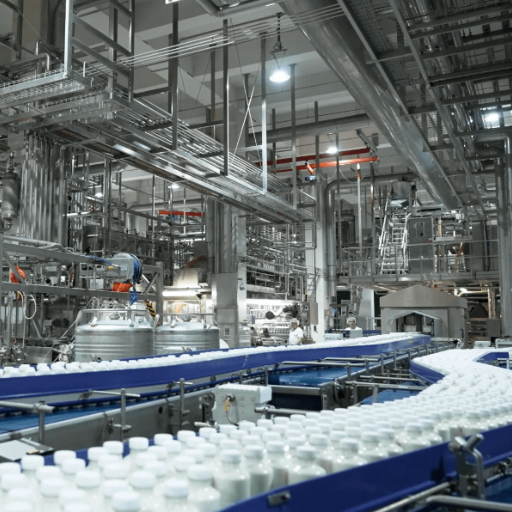
A standard line includes juice preparation (pasteurization), specialized filling machines to prevent oxidation, and sealing/capping units. High-speed conveyor systems connect these operations, enhanced by labeling and packaging systems. All machinery must heed regulatory standards and proposed shelf life parameters to ensure a seamless manufacturing process.
Reference Sources
- Ignition: Go-to-Market Strategy for Juices – Focus on quality produce and market concepts.
- Freshly Squeezed: Steps for Fruitful Juice Bars – Essential equipment for scaling juice businesses.
- Fillers-Packer: Comprehensive guide to ushering in a juice business and market insights.
- MSU Product Center: The Market for Orange Juice – Consumption and market penetration data.
Frequently Asked Questions (FAQs)
What constitutes a juice processing line?
A string of machinery and actions for industrial-scale production, packaging, and supply.
Which machinery must be present?
Washers, crushers, extractors, pasteurizers, homogenizers, and filling/packing systems.
What are the key steps?
Washing, peeling, crushing, extraction, pasteurization, homogenization, and filling.
How do I pick the right equipment?
Consider production volume, juice type, financial resources, and desired level of automation.

Candy
Articles: 37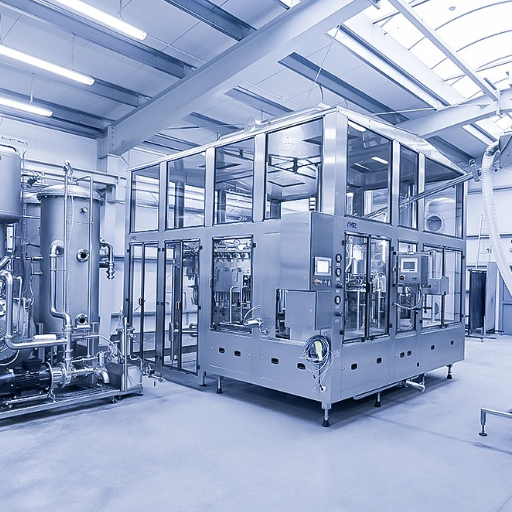
Trending now