Get in touch with Victorystar

Complete Guide: Start a Bottled or Mineral Water Bottle Plant

Contents
show
Starting a bottled or mineral water plant can be a highly lucrative business venture, particularly in today’s market where the demand for clean, safe, and portable drinking water continues to grow steadily. Success requires more than a good concept; it demands complete knowledge of technical aspects, regulations, and operational challenges.
The guide provides essential knowledge which entrepreneurs need to create and run successful water bottling facilities. The article provides basic production steps and essential licensing requirements and quality standards to help you achieve your business goals. The bottled water industry offers practical business insights which will help you establish a successful path whether you are starting your first business or you are an experienced investor.
Introduction to the Water Bottling Business
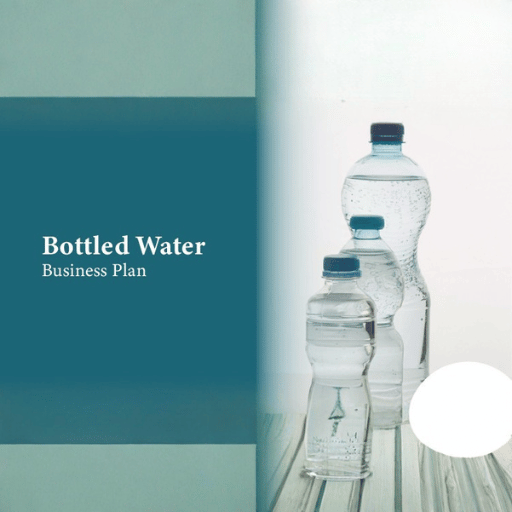
The water bottling business involves the extraction, purification, packaging, and distribution of drinking water. To begin, a reliable water source must be identified and secured, such as natural springs, underground reservoirs, or municipal supplies. The water undergoes purification through filtration and reverse osmosis and sterilization processes which ensure health and safety standards compliance.
The purified water is bottled in containers of various sizes which manufacturers make from plastic and glass materials and they distribute these products to consumers after applying labels. The business requires companies to meet multiple regulatory standards which include permit acquisition and quality certification processes while they need to maintain efficient operations and produce high-quality products.
Overview of Bottled Water Industry
The bottled water industry has experienced substantial expansion throughout multiple decades because consumers now prefer safe bottled water for their drinking needs. The market exhibits two main trends which show increasing consumer interest in premium water products that include mineral and alkaline water and which drive the development of environmentally friendly packaging methods.
Filtration and purification technology innovations deliver improved product performance through enhanced product quality, while regulatory developments safeguard public health and safety standards. The industry requires businesses to develop new strategies which stem from market competition and legal constraints and changes in consumer behavior to achieve ongoing success.
Why Start a Water Bottling Business?
The water bottling industry offers a profitable business opportunity because global demand for clean and safe drinking water continues to grow. The demand exists because more people move to cities and health-focused consumers drive demand and many areas face drinking water shortages.
The combination of technological progress and sustainable business practices enables companies to develop new products through environmentally friendly packaging solutions and their modern production processes. The industry creates substantial growth opportunities because companies that follow regulatory standards and choose their market locations can operate in a vital market that always needs their services.
Understanding Market Trends
Market trends within the industry are driven by a confluence of factors, including evolving consumer priorities, stringent regulatory frameworks, and global commitments to sustainability. The increasing need for products that protect the environment requires companies to take active steps toward developing new product designs and enhancing their resource efficiency.
💡
Pro Tip
Brands need to establish transparent supply chains because customers will choose their products based on the ability to verify product origins. Use advanced data analytics to improve demand forecasting.
Companies use advanced data analytics to improve their demand forecasting capabilities which allows them to adapt more effectively to changing market conditions. Businesses achieve competitive advantages through their operational strategies which meet both environmental standards and customer needs while they follow current industry trends.
Step-by-Step Guide to Setting Up a Water Bottling Plant
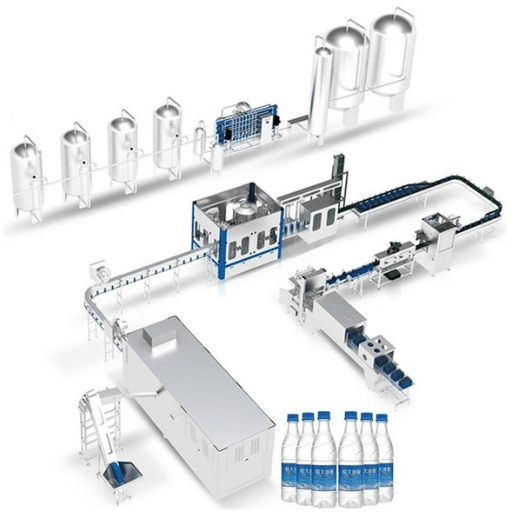
- 1
Conduct Market Research
Start your research by evaluating bottled water demand for your selected market which lets you discover what customers want and observe your business rivals. This study will assist you in selecting which water types to manufacture and designing your pricing plan. - 2
Develop a Business Plan
You need to create a detailed business plan which includes your company objectives and startup costs and production capacity and business operations system and marketing methods. The financial forecast needs to display profitable outcomes which will help you attract investors to your business. - 3
Obtain Necessary Permits and Licenses
You need to investigate and follow all federal and state and local water bottling regulations. You must obtain all necessary certificates which include food safety licenses and environmental compliance certificates and business permits. - 4
Secure a Suitable Location
You should select a site which has sufficient infrastructure and access to clean water sources and appropriate distance from distribution centers. The facility needs to meet all regulatory requirements for both hygiene and safety standards. - 5
Set Up Water Treatment Systems
The facility needs to install advanced systems which include filtration and purification and sterilization technologies to deliver high-quality water. The systems should perform through reverse osmosis and UV treatment and ozonation processes. All systems need to demonstrate compliance with health and safety regulations. - 6
Procure Bottling Equipment
You need to buy machinery which will handle the washing and filling and capping and labeling processes for water bottles. The equipment needs to match your production requirements while offering effective and dependable operation. - 7
Source Packaging Materials
You need to obtain food-grade packaging materials which include bottles and caps and labels of superior quality. You should examine packaging options which provide recyclable materials or biodegradable materials to support environmental sustainability. - 8
Hire and Train Staff
You need to hire competent staff members who will work in plant operations and quality control and logistics roles. You need to provide training which will help your staff understand safety protocols while they achieve maximum production efficiency. - 9
Conduct Product Testing
The team needs to conduct thorough quality testing of water safety and consistency before distribution. You need to follow the standards set by relevant authorities to demonstrate that your product is suitable for consumption. - 10
Implement Marketing and Distribution Strategies
You need to establish distributor and retailer and wholesaler partnerships which will help your products reach the market. You should create a precise marketing strategy which will help your brand reach the right consumers.
The water bottling business requires each step to succeed as a sustainable operation which meets all regulatory requirements while providing customers with high-quality products.
Conducting Market Research
Market research requires researchers to collect information about target markets and industry trends and consumer behavior which they must analyze and interpret. To achieve this, you should start by identifying your main target audience and your secondary target audience using demographic factors which include age and income level and location and lifestyle preferences.
The next step requires you to assess the competitive environment through an examination of market competitors who operate their businesses using specific pricing methods and distribution systems and distinct product features. The research process needs primary data collection through surveys and focus groups and customer interviews together with secondary data collection from industry reports and government publications and market statistics. The process of answering these essential questions enables you to discover new growth pathways while predicting demand and developing your business plan which will help you meet market requirements.
Creating a Comprehensive Business Plan
The essential elements of the business plan become clear through a brief response which defines the target market and competitive position and operational strategy of the business. You can obtain accurate market demand and competitive gaps and consumer behavior information through primary research which includes direct customer feedback and secondary research from trustworthy sources.
The data needs to guide financial predictions and marketing plans and product or service creation to achieve proper market opportunity and market needs identification. Your business plan will achieve strategic validity through this method which enables your plan to adapt to changing market conditions.
Identifying Your Water Source
The process of determining your water source requires you to evaluate three factors which are availability and quality and sustainability. The water source will be determined by choosing between surface water from rivers and lakes and underground water from aquifers and wells.
The evaluation of local regulations and permissions for water extraction permits operations to proceed while preventing legal consequences that arise from non-compliance. The assessment of treatment needs must consider the specific use of the treatment system because drinking water requires more advanced purification methods than industrial water treatment. The precise handling of these elements enables you to select a water source which meets both your operational requirements and environmental compliance needs and your goals for long-term environmental protection.
Startup Costs and Financial Planning
$150k – $500k
Estimated average startup cost for a mid-sized bottling facility
A water bottling business requires essential financial planning to achieve successful establishment. The business needs to spend between $150,000 and $500,000 for its essential startup costs which include equipment acquisition of bottling machines and water treatment systems and storage tanks according to its production requirements. The business needs to calculate its expenses needed for facility acquisition and licensing and for establishing utility services. The business needs to spend money on permit acquisition which includes health and safety certifications that depend on the specific location.
The business needs to budget for ongoing costs which include employee salaries and packaging expenses and shipping costs and equipment upkeep. The business needs to allocate emergency funds which will cover unanticipated expenses that arise during its startup period. A detailed budget development process combined with expert financial guidance will assist in securing sufficient funds needed to operate the business while maintaining compliance with all applicable industry standards.
Estimating Startup Costs
The process of estimating startup expenses requires an examination of all permanent and temporary costs that will be incurred during business activities. The expenses that remain constant regardless of business operations constitute fixed costs while variable costs include expenses for raw materials and workforce and production capacity changes.
The organization needs to allocate funds for three areas which include licensing requirements and insurance expenses and ongoing costs to meet regulatory compliance. The process requires you to estimate costs through three distinct factors which include present market conditions and regional characteristics and future economic variations. The organization will achieve efficient resource management through precise financial predictions and comprehensive operational plans.
Funding Options for Your Water Bottling Plant
When you investigate funding options for your water bottling plant, you should investigate three funding methods which include equity financing and debt financing and government grants. Equity financing requires businesses to obtain funding through investor agreements which provide investors with ownership rights.
Debt financing methods such as bank loans or lines of credit enable financial flexibility but organizations must develop complete repayment plans which ensure ongoing cash flow maintenance. The government provides industry-specific grants and subsidies which support new manufacturing ventures through its research programs. Your plant operation will achieve financial sustainability and growth potential through a funding approach that combines multiple funding sources.
Financial Projections and Break-even Analysis
Financial projections need to be accurate because they serve as the primary tool for assessing your manufacturing plant’s financial sustainability. You should start the process by determining your fixed and variable expenses which include costs for raw materials and labor and equipment depreciation and overhead expenses.
The next step requires you to estimate your future revenue streams through market research and production capacity assessment. The break-even analysis establishes the minimum production requirement for complete cost recovery through the break-even point formula which calculates fixed costs divided by the difference between price per unit and variable cost per unit. The results from this calculation deliver essential information which helps businesses pinpoint their ideal pricing methods and their current operational productivity levels. The continuous assessment of these projections protects the company financial forecasts from market changes and operational developments which safeguards their ability to make profits for many years.
Essential Equipment for Water Bottling
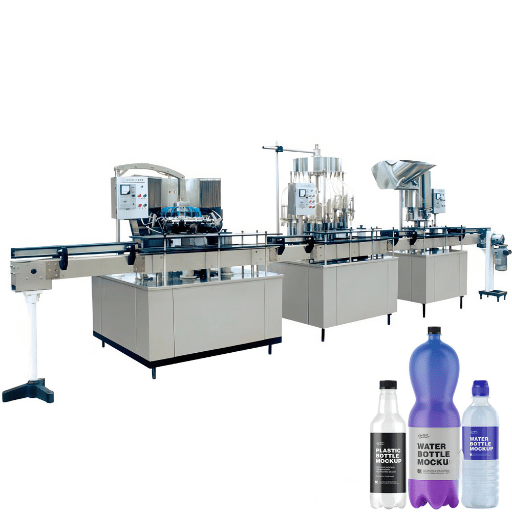
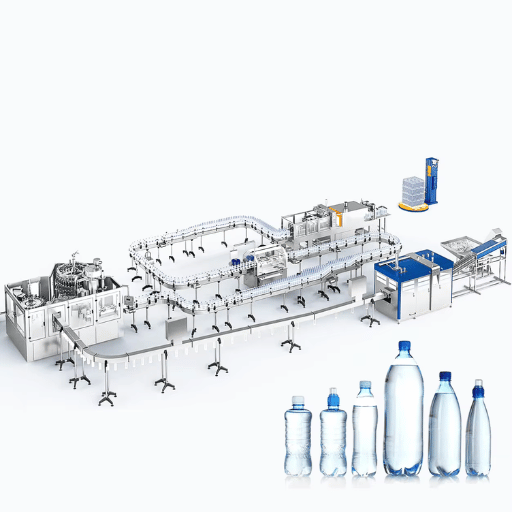
The efficiency of a water bottling plant requires operators to select equipment which meets industry standards while providing capacity for future growth. The following equipment list presents all necessary components which water bottling facilities must use:
- ✓
Water Treatment System: Includes filtration units, reverse osmosis systems, UV sterilizers, and ozonation equipment to eliminate all impurities. - ✓
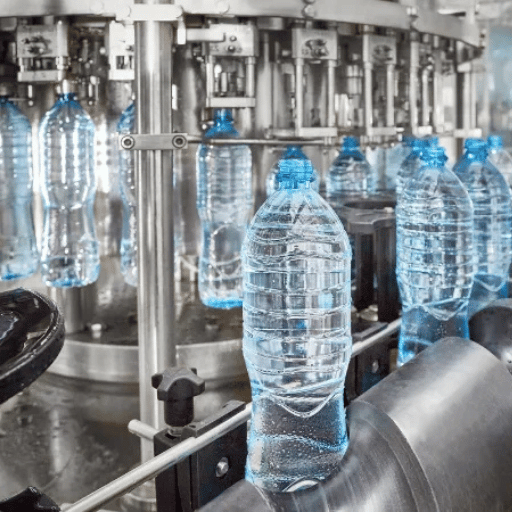
Bottling Line Machinery: Rinsing machines, filling machines, capping machines, and labeling machines. - ✓
Blow Molding Machine: For on-site PET or HDPE bottle production from preforms. - ✓
Conveyor System: To link all bottling phases from rinsing to packaging. - ✓
Packaging Equipment: Shrink-wrapping machines and case bundlers. - ✓
Quality Control Equipment: pH meters, turbidity meters, and microbiological testing kits.
The assessment of each equipment component requires testing to verify its compliance with local health and safety regulations and its energy efficiency and its ability to handle future production demands. The organization needs proper maintenance schedules because they help avoid equipment failures and they support operational efficiency which lasts throughout the equipment’s lifespan.
Water Treatment Equipment and Purification Systems
Industrial processes rely on water treatment equipment and purification systems to achieve stable water quality throughout their operations. The main elements of the system consist of filtration units and reverse osmosis systems together with ultraviolet (UV) sterilizers and ion exchange resins. The system operates to eliminate contaminants from water while achieving specific quality standards through its design.
The equipment selection process requires evaluation of three factors which include feed water characteristics and output quality requirements and system performance needs. The systems require ongoing monitoring and maintenance work to guarantee peak operational capacity while protecting against scaling or fouling issues and meeting stringent industry standards.
Bottling Machinery and Production Line Setup
Bottling equipment needs to be designed together with production facilities because this combination establishes three essential elements to run the operation which includes system performance and product consistency and product standards. The equipment selection process needs to match the required production capacity and the specific bottle designs and material requirements.
The main elements of the system include rinsing equipment and three types of filling systems which use gravity or pressure or volumetric methods based on liquid characteristics together with capping machines and labeling systems. The production system needs to choose between two types of automation which include partial automation and complete automated systems while taking into account their existing production capacity and available financial resources. The company establishes quality control points to check production standards throughout the process while the line design works to eliminate production delays and enhance operational efficiency. The system needs both regular calibration procedures and scheduled maintenance work to maintain uninterrupted operational performance.
Packaging Materials and Design
The choice of packaging materials and design is critical to ensuring product integrity, functionality, and market appeal. The selection of materials requires assessment of their compatibility with products and their ability to provide necessary barrier protection and their compliance with existing regulations.
The design process needs to create storage solutions which will deliver operational simplicity and support brand visibility while providing environmentally sustainable options through recyclable and biodegradable materials. The use of advanced methods such as tamper-evident seals and smart packaging systems will increase product security and operational capabilities which will result in products that fulfill both customer needs and industry requirements.
Regulatory Compliance and Licensing
⚠️ Important Note
The organization maintains its full legal compliance by monitoring all changes in laws and regulations. Businesses need to follow industry-specific requirements which include product labeling and quality assurance protocols and sanitation guidelines.
The business needs to follow both regulatory compliance requirements and licensing regulations to operate their activities in a legal and effective manner. The essential requirements for the process involve acquiring all required permits from local, regional, and national authorities which include manufacturing licenses and health and safety certifications and environmental clearances. Businesses need to follow industry-specific requirements which include product labeling and quality assurance protocols and sanitation guidelines. Organizations need to conduct regular audits and inspections for compliance maintenance while they require complete process documentation to prove their regulatory compliance.
Understanding Local, State, and Federal Regulations
To comply with all levels of government regulations organizations need to follow a systematic method which helps them meet their compliance requirements. The foundation of operational activities in a community comes from local regulations which establish zoning rules and waste management procedures and specific community health requirements.
State regulations establish general industry standards which govern labor practices and environmental requirements while federal regulations define essential rules that cover interstate commerce and federal tax laws and product safety standards. Organizations need to establish strict procedures which enable them to monitor new legislation and execute compliance procedures and perform their ongoing audits. The organization uses this three-level compliance plan to decrease legal threats which boosts its operational effectiveness and strengthens public confidence.
Obtaining Necessary Licenses and Permits
To operate legally and efficiently, businesses must secure the appropriate licenses and permits required for their specific location, industry, and activities. The process requires businesses to identify all federal state local regulatory requirements and they must ensure compliance through application procedures and the specified deadlines.
The essential elements to consider include business structure zoning regulations health and safety standards and environmental permits and professional certification requirements specific to the industry. The organization needs accurate documentation which requires them to renew their licenses at the correct times to prevent operational interruptions and legal risks.
Health and Safety Compliance Requirements
The process of achieving health and safety compliance requires organizations to follow both federal Occupational Safety and Health Administration (OSHA) regulations and all relevant state and local safety regulations. Businesses need to perform regular risk evaluations while they should establish preventive controls through employee training programs and the distribution of personal protective equipment (PPE).
They must keep detailed records of their safety procedures and accident documentation. Organizations must continuously monitor changes in industry-specific regulations which cover areas like hazardous material management and workplace ergonomics to protect their employees and maintain operational efficiency.
Quality Control and Operational Efficiency
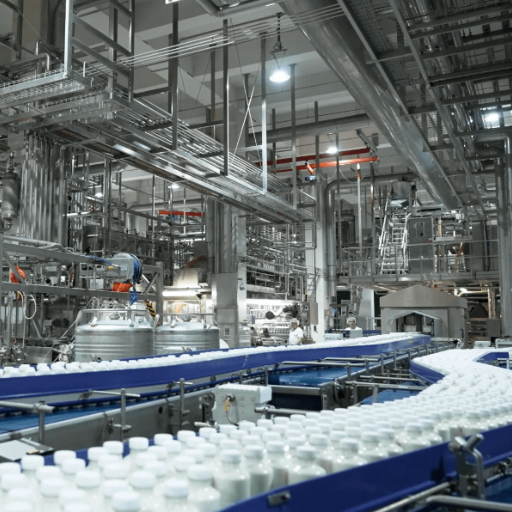
Quality control together with operational efficiency establishes the foundation which enables products to maintain consistent quality while minimizing waste and fulfilling customer requirements. The implementation of standardized procedures which include regular inspections and production process monitoring enables organizations to detect and solve problems without delay.
The application of data-driven methods which use performance metrics and key performance indicators (KPIs) enables organizations to obtain practical insights that help them improve their operational efficiency. The organization requires employee training together with effective communication methods to establish high standards while developing a culture that promotes ongoing enhancements. The combination of trustworthy quality control systems and efficient operations processes enables organizations to boost productivity while achieving all required regulatory compliance.
Implementing Quality Control Measures
The implementation process for quality control measures needs a systematic method that requires the integration of process standardization together with monitoring systems and corrective actions. The first step requires organizations to create special standards and procedures which follow industry best practices to establish uniform quality standards.
Advanced monitoring tools should be included through automated inspection systems and data analytics platforms which enable real-time detection of operational deviations. The organization conducts regular audits together with performance evaluations to check whether staff members follow established procedures while determining which areas need enhancement. The organization initiates immediate corrective action whenever it discovers discrepancies through the use of root cause analysis which helps to solve the fundamental problems. The organization uses this cyclical method to build a strong quality system which helps to reduce defects while maintaining both legal requirements and maximum operational performance.
Strategies for Operational Efficiency
The implementation of advanced automation together with lean methodologies will help your organization achieve better operational results through process optimization. The implementation of data analytics tools will help organizations identify workflow bottlenecks and examine their resource usage.
The organization should focus on workforce training because it helps employees develop skills that match the upcoming system developments and new organizational objectives. The organization will develop key performance indicators (KPIs) to monitor progress and use continuous monitoring systems to establish responsibility among its staff members. The combination of these strategies enables organizations to grow their operations while minimizing waste and achieving lasting performance improvements.
Regular Maintenance of Equipment
The equipment requires routine maintenance because it helps maintain operational efficiency while decreasing unexpected operational halts. The process requires following a detailed timetable which includes inspections, calibrations, lubrication, and parts replacement to achieve peak operational performance.
The organization should implement predictive maintenance technologies which include vibration analysis and thermal imaging and IoT-enabled sensors for failure prediction and proactive issue resolution. The organization needs to create comprehensive maintenance records which will help them monitor equipment performance patterns and make decisions based on actual information. The organization can achieve three benefits through these practices because they will increase equipment lifespan while decreasing repair expenses and enhancing system reliability.
Reference Sources
- New Haiguang – How to Conduct Market Research for Your Bottled Water Business
The guide provides a complete process to identify your target market and study industry developments and design production operations based on customer requirements. - SMF GmbH – How to Start a Water Company?
The document describes all necessary elements for establishing a water bottling operation which includes market research and legal requirements and equipment specifications. - Tayana Solutions – Production Management in a Bottled Water Plant
The study examines market research methods to find target customers and oversee operational activities at a bottled water facility.
Frequently Asked Questions (FAQs)
| Question | Answer Summary |
|---|---|
| What is required to start? | Business plan, market research, legal permits, equipment, and a reliable water source. |
| What equipment is needed? | Purification systems, bottling machines, labeling machines, and packaging systems. |
| How much does it cost? | Depends on plant dimensions, site, and equipment (average $150k – $500k). |
| What are the legal requirements? | Water extraction permits, health/safety compliance, and environmental regulations. |
| What types of water can be bottled? | Mineral water, spring water, purified water, and flavored water. |

Candy
Articles: 37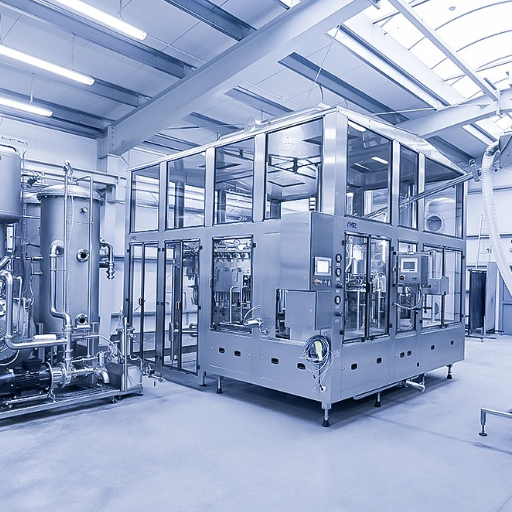
Trending now