Get in touch with Victorystar

From Orchard to Bottle How Is Apple Juice Processed Safely and Efficiently

Contents
show
Holiday memories are never incomplete without a visit to the orchards bursting with ripe fruits. Agreed, isn’t it? Pipe in cooling apple juice to quench your thirst. How cool is the journey of apple juice, alluring and intricate? Each bottle has an elaborative process where the natural flavor has to be protected at each step while ensuring safety and quality of the product. Do you know how the apples grow and mature on the trees and are later transformed into that golden liquid you savor with relish? This blog traces apple juice-making, exploring innovative methods and strict codes by which this transformation is made possible. Be it a curious consumer or just someone who enjoys his drink; you will have an eye-opening experience into a world of care, precision, and innovation that goes into delivering apple juice safely and efficiently onto your table.
The Journey of Apple Juice Production

Understanding the Apple Juice Production Process
The apple juice process begins with a careful selection of quality apples. Farmers make sure that the apples are picked when fully ripe so that they can bring maximum flavor as well as nutrition. Once harvested, the apples are washed clean of dirt, pesticide, and any other impurities. Milling then occurs, which is an operation whereby the apples are chopped finely into pulp to draw out maximum juice.
In the next step, the pulp is pressed-out-the extraction of juice is from the solid fruit matter, an indispensable stage. Hydraulic or pneumatic presses are used in modern juice plants for efficiency and maximum juice-to-fruit yield. Pasteurization of the juice is carried out to maintain safety and extend shelf life. Pasteurization heats the juice gently to kill the microorganisms yet retain the natural flavor and nutrients. Some manufacturers blend juices from different apple varieties to create more interesting taste profiles for consumer convenience.
Finally, the juice is packed in aseptic conditions to ensure its quality in storage and transit. High-quality control standards have been maintained during the whole process to adhere to health requirements and thus present a superior product to the consumers. Melding tradition with modern techniques in producing apple juice will ensure a pleasant and refreshing drink in every glass.
Key Steps in Juice Processing
1Harvesting and Selection
The process begins with the careful harvesting of ripe, high-quality apples. These apples are meticulously selected to ensure only the best fruits enter production. This step minimizes waste and guarantees the best taste and nutritional value in the final product.
2Cleaning and Pre-Processing
Next, the apples are thoroughly cleaned to remove dirt, debris, and potential contaminants. Advanced cleaning techniques, including high-pressure water sprays and brushes, prepare the apples for processing without compromising their quality.
3Crushing and Pulping
The cleaned apples are crushed and pulped to extract the maximum amount of juice. This mechanical process ensures efficiency while maintaining the freshness and natural essence of the fruit.
4Juice Extraction and Filtration
After pulping, the juice is extracted using state-of-the-art pressing techniques. The extracted liquid is then filtered to remove solids and achieve a smooth consistency, enhancing the drinking experience.
5Pasteurization
To ensure the product is safe for consumption and has an extended shelf life, the juice is pasteurized. This process involves heating the juice to eliminate harmful microorganisms while preserving nutrients and flavor.
6Blending and Flavor Adjustment
Depending on the product type, juices from different apple varieties may be blended to achieve a desired sweetness or tartness. Flavor adjustments using natural additives or enhancements are conducted meticulously to maintain authenticity.
7Packaging and Quality Assurance
Finally, the juice is packaged in sterilized containers under precisely controlled conditions. Each batch undergoes stringent quality checks to adhere to safety and health standards, ensuring a consistently premium product.
Modernized technology and strict quality control at every step are used in the method to create a tasty, safe, and nutritious beverage for consumers globally. It represents the synergy of traditional craftsmanship and modern methods in the production of juice.
Importance of Quality Fruit Selection
At the core of any precious juice is the quality of the fruits that it is made from. When one goes about selecting rhipened fruits that are flavorful, not only the tastes of nature are maintained, but the better nutritional values are also. There is a selection of fruits that are the freshness and ripeness seniors and are without any imperfections; these factors contribute directly to the level of quality of the final product. This leads to the least possibility of their needing artificial ingredients to enhance contrary to preserving the authenticity of the juice with good-grade fruits. The larger concept promotes sourcing from farms that are acknowledged to fight enforcement of sustainable and ethical agricultural practices. This meticulous thought results in a juice that shines in flavor, offers health benefits, and is made with love.
Harvesting and Preparing Apples for Juice
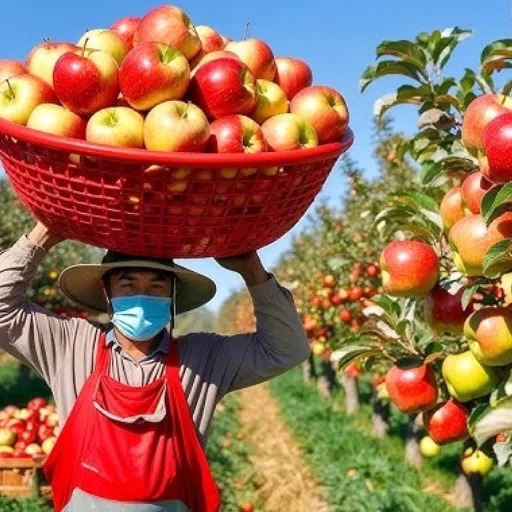
Choosing the Right Apple Varieties
Choosing the appropriate varieties of apples plays an important part in providing the juices with the right making of flavors and nutrition. Broadly speaking, apples are either sweet, tart, or a balance between these two, and the choice depends on what the cider maker has in mind. Fuji, Gala, or Honeycrisp are labeled as sweet because of the natural sugars they contain, and they make for sweeter juices. The Granny Smith or Braeburn varieties are good options for a crisper and more tangy flavor. Often times when mixed with other varieties, it glues together the well-rounded cover tones, sweet and tart, to carry through with a complex taste. One should also keep in mind their season of availability and the level of ripeness to ensure freshness and quality ripeness, which, in the end, favors the juice.
Harvesting Techniques and Timing
The appropriate harvesting of apples must be undertaken to give them the best taste, texture, and nutrition. Apples are harvested when they reach full maturity; this is determined by the variety and local growth conditions. Some instrumental signs of ripening are the change in color of the skin, ease of detachment from the tree, and sweet aromatic odor. Apples must be gently handled during harvesting to avoid bruising or damaging them. The smallest imperfection is enough to ruin storage. Many growers use tools such as picking bags and ladders for safety and convenience, while larger orchards opt to use mechanical harvesters to deal with the bigger harvests. Determining to harvest during good weather conditions preserves the integrity of fruit and prevents spoiling, thus assuring a perfect yield of top quality.
Washing and Sorting Apples
The apples are first washed thoroughly of dirt, pesticides, and any other residues so that the fruit is clean and safe for consumption or further processing. Large washing systems are frequently used in many orchards to gently scrub the apples while minimizing any damage to the usually fragile skin. Apples are then sorted according to size, color, quality, etc. Advanced systems use optical sensors with conveyor belts to quickly and effectively sort apples into various grades to speed up the process. Proper sortation will make an appetizing appeal of the apples and ensure consistency in quality. This is important both in direct sales and processing applications.
Juicing Techniques and Technologies
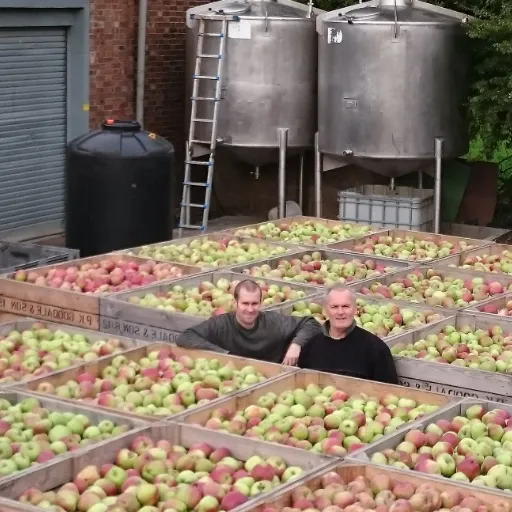
Methods of Extracting Juice from Apples
The apple juice extraction methods encompass the entire spectrum, from the traditional to the more advanced and efficient. The process of cold-pressing involves crushing and pressing apples to extract juice without heating it, and this method is particularly valued by manufacturers for the premium quality juice that is produced-from-the-apple-with-its-good-flavors intact. Another method consists of centrifugal juicing, whereby apples are whirled at immense speeds, thereby allowing juice to escape through a fine mesh filter separating the pulp. Another step that can be implemented involves enzymatic treatment, allowing the decomposition of apple pectin and cellular matter, thereby increasing juice yield and clarification.
The technological evolution saw the introduction of continuous belt presses and decanter centrifuges, which allow for an efficient large-scale production of juices. These may receive large amounts of apples while still treating the high-quality yield. The juice is then pasteurized for safety and shelf-life extension after extraction. Each method of extraction is chosen to suit the goals of the product, efficiency requirements, and the quality of dry juice desired.
Role of Enzymes in Juice Clarity
Enzymes impart a crucial function in one step of the clarification of fruit juices to break down molecules responsible for the cloudiness. In the case of fruit juices, enzymes, which include pectinases, amylases, and cellulases, are injected into the juice to break down pectins, starches, and celluloses. Pectinases are especially important to remove haze since pectins are largely responsible for turbidity. Further enzymatic hydrolysis of these polymers results in the juice manufacturers obtaining a clearer juice that has a better aesthetic appeal. Another advantage associated with enzyme use is the exclusion of longer processing time, thereby increasing filter efficiency and cost-effectiveness of large-scale production. This particular enzyme treatment tends to raise the attractiveness of the juice while maintaining its nutrient and flavor profile.
Comparing Traditional vs. Modern Juicing Methods
Modern juicing techniques rely on technology and enzyme application to optimize the efficiency and quality of the product. Such options have been created to address consumer demands for nutrient-based juices with an alluring look prepared with sustainable method and cheaper price. Thus, modern methods ensure not only smooth production but also guarantee consistent capabilities to meet scaling demands on the market.
Pasteurization and Its Importance in Juice Safety
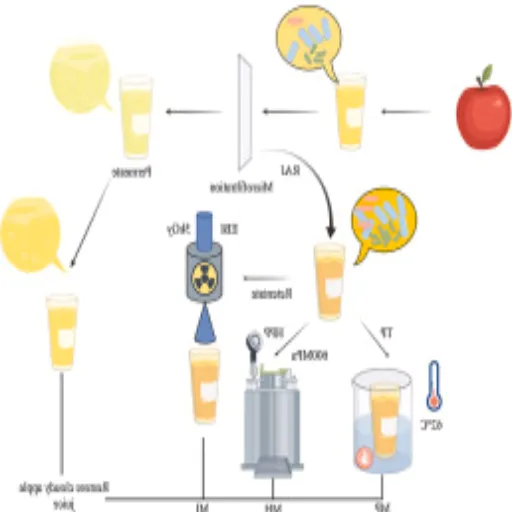
Understanding Pasteurization in Juice Processing
The process of pasteurization in juice-making is of utmost importance and aims to ensure safety and safeguard from immediate consumption and have longer shelf life upon being sold. This process, depending on the composition of the juice, applies a heat treatment whereby the juice is placed from a specific heating temperature suitable for a set time, eradication of microbiological danger, and foodborne toxins present in the juice, all without compromising flavor and nutrients in the beverage. With modern technological advancements, for instance, high-temperature short-time processing, capacity for enhanced functionality while striking an optimum balance with quality is assured. Now, as such, pasteurization participates in keeping consistency over large-scale production so that stringent safety laws and consumer expectations can be met by manufacturers. As the balance between security and quality results in pasteurization, the technique continues to represent the element which cannot be done without in the processing of juices.
Benefits of Pasteurization for Apple Juice
Key Benefits:
- Pathogen Elimination: Eliminates harmful pathogens such as E. coli and Salmonella, significantly reducing the risk of foodborne illnesses
- Extended Shelf Life: Inhibits the growth of spoilage microorganisms, making it more convenient for both manufacturers and consumers
- Quality Retention: Advanced methods like ultra-pasteurization help retain the natural taste and nutritional properties of apple juice
- Product Consistency: Stabilizes the juice and maintains consistency, supporting large-scale distribution
- Regulatory Compliance: Meets the demands of global markets while adhering to strict safety standards
Alternative Methods: Cold Pressing and Beyond
Cold pressing has thus become one of the leading alternative ways to pasteurize apple juice, allowing the retention of the natural flavor and nutrients of the juice. Hydraulic pressure is used to force out the juice without any heat source, thus limiting oxidation and preserving the vitamins, antioxidants, and enzymes therein. Traditionally, cold pressing has been linked to very small-scale production, but technological developments have permitted it to be done on scales larger than very small.
In addition to cold pressing, HPP proves to be an innovative technology gaining much attention. High pressure serves to inactivate a wide range of pathogens for the purpose of extending the shelf life without affecting the raw and fresh character of the juice. These technologies are consistent with further popular trends of consumers who demand minimally processed beverages balanced well enough in terms of safety with the natural character of the fruit. Both options are a clear indication that the industry is shifting toward cleaner, greener ways of making juices that appeal to health-conscious and eco-conscious consumers.
From Juice to Bottling: Final Steps in Production
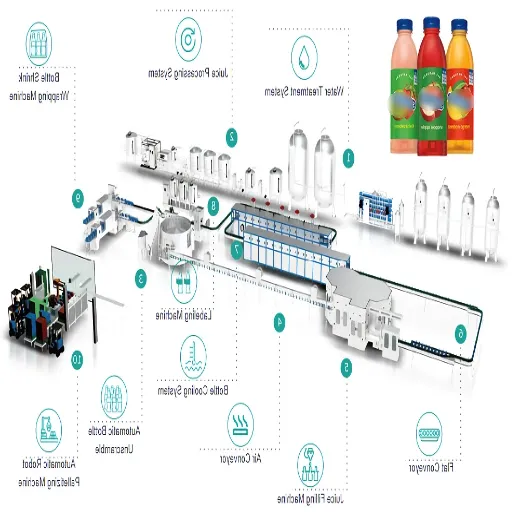
Packaging Options for Fresh Apple Juice
When it comes to packaging fresh apple juice, I believe the choice largely depends on preserving its quality, ensuring safety, and catering to consumer preferences. Each of these packaging options offers distinct advantages, so for me, selecting the ideal solution depends on balancing factors such as sustainability, cost, consumer convenience, and the preservation of the juice’s fresh taste and nutritional quality.
Storage and Shelf Life Considerations
Packaging decisions for juices have to weigh in the storage and shelf-life considerations because these affect product quality and customer satisfaction. From what I have gathered, refrigerated fresh juices have been given shelf-lives of between 3-10 days, depending on such factors as degree of pasteurization and storage temperature. Glass bottles count well as packaging solution for the juices because they are oxygen-impermeable and hence best for the conservation of fresh taste and nutrients. That notwithstanding, these are more expensive to handle, transport, and store in large quantities.
The other method of packaging is not as good for long shelf life. Tetra Paks, created with several layers comprising an aluminum barrier layer and a polyethylene lining, are considered the best to keep out light and oxygen since thus preserving the goodness of juice for considerably longer in the range of several months even without refrigeration. PET plastic bottles offer less protection; they are inexpensive, lightweight, shatter-resistant qualities that make them a better compromise between cost and durability than other plastic options. The shelf life for juices in PET bottles can range between a few weeks and a month, depending on pasteurization or the addition of preservatives, though.
Last of all, my preference would be the Tetra Pak, whenever siding with longer shelf life and sustainability, especially, in the case of juices that will undergo longer distance distribution or keep for a lengthy time. Then, I suppose, given their use on a much smaller scale or for high-end fresh juices to be consumed quite shortly after processing, my choice would remain glass bottles. They benefit from exalted branding of quality and integrity with the end result of taste and nutrient preservation. To weave in this telltale fit depends on the needs of the product itself and, ultimately, the chosen consumer base.
Regulatory Standards in Juice Production
Being touched by the limelight of regulatory standards for juice production means that all food safety and labeling criteria must be complied with. Set forth by the Food and Drug Administration as the building block of juice production law in the United States is the Juice Hazard Analysis and Critical Control Point system. This is a serious consideration that finds and controls hazards in the safety of food so that just safe food is being traded. Under the HACCP, there should be strict control at certain critical stages of production, processing, and Pasteurization, basically, sanitation, and, therefore, certain precautions must be taken for possible contamination hazards caused by pathogen existence, such as Salmonella or E. coli. Also, good manufacturing practices (GMP) must be followed by the juice processing plant pertaining to cleanliness specification, personal hygiene, and equipment maintenance.
Proper labeling practices that guarantee safety are paramount in regulatory adherence. The juice makers must ensure their labels comply with the FDA, where ingredients are listed in order of descending weight, along with nutritional facts, and a typical common name indication of the product that is accurately representative (e.g., a juice labeled 100% pure while it actually contains additives such as sugars or concentrates). Mislabeling can put any consumer to a state of confusion and simultaneously cause legal consequences for the non-compliance. In the case of exporting, producers should keep in mind the positions of varying regulations in different markets. For example, the European Union has very up-to-date food safety and labeling rules, covering allergen disclosures in their entirety and traceability of foods.
In the dynamic environment in which the industry operates, product quality against recalling or restriction of marketing is assured by staying well-informed or updated on these regulatory standards. Personally, I always do check the updated regulatory body’s regulatory framework, consult with food safety experts, and also ensure that my process of production is being audited from time to time. This further reinforces my belief that we should go beyond just meeting safety standards and instead build trust with consumers through dependable and transparent methods. Producing quality juice to me is as much about taste and quality as it is about absolute safety and compliance with set standards.
Reference Sources
- How Is Apple Juice Processed? – This source explains the steps involved in apple juice processing, including enzyme use and juicing efficiency.
- The Facts About 100 Percent Fruit Juice Processing – Details the extraction and pasteurization methods used to ensure safety in juice production.
- Apple Juice – an overview – A comprehensive overview of apple juice processing, including pasteurization and packaging techniques.
- Processing Apples into Juice – Discusses advanced extraction systems and methods to prevent oxidation during processing.
- Apples and Apple Juice – Covers the initial steps of apple juice production, including washing and residue removal.
Frequently Asked Questions (FAQs)
How is apple juice made through the production process?
Apple juice is made through the maceration and pressing of apples; when fresh apples are grossly pressed, juice will be extracted. Initial extraction produces a cloudy juice from apple with plenty of pulp and sediment. To achieve a clearer product, a few more treatments on the juice could be applied, including centrifugation and filtration. The production process might also go through pasteurization, which involves heating the juice to destroy microbes, thereby ensuring an extended shelflife of the juice. Hence, the juice makers find both unpasteurized apple juice and pasteurized varieties suitable depending on the market they target. Finally, the juice quality depends on the type of apples, and processing technique used.
What is the difference between apple juice and apple cider?
The distinction largely remains in the production methods and the final product’s clarity. Apple juice is usually pasteurized and filtered for clear juice, whereas cider, especially traditional types, may stay unfiltered aka cloudy. In addition, the term “apple cider” can be used to refer to fermented juice that is made into hard cider, an immensely popular alcoholic drink. Whereas apple juice is usually sweet and non-alcoholic. Thus, both are made from apples, but their treatments and final uses can differ widely. Knowing this helps a consumer pick a product to favor his or her preference.
How does enzymatic treatment affect juice extraction?
The enzymatic treatment is, in fact, especially noteworthy in juice extraction by breaking down pectin in the apple cell walls with the use of pectinase. This enzyme treatment allows for more juice to be released in maceration and pressing, thereby enhancing juice yield. After extraction, enzymatic clarification may be applied to the juice in order to eliminate starch and pectin,the final outcome being a clearer product. Also, this treatment could lower viscosity and boost the flavor of the apple juice, thus improving apple juice quality. Juice manufacturers, therefore, include this step in order to obtain maximum quantities and quality.
What are the preservation methods used for apple juice?
While preserving apple juice is vital to maintaining freshness and preventing spoilage, the methods, as such, have included pasteurization, in which the juice is heated to kill pathogenic organisms; and refrigeration, which retards bacterial growth. Also, cold storage of unpasteurized apple juice is a must because its shelf life is quite short. Aseptic processing may be applied to some juices to allow for room temperature storage in sealed containers. Preservation techniques make sure that consumers get safe and good-quality fruit juice made of apples. The selection of the method is usually based on the shelf life desired and product characteristics.
How does the filtration process contribute to clear apple juice?
Filtration for clear apple juice considers the removal of pulp, sediment, or any matter that can cloud the juice. This usually follows primary juice extraction and can be achieved by centrifugal clarification, which separates solids from liquids by applying force. Clearer apple juice is the result of clarification, thus improving the attractiveness and in-store durability for the producers. Most consumers tend to go for clear apple juice just because it is clear and, hence, a sign of quality. The other way filtration aids in obtaining juice is not to improve bitterness caused by pulp and skin solids-an endless source thereof, of course!-but to get rid of it, thus providing a pleasing flavor.
What are the health effects of consuming apple juice?
Apple juice offers numerous benefits for health owing to its abundance of vitamins and antioxidants. Fresh juice has an ample supply of Vitamin C, which helps build a robust immune system and healthy body. That said, however, consumers need also to consider whether the apple juice they are purchasing is clear or cloudy, since some studies indicate that cloudy apple juice may hold more fiber and beneficial compounds. Juice should be consumed in limited quantities as its excessive intake will account for sugar intake. It is advisable to select juices undergoing pasturization for lesser health hazards posed by unpasteurized apple juice. When consumed in moderation, apple juice can be a fairly healthy ingredient in a diversified diet.

DU
Articles: 45
Trending now