Get in touch with Victorystar

Exploring How Long Will Tap Water Last In A Plastic Container Under Different Conditions

Contents
show
Normally, water with tap service would be stored in a plastic container for emergencies, outdoor expeditions, or simple convenience. How long will the water remain safe and drinkable? This varies with conditions and factors, such as temperature, light, and quality of the container, etc. This feature touches on the science of storing water in plastic containers, with an investigation of the differing surroundings and practical tips for keeping your water supply as fresh and safe as possible. Planning for camping or emergencies, or just being naturally inquisitive on the topic-however, this is the guide to better informed decisions.
Understanding Tap Water Storage
What Defines Safe Tap Water Storage?
Safe tap water storage really involves choosing the right container, thinking about the storage environment, and applying good hygiene. Container selection is very important: food-grade plastic containers or stainless steel ones are best because their material interacts properly with water and does not release chemicals into it; thus, making the water safe to drink. Any containers that seem questionable should be discarded or repaired if possible; cracked, discolored, or smelly containers are an indication that contamination might have occurred.
Environmental factors also influence water safety. Store water in a cool, dark place to minimize exposure to sunlight and heat, as these can promote bacterial growth and accelerate the breakdown of plastics. Additionally, keep containers elevated and away from chemicals or materials that might seep into the water.
Hygiene practices are essential to maintain water quality. Always sanitize containers thoroughly before use, using unscented bleach or specialized cleaning agents, and ensure they are completely dry before filling. For optimal freshness, rotate stored water every six months and clearly label containers with the storage date. Employing these strategies ensures that your tap water remains safe and fit for consumption, whether it’s for daily use or emergency preparedness.
Factors Affecting Water Longevity in Plastic Containers
Several factors influence how long water can be safely stored in plastic containers. One key consideration is the quality of the plastic used. Food-grade, BPA-free containers are recommended, as they minimize the risk of harmful chemicals leaching into the water over time. Exposure to light, particularly direct sunlight, can accelerate the degradation of plastics and promote the growth of algae or bacteria, reducing water quality. Similarly, temperature fluctuations play a critical role; storing containers in a cool, stable environment helps maintain freshness and prevents chemical breakdown in the plastic.
Additionally, the cleanliness of the container prior to water storage is vital. Any residual contaminants, such as dirt or microorganisms, can compromise water purity and lead to spoilage. The seal of the container also affects longevity—airtight seals prevent the entry of air and microbes that could degrade water quality. Rotating stored water periodically, even when using high-quality containers, ensures that your supply remains fresh and safe for consumption. By managing these factors effectively, the longevity and safety of your stored water in plastic containers can be significantly extended.
How Long Can Tap Water Be Stored Safely?
The duration for which tap water can be stored safely depends on several factors, including the storage conditions, type of container, and initial water quality. Generally, tap water stored in clean, food-grade containers and kept in a cool, dark place can remain safe to drink for up to six months. Over time, however, chlorine, which is commonly used to disinfect tap water, may dissipate, potentially allowing bacteria or algae to grow if not properly sealed.
To ensure safety, it is recommended to label storage containers with the date of filling and rotate them regularly. Additionally, for longer storage periods, using water purification treatments like water preserver drops or tablets can help maintain water quality. These measures are particularly important for emergency water storage, as they reduce the risk of contamination and ensure the water’s usability when needed. Remember, even with proper precautions, it’s essential to inspect the water for any unusual odor, cloudiness, or change in taste before consumption.
Comparing Tap Water and Bottled Water
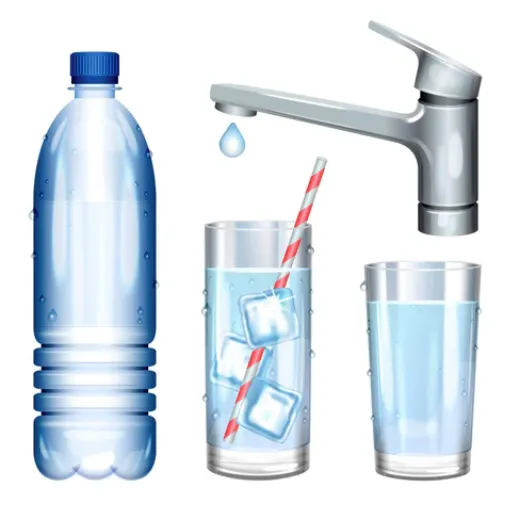
Differences Between Tap Water and Bottled Water
Tap water and bottled water differ in multiple ways, including their source, treatment processes, cost, and environmental impact. Tap water typically comes from municipal water supplies, where it undergoes regulated treatment processes to ensure safety and quality. These treatments may include filtration, disinfection with chlorine, and testing for contaminants. On the other hand, bottled water is often sourced from springs, wells, or treated municipal water, with brands emphasizing purity and mineral content as key selling points. However, bottled water may not always be subject to the same rigorous oversight, depending on local and national regulations.
Cost is another significant difference. Tap water is far more economical, as consumers pay only for their water utility services, making it highly accessible. Conversely, bottled water can be significantly more expensive due to packaging, branding, and distribution costs. From an environmental perspective, tap water has a much lower footprint because it avoids the plastic waste associated with bottled water. While many bottled water containers are recyclable, large quantities still end up in landfills, contributing to pollution. Ultimately, the choice between tap and bottled water often depends on individual preferences, accessibility, and concerns about safety or taste.
Does Bottled Water Go Bad? A Closer Look
Bottled water does not necessarily “go bad” in the traditional sense, as it doesn’t spoil like perishable foods. However, over time, it can undergo changes that affect its quality and safety. Manufacturers typically include a “best by” or “use by” date on bottled water, not because the water itself degrades, but to ensure the packaging materials remain intact and the flavor stays optimal. Extended storage or exposure to heat and sunlight can cause the plastic to leach chemicals, such as bisphenol A (BPA) in certain types of bottles, which may alter the taste and potentially impact health.
Additionally, the storage environment plays a key role in maintaining bottled water’s quality. Storing water in a cool, dark place can help preserve its freshness and reduce the risk of microbial growth, especially if the seal has been broken. This is why experts recommend consuming bottled water within the manufacturer’s suggested timeline and avoiding stockpiling bottles for extended periods.
By staying mindful of storage conditions and prioritizing bottles made from safer materials, consumers can mitigate risks and enjoy bottled water as a convenient hydration option.
When to Choose Bottled Water Over Tap Water
There are specific situations where bottled water may be the preferred choice over tap water, particularly when safety, convenience, or quality is a concern. For instance, in areas where the tap water is known to contain contaminants or fail to meet safety regulations, bottled water provides a reliable and safer alternative. This is especially crucial during emergencies, such as natural disasters, where public water supplies might become compromised. Additionally, individuals with weakened immune systems or specific health conditions may opt for bottled water as a precautionary measure to avoid potential exposure to harmful microorganisms.
For travelers, bottled water offers a practical solution when visiting regions where the tap water may not be adequately filtered or treated. It also provides consistency in taste and quality, making it a favorable choice for those who are sensitive to mineral variations in water sources. Furthermore, bottled water is a convenient and portable option for outdoor activities, such as hiking or camping, where access to clean water might be limited. While it is important to minimize plastic usage and prioritize sustainable practices, understanding these scenarios can help consumers make informed choices about when bottled water is truly necessary.
Best Practices for Water Storage
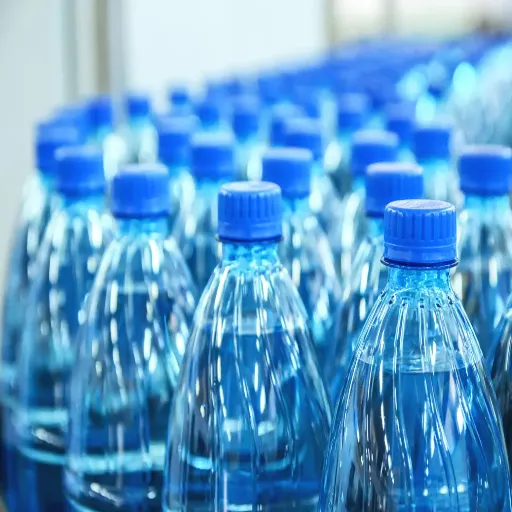
How to Properly Store Water in Plastic Containers
Storing water in plastic containers requires attention to safety, cleanliness, and environmental considerations. To maintain the quality of stored water, always use food-grade plastic containers that are specifically labeled as safe for water storage. These containers are designed to resist leaching harmful chemicals into the water over time. Ensure the container is thoroughly cleaned and sanitized before use, using a mild bleach solution to eliminate bacteria.
Use water that is clean and potable while filling the container, and do leave some little headspace in case expansion occurs during freezing. The vessel should be kept in a cool, dark place away from direct sunlight and heat sources since UV rays accelerated by high temperatures can degrade plastic individuality and thereby affect water quality. Check on the containers every now and then for any signs of damage, discoloration, or leaking and replace them when necessary. If the water is to be stored for the long term, tablets for water purification can be added or the water rotated every six months for longevity and safety.
Labeling each container with the date of storage helps establish rotation schedules. Last but not least, do not store water next to chemicals, gas, or substances that carry a distinct odor. Plastics may sometimes absorb these smells, impairing the taste and safety of the water. This way, your water will be safe and ready for use at all times.
Emergency Water Storage Tips
Modern water-storage techniques and scientific know-how into practice would bring emergency preparedness one step higher. Begin with investing in food-grade containers of excellent quality and the best long-term water storage option. Containers made out of high-density polyethylene (HDPE) and labeled BPA-free are preferred because these prevent chemicals from leaching into the water. For a large-scale solution, water-barrels or casks with secure airtight lids can store huge quantities while protecting the water from contamination.
Additional methods of treating water should be applied as a secondary precaution. In that respect, UV sterilizers or chemical treatment tablets would provide added protection by killing off bacteria, viruses, and other harmful pathogens. Check regularly for damages or leakage in your storage containers and replace them when necessary. Also, create a schedule for water rotation, whereby stored water is exchanged at intervals of six months to one year.
Finally, keep the water in a cool, dark place, away from any exposure to the sun or temperature fluctuations that would alone bring in degradation in quality. It is also suggested not to keep the container in close vicinity to chemicals, paints, or cleaning supplies, as the odors and fumes can lure deterioration of the stored water’s safety along with taste. Implementation of such scientific means provides the maximum feasibility for prolonged life, good taste, and safe emergency water supply, giving rest to the mind in times of need.
Using Bleach for Water Treatment: What You Need to Know
Emergency situations require a treatment offer highly effective and readily available to treat water. Sodium hypochlorite is the active component in most household bleach-the killing agent for bacteria, viruses, and other harmful microorganisms in the water that has got contaminated. Use bleach for water treatment by first ensuring it is contrast-free-from any type of added fragrances, detergents, or dyes.
For proper application, add 8 drops (about 1/8 teaspoon) of bleach to 1 gallon of clear water. If the water is cloudy or murky, use 16 drops (around 1/4 teaspoon) per gallon. Stir thoroughly and allow the water to sit for at least 30 minutes to ensure effective disinfection. After this time, the water should have a slight chlorine smell, indicating that the treatment has been successful. If no odor is detected, repeat the process and wait another 15 minutes. Treated water should be stored in clean, sealed containers to maintain its safety and quality.
A Bleach treatment can be considered an emergency means of water treatment to render water safe for drinking, rather than as a long-term solution. If an excessive quantity of bleach is added to the water, it will result in an unwilling taste in the water. Also, heavy metals and chemical pollutants are not removed by this treatment. The water could be complemented with a high-quality water filter or an entirely different water treatment method for longer use. Always follow your manufacturer guidelines and recommended dosages to assure the water is being treated effectively and safely.
Signs of Water Going Bad
How to Identify Bad Water: Taste, Smell, and Appearance
Distinguishing bad water will help one ensure safety and maintain health. The contaminated water sooner or later gives away warning signs through sensory perceptions. There are such instances when water tastes suspiciously funny, a sort of bitterness, metallic notes, or a rubber/plastic flavor; it thereby signals to be dissolved chemicals, minerals, or microbial growth. On the other hand, a foul-termed-to-theory of chemicals-smell, maybe lack of sulfur, chlorine, or mustiness, can also mean the decay of organics or contamination of cleaning agents or industrial pollutants.
The water quality is indeed judged on appearance concerning clarity and other parameters. A cloudy or hazy appearance generally warns the observer of imperfect filtration of water. With some algae, it might show a greenish tint. Slight reddish or browning coloration could imply gastritis due to rust or iron. Oil residues and floating pieces are serious kinds of contamination. They need to be worked on immediately. If one observes these contaminants, further actions for testing of the water and heavy purification solutions to protect drinking water quality and world health should be taken without delay.
What Happens When Water Goes Bad?
Whenever water is contaminated, it endangers human health and cripples ecosystems and their daily functions. Water-borne diseases such as cholera, dysentery, or giardiasis are caused by harmful bacteria, viruses, or parasites getting into water supplies. Chemical contaminants like pesticide residues, heavy metals, and industrial runoff accumulate in water over time, giving rise to chronic illnesses and placing a heavy demand on water treatment schemes. Furthermore, water contamination disturbs agricultural productivity, with crops irrigated with low-quality water possibly developing problems or growing toxic residues. In long-term perspectives, contaminated water will exert so much pressure over the economic resources because of their considerably high costs in filtration, medical treatment, and environmental rehabilitation. All these cascading effects of unfit water make it imperative that everybody has access to clean water.
Preventing Contamination in Stored Water Supplies
Making sure water is pure inside the tanks or reservoirs requires the incorporation of a series of preventive measures to safeguard and mitigate the hazards of contamination. Properly designed storage systems are of great importance, with sealed tanks or reservoirs preventing the entrance of contaminants, such as debris, microorganisms, and industrial pollutants. From time to time, storage tanks should be cleaned and examined so as to inhibit the accumulation of deposits or biofilms that may alter the water quality. Advanced filtration and disinfection methods, such as ultraviolet treatment or chlorine dosing, can be applied to derecognize the existence of detrimental agents that destroy and endanger stored water.
Environmental conditions can, in fact, affect water quality. The water, hence, should be stored away from direct sunlight, preferably in cool places to avoid heat treatment and growth of algae. Moreover, the materials should be certified for potable water storage purpose to prevent any chemical impurities from leaching into water. Efficient water monitoring technologies, such as automated sensors or intermittent test kits, ensure that the stored water passes the safety parameter, thus serving as a preventive mechanism from contamination. Following these methods holds society’s interest in public health and availability of clean water for several uses.
Long-Term Water Storage Solutions
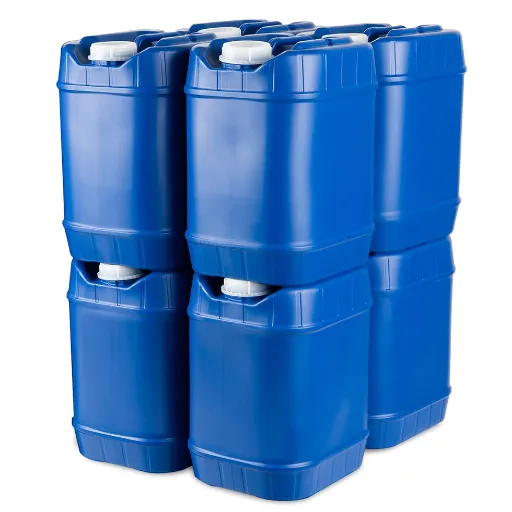
Choosing the Right Plastic Containers for Water Storage
When storing water in plastic containers, I like to choose the materials that are safe, sturdy, and made specifically for potable water. Food-grade plastic containers such as HDPE are encouraged-they don’t leach toxic chemicals, BPA-free, and highly resistant to chemical leaching. Unlike other types of plastics that degrade over time, HDPE containers do not do this when water is stored, ensuring safety and maintenance of quality in the supply. I also check if any NSF (National Sanitation Foundation) certifications or markings claim it’s approved to hold drinking water. This, therefore, gives assurance for meeting industry safety and hygiene standards.
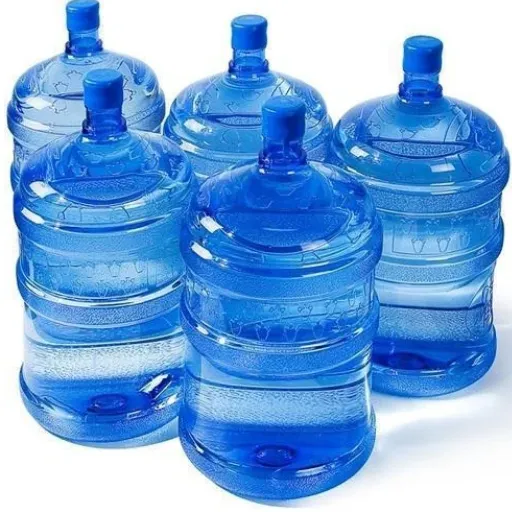
Size and design are very important to me. Smaller containers, such as those having 5 gallons, move around well in an emergency, while a full-sized barrel of 55 gallons is something you might want to have at home for long-term storage. I do look if containers have airtight lids that close very well, so contamination does not take place and evaporation is less. Opaque and dark containers are what I choose for storage, keeping the water away from sunlight that assists algae formation.
Further on, I make certain to check used containers, if they are repurposed. The most vital consideration is that the containers should have been previously used only for storing food or edible liquid, because residues of non-edible commercial substances might pollute water supplies. In this manner, with the right guidelines in place and having a good selection of storage containers, my water remains pristine, safe, and ever-ready for use in any scenario.
How to Rotate and Refresh Stored Water Supplies
Water being stored must remain safe and potable with a periodical rotation and flushing regimen in place. I try to rotate the stored water every six months to make sure that it is as fresh as possible. If left sealed, commercially bottled water could last longer, so in order to prevent instances of stagnation or contamination, the water that one personally stores is better rotated with this time frame. To keep track of this rotation, I simply mark the containers with their storage date so I always know when to refresh the bottles. This small act ensures that my supply is always within a safe and drinkable timeframe.
I will empty the containers first, thoroughly cleaning it with some mild dish soap and warm water. I then proceed to sanitize it using a solution composed of 1 teaspoon of unscented household bleach per quart of water, soaking it for nearly 30 seconds followed by another thorough rinse. Now after cleaning, the containers are set with fresh potable water. For untreated tap water, I give it a splash of unscented bleach (at about 1/8 teaspoon per gallon) to help it stay safe for long periods of time, just if I’m uncertain of my city’s water quality or chlorination.
By maintaining this rotation system and regularly inspecting the containers for any signs of wear, leaks, or contamination, I can ensure my stored water remains clean and ready whenever I need it. Staying proactive and organized with this process gives me peace of mind, knowing my essential water supply is safe and reliable for any urgent situation.
Alternatives to Plastic: Best Containers for Long-Term Storage
When storing water for prolonged periods, I find several great alternatives to the plastic containers that are durable, safe, and environmentally friendly. Stainless steel containers constitute, in my view, one of the best selections. Stainless steel is non-reactive, and it will not leach any chemicals in the water in the course of time; secondly, it is highly durable, resisting being cracked, dented, or worn away. Most food-grade stainless-steel water storage containers are made keeping long-term use in mind, and they are designed to be sealed air-tight to ensure the water inside remains free of any contaminants. But it is further a handicap of stainless steel containers-they are opaque and hence the visibility of the water becomes difficult, so easier to check for clarity or contaminants. This can be offset to some extent with a self-discipline of regular cleaning and replacement.
Glass containers make another fine alternative. If we talk about the best-type food-grade glass, tempered glass will do well to keep water pure and prevent any leaching of toxic substances. Being good for the environment, rather, it does not go against a little bit of reusing and recycling. However, the glass is heavy and breakable; so I handle and store it carefully to avoid accidents. Some have proposed amber or dark glass, which can block UV light and aid in preserving the water’s quality for long-term storage.
Another option I have considered for long-term water storage is using ceramic containers with food-safe liners. These containers offer very good protection against light shining upon water and they should pose the least alteration on taste compared to some forms of plastic. However, they tend to be bulkier and thus more difficult to move, so the containers are best set up as stationary storage. By considering other options and their respective pros and cons, I may then better decide upon the ideal material to assure safe, stable water to be stored for the future.
Reference Sources
University of Florida IFAS Extension: Preparing and Storing an Emergency Safe Drinking Water – This source discusses the shelf life of properly stored water and provides guidelines for maintaining its quality.
Jerry Cans UK: How Long Will Tap Water Last In A Plastic Container? – Offers insights into the duration tap water can remain safe in plastic containers under various conditions.
Centers for Disease Control and Prevention (CDC): Safe Water Storage – Provides safety guidelines for storing water, including the types of containers to use and avoid.
Frequently Asked Questions (FAQs)
How long can tap water be stored in plastic containers?
Drinking water can be stored in containers made of plastics for up to six months. Over time, the water starts absorbing chemicals from the plastic, more so if the plastic is not of food grade. Ideally, water should be kept in a dark and cool place, where there is minimal chance for degradation. The water itself never expires, but it is recommended to change the stored water every six months for safety. If well-made containers, especially designed for water storage are used, the water can remain safe for longer. Check for any strange odor before drinking.
Does bottled water expire or go bad?
Technically, bottled water doesn’t have an expiration date as such; however, it can turn bad when the plastic begins to leach chemicals. Plastic bottles containing water, if stored properly-away from heat and sunlight-can last forever, but it is recommended to consume it within two years to guarantee the best flavor and also the quality. Resistance to contamination usually means that one has to check for any signs of discoloration or odd smells. The more it is kept in a cool and dark place, the lesser the probability of it developing issues. Check for tightly sealed caps to ensure the quality.
Can tap water be stored in any container?
Not all containers are suitable for the storage of tap water. Containers used for storing water are ideally made of food-grade plastic to avoid leaching. Glass bottles are also a good option if one wishes to avoid any possibility of contamination. However, they can be heavier and more prone to breakage. Containers that have held non-food materials before should not be used as they may contaminate the water. While storing tap water, the container must be cleaned and sanitized before storage. One should also seal it tight enough to avoid any contamination from the environment.
What is the shelf life of stored water?
The shelf life of stored water is usually six months to one year, depending on the storage conditions and containers used. In case the water is stored in good plastic water bottles or containers meant for water storage, it can last longer. The utmost care must be taken in keeping water in places that are cool and dark from an environmental standpoint, for safety and quality. This can be checked at regular intervals for any changes in taste or odor, which may be an indication for replacement. In emergency situations, water supplies must be rotated every six months to keep them fresh. Storage containers must always be clean and sanitized to avoid any contamination.
How should emergency water be stored?
Please store emergency water in any clean water container, but preferably it should be food-grade plastic containers or glass bottles. These containers must be kept sealed in a cool, dark place. Plastic bottles should be types approved for water storage, as non-approved types could leach contaminants. Water may stay safe to drink for many years if properly sealed and stored; emergency water supplies, however, are recommended to be replaced by six months at best. Note down the storage date on every unit to keep track of water replacement days. Before using, always check the water for any unusual odor or taste.
How can I tell if stored tap water is still safe to drink?
Water that is stored generally remains safe to drink, on the condition that you ensure the container is clean and sealed properly and stored under suitable conditions. The general safety of water may be assessed based on any weird smell, color, or taste the water could emanate. If there is any stinky smell or funny taste to it, it is best to not risk it and dispose of the water. You should replace your water any time the container gets compromised or shows signs of breakage or damage. Regular checks will basically keep your water safe. Remember: water per se never goes bad! But over certain stretches of time, especially if exposed to light or heat, the quality may go down.

DU
Articles: 45
Trending now