Get in touch with Victorystar

Top 15 Fruit Pulp & Vegetable Sauce Production Line Manufacturers Updated List in 2026

Contents
show
Top 15 Fruit Pulp & Vegetable Sauce Production Line Manufacturers Updated List in 2026
Choosing the appropriate supplier determines the quality of the product, the efficiency of the production, and the profitability over the long run. The article gives an overview of the processing industry for fruit and vegetable applications and points out how the vine modern processing plant, with a pulping machine, extractor, aseptic filling, and sterilization, works together to produce safe drinks, fruit juice, and puree. It further illustrates the standards for assessing a machine maker and gives a sneak preview of the present trends influencing fruit pulp processing apparatus and vegetable processing line solutions.
Introduction to Fruit and Vegetable Processing Lines

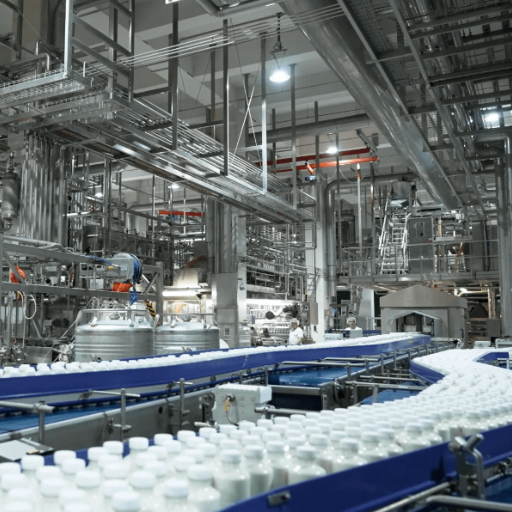
Processing lines for fruits and vegetables change raw commodities into stable, ready-to-sell-market products like fruit pulp, tomato paste, ketchup, chili sauce, fruit jam, and fruit and vegetable juice. A normal processing line integrates a making machine, extractor, and pulping machine with paste production, aseptic treatment, processing, and bottling or pouch packaging. The spectrum of operations from citrus processing to apple processing lines is covered by integrated line solutions that are specifically designed to increase production efficiency, together with strong quality control and product quality uniformity in diverse beverage and sauce categories.
Overview of the Industry
The food processing industry of fruits and vegetables includes the systems for making fruit puree, the lines for processing tomato paste, and the whole beverage processing solutions. The top companies give out adaptable options from raw material intake to aseptic filling and sterilization. Be it for juice line outputs or jam production, modern processing units use modular fruit pulp processing for making diverse recipes, from fruit puree to vegetable pulp extracts, which helps suppliers to serve retail, foodservice, and industrial customers globally.
Importance of Quality in Production Lines
Hygienic design, exact temperature control, and validated sterilization make a big difference in product quality and safety. Effective quality control guarantees stable puree viscosity, precise Brix for fruit juice, and microbiological safety for tomato sauce and ketchup. Contamination risks are solved by using aseptic filling and tightly controlled processing and packaging, which also preserves flavor and color. Reliable fruit pulp processing machinery and extract systems decrease waste, enhance production efficiency, and keep the sensory attributes of vegetables mixed in every batch the same in any vegetable processing operation.
Current Trends in Sauce Production
Sustainability, flexible automation, and adaptable packaging are the most important trends in today’s production industries. To reduce their resource consumption, manufacturers are investing in energy-efficient heaters, water recirculation, and clean-in-place systems; on the other hand, smart sensors and data analytics are optimizing throughput and minimizing downtime. The demand for pouches as a packaging format is increasing, along with that of traditional glass, which is why the filling machines for tomato paste and chili sauce must be flexible. Improvements in extractor design and continuous pulping result in a higher yield from fresh fruit, while aseptic technology is still giving room for the preservation of the quality and diversity of beverage and puree portfolios by allowing tighter process control and faster changeovers.
Criteria for Evaluating Manufacturers

When it comes to choosing a supplier for a fruit and vegetable processing line, the buyer has to consider technology maturity, cost-to-value, and after-sales service. The emphasis should be on modular lines that integrate pulping, extraction, aseptic filling, and sterilization, supported by reliable certifications and good references. Use references from tomato paste processing, citrus and apple processing line projects to verify industrial scale performance.
Technology and Innovation
Automated systems and hygienic design assure uniformity and efficiency of operations. Control systems of the highest grade assure evenness in temperature and flow throughout the whole production of paste, fruit pulp, and puree; at the same time, hygienic designs have made possible the quick clean-up of the areas. New extractor and pulping machine designs are so gentle that they bring higher yields from fresh fruit and vegetable pulp. A state-of-the-art processing plant should make it possible to produce the beverages based on facts, perform aseptic treatment, and package them in glass or pouch according to the demand, thus allowing quick changeovers from tomato sauce to fruit jam or chili sauce.
Cost-Effectiveness and Value
The total ownership cost is more significant than the purchase price. A good design for a fruit puree production line or tomato paste line solution will use energy recovery, pump optimization, and synchronized making machines that waste little to no materials, thus improving production efficiency. Open spare parts pricing, long service intervals, and the use of standard components all contribute to reduced uptime. Look at the potential for scale-up from pilot beverage to full-scale fruit and vegetable juice, and confirm that the contractor gives the option of financing or gradual upgrades that guarantee the value of age-old investments, and at the same time improve the quality of the product.
After-Sales Service and Support
The uptime is protected by the global service, training, and fast parts support, which is very strong. A supplier with worldwide service people, online diagnostics, and speedy parts for fruit pulp processing equipment should be given priority. Training programs for the operators and quality teams are very comprehensiv,e and they ensure that the aseptic protocols, sterilization validation, and extract optimization are executed consistently. Require service level agreements for preventive maintenance to cover vegetable processing and tomato paste assets and also check the response times. The very strong documentation and life-cycle audits not only help to maintain compliance but also assist in stabilizing puree and fruit juice specifications and in prolonging the processing plant’s performance.
Top 15 Manufacturers of Fruit Pulp & Vegetable Sauce Production Lines

This chapter showcases the top partners in the field of machine manufacturing who offer total solutions for processing fruit and vegetables through the use of the complete processing line. Each partner is notable for their collaboration with the supplier’s providing pulping equipment, extractor technologies, aseptic filling, and sterilization to create an interconnected factory.
1
Victorystar
Founded: Information not specified
Introduction: Victorystar specializes in beverage and juice production lines, offering cutting-edge automation technologies.
Main Products
Mango juice processing lines, tomato juice processing lines, and other beverage production systems
✓ Key Advantages
- Advanced automation with PLC and SCADA systems
- High scalability and sustainability
- Real-time monitoring for quality assurance
⚠ Key Disadvantages
- Limited information on specific founding year and history
Website: Victorystar
2
ProFruit Machinery
Founded: Information not specified
Introduction: ProFruit Machinery focuses on innovative equipment for fruit and berry puree production.
Main Products
Sorting conveyors, crushers, monopumps, and heat exchangers
✓ Key Advantages
- Customizable solutions tailored to client needs
- High-quality equipment for puree and pulp production
⚠ Key Disadvantages
- Limited global presence
Website: ProFruit Machinery
3
Bertuzzi Food Processing
Founded: 1936
Introduction: Bertuzzi specializes in tomato paste and vegetable sauce production lines.
Main Products
TurboMax pulpers, Frumaco evaporators, and aseptic fillers
✓ Key Advantages
- Long-standing expertise in food processing
- Fully customizable production lines
⚠ Key Disadvantages
- Focused primarily on tomato-based products
Website: Bertuzzi Food Processing
4
Shanghai Jump Machinery & Technology Co., Ltd.
Founded: Information not specified
Introduction: A leading Chinese manufacturer of fruit and vegetable processing lines.
Main Products
Tomato paste lines, fruit juice lines, and jam production lines
✓ Key Advantages
- Strong R&D capabilities
- Wide range of processing equipment
⚠ Key Disadvantages
- Limited information on global installations
Website: Shanghai Jump Machinery
5
Antler Automation Equipment (Suzhou) Co., Ltd.
Founded: Information not specified
Introduction: Specializes in vegetable sauce and fruit jam production lines.
Main Products
Industrial ketchup and sauce production lines
✓ Key Advantages
- Affordable pricing
- Focus on automation
⚠ Key Disadvantages
- Smaller scale compared to global competitors
Website: Antler Automation
6
Zhangjiagang Genyond Machinery Co., Ltd.
Founded: Information not specified
Introduction: Offers a variety of fruit and vegetable processing machines.
Main Products
Tomato paste lines, juice machines, and essential oil machines
✓ Key Advantages
- Diverse product range
- Competitive pricing
⚠ Key Disadvantages
- Limited focus on high-capacity systems
Website: Genyond Machinery
7
Gelgoog Intelligent Technology Co., Ltd.
Founded: Information not specified
Introduction: Known for ketchup and sauce production lines.
Main Products
Tomato paste machines and juice production lines
✓ Key Advantages
- Fast delivery times
- High-quality stainless steel equipment
⚠ Key Disadvantages
- Limited global reach
Website: Gelgoog Technology
8
Wenzhou Yinuo Machinery Co., Ltd.
Founded: Information not specified
Introduction: Focuses on stainless steel processing equipment.
Main Products
Evaporators, mixing tanks, and sauce production lines
✓ Key Advantages
- High-quality materials
- Customizable solutions
⚠ Key Disadvantages
- Smaller production capacity
Website: Yinuo Machinery
9
Shanghai Leadworld Machinery Technology Co., Ltd.
Founded: Information not specified
Introduction: Specializes in canned food and sauce production lines.
Main Products
Tomato paste filling machines and canning lines
✓ Key Advantages
- Strong focus on canning technology
⚠ Key Disadvantages
- Limited product diversity
Website: Leadworld Machinery
10
Henan Methena Machine Co., Ltd.
Founded: Information not specified
Introduction: Offers small-scale tomato paste production lines.
Main Products
Ketchup and sauce processing machines
✓ Key Advantages
- Affordable for small businesses
⚠ Key Disadvantages
- Limited scalability
Website: Methena Machine
11
Zhucheng Maikang Mechanical and Electrical Technology Co., Ltd.
Founded: Information not specified
Introduction: Focuses on vegetable washing and sauce production lines.
Main Products
Pasteurizers and washing machines
✓ Key Advantages
- Strong focus on hygiene
⚠ Key Disadvantages
- Limited product range
Website: Maikang Technology
12
Henan Foodline Machinery Co., Ltd.
Founded: Information not specified
Introduction: Specializes in chili sauce and jam production lines.
Main Products
High-capacity sauce processing lines
✓ Key Advantages
- High output capacity
⚠ Key Disadvantages
- Limited focus on fruit pulp
Website: Foodline Machinery
13
Shanghai Keyfood Machinery Co., Ltd.
Founded: Information not specified
Introduction: Offers turnkey solutions for juice and jam production.
Main Products
Juice and jam processing lines
✓ Key Advantages
- Comprehensive turnkey solutions
⚠ Key Disadvantages
- Higher initial investment
Website: Keyfood Machinery
14
Zhangjiagang King Machine Co., Ltd.
Founded: Information not specified
Introduction: Known for juice and sauce filling lines.
Main Products
Tomato sauce and juice production lines
✓ Key Advantages
- High-speed production lines
⚠ Key Disadvantages
- Limited focus on small-scale operations
Website: King Machine
15
Weishu Machinery Technology (Shanghai) Co., Ltd.
Founded: Information not specified
Introduction: Specializes in dairy and juice production lines.
Main Products
Tomato sauce and juice processing equipment
✓ Key Advantages
- High-quality standards
⚠ Key Disadvantages
- Limited product diversity
Website: Weishu Machinery
Innovations in Fruit and Vegetable Sauce Production Technology

Integrated, data-driven lines keep the quality and efficiency in balance. The current line solutions merge a pulping machine with an extractor, aseptic filling, and sterilization in a connected sauce and juice production line. Data-driven controls maintain the quality of tomato sauce and tomato paste while protecting the structure of puree and the integrity of fruit pulp from fresh fruit. The manufacturers make food processing sustainable, allowing flexible processing and packaging, from glass to pouch, across fruit and vegetable juices and chili sauce portfolios.
Advancements in Pulping Machines
Through the use of adjustable screens, variable-speed rotors, and optimized pathways, the yield is increased in a way that rheology is protected. Meanwhile, the gentle shear means that seed and skin fragmentation is reduced, which in turn allows the fruit juice to have better clarity and the fruit jam to have better texture. In the processing line of tomato paste, the de-aeration, enhanced upstream of the making machine, prevents oxidation. The tool-less changeovers make it fast to produce fruit recipes and vegetable pulp runs. The integrated quality control sensors keep track of pulp consistency; therefore, a machine manufacturer can provide a line solution that enhances production efficiency and product quality.
Automation in Processing Lines
Throughput and quality are stabilized by end-to-end automation with advanced analytics. The entire processing line is now automated; the fruit processing line and vegetable processing line modules communicate through PLC/SCADA systems. Advanced analytics coordinate extractor throughput, aseptic heating curves, and sterilization holds, leading to stable outcomes in ketchup, chili sauce, and puree. Model predictive control distributes energy to maximize paste production while adaptive CIP schedules minimize downtime. Digital twins are used by a supplier to check the capacity for fruit and vegetable juice before he is aligned with the technical team. Remote diagnostics take care of fruit pulp processing equipment and provide rapid resolution and standardized recipes to all beverage processing and sauce processing line operations.
Sustainability Practices in Production
Heat recovery, water recirculation, and waste valorization reduced utility costs and the environmental impact. A factory uses heat exchangers in the production of tomato paste and fruit puree steps as a way to lower utility costs. Besides, fiber-rich fruit pulp and vegetable residues can be transferred to the by-products, which will lead to better food processing efficiency as a whole. A closed-loop CIP system minimizes chemical use, while aseptic filling allows for ambient distribution that takes the demand for cold-chain supply down. Suppliers provide packaging versatility with different formats, including pouches, that use the least material possible. Product quality is matched with goals to increase production, improve environmental performance, and reduce waste.
Customer Insights and Case Studies

Customer perspectives shed light on the impacts of actual investments in processing lines on the cost, uptime, and quality of the product in the various fruits and vegetables categories. Integrated lines coupled with excellent service provide steady results in sauces, purees, and juices. The feedback from the citrus and apple processing line customers emphasizes the need for quick after-sales service, dependable quality control, and processing and packaging options that can easily switch to support the changes in the beverage and sauce portfolios.
Review of Customer Experiences
Reworking has been significantly reduced, and efficiencyhas been greatly improved through the use of modular equipment and precise controls. In the case of tomato paste processing line deployments, the automation system not only increased production efficiency but also reduced the use of steam. The beverage processing teams have been very positive about the inline Brix and viscosity monitoring for fruit and vegetable juice, which has led to faster batch release times. Standardized aseptic procedures and sterilization validation training coming from the machine manufacturer have been highly appreciated by many. Pouch flexibility in the sauce production line has been another feature that users admire, as it allows for quick format changes without affecting the quality or quantity of the product.
Case Study: Successful Implementation of a Production Line
A completely integrated upgrade resulted in efficiency gains of double-digit percentage, and losses were reduced significantly. The medium-sized processor of medium size was upgraded to the fully integrated fruit and vegetable processing lines in order to increase capacity for ketchup, chili sauce, and fruit jams. The supplier had already completed the installation of a high-yield extractor, low-shear pulping machine, and an aseptic filling block, along with automated paste production controls. Among the results were a production efficiency increase of double digits, fresh fruit pulp losses, and more accurate control of puree viscosity. The versatility of the packaging made quick changes between pouch and glass possible, and the flavor retention during the sterilization of fruits and vegetables across SKUs was enhanced by the optimized profiles.
Common Concerns and Solutions
Aseptic integrity, minimum downtime, and uniform texture demand validated sterilization and predictive maintenance. The typical issues are the same, which are maintaining aseptic integrity, reducing downtime, and getting a uniform texture between fruit and vegetable products. The solutions are combining validated sterilization recipes with redundant sensors, which means safe operation in the processing plant. Predictive maintenance on the critical extractor and making machine components reduces stoppages. In the case of variability in fruit and vegetable inputs, adaptive blending and inline measurements are used to stabilize the properties of fruit juice and tomato paste. Suppliers are offering equipment upgrades for the juice production line and sauce processing line, which helps to protect the continuity of operations while raising the quality of the product and the resilience of the whole process.
Frequently Asked Questions (FAQs)
What is a fruit pulp processing line?
A fruit pulp processing line is a combination of the processing equipment and machines that can transform the fruit of different kinds, like mango, guava, apple, pineapple, etc., into the final pulp suitable for food—fruit pulp for bakery and other products. Industrial production typically consists of washing, fruit pulverization by a pulper, sieving, and pasteurization or UHT options for each stage, followed by aseptic handling (aseptic bag in drum) and filling of drums, cans, or pouches. The complete fruit processing line that is usually installed by the suppliers of turnkey projects makes the production process more efficient, stable, and easy to monitor.
Could you explain the differences in processing between a juice production line and a fruit puree production line for beverage processing?
Juice production line deals with the extraction of juice, juice clarification, and sometimes blending of the juice for beverage or soft drink; on the other hand, fruit puree line predominantly works on getting thicker, more textured or richer in flavor puree or puree concentrates suitable for sauces, baby food, or drink bases. Both lines may include retort or UHT sterilization, depending on whether the pasteurized or aseptic preservation is to be applied. Typical beverage processing lines would also have flavoring, carbonation, and high-speed filling systems for liquid products as an integral part of their production lines.
Can a manufacturer from China provide a complete fruit processing line, including a tomato paste processing line and a sauce processing line, as a turnkey solution?
Indeed, a large number of Chinese manufacturers are engaged in the business of undertaking turnkey projects, which cover the entire range of tomato processing to tomato paste processing to sauce making, like ketchup, chili sauce, or garlic sauce. Such suppliers can equip the best plant for the handling of raw materials, pulpers, industrial autoclave/retort sterilization units, and also have aseptic bag-in-drums for the high-capacity filling system that is suitable for can, jar, or pouch packing, depending on the packaging requirements.
What main functions does a fruit pulper perform in a fruit processing plant, and which items does it serve?
One of the most important functions of a fruit pulper is to process the raw fruit to form its pulp. The seeds, cores, and fibrous materials are already separated before pulp production. Fruit pulp is the main processing material for fruit puree, tomato paste, canned pineapple, guava pulp, and coconut-based liquids. The pulper maintains uniform texture and throughput; in colossal applications, it facilitates the industrial production process through food-grade construction, easy cleaning, and stable performance, which makes it compatible with the downstream sterilization, UHT, or pasteurized processes.
What is the usage of aseptic and UHT technologies in juice beverage or milk production lines?
Aseptic and UHT technologies open the door to non-refrigerated long-shelf-life liquid products. UHT heats the product to ultra-high temperature for a very short time period to sterilize it, while aseptic packaging pairs a sterilized product with sterilized packaging using either a bag-in-drum or a sterile filling technique to avoid contamination. Such approaches are significantly used in the milk production line, juice beverage lines, and some fruit puree or sauce lines where shelf stability and minimizing retort cycles are prioritized.
Which food-grade and sterilization standards will apply to a sauce processing line dedicated to ketchup or chili sauce?
A sauce processing line for ketchup or chili sauce will have to ensure the use of food-grade stainless steel, hygienic design, and validated sterilization steps like pasteurization or retort when producing canned or pouch-packaged sauces. Suppliers very often provide autoclave or retort systems for thermal sterilization, aseptic filling for heat-sensitive formulations, and sampling/monitoring systems to assure microbial safety as well as consistent acidity and viscosity for stable performance.
How flexible are the filling systems, and what are the available alternatives for pouch filling, cans, or an aseptic bag in a drum?
Filling systems are very flexible and can be tailored according to product viscosity, packaging type, and capacity. The choices include piston or rotary fillers for high-viscosity tomato paste and puree, volumetric or mass flow fillers for juices, aseptic filling for bag-in-drum or carton packs, and sterile pouch filling for single-serve or retort pouches. High-capacity production lines can integrate multiple filling heads, automatic capping/sealing, and inline sterilization modules to accomplish the production target.
What factors are significant for you to consider when choosing a supplier for fruit pulp & vegetable sauce line manufacturers?
Evaluate the supplier’s processing experience with fruit and tomato projects, the ability to carry out a turnkey project, references from industrial production, stable performance, plant equipment such as pulper, autoclave/retort, and filling system, compliance with food and beverage safety standards, after-sales service, and flexibility in handling various product types and packaging formats.
Reference Sources
- Juice Processing – Comprehensive information on juice production technologies and processing methods. Essential resource for understanding modern beverage manufacturing.
- Cornell CALS – Kitchens/Co-Packers – Provides detailed information on modern production lines and private labeling in the food industry. Read more here
- Indiana University – Industry Descriptions – Source about the manufacturing of frozen fruits, juices, and vegetables, which also reports the processes of canning and pickling. Read more here

Karry
Articles: 3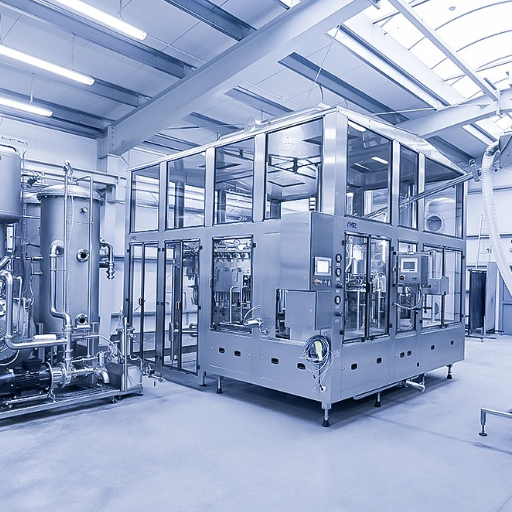
Trending now