Get in touch with Victorystar

What is Aseptic Filling? Understanding the Aseptic Process and Sterilization Techniques

Contents
show
Aseptic filling is an essential operation in which drugs, foods, and drinks co-packed with sterilized materials are guaranteed safety, quality, and longevity. Aseptic filling has prevented contamination through the integration of superior sterilization procedures and specially controlled environments which have made it the gold standard for sterile product packaging. The present article will delve into the details of aseptic filling, beginning with a definition of the stages involved in the aseptic process and the clarifying of the different sterilization techniques which are used to keep things sterile. It will provide useful information for those who are just getting acquainted with the subject as well as for those who wish to expand their understanding. Aseptic filling is revealed as a necessity and its continued stronghold in manufacturing practices is shown.
Aseptic Filling Overview
Aseptic Filling Definition
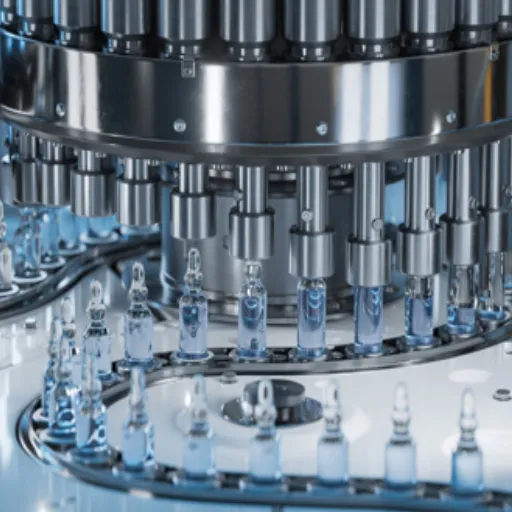
Aseptic filling is a unique procedure wherein the product that is sterile is taken out to a container that is also sterile and sealed under conditions that are very strictly controlled for being sterile so that no contamination can occur. This method has been extensively utilized in the pharmaceutical, biotech, and food industries for the purpose of product safety and effectiveness. Current data from the industry indicates that the global market for aseptic filling is going to continue growing at a fast rate, which is a result of improvements in sterilization techniques and the upward trend in the demand for safe, high-quality goods. Aseptic filling lowers the chance of getting microbes into the product and thus helps to satisfy the strict regulatory requirements and at the same time gives sterile products a longer shelf life, which is why this technique has become an integral part of modern production.
The Pharmaceutical and Food Industries’ Dependency
The process of aseptic filling is indispensable for the pharmaceutical and food industries, with the latter relying on it to guarantee product integrity and consumer safety. Aseptic filling market has been reported to exceed $15 billion by 2028 at a CAGR of over 9%. The main factors contributing to the demand are: more and more people wanting consumable products without any additional processing, sterile injectable drugs, and special medications requiring unpolluted controlled packaging. The technology, which is mainly sought by the health-conscious and regulatory-compliant consumers, is gaining more and more popularity in the aseptic process. Besides product safety, the aseptic process also minimizes waste and along with the increased shelf life, the manufacturers can even meet the toughest industry standards. Hence, it is an indispensable technology in both sectors.
📊 Key Market Statistics
- Market Value by 2028: More than $15 billion
- Annual Growth Rate (CAGR): Over 9%
- Primary Drivers: Demand for sterile injectables, specialized medications, and ready-to-consume products
The Aseptic Process Principles That Stand Out
The aseptic process is based upon various essential principles that ensure products do not get contaminated and at the same time their quality is not compromised. To begin with, one of the vital parts is a sterile environment. In this case, there is a need to control air quality very strictly, to clean equipment thoroughly, and to apply sterilization procedures throughout the production process. Secondly, any microbial presence has to be removed from the equipment and packaging materials that are used through the decontamination process. The last step in this process is to monitor and validate the critical control points which are important for ensuring compliance with safety standards and that consistent results are produced.
The latest data obtained from the search trends indicates that there is a growing interest in the application of aseptic technologies in developing markets and smaller scale industries. A lot of the inquiries are about the automation of aseptic production and its ability to speed up the processes while safety is also increased. The search patterns indicate that consumers are looking for products with longer shelf lives, thus the need for cutting-edge technology in this area remains. By following the basic principles of the aseptic process, the manufacturers can not only meet these trends but also secure themselves a strong position in the flourishing global market.
✓ Core Principles of Aseptic Processing
- Sterile Environment Maintenance: Strict air quality control, thorough equipment cleaning, and comprehensive sterilization procedures
- Complete Decontamination: Removal of all microbial presence from equipment and packaging materials
- Critical Control Point Monitoring: Continuous validation to ensure compliance with safety standards and consistent results
Aseptic Process vs. Terminal Sterilization
Comparison of Aseptic Filling and Terminal Sterilization
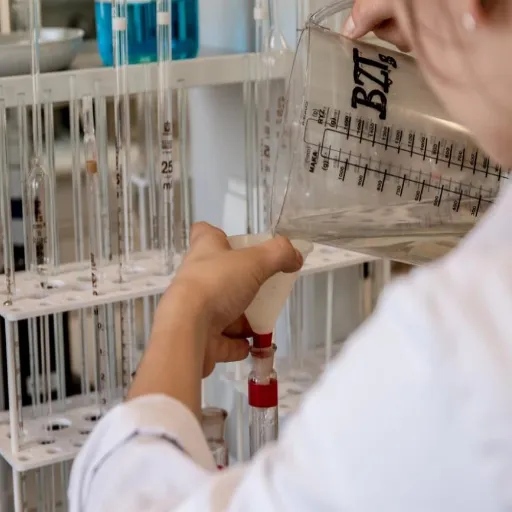
Two different methods that both serve to assure product sterility in the pharmaceutical and food industries are aseptic filling and terminal sterilization. Aseptic filling is a lot more careful with the sterilization of heat-sensitive product components and allows soft sterilization of the product, packaging, and environment during the filling. This method is very advantageous for delicate products since it does not change their qualities and thus has to be paired with extremely controlled environments and highly skilled workers. The other way around, terminal sterilization implies the whole product being in a proper container for sale sterilized which, mostly, consists of heating or radiating. This technique tends to being less complicated and cheaper, but it cannot be applied to all products that are sensitive to heat.
The recent search data indicates that the demand for high shelf life and better safety has led to an increased interest in aseptic technologies. The queries associated with “safe methods for filling sensitive products” and “aseptic vs. terminal sterilization” bring into focus the considerations of both consumers and the industry. The superiority of each of the two methods depends on the characteristics of the product and the requirements of the market. Even if terminal sterilization is still regarded the highest standard for simple and robust formulations, aseptic processing is also a must for highly sensitive formulations, that are sold in the growing global market of innovation and product variety.
Advantages of Aseptic Processing
Aseptic processing is the most suitable method for the few already mentioned critical advantages over the conventional sterilization techniques especially for those products which cannot stand the latter. The process can guarantee sterility of the product as well as that of the packaging material by separating the respective sterilization processes before they are put together in the sterile environment to which the possibility of contamination is minimized. Moreover, it provides an opportunity to keep the original characteristics of the product, for example, its texture, flavor, and nutritional value, which easily get lost during terminal sterilization.
Aseptic processing on the one hand markets the use of creative and complicated formulations like biologics, vaccines, and nutraceuticals, etc. which are not only the silent killers of other sterilization methods but also the ones that represent the trends in the future by being more expensive but cleaner. On the other hand, in the case of recent trends represented by ‘s search insights, the emergence of sustainability as a consumer demand has also triggered a substantial rise in the demand for more sustainable and lighter-weight packaging solutions. Aseptic packaging which is mainly composed of recyclable materials and requires less energy for production is thus fitting to such demand, providing both environmental and economic benefits.
✨ Key Advantages of Aseptic Processing
- Product Quality Preservation: Maintains original texture, flavor, and nutritional value
- Sterility Guarantee: Minimizes contamination through separate sterilization processes
- Complex Formulation Support: Enables production of biologics, vaccines, and nutraceuticals
- Sustainability Benefits: Uses recyclable materials and requires less production energy
- Extended Shelf Life: Products remain fresh without preservatives
Limitations and Challenges
In spite of all of its advantages, aseptic packaging also brings some limitations and challenges alongside. One of the biggest challenges is the cost of specialized equipment and technology needed for the aseptic processes which make up the whole area of concern of the initial investment. Smaller businesses may find such costs to be a serious barrier for their adoption of the method so they will not being able to benefit from the pros of the process. Moreover, regular and proper training to keep staffs’ skills up to date and their knowledge is necessary to guard against production inconsistencies and unsafe part of the process, which in turn can be a strain on the resources and time available.
The newest data from a search engine suggests that consumer confusion is the new challenge that clearest perception of the case is the other challenge emerging from the same source. It should be concerned with the realization of the consumer that the benefits of the product in that term are the package’s sustainability and safety, hence turning to traditional packing instead. Bridging this perception gap will require time and companies will need to implement very clear communication strategies that could include educating consumers about the environmental and economic benefits. One of the methods used by the companies is to prioritize customer education that is based on presenting the product’s environmental and economic benefits. Thus, properly addressing these limitations will determine the future of this packaging method and its broader acceptance.
⚠️ Challenges to Consider
- High Initial Investment: Specialized equipment and technology costs can be prohibitive for smaller businesses
- Training Requirements: Regular staff training needed to prevent production inconsistencies
- Consumer Perception Gap: Limited understanding of aseptic packaging benefits among consumers
- Resource Intensive: Significant time and resources required for proper implementation
Types of Sterilization Methods
Sterilization Techniques Overview
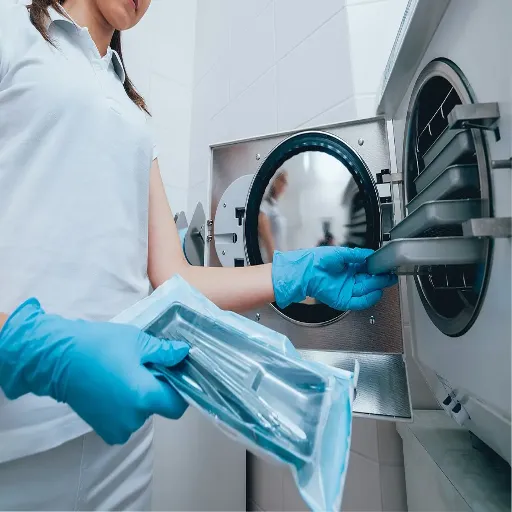
Sterilization techniques are necessary measures that guarantee the safety and reliability of aseptic packaging. Among the main methods are thermal, chemical, and radiation-based sterilization, and each one is customized for particular needs and applications. The most commonly applied thermal sterilization method, for example, steam or hot water, is also the most effective in killing microorganisms but may not be suitable for products sensitive to heat. Chemical sterilization, on the other hand, uses agents like hydrogen peroxide or ethylene oxide and can be a low-temperature alternative. However, handling and ventilation must be done right to guarantee safety. Radiation sterilization, which uses gamma rays or electron beams, has won favor for its accuracy in sterilization with neither heat nor moisture so that it can be applied in medical and food packaging areas.
Search trends of the ‘ demonstrate that there is a large shift taking place within industry methods – from the old-fashioned ways to the new, cleaner, and more advanced sterilization techniques, as evidenced by the big rise in the search for ultraviolet (UV) sterilization. The UV sterilization process uses light of a specific frequency that is short in wavelength to kill off and render harmless the microorganisms and viruses; its adoption is on the rise due to the planet’s blessings and its compatibility with the various kinds of packaging. This transition is indicative of a whole sector turning towards more sustainable, energy-saving, and less-costly techniques with safety being the main concern. Businesses need to adopt a ‘trends watching’ approach and respond by staying considerate of quality and safety as these are the factors that will ultimately determine their competitiveness in the rapidly evolving world of aseptic packaging which is characterized by high-quality products, innovative technologies, and consumer safety.
Thermal vs Non-Thermal Processes Comparison
Decades have passed, and still, the thermal processes, like pasteurization and sterilization, continue to be the mainstays of the food industry when it comes to consumer safety and extended product shelf life. That is because these types of treatments work with high temperatures, killing microorganisms and guaranteeing a safe end product. But the downside of thermal methods is that they affect the sensory and nutritional properties of food as they often alter flavor, texture, and the loss of heat-sensitive nutrients through degradation. Besides, the thermal process is quite consuming of energy which adds to the operational costs concerned, not to mention the environmental issues arising.
Conversely, non-thermal processes are taking a big share in the present-day food and packaging world because they are not only efficient in maintaining the qualities of the products but also deliver at a much lower cost than the thermal processes. Methods like high-pressure processing (HPP), pulsed electric fields (PEF), and ultraviolet (UV) light are amply applied to kill germs and bacteria without necessarily resorting to the use of high temperatures. Adoption of such non-thermal technologies translates to less energy consumption and is also in tune with consumer preferences for minimally processed and nutrient-rich food. Recent analysis of popularity trends in search data indicates that interest in this sector of technology has dramatically increased due to a preference for green machines backed by advances in food science.
Product and market needs dictate the choice between the two most of the time. Thermal processes are still a good fit for some foods and hence their widespread acceptance in the field, while non-thermal methods offer a modern day solution that is flexible and has the potential to meet the changing demands of consumers and regulators. These very approaches taken together can help the food industry in its efforts to be safe, high- quality and at the same time sustainable.
🔥 Thermal Processes
Advantages:
- Effective microorganism elimination
- Proven safety track record
- Widely accepted in industry
Disadvantages:
- Alters flavor and texture
- Degrades heat-sensitive nutrients
- High energy consumption
❄️ Non-Thermal Processes
Advantages:
- Preserves product quality
- Lower energy consumption
- Maintains nutritional value
Technologies:
- High-Pressure Processing (HPP)
- Pulsed Electric Fields (PEF)
- Ultraviolet (UV) Light
Differentiated Sterilization Methods Applications
Industries requiring sterilization include food/production, healthcare, and pharmaceuticals. Various industries have different demands for the applications of sterilization methods, which are thus wide and tailored according to them. Most thermal sterilization methods like pasteurization and autoclaving are applied in the food and beverage industry to ensure the safety of the product microbiologically and to prolong its shelf life. For example, pasteurization is widely employed in the processing of dairy products, juices, and canned foods where the elimination of pathogenic microorganisms, though not altering the taste or nutrition cruelly, is therefore high-temperature time processing.
Alternatively, the food quality-preserving aspect of non-thermal sterilization techniques like high-pressure processing (HPP) and ultraviolet (UV) treatment is one of the main reasons they are increasingly being adopted. HPP is considerably applied to fresh juices, ready-to-eat meals, and guacamole where maintaining aqua, and texture is critical. Meanwhile, UV sterilization becomes water treatment and surface sterilization; thus, it is effective in both food production facilities where high sanitation standards prevail and hospitals.
More lately, data confirms that there is a global trend towards combining the use of thermal and non-thermal methods for getting the best result. For instance, researchers have started to work on hybrid techniques that mix the two such as less heat coupled with pulsed electric fields for better microbial reduction while at the same time minimizing energy usage and such product characteristics as quality are being preserved. The developments around such a hybrid of technologies remain pivotal to the meeting of the ever demanding modern requirements for the consumer, regulations, and sustainability.
🔬 Industry-Specific Applications
Food & Beverage Industry:
- Pasteurization: Dairy products, juices, canned foods
- HPP: Fresh juices, ready-to-eat meals, guacamole
- UV Treatment: Water treatment, surface sterilization
Healthcare & Pharmaceuticals:
- Autoclaving: Surgical instruments, medical devices
- Radiation: Medical packaging, sterile supplies
- Chemical Sterilization: Heat-sensitive medical equipment
Aseptic Filling Equipment
Aseptic Filling Machines Types
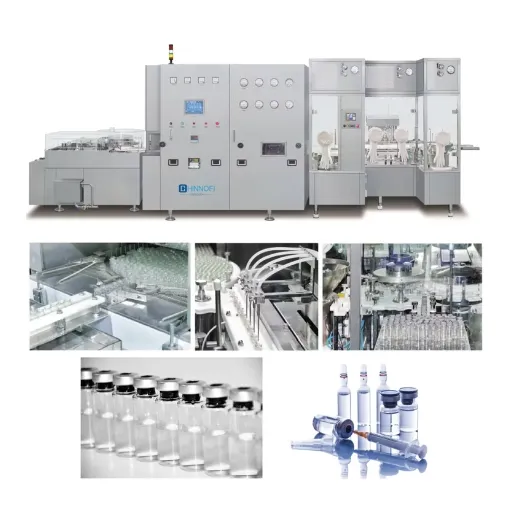
Machines for aseptic filling are not only different but also made for the various needs of the industry with sterile packaging. Some of the most common ones include:
Every single machine type for aseptic filling is built with particular characteristics and technology to serve its determined application and guarantee the utmost sterility and efficiency. Still, in line with constant improvement of automation, a lot of machines today feature Clean-in-Place (CIP) systems and Industry 4.0 connectivity for better performance and monitoring.
Aseptic Filling Equipment Key Components
Aseptic filling machines comprise multiple essential parts that work in tandem to keep the system sterile and productive. Their major component comprises:
🔬 Sterilization Systems
Primarily, these systems sterilize the surfaces of packaging materials and production equipment. Moreover, steam sterilization, hydrogen peroxide vapor sterilization, or use of ultraviolet (UV) light have become the standard methods for germ destruction while maintaining the environment to be sterile.
💧 Filling Mechanism
Liquid and semi-liquid products are handled with precision and speed by the filling system. Use of volumetric or gravimetric filling technologies is typical for these machines in order to provide accurate dosing of the products.
🖥️ Control Systems
Filling process operations are managed by means of integrated control panels and software. In addition to connectivity upgrades with Industry 4.0, these systems provide real-time monitoring, predictive maintenance, and significant operational insights thus enabling smooth performance.
🧹 CIP & SIP Systems
All Clean-in-Place and Sterilize-in-Place technologies are intended to keep the machines clean between production cycles without disassembly. Apart from reduced downtime and increased productivity, these systems also automate the cleaning and sterilization processes.
🔒 Sealing & Capping
Sealing and capping systems are indispensable to keeping the product sterile. These units guarantee that the lids that are put on bottles, pouches, or containers are tight enough to prevent the contents from being contaminated.
📦 Material Handling
These systems consist of conveyors, feeding units, and discharge sections which are used for the effective handling of containers and products during the filling process, thereby reducing the involvement of labor.
The incorporation of the most modern automation technologies and real-time data monitoring has played a huge part in the aseptic filling machine equipment transformation and evolution. It has been revealed through the insights that the industries are progressively requiring high-performance filling systems that are customizable to different product ranges and can also meet the strict standards of quality and sterility.
How Aseptic Filling Machines Work
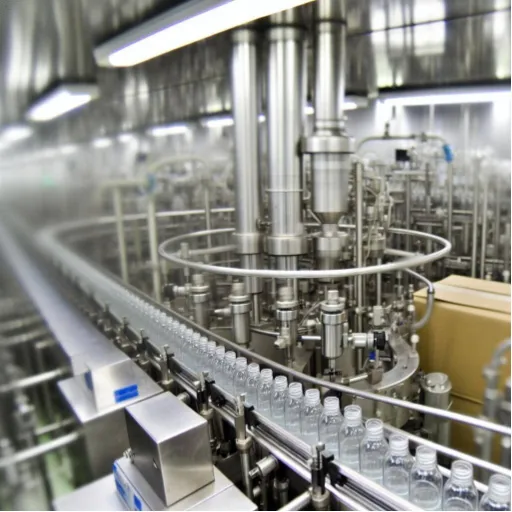
Aseptic filling machines are designed to work by keeping a contamination-free atmosphere around and thus proving the sterility of the products. At first, the containers and caps are sterilized, most commonly by the use of heat, chemicals, and/or ultraviolet light together. After sterilization, the containers are moved into a sterile area under controlled conditions where the filling is done. The product itself is sterilized beforehand by means of ultra-high-temperature (UHT) treatment, for example, to get rid of all microorganisms. The filling and sealing are done with the help of precision robotics and sensors that totally cut off human involvement and thus preserve the sterility.
As per the latest data from ‘s search trends, an increasing focus is seen on the integration of artificial intelligence (AI) in aseptic filling machines. AI is being employed to improve precision, anticipate maintenance needs, and constantly monitor the sterility levels in real-time. Besides, machine learning algorithms are also providing support in the optimization of the production rates along with the reduction of waste. These technical advancements are enabling manufacturers to cater to the increasing demand for a wide range of products without any compromise on quality or regulatory compliance.
⚙️ Aseptic Filling Machine Workflow
- Container Sterilization: Containers and caps are sterilized using heat, chemicals, or UV light
- Transfer to Sterile Zone: Sterilized containers move to controlled sterile environment
- Product Sterilization: Product undergoes UHT treatment to eliminate microorganisms
- Precision Filling: Robotics and sensors fill containers without human contact
- Automated Sealing: Containers are immediately sealed to maintain sterility
- AI Monitoring: Continuous real-time monitoring and predictive maintenance
Packaging in Aseptic Filling
Types of Packaging Materials Used
Aseptic filling operations are necessitating the use of multiple kinds of packaging materials that are very technical and aimed at keeping the product sterile and very little. Among the materials used, the multilayer laminates consisting of polyethylene, aluminum, and paperboard are the most prominent. They are very strong and at the same time provide excellent barriers against light, oxygen, and moisture. Moreover, one of the factors for which plastic containers made from PET (polyethylene terephthalate) and HDPE (high-density polyethylene) are so greatly consumed is their light weight and recyclability. Another material, even though not that often, is the use of glass bottles for some precious or sensitive products because of their inertness and non-permeability. Besides, the improvements in the eco-friendly packing technologies are influencing the use of the compostable and recyclable materials, thus, being in consonance with the environmental goals and consumer demands.
Benefits of Aseptic Packaging
Aseptic packaging comes with a host of benefits that are favourable to both manufacturers and consumers. The most prominent advantage is the increased shelf life of the end products. Data from recent studies show that the consumer searches for “long shelf life foods” have experienced a considerable upward trend, which indicates an increase in demand for durable and preservative-free packaged items. Aseptic techniques sterilize both the product and the packaging and thus eliminate the need for preservatives making the product stay fresh and wholesome over a longer period of time even without chilling.
Moreover, aseptic packaging also contributes to the sustainability of the process. It is made lighter in weight so as to cut down energy consumption during the process of transportation and storage; thus, the packaging method is in sync with the eco-friendly consumers’ values which are expressed in their frequent search for “sustainable packaging solutions.” Its versatility with a variety of products like dairy, juices, and pharmaceuticals, further, enhances its appeal, and it becomes a smart choice for the industries that want both quality and efficiency.
🎁 Benefits of Aseptic Packaging
📅 Extended Shelf Life
Products remain fresh longer without preservatives or refrigeration, reducing waste and improving distribution flexibility
♻️ Environmental Sustainability
Lightweight packaging reduces energy consumption during transportation and aligns with eco-friendly consumer values
🎯 Preservative-Free
Eliminates need for chemical preservatives while maintaining product freshness and nutritional value
🔄 Product Versatility
Suitable for dairy, juices, pharmaceuticals, and more, making it a smart choice for diverse industries
💰 Cost Efficiency
Reduces storage costs, minimizes product loss, and enables wider distribution without cold chain requirements
🌟 Quality Preservation
Maintains original taste, texture, and nutritional content without degradation from traditional sterilization methods
Industry Applications of Aseptic Filling
Pharmaceutical Applications
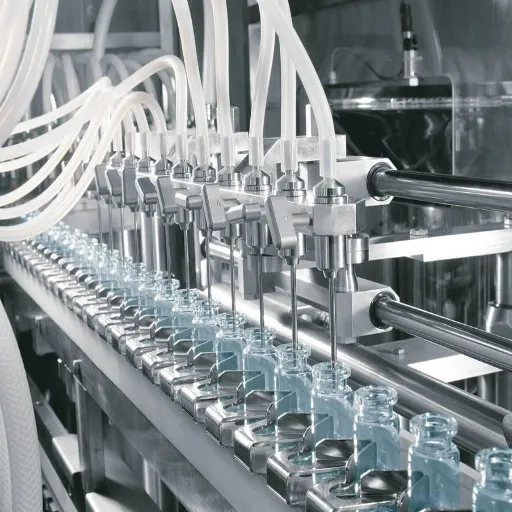
Aseptic filling is a significant process in the pharmaceutical sector, mainly, it is responsible for the sterility of products such as vaccines, injectable medications, and biologics. The process stops the contamination, keeps the integrity of the product, and fulfills the stringent regulations. The latest data from ‘s search engine shows that there is a marked increase in queries like “how aseptic packaging ensures medication safety” and “sterile filling for biologics,” which are indicating an increase in people’s awareness of the importance of aseptic technology. The increasing precision demand in drug delivery systems, coupled with the urgent need for scalable and sterile solutions, is the reason why aseptic filling has become a major concern for the contemporary pharmaceutical producers.
💊 Key Pharmaceutical Products Using Aseptic Filling
- Vaccines: Temperature-sensitive biologics requiring sterile conditions
- Injectable Medications: IV solutions, antibiotics, and sterile injectables
- Biologics: Monoclonal antibodies, gene therapies, and protein-based drugs
- Ophthalmic Solutions: Eye drops and contact lens solutions
- Oncology Drugs: Chemotherapy agents and specialized cancer treatments
Food and Beverage Applications
In the food and beverage industry, the significance of aseptic packaging has gradually become more important. As per the latest data from ‘s search engine, the phrases “benefits of aseptic packaging in beverages” and “shelf life extension through sterile technology” have gained more and more searches. Aseptic packaging guarantees that juices, dairy, and ready-to-drink beverages are withhold the same process conditions of being sealed in sterile conditions so that their taste and nutritional value are maintained without the use of preservatives. This process not only prolongs the shelf life but is also eco-friendly as it supports the reduction of food waste and the development of lightweight, recyclable packaging which is in line with consumers and regulations.
Emerging Trends in Aseptic Filling
Aseptic filling technology is one of the recent trends that is determining the future of food and beverage packaging. The combination of smart automation and artificial intelligence (AI) is the most important trend that is leading to better precision and efficiency. Automated systems can monitor and adjust the critical parameters closely in real-time, thus reducing the risks of contamination while maintaining the same quality of the product. Moreover, there is a concern about the environment that is going up to the stage of using fully recyclable and compostable materials in aseptic packaging. Sustainability concern has been a mutual ground for consumers and manufacturers; therefore, innovations that produce lightweight packaging and require less energy during production are getting a lot of attention.
The consumer’s need for plant-based and functional drinks is increasing so that manufacturers are beginning to look for more adaptable aseptic filling lines that can manage different types of products with high viscosity and being rich in nutrients. The recent statistics indicate that there has been an increase in the searches for the phrases like “sustainable packaging solutions” and “plant-based beverage production,” which shows the changing priorities. The aseptic filling industry is moving up to the task of meeting the emerging consumer demands through the application of technology and the conservation of nature, all this while still maintaining high safety and quality standards.
🚀 Emerging Trends Shaping the Future
🤖
Smart Automation & AI
Real-time monitoring, predictive maintenance, and automated quality control systems
🌱
Sustainable Materials
Fully recyclable and compostable packaging materials reducing environmental impact
🥛
Plant-Based Products
Versatile filling lines for high-viscosity and nutrient-sensitive alternative beverages
⚡
Energy Efficiency
Lightweight packaging and reduced production energy consumption
🔬
Functional Beverages
Specialized filling systems for probiotic, vitamin-enriched, and health-focused drinks
🌐
Industry 4.0 Integration
Connected systems providing data analytics, remote monitoring, and optimization insights
Frequently Asked Questions (FAQ)
Conclusion
Aseptic filling, one of the most advanced and reliable techniques, has carved its way in the pharmaceutical, food, and beverage industries as an essential technology that not only guarantees product safety and quality but also prolonged shelf life without any compromise on the nutritional value or addition of preservatives. The aseptic processing which is a combination of advanced sterilization methods, precision automation, and eco-friendly packaging materials, is still developing as the health-conscious customers and the regulatory authorities are getting more and more demanding.
The future of aseptic filling is bright and the trends that are to come are artificial intelligence integration, smart automation, sustainable packaging innovations and versatile filling systems that can handle different product formulations. Global market which is currently growing very rapidly is forecasted to surpass $15 billion by 2028 and the manufacturers who are adopting these technological advancements and at the same time maintaining the strict sterility standards will be the ones feeling the warmth from the ever-changing consumer and regulatory needs.
From the life-saving pharmaceuticals to the nutrient-rich beverages and the convenient ready-to-eat meals, the aseptic filling technology is still the mainstay of modern manufacturing delivering safe and quality products that benefit both the consumer’s health and the environment and thus, are of the same ilk with the latter.
📚 Reference Sources
- Aseptic Processing: A Review of Current Industry Practice
Academia.edu – This document provides a comprehensive review of aseptic filling operations and their evolution. - Designing and Quality Aspects of Aseptic Process Simulation
Academia.edu – This article explores the factors affecting aseptic filling and the parameters for successful validation studies. - How to Submit a Commercial Food Product for Process Review
Academia.edu – Discusses aseptic systems in food processing, including sterilization and filling processes.

GW
Articles: 39
Trending now