Get in touch with Victorystar

The Ultimate Guide to Plate Sterilizers: Sterilizing Petri Dishes, 96-Well Plates, and Laboratory Equipment

Contents
show
Sterilization is the cornerstone of any efficient laboratory workflow. Whether you are handling delicate biological samples or conducting intricate chemical reactions, ensuring equipment remains contaminant-free is paramount. Plate sterilizers serve as the heart of cleanliness in modern laboratories, essential for sterilizing Petri dishes, 96-well plates, and other laboratory essentials. This comprehensive guide delves deep into the world of plate sterilizers, providing the knowledge necessary to make informed decisions about your sterilization processes. From understanding different types of sterilizers to detailed instructions on proper equipment sterilization, this article serves as your dedicated resource for maintaining a contaminant-free laboratory environment.
1Introduction to Plate Sterilizers
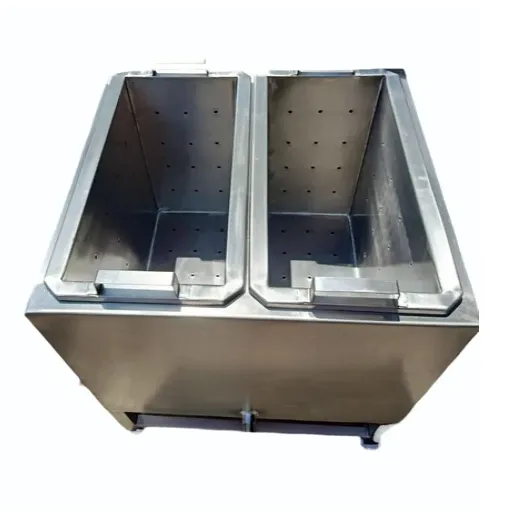
What Are Plate Sterilizers?
Plate sterilizers are specialized devices designed to sterilize flat objects and instruments. They provide tremendous value in laboratories and industrial settings where maintaining sterile conditions is essential. These devices utilize high heat, pressure, or ultraviolet (UV) light to effectively eradicate all microorganisms including bacteria, viruses, and fungi.
🔬Key Features of Modern Plate Sterilizers
- Advanced Temperature Control: Precise monitoring and regulation for optimal sterilization
- Energy Efficiency: Modern designs minimize power consumption
- Equipment Protection: Ensures sterilization without damaging delicate instruments
- Versatile Applications: Suitable for culture plates, medical appliances, and critical flat-surfaced items
The Role of Sterilization in Laboratories
Sterilization is a critical component of laboratory operations, ensuring experiment safety, accuracy, and personnel protection. Removal of contaminants such as bacteria, viruses, or fungi through proper sterilization prevents compromise of experimental methods that could lead to unreliable data. This is particularly crucial in microbiology, molecular biology, and medical research fields, where patient safety, drug development, and diagnostic accuracy directly correlate with environmental sterility.
⚠️ Critical Statistics
Contamination is identified as one of the major sources of failure and inaccuracies in laboratory experiments, reinforcing the significance of effective sterilization measures. Advanced sterilization techniques, including plate sterilizers and autoclaves, are essential for maintaining sterile environments, achieving cost-effectiveness, and ensuring regulatory compliance.
These technologies serve dual purposes: microbial eradication and promotion of scientific progress while maintaining research credibility.
Sterilization Methods – An Overview
Sterilization processes are generally divided into three major categories, each dedicated to specific applications and environments:
💡 Emerging Technology Spotlight
Recent technological advancements point toward rising dependence on plasma-based sterilization systems. These systems ionize gas to destroy complex medical devices, achieving excellent results in challenging sterilization scenarios.
Note: No single method is universally ideal. Selection must be based on specific materials, environmental conditions, and exact sterilization requirements. Hybrid systems combining multiple processes represent an emerging area for enhanced efficiency and safety.
2Understanding Sterilization
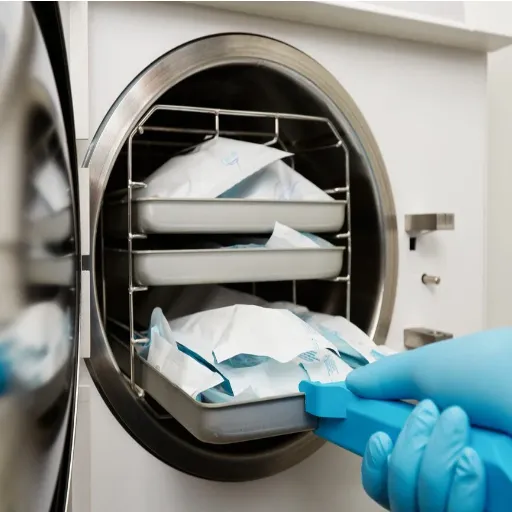
What is Sterilization?
Sterilization is a technical procedure dedicated to eliminating or destroying all types of microbial organisms—including bacteria, viruses, fungi, and spores—ensuring objects or surfaces are completely devoid of pathogens. This indispensable method finds application across healthcare, research laboratories, food production, and industrial sectors where contamination prevention is critical.
🔍 Recent Advancements
Recent information indicates remarkable advancement in sterilization methods, with emerging techniques offering enhanced microbial elimination while maintaining environmental friendliness:
- Plasma Sterilization: Low-temperature ionized gas technology
- UV-C Light: Chemical-free disinfection methods
- Vaporized Hydrogen Peroxide: Effective penetration with reduced environmental impact
These breakthroughs align with amplifying demand for disinfecting methods that are both effective and safe, especially given global health crises that have heightened awareness and requirements.
Types of Sterilization Techniques
01Heat Sterilization
Heat sterilization remains one of the most dependable methods, frequently employed in autoclaves. This technique uses steam through increased pressure or dry heat for total extermination of microorganisms.
Recent Developments: Modern autoclaves reduce cycle times while ensuring greater energy conservation, making them suitable for both medical and industrial applications.
02Plasma Sterilization
Ionized gas at low temperature (plasma sterilization) effectively disinfects and sterilizes medical instruments and surfaces. This technique has gained popularity for its effectiveness with heat-sensitive equipment.
Latest Advancements: Modern plasma sterilizers accommodate a wider range of materials, diminishing the chance of material damage during processing.
03UV-C Light Sterilization
Ultraviolet-C (UV-C) light offers a non-invasive, chemical-free disinfection method for air, water, and surfaces. This technology has become increasingly common in healthcare and public spaces.
Performance Metrics: Modern UV-C devices are more portable and efficient, achieving approximately 99.9% pathogen inactivation rates within minutes. Primary advantage lies in limiting transmission of infectious diseases in healthcare sectors and public places.
04Vaporized Hydrogen Peroxide (VHP)
The VHP process utilizes hydrogen peroxide in gaseous state to destroy microorganisms. This method is preferred for its thorough penetration into difficult-to-reach areas.
Current Improvements: Recent reports indicate major advancements in reducing vaporization cycle times while simultaneously improving operator safety during the process.
05Chemical Sterilization
Chemical sterilization employs liquid disinfectants such as ethylene oxide and formaldehyde for heat-sensitive equipment.
Modern Practices: Current practices advocate using safer alternatives and lower concentrations, achieving balanced outcomes of effectiveness and environmental sustainability.
Industries ranging from healthcare to manufacturing improve their practices by using traditional and newer techniques in tandem, achieving precision and efficiency across every application type.
Benefits of Proper Sterilization
Proper sterilization serves as the most effective approach for safety assurance, contamination prevention, and hygiene standard maintenance across diverse sectors.
🏥 Healthcare Sector
Lack of proper sterilization is one of the leading causes of hospital-acquired infections. Effective sterilization directly impacts patient health and recovery time.
🍽️ Food & Pharmaceuticals
These sectors rely heavily on sterilization to eliminate microbes, ensuring compliance with safety regulations and maintaining product integrity for commercial consumption.
🏭 Manufacturing
Sterilization reduces cross-contamination incidence, providing assurance of reliability and quality in final products.
📊 Global Perspective
Recent figures reveal noticeably increased global focus on sterilization as its role in addressing microbial resistance and emerging pathogens becomes more pronounced. Emphasis on proper methods not only contributes to public health protection but also increases operational efficacy and fosters trust in essential sectors.
3Choosing the Right Sterilization Method
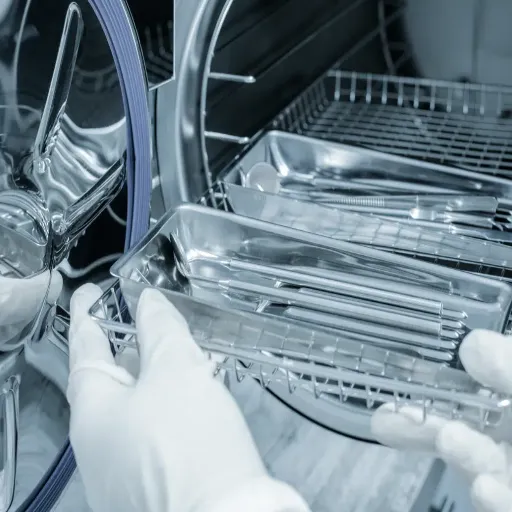
Autoclave Sterilization
Autoclave sterilization stands among the most dependable and broadly accepted means of eliminating all microorganisms, including bacteria, viruses, and spores, effectively. The process utilizes high-temperature, pressurized steam, sterilizing at temperature ranges of 121°C to 134°C.
Recent data demonstrates growing demand for autoclave use, with environmental concerns being addressed through modern designs that evolve to become optimal choices for multiple applications, combining operational and environmental needs.
Dry Heat Sterilization
Dry heat sterilization relies on high temperatures for material sterilization, proving excellent for objects that can withstand prolonged heat exposure but are sensitive to moisture.
✓ Method Characteristics
Advantages
- Deep penetration into porous materials
- Effective against resistant microorganisms (including prions)
- Ideal for moisture-sensitive items
Common Applications
- Medical instruments
- Powders
- Oil-based substances
Modern Innovations: While the process requires more time and higher temperatures than steam sterilization, innovative insulation and temperature control techniques have resulted in modern dry heat sterilizers consuming significantly less energy.
Chemical Sterilization
Chemical sterilization employs chemical substances to eliminate all types of microorganisms, including spores, on medical instruments and other surfaces. This method is especially suited for heat-sensitive and moisture-sensitive processes involving delicate instruments and materials.
⚠️ Important Safety Considerations
The potential hazards of chemical residues necessitate careful risk management and proper aeration after sterilization processes to ensure patient safety. Chemical sterilization plays a crucial role in healthcare sectors where precision and compatibility with delicate materials are absolutely critical.
Conclusion: Chemical sterilization provides an eclectic and efficient alternative for instruments and materials incompatible with steam or dry heat sterilization, thus indirectly influencing modern infection control standards.
4Best Practices for Sterilizing Laboratory Equipment
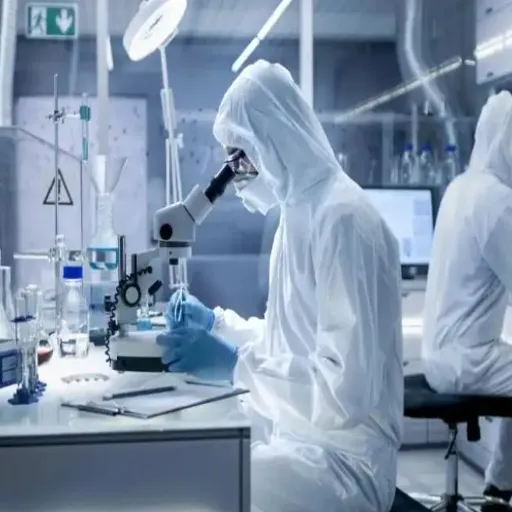
Preparing Petri Dishes for Sterilization
The first critical step in proper preparation of Petri dishes involves removing organic residues that could compromise the entire sterilization process.
Step-by-Step Preparation Protocol
1
Initial Cleaning
Wash dishes with distilled water, applying soft detergent if needed to eliminate remaining dirt. Ensure thorough removal of all visible residues.
2
Proper Drying
Dishes must be properly dried to prevent interference with the sterilization process. Moisture can compromise sterilization effectiveness.
3
Autoclaving (Primary Method)
Place dishes under pressurized steam at 121°C (250°F) for 15-20 minutes. This remains the most commonly used sterilization method in the industry.
4
Alternative: Gas Sterilization
Ethylene oxide gas sterilization is adopted for plastic Petri dishes to prevent melting, providing effective sterilization without heat damage.
5
Proper Storage
After sterilization, dishes must be stored in sealed, sterile packaging to prevent contamination until use.
📈 Technology Impact: Latest technology trends indicate that proper cleaning before sterilization greatly reduces microbial contamination and improves experimental reliability. Following these standard operating procedures ensures laboratory practices align with modern safety and precision requirements.
Sterilizing 96-Well Plates
Sterilization of 96-well plates is a critical step in obtaining accurate and reliable experimental results. Recent best practices suggest the most effective sterilization methods comprise autoclaving, chemical sterilization, or UV exposure depending on plate materials.
✓ Pre-Sterilization Checklist
- Complete washing with suitable detergent to remove residues and contaminants
- Pre-rinse plates with distilled water
- Dry in sterile environment before sterilization
- Handle with sterile tools throughout the process
- Store in sealed, sterile packaging until ready for use
Research demonstrates that implementing these steps ensures compliance with strict laboratory standards while facilitating reproducibility in experimental setups.
Guidelines for Sterilizing Plastic Equipment
When sterilizing plastic equipment, it is crucial to consider material durability and heat tolerance to determine appropriate methods. Using latest data and resources, common sterilization methods include autoclaving, ethylene oxide gas, and chemical disinfection.
🔵Autoclaving for Durable Plastics
Suitable Materials: Polypropylene and other heat-resistant plastics
Effectiveness: Works well but should be restricted to plastics strong enough to endure high heat and pressure without deformation
Caution: Always verify manufacturer specifications for heat tolerance before autoclaving plastic equipment.
🟢Ethylene Oxide Gas Sterilization
Best For: Delicate plastics requiring no heat exposure
Effectiveness: Highly effective for temperature-sensitive materials
Safety Requirements: Must be carefully ventilated and handled due to toxicity. Proper aeration is essential after treatment.
🟠Chemical Disinfection
Active Agents: Hydrogen peroxide or ethanol
Best For: Temperature-sensitive plastics requiring gentle treatment
Important Consideration: Residues that might interfere with experiments should be completely removed. Thorough rinsing and drying are essential.
By pairing these methods with proper storage in sterile sealed packaging, laboratories can maintain integrity and sterility of plastic equipment, ensuring full compliance with scientific community standards and recommendations.
5Preventing Contamination
Common Sources of Contamination
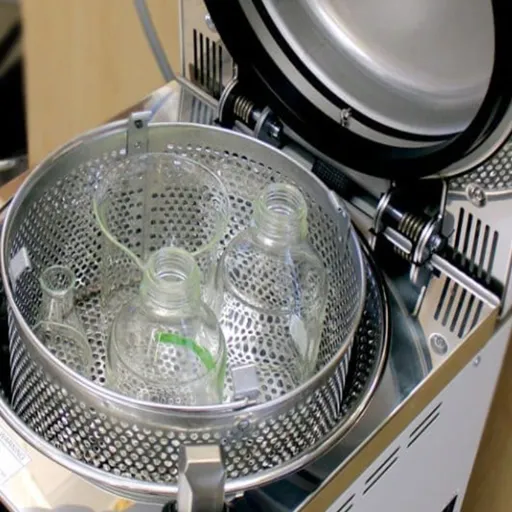
Various sources are frequently responsible for laboratory environmental contamination, compromising the integrity and accuracy of experimental results. Based on recent data and insights, several primary contamination sources have been identified:
👤 Human Interaction
Identified as one of the most crucial sources. Improper handling, poor hygiene practices (not wearing gloves, inadequate handwashing) allow microbes or particles to enter experimental environments.
💨 Airborne Contamination
Dust, aerosols, and microbes may enter through ventilation systems or doors left open, introducing contaminants into controlled environments.
🔧 Equipment-Based Contamination
Use of equipment that has not been properly sterilized or retains chemicals from previous experiments poses significant contamination risks.
⚗️ Cross-Contamination Between Samples
Often results from poor cleaning protocols for plasticware or tools, representing a major problem in maintaining sample integrity.
If stringent procedural guidelines and advanced sterilization technologies are implemented, laboratory contamination risks can be drastically reduced, ensuring work is both reliable and reproducible.
Strategies to Prevent Contamination
Successfully addressing contamination requires laboratories to rely on a combination of traditional techniques and advanced data-driven approaches.
Comprehensive Prevention Strategy
1. Strict Cleaning Protocols
- Apply autoclaving or chemical sterilization to all reusable materials
- Completely eliminate residual contaminants
- Implement standardized cleaning procedures for all equipment
2. Single-Use Plasticware Preference
- Use disposable items wherever applicable
- Minimize chance of cross-contamination
- Reduce cleaning-related contamination risks
3. Systematic Workflow Organization
- Separate clean and dirty workflow areas
- Keep contaminated areas away from sensitive zones
- Implement clear spatial organization protocols
4. Automated Systems Integration
- Implement robotic liquid handlers with self-cleaning features
- Research demonstrates considerable reduction in human error
- Minimize contamination risk through automation
5. Routine Personnel Training
- Regular training on new contamination control procedures
- Ensure all staff understand strict laboratory standards
- Maintain up-to-date knowledge of best practices
Laboratories should equip themselves with both traditional prevention measures and modern technological solutions to increase result reliability and meet expectations of cutting-edge research.
Monitoring Sterility in Laboratory Cultures
Monitoring sterility of laboratory cultures is essential for translating results into accurate and reproducible outcomes. Laboratory scientists apply various monitoring methods to maintain sterile conditions.
🔬 Modern Technology Integration
Recent analysis emphasizes the significance of combining traditional sterility checking procedures with up-to-date technologies. Advancements in digital imaging and machine learning algorithms have enabled laboratories to discover contamination patterns more competently, guaranteeing more reliable and revolutionary scientific discoveries.
6Troubleshooting Sterilization Issues
Identifying Common Sterilization Problems
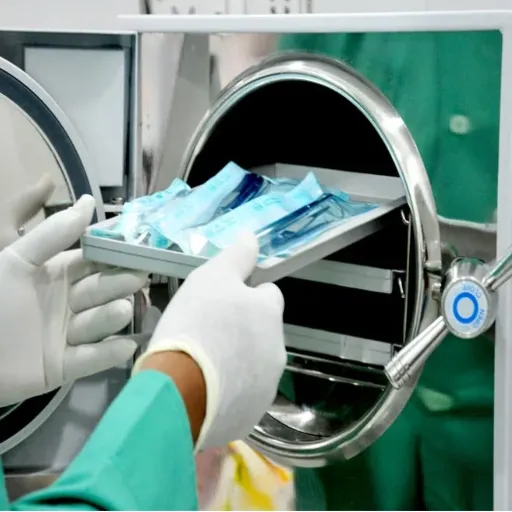
Sterilization issues can arise from various causes including equipment malfunctions, human errors, and incorrect protocols. Understanding these common problems is essential for maintaining laboratory safety and effectiveness.
❌ Problem #1: Incomplete Sterilization
Cause: Insufficient application of heat, pressure, or chemicals
Common Example: Autoclaves becoming ineffective due to improper material loading, preventing steam from reaching all parts
Impact: Tools and materials fail to achieve complete sterilization, compromising laboratory safety
❌ Problem #2: Post-Sterilization Contamination
Cause: Items become contamination sources when packaging is not airtight or improperly sealed
Impact: Successfully sterilized items become compromised during storage or handling
❌ Problem #3: Equipment Malfunction
Cause: Outdated or poorly maintained sterilization equipment
Evidence: Recent data shows equipment maintenance issues frequently appear in user-reported sterilization effectiveness problems
Impact: Reduced sterilization effectiveness and increased failure rates
Problems mentioned above can be minimized through regular equipment maintenance, staff training, and strict compliance with sterilization protocols. By maintaining close watch on sterilization processes and quickly addressing weaknesses, laboratories can protect sample integrity and meet safety standards.
Solutions for Troubleshooting
A systematic approach to troubleshooting sterilization challenges is the most important factor for maintaining safe and efficient laboratory environments.
Comprehensive Troubleshooting Solutions
🔧Regular Performance Checks
- Subject all sterilization equipment to routine performance evaluations
- Detect mechanical or operational problems early
- Implement preventive maintenance schedules
- Document equipment performance over time
🧼Stringent Pre-Cleaning Measures
- Insufficient cleanliness is one of most frequent failure causes
- Incorporate thorough cleaning before sterilization
- Results in considerable reduction in contamination
- Establish standard cleaning protocols
📚Comprehensive Staff Training
- Regular training seminars on latest sterilization practices
- Digital guides and video tutorials readily available online
- Keep staff updated on best practices
- Ensure proper technique implementation
📊Automated Monitoring Systems
- Track sterilization cycles via digital tools
- Alert users to irregularities immediately
- Maintain detailed logs and records
- Enable rapid response to problems
These current solutions not only accelerate the troubleshooting process but also facilitate compliance with safety regulations throughout laboratory operations.
Maintaining Sterilization Equipment
To prevent issues when maintaining sterilization equipment, it is necessary to combine regular care with knowledge from latest data and best practices.
💡 Key Insight
By combining these methods, facilities can not only prolong the life of their sterilization equipment but also maintain the quality of their processes, ensuring consistent, reliable sterilization outcomes.
7Frequently Asked Questions (FAQ)
Q1What are the best practices for laboratory sterilization using a plate sterilizer?
Best practices must be adhered to when utilizing a plate sterilizer to guarantee complete sterilization:
- Proper Loading: Load all plates (both polypropylene and polystyrene) into the sterilizer properly without causing overcrowding
- Suitable Methods: Apply appropriate sterilization methods like autoclaving at 15 psi for predetermined time
- Pre-Sterile Supplies: Ensure all supplies (e.g., pipette tips and chemicals) are pre-sterile to eliminate contamination risk
- Post-Sterilization Storage: Keep 96-well plates in clean, dust-free places to prevent microbial growth and protect integrity
Q2How can I prevent contamination during the use of a plate sterilizer?
Contamination prevention during plate sterilizer use is critical for laboratory safety and achieving high-quality results:
- Personal Protective Equipment: Always use proper PPE and follow biosafety rules when working with biohazard materials
- Proper Disposal: Correctly dispose of materials that contacted contaminated areas
- Equipment Decontamination: Ensure equipment is decontaminated before and after use
- Proper Labeling: Label sterilized plates and reagents to maintain tracking and prevent contamination distribution
- Sealed Storage: Use sealed bags for storage to protect against airborne microorganisms
Q3What are the different sterilization methods available for petri dishes?
Various sterilization methods can be applied to petri dishes, each with distinct advantages:
- Autoclaving: Most common method effectively killing microorganisms using steam under pressure
- Chemical Sterilization: Using ethylene oxide or similar agents for materials that cannot withstand high heat
- Dry Heat Sterilization: Alternative method that may take longer but suitable for specific applications
- Pre-Sterile Plates: Ready for immediate use, reducing time-consuming sterilization processes for high-throughput applications
Important: Understanding plate material compatibility with these methods is crucial for optimal results.
Q4What troubleshooting tips can I follow for effective plate sterilization?
Troubleshooting plate sterilization issues can increase laboratory productivity and assay performance:
- Check Loading: If contamination appears in plates, verify sterilizer loading to ensure proper steam circulation
- Verify Settings: Confirm time and temperature settings are accurately configured for plate type being sterilized
- Examine Quality: If assay result inconsistencies occur, examine sterilization process quality and regulatory compliance
- Routine Maintenance: Regular sterilizer maintenance helps identify potential problems before they interfere with trials
- Chemical Indicators: Use chemical indicators to verify sterilization effectiveness
Q5How does sterilization impact drug discovery and assay performance?
Sterilization is a vital factor in drug discovery and assay performance, ensuring experiments remain free of microorganisms:
- Contamination Reduction: Using sterile reagents and consumables from the beginning diminishes contamination chance and occurrence of inaccurate results
- Quality Maintenance: Good sterilization techniques (autoclaving or pre-sterile plates) help maintain quality of 96-well assays
- Reproducibility: Reliability of assay results in drug discovery is paramount; proper sterilization methods proportionally increase finding reproducibility
- Laboratory Safety: Proper waste disposal practices are key to successful outcomes in this area
Bottom Line: Comprehensive sterilization practices are essential for reliable drug discovery research and accurate assay performance.
Reference Sources
📚University of Minnesota – Study Guide for Better Process Control School
This comprehensive guide discusses sterilization procedures, including equipment sterilization, which is relevant to plate sterilizers in food processing applications.
📚Academia.edu – Sterilization Processes
This document covers sterilization validation, temperature distribution, and heat penetration evaluations, which are critical for understanding plate sterilizer operations and ensuring effective sterilization protocols.
📚Academia.edu – Media and Air Sterilization Required for Microbial Fermentation
This paper explores sterilization methods, including continuous sterilization, which may be applicable to plate sterilizers in industrial settings and large-scale laboratory operations.

GW
Articles: 39
Trending now