Get in touch with Victorystar

Aseptic Filling Machines: Advanced Aseptic Filling Equipment for Pharmaceutical Applications

Contents
show
Due to the necessity of precision, sterility, and efficiency all along the production process, the pharmaceutical industry has to face such requirements. The filling of sterile products is the major spot where these factors come into play the most. Aseptic filling machines play a vital role in protecting injectable drugs, vaccines, and other sensitive items and maintaining their integrity. This article will delve into the latest aseptic filling machines and techniques and will discuss their roles in not only maintaining product quality but also making operations more efficient and meeting the strictest regulatory standards. It is essential to not only keep up with the latest developments in aseptic technology if you are looking to either optimize your manufacturing processes or to stay competitive in the market. This article will reveal the innovations that are leading to the excellence of the pharmaceutical industry.
Aseptic Filling Overview
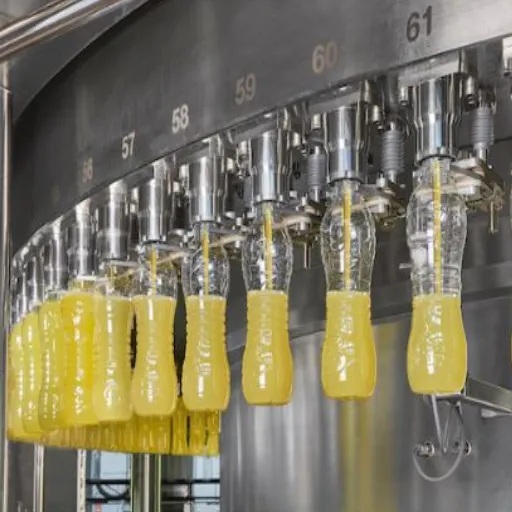
Definition of Aseptic Filling
Aseptic filling is a method of the pharmaceutical and biotechnology industries that involves filling pre-sterilized materials into sterilized containers. The sterility of the materials is preserved throughout the process and therefore, the method does not allow any medications, vaccines, or other biological products to be contaminated by microorganisms.
🔬 Core Components of Aseptic Filling Systems
- ✓ Isolators: Create completely sealed sterile environments
- ✓ Cleanrooms: Controlled environments with minimal contamination
- ✓ Robotic Technology: Eliminates human contact and reduces contamination risk
- ✓ cGMP Compliance: Adherence to Current Good Manufacturing Practices
Industry Significance: The rising need for injectables and biologics has not only kept but also enhanced these innovations, thus aseptic filling has turned out to be an indispensable part of modern pharmaceutical production.
Importance of Aseptic Filling Process in Pharmaceutical Industry
Aseptic filling guarantees the safety and the potency of pharmaceutical items. This method is of utmost importance in the case of very sensitive drugs like vaccines and monoclonal antibodies which, to retain their stability and efficacy, need a contamination-free environment.
📊 Market Growth & Industry Insights
$15B
Projected Global Aseptic Market by 2028
↑ Growth
Injectable Solutions & Biologics Demand
🎯 Key Industry Trends
- Regulatory Stringency: FDA and EMA have become increasingly strict with compliance requirements
- Automation Adoption: Trend toward automated and robotic systems in aseptic filling
- Human Involvement Reduction: Less manual intervention enhances cGMP compliance
- Contamination Risk Minimization: Advanced systems drastically diminish contamination probability
- Patient Safety Enhancement: Product reliability assured across global markets
Key Components of Aseptic Filling Equipment
Aseptic filling apparatus is made to sustain sterility throughout the pharmaceutical production cycle, ensuring products comply with the most demanding safety and quality standards.
1. Isolators and Restricted Access Barrier Systems (RABS)
Function: These environments restrict human exposure to sterile products through physical barriers that diminish the chances of contamination. Isolators provide an especially tight sealed environment, granting the highest degree of sterility assurance.
2. Automatic Filling and Capping Systems
Function: These components maintain accuracy in dispensing liquids, powders, or any pharmaceutical form into specified containers. Automated capping systems guarantee that containers are sealed securely under aseptic conditions.
3. Sterile Filtration Units
Function: These units sanitize the product before filling by using special filters that remove bacteria and particulates, thus guaranteeing the safety of the final product.
4. Clean-in-Place (CIP) and Steam-in-Place (SIP) Systems
Function: These systems decrease the time and materials needed for cleaning and sterilization while ensuring consistent high standards of cleanliness and sterility are maintained throughout.
5. Advanced Robotics and Sensors
Function: Robotics make the filling operation more precise and consistent. Integrated sensors provide real-time updates on crucial parameters like pressure, temperature, and particle levels.
🤖 Emerging Technologies in Aseptic Filling
The use of advanced technologies like machine learning and artificial intelligence in aseptic filling processes is becoming increasingly common.
AI-Based Analytics Benefits:
- Forecast maintenance requirements proactively
- Enhance operational efficiency through predictive insights
- Maintain compliance with changing regulatory standards
- Optimize resource allocation dynamically
💡 The integration of these elements in the fast-changing environment binds the pharmaceutical industry in its quest towards attaining higher sterility and reliability standards in manufacturing.
Types of Aseptic Filling Machines
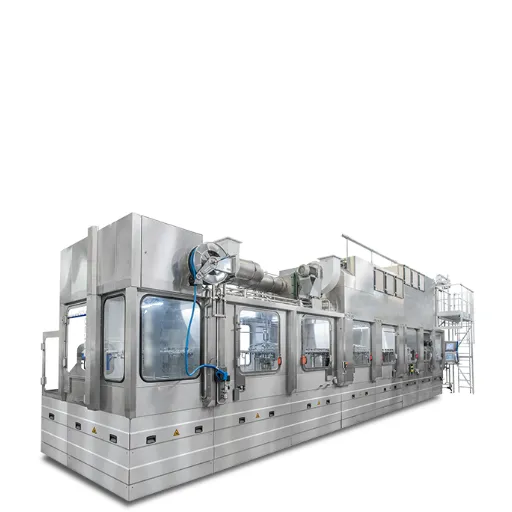
Different Categories of Filling Machines
Aseptic filling machines are broadly classified according to their construction, operation, and area of use. The main categories are rotary filling machines, inline filling machines, and blow-fill-seal units.
🏭 Machine Categories Comparison
1. Rotary Filling Machines
Operation: Machines that operate at the highest speeds with rotary motion for continuous container movement
Best For: Big production lines requiring high production rates
Primary Industries: Pharmaceutical and beverage manufacturing
Key Advantage: Guarantees accurate liquid filling with continuous container movement
2. Inline Filling Machines
Operation: Work in a straight line, suitable for medium-speed production
Best For: Small to mid-sized pharmaceutical companies
Primary Advantage: Very flexible and versatile operations
Key Feature: Quick changeover capabilities for different packaging formats
3. Blow-Fill-Seal Systems
Operation: Cutting-edge systems combining container production, filling, and sealing in one automated process
Best For: Pharmaceutical and biotech industries requiring strict sterility
Primary Applications: Injectable medications and vaccines
Key Advantage: Maintains sealed, contamination-free environment throughout process
🚀 Technology Integration Benefits
The use of the latest technology adds significant value to different filling machine types:
| Technology | Enhancement Provided |
|---|---|
| AI & Machine Learning | Automates processes, improves accuracy, enhances monitoring |
| IoT Sensors | Enables real-time analytics and continuous monitoring |
| Predictive Analytics | Increases productivity while maintaining high hygiene and safety standards |
Comparison of Filling Equipment Options
When comparing filling equipment options, it is important to evaluate specific production facility requirements and the nature of handled products.
📋 Critical Selection Factors
| Factor | Considerations | Impact on Selection |
|---|---|---|
| Filling Materials | Liquids, powders, high-viscosity substances | Determines machine type and filling mechanism |
| Production Quantities | Volume requirements and batch sizes | Influences speed and capacity specifications |
| Budget Constraints | Initial investment and operational costs | Balances features with financial feasibility |
| Hygiene Standards | Sterility requirements and contamination risks | Critical for pharmaceutical and dairy applications |
⚖️ Equipment Performance Comparison
Rotary Filling Machines: Generally favored for high-speed production areas due to continuous operation capability. However, they sometimes lack the accuracy required for certain delicate applications.
Aseptic Filling Machines: Reign over applications such as pharmaceuticals and dairy products where sterility is crucial and contamination risks need to be minimized.
🔬 Smart Solutions Integration
The application of advanced technologies such as Artificial Intelligence (AI) and Internet of Things (IoT) throughout filling equipment has become the key factor in the industry’s shift towards smarter solutions. These developments grant process monitoring in real-time, adaptive performance, and predictive maintenance, ensuring optimal performance with minimal downtime.
⚠️ Strategic Decision-Making
The choice of filling equipment will ultimately be based on how well the scale of production, cost, and compliance with strict industry standards are balanced. Businesses should extensively research the market and innovations while relying on data to make decisions about specific machinery that would aptly meet their operational objectives.
Innovations in Aseptic Filling Technology
The last couple of years have seen remarkable changes in the food, beverage, and pharmaceutical production sectors due to significant progress in aseptic filling technology.
🚀 Key Technological Advancements
1. AI & Machine Learning Integration
- Facilitates upstream and downstream data flow
- Enables real-time monitoring capabilities
- Decreases risk of contamination significantly
- Optimizes process parameters automatically
2. Robotics & Automation Advancement
- Advanced cleaning system automation
- Increased output efficiency
- Maintained strict sterility requirements
- Reduced human error and contamination risks
3. Environmentally Friendly Practices
- Energy-efficient machines adoption
- Biodegradable packaging materials utilization
- Response to environmentally aware consumer behavior
- No compromise on safety and quality standards
📊 Predictive Analytics Benefits
By making use of these pioneering trends and predictive analytics, companies can be more confident and reliable in meeting the challenges of increasing production capacity, observing strict hygiene regulations, and satisfying consumer demand. The integration of these technologies ensures pharmaceutical manufacturers stay competitive while maintaining the highest quality standards.
Filling Lines and Solutions
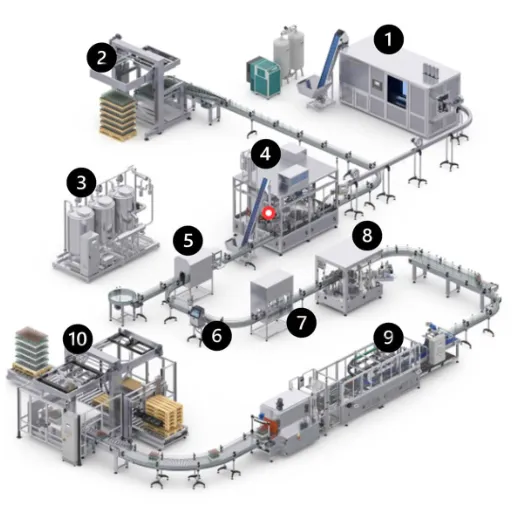
Filling Lines Overview
Filling lines are necessary components in modern factories and packaging processes, built to handle the dispensing of liquids, powders, or solids into containers in a precise, fast, and hygienic manner. Their application spans food and beverage, pharmaceutical, and cosmetics industries, where accuracy, speed, and cleanliness are main prerequisites.
🔧 Key Features of Modern Filling Lines
📡 Real-Time Monitoring
Continuous process oversight with instant data
🔮 Predictive Maintenance
Anticipates issues before they occur
✓ Advanced Quality Control
Ensures product consistency and compliance
♻️ Minimal Waste
Optimized resource utilization
💡 Most Common Industry Question
“What are the benefits of automated filling lines?”
Industries looking for scalable solutions discover multiple advantages:
- Quicker production cycles with consistent output
- Uniform product quality across all batches
- Overall cost savings through efficiency gains
- Enhanced regulatory compliance capabilities
- Reduced human error and improved safety standards
To get the most out of these technologies, companies must remain productive while maintaining flexibility to adapt when market demands change.
Bespoke Filling Solutions that Suit Specific Requirements
Bespoke filling solutions are meant to solve the different product and operational requirements of companies across various business areas. These solutions represent a perfect mix of sophisticated technology and customized machine design to handle different products packaged as liquids, powders, or granules.
🎯 Customization Factors
| Configuration Parameter | Customization Options | Business Impact |
|---|---|---|
| Product Viscosity | Adjustable flow rates and nozzle designs | Handles various product consistencies efficiently |
| Filling Speed | Variable speed controls | Optimizes production rate without compromising quality |
| Packaging Format | Multiple container size adaptability | Enables product line diversification |
| Industry Standards | Compliance-ready configurations | Ensures regulatory adherence |
📈 Market Research Insights
According to the latest data from search engine trends, businesses are increasingly searching for flexible systems that integrate seamlessly with existing workflows while staying within industry standards limits.
Common Business Queries:
- How can these systems increase production rate without compromising quality?
- What cost implications come with customized filling solutions?
- How quickly can systems adapt to changing market preferences?
✅ Strategic Advantage: The personalized method not only boosts productivity but also provides a competitive edge for businesses as they can quickly adapt to changing preferences and trends in the market.
Integration of Conveyors and Other Equipment with Filling Systems
One of the functions of integrating filling technologies with inline feeder components, including conveyor belts, is to guarantee synchronization at an inter-system level, making the whole production process smoother and eliminating possible bottlenecks or stoppages resulting from product mismanagement.
🔗 Integration Requirements
High-Tech Automation
Advanced control systems that coordinate multiple production components seamlessly for optimal workflow efficiency.
Sensor Arrays
Comprehensive sensor networks ensure performance of the whole process remains at the best level throughout production cycles.
Scalability & Adaptability
Systems designed with expansion capabilities to accommodate growing business needs and changing market demands.
✅ Key Benefits of Integrated Systems
| Benefit | Operational Impact |
|---|---|
| Maximized Throughput | Increased production capacity without additional resources |
| Enhanced Product Quality | Consistent quality standards maintained throughout process |
| Reduced Operational Costs | Efficient resource utilization and waste reduction |
| Market Competitiveness | Allows companies to maintain position in dynamic market |
This approach addresses major business concerns including product quality and operational costs, enabling companies to keep their competitive position in a dynamic market environment.
Applications in Biologics and Gene Therapies
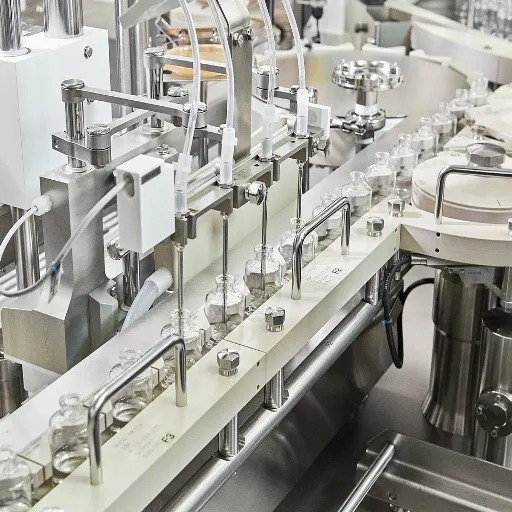
Aseptic Filling for Biologic Products
Aseptic filling process is the one that guarantees the sterilization of biologic products and their resistance to contamination. With current data highlighting the shift in business focus toward advanced aseptic technologies to meet scalability and efficiency demands, automation has become essential.
🔬 Critical Requirements for Biologics
Precision Control
Automated systems ensure exact dosing and contamination control
Risk Reduction
Minimized human involvement cuts down contamination risks
Regulatory Standards
Systems maintain compliance with strict industry regulations
📊 Industry Impact Analysis
What are the benefits of automated approaches on the industry?
- Enhanced Product Quality: Reduced human involvement leads to better quality control
- Operational Effectiveness: More efficient operations with consistent output
- Production Scaling: Increased capacity to meet global demand for biologics
- Innovation Support: Enables production of innovative gene therapies at scale
Role in Cell and Gene Therapy Production
Automated filling system integration is a key factor in solving cell and gene therapy production challenges. All cell and gene therapies have aseptic requirements, dosing accuracy, and contamination prevention as main factors that ensure patient safety and treatment effectiveness.
🎯 Critical Success Factors
| Factor | Automation Benefit | Patient Impact |
|---|---|---|
| Aseptic Requirements | Minimal human involvement ensures sterility | Reduced risk of patient infection |
| Dosing Accuracy | Precise automated measurements | Consistent treatment efficacy |
| Contamination Prevention | Closed system processing | Enhanced patient safety |
| Error Reduction | Significantly reduced human errors | Improved treatment outcomes |
| Variance Minimization | Consistent production parameters | Reliable therapeutic results |
🌍 Global Market Response
The global demand for cell and gene therapies is on the rise; hence, one of the factors for maintaining the high standards required in this field is automation for efficient scaling of production. By adopting automated systems in the manufacturing process, commercially sensitive products conform to the highest industry standards for regulatory compliance, ensuring products are safe and effective for patients worldwide.
Challenges and Solutions in Filling Biologics
Filling biologics is a tricky process because the products are very sensitive and need to be handled precisely. Multiple challenges exist that require sophisticated solutions to ensure product quality and safety.
⚠️ Major Challenges in Biologics Filling
| Challenge | Impact | Risk Level |
|---|---|---|
| Sterility Maintenance | Biologics prone to contamination affecting potency and safety | ● High |
| Viscosity Issues | High-viscosity formulations hinder consistent dosing | ● Medium |
| Product Sensitivity | Delicate formulations require precise handling | ● High |
| Product Wastage | Loss during transfer and filling processes | ● Medium |
✅ Advanced Solutions & Technologies
1. Closed Systems & Isolators
Solution: Provide sterile environments that greatly minimize contamination risks throughout the filling process.
2. Precision Filling Equipment
Solution: Single-use systems reduce product wastage while handling high-viscosity products more efficiently.
3. Real-Time Monitoring with Automation
Solution: Gives manufacturers opportunity to instantly detect deviations, maintaining consistency and adherence to strict regulatory standards.
4. Innovative Container & Closure Systems
Solution: Pre-filled syringes and cartridges simplify the filling process and enhance product stability.
🎯 Strategic Outcome: Combining these advanced tools and strategies provides the biologics manufacturing process with both efficiency and reliability while keeping the high quality of these high-value therapies intact.
Efficiency and Time to Market
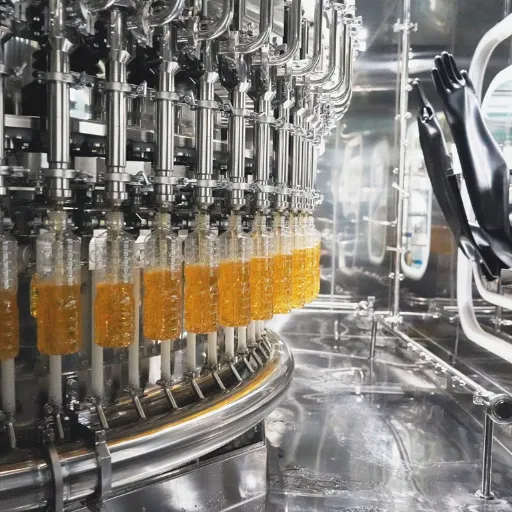
Factors Affecting Time to Market for Aseptic Filling
The time required for product development and market entry in the aseptic filling sector is affected by various important factors that pharmaceutical manufacturers must carefully consider and manage.
⏱️ Critical Time-Impact Factors
| Factor | Description | Mitigation Strategy |
|---|---|---|
| Equipment Effectiveness | Level of automation and technological advancement | Invest in fully automated filling lines |
| Regulatory Approval | Time-consuming compliance with international guidelines | Early engagement with regulatory bodies |
| Supply Chain Reliability | Raw materials and component availability | Establish multiple supplier relationships |
| Quality Control Systems | Rigorous validation and testing protocols | Implement parallel validation processes |
| Human Interference | Manual processes increasing cycle time | Deploy robotic equipment and automation |
🚀 Technological Acceleration Tools
📊 Analytics & Real-Time Data
Companies can adjust planning and make production schedules more efficient through data-driven insights.
🔮 Predictive Modeling Tools
Help in recognizing factors causing slowdowns ahead of time for proactive management.
☁️ Cloud-Based Collaboration
Increases communication between teams from different departments and locations.
✅ Outcome: Modern technologies and techniques, when used in conjunction with forecasting, can cut a considerable amount of time off the process of bringing drugs to market, allowing for quicker distribution of high-quality therapies to patients.
Strategies to Enhance Efficiency
Automating the aseptic filling process is not only associated with reduced operational costs but also with improved product quality. Companies can combine technologies with lean operational strategies they already use for maximum impact.
📋 Comprehensive Efficiency Enhancement Strategies
1. Process Automation
- Reduces reliance on human labor
- Minimizes chances of errors and contamination
- Ensures consistent operation performance
- Speeds up production cycles significantly
2. Advanced Robotics & AI Analytics
- Real-time monitoring capabilities
- Quick response to any process deviations
- Predictive maintenance scheduling
- Data-driven decision making
3. Digital Twin Technology
- Virtual production simulation
- Problem-solving before issues occur
- Optimized planned upkeep schedules
- Risk-free process optimization testing
4. Machine Learning for Supply Chain
- Analyzes historical and real-time data
- Forecasts demand accurately
- Reduces waste and overproduction
- Optimizes inventory management
📈 Rising Industry Trend
According to the latest data from search engine trends, there is a rising trend in adopting machine learning for supply chain optimization. Machine learning algorithms analyze historical and real-time data to forecast demand accurately, reducing waste and overproduction.
Strategic Integration: Pairing these technological advancements with strong workforce training ensures that teams can adapt to new systems seamlessly. This holistic approach creates a synergy between human expertise and automated precision, leading to superior production outcomes.
Case Studies of Successful Implementations
Real-world examples demonstrate the transformative potential of machine learning and advanced technologies when applied strategically to manufacturing and supply chain operations.
1. Amazon’s Predictive Inventory Management
Innovation: Predictive inventory management system using historical sales data combined with real-time demand signals
Implementation: Stock warehouses efficiently with advanced algorithms
Results: Minimized delivery times, reduced storage costs, maintained customer satisfaction, ensured consistent product availability
2. Walmart’s Vendor Management Optimization
Innovation: Machine learning to streamline vendor management and reduce waste
Implementation: Vast volumes of data from global stores to predict seasonal demand trends
Results: Real-time adjustments ensure overproduction and understocking are avoided, contributing to cost savings and improved product availability
3. Maersk’s Real-Time Shipment Tracking
Innovation: Machine learning for real-time shipment tracking and predictive maintenance
Implementation: Integrating data from IoT devices and satellite tracking
Results: Precise delivery forecasts, identification of potential disruptions (weather, port congestion), enhanced customer trust and operational efficiency
4. Data Ecosystem for Decision-Making
Innovation: Machine learning embedded within supply chain systems to optimize hardware production and delivery
Implementation: Leveraging search trends, consumer behavior insights, and logistics data to forecast demand
Results: Resources allocated dynamically, products available in key markets, minimized overstocking through holistic approach
🎯 Key Takeaway
These case studies highlight the transformative potential of machine learning technology when applied strategically. By combining cutting-edge algorithms and data-driven insights with robust infrastructure, companies have redefined efficiency and customer satisfaction in their respective industries.
Future Trends in Aseptic Filling
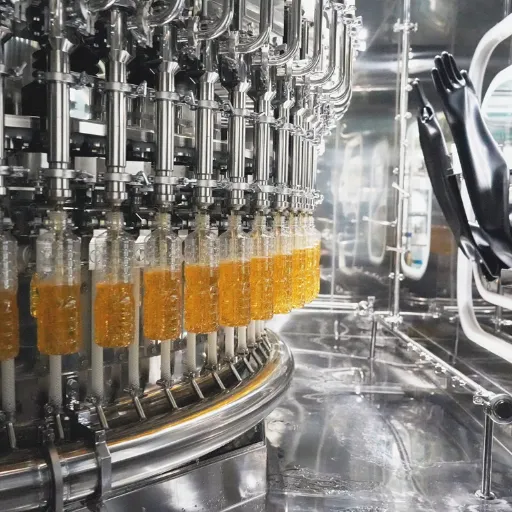
Emerging Technologies in Aseptic Filling Machines
Aseptic filling machine technology advancements of the last few years have resulted in new ways of dealing with manufacturing practices, making it easier to meet the increasing demands of precision, hygiene, and efficiency.
🚀 Major Technological Innovations
1. Robotics Integration
| Feature | Benefit |
| High accuracy filling | Ensures precise dosing every time |
| Decreased contamination chance | Minimizes human contact points |
| Increased flexibility | Adapts to different products and packaging formats |
2. High-Precision Sensors & IoT Technology
- Continuous monitoring: Real-time tracking of temperature, pressure, and flow rates
- Quality control: Comprehensive oversight throughout filling process
- Predictive maintenance: Monitors for wear and tear, avoiding unplanned downtime
- Maximum efficiency: Operating at peak performance levels consistently
3. AI & Machine Learning Optimization
Capabilities:
- Analyze large data sets for pattern recognition
- Master decision-making processes
- Make operations more efficient automatically
- Foresee potential production problems before they happen
4. Single-Use Systems
Trend Continuation: Single-use systems are increasingly preferred due to multiple advantages:
- Do not require expensive sterilization processes
- Reduced risk of cross-contamination
- Simplified changeover procedures
- Lower operational complexity
🌍 Sustainability Impact
The technologies above, apart from making safe and effective products, have also added to the cause of sustainability by cutting down on energy and materials waste, thereby achieving manufacturers’ dual objectives of meeting regulatory and environmental standards while performing exceptionally.
Impact of Regulatory Changes on Aseptic Filling Equipment
The recent changes in regulations affecting the pharmaceutical industry have significant impact on the aseptic filling equipment’s manufacture and acceptance. Regulators, mainly the FDA and the EMA, are now very strict about guidelines, requiring manufacturers to produce drugs with extreme sterility, precise dosing, and the highest quality.
⚖️ Key Regulatory Drivers
| Regulation | Requirement | Equipment Impact |
|---|---|---|
| FDA/EMA Guidelines | Extreme sterility and quality standards | More sophisticated equipment with advanced automation |
| 21 CFR Part 11 | Robust data integrity requirements | Enhanced monitoring and reporting features |
| cGMP Compliance | Current Good Manufacturing Practices | Robotics to reduce human involvement |
| Sustainability Standards | Environmental responsibility | Single-use systems and energy-efficient designs |
📊 Industry Response Trends
Recent searches and reports have shown that the industry is moving toward the application of single-use systems which align with both regulatory and sustainability goals.
Manufacturer Obligations: These factors compel manufacturers to invest in the best equipment, upgrade old systems, and stay in good standing with authorities by abiding by changing compliance requirements.
✅ Overall Impact: The regulatory terrain not only spurs equipment innovations but also enhances the safety and efficiency of the pharmaceutical manufacturing process.
Predictions for the Future of Aseptic Filling in the Industry
The aseptic filling industry will need to buckle up for significant changes, with automation, digitalization, and sustainability as the driving forces behind the future landscape.
🔮 Future Industry Predictions
🤖 AI & Machine Learning Dominance
Impact: Use of artificial intelligence and machine learning in aseptic practices will eliminate human error, reducing contamination risks and enhancing product safety and efficiency across all production stages.
🏭 Smart Manufacturing Technology
Evolution: Production lines transitioning toward smart manufacturing technology with advanced robotics, bringing operational flexibility and scalability advantages to pharmaceutical manufacturing facilities.
🌱 Eco-Friendly Innovations
Focus Areas: Eco-friendly packaging and energy-efficient technologies will be main innovations in aseptic filling, emphasizing environmental responsibility globally and meeting consumer demand for sustainable pharmaceutical products.
📋 Regulatory Compliance Enhancement
Outcome: Advanced systems will ensure compliance with strict regulations while simultaneously meeting consumer expectations for environmentally friendly and sustainable pharmaceutical products.
🌟 Industry Outlook
The convergence of automation, digitalization, and sustainability will define the next generation of aseptic filling, creating a future where pharmaceutical manufacturing is safer, more efficient, and more environmentally responsible than ever before.
Frequently Asked Questions (FAQ)
❓ What is an aseptic filling machine and how does it function?
An aseptic filling machine refers to a particular kind of filling machine used for filling sterile drug products (e.g., injectables and biologics) in a sterile atmosphere. The operation of this machine involves the usage of cutting-edge technology that is effective in maintaining and eliminating microbe contamination during the filling process. Most of the time, these machines adopt a completely closed system that works hand in hand with processing isolators to maintain the best standards of cleanliness and safety. The aseptic filling process is of utmost importance for the pharmaceutical industry as it is applied in the case of gene therapy and advanced therapy medicinal products (ATMPs). These machines are capable of processing different kinds of products like vials and syringes, ensuring that the final product is cGMP compliant and ready to use (RTU).
❓ What are the advantages of using aseptic filling equipment in pharmaceutical production?
The primary benefits of aseptic filling equipment in pharmaceutical manufacturing are that it prevents contamination to a large extent and thereby, increases the safety of drugs very much. These machines will be very helpful for companies that are in search of novel solutions. Not only do such machines allow for minimally invasive techniques but also, a very flexible production line can be created which can be easily modified to different product formats (e.g., filling vials or syringes). Through the purchasing of high-tech aseptic filling machines, companies could thereby reducing lead time and time to market of their products significantly in the very competitive environment of R&D and clinical trials, and hence, the access to critical therapies for patients would be improved.
❓ In what way are filling solutions beneficial in the aseptic filling process?
Aseptic filling process greatly relies on filling solutions and they are considered the backbone of the process. The filling solutions decide the smoothness of the filling machines and the degree of cleanliness and control of contamination they maintain. The choice of filling solutions may affect the product stability and the lifespan of the product, particularly in the case of biologics and mRNA therapies, to a greater or lesser extent. Furthermore, modular filling lines can be uniquely crafted to suit the production needs, which in turn leads to a more efficient process of filling and closing. Pharmaceutical companies employing high-performance filling solutions will not only be able to improve the quality of their products but also save on costs related to reworking or recalls that arise from contamination problems.
❓ What different types of filling machines are available for aseptic filling?
There is a variety of different types of filling machines that can be used for aseptic filling, and each is built to meet the demands of specific products and production volumes.
Common Machine Types:
- Vial Filling Machines: Often found in laboratories and factories for filling sterile products
- Syringe Filling Machines: Designed specifically for vaccines and injections
- Small-Scale Aseptic Filling Machines: Used in pharmacies or laboratories for small-scale products or limited space
- Integrated Filling Lines: Include conveyor systems to boost workflow and efficiency
The decision for equipment will be based on parameters such as production volume, product type, and compliance with regulatory requirements.
❓ How can pharmaceutical manufacturers ensure product safety during the filling process?
The main way of assuring product safety during the filling process is by using stringent protocols and high-quality aseptic filling machines that are in line with cGMP regulations.
Key Safety Measures:
- Ergonomic Design: Attention to filling line ergonomics and operator-friendly tools
- Closed Systems: Employment of totally closed systems and advanced containment technologies
- Contamination Control: Innovative equipment to dramatically limit production area contamination risk
- Regular Maintenance: Critical for guaranteeing machines work at highest efficiency
- Validation Protocols: Ensuring sterility is maintained throughout all processes
Outcome: Manufacturers committed to product safety can earn the trust of healthcare professionals and patients alike in the quality of their drug products.
Reference Sources
For further reading and in-depth information about aseptic filling processes and equipment in pharmaceutical applications, the following academic and industry sources provide valuable insights:
📚 UHT Processing and Aseptic Filling of Dairy Foods
Source: Kansas State University Repository
Focus: This document discusses the principles of aseptic filling and ultra-high temperature processing, providing foundational knowledge applicable to pharmaceutical applications.
Institution: Kansas State University
🎓 Aseptic Processing: A Review of Current Industry Practice
Source: Academia.edu
Focus: A comprehensive review of aseptic processing practices, including filling operations, quality control measures, and industry best practices for pharmaceutical manufacturing.
Access: Available through academic research platforms
🔬 Comparison of Cleanroom and Isolator Aseptic Processing Technology
Source: University of Georgia OpenScholar
Focus: This paper compares cleanroom and isolator technologies for aseptic filling in biopharmaceutical facilities, examining the advantages and limitations of each approach.
Institution: University of Georgia
📖 Note: These sources provide comprehensive academic and technical information about aseptic filling processes, equipment specifications, regulatory compliance requirements, and industry best practices for pharmaceutical and biopharmaceutical manufacturing.

GW
Articles: 39
Trending now