Get in touch with Victorystar

Carbonated Soft Drink Bottle Production Line Machinery

Contents
show
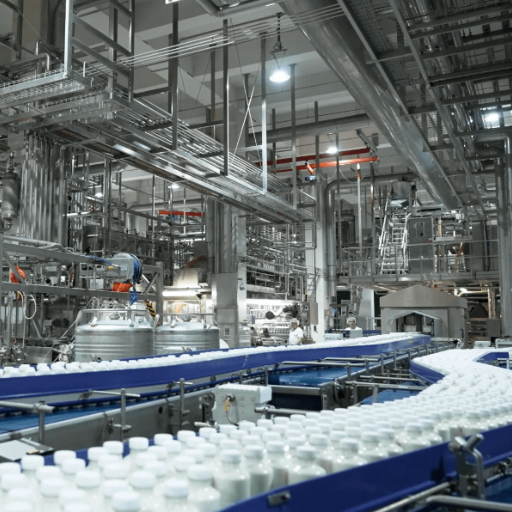
Carbonated soft drink production lines require accuracy, efficiency, and state-of-the-art technology to satisfy the ever-increasing global demand. The operation of an efficient production line, that is, from filling to capping and labeling systems, ensures that the displaced product meets quality and consumer expectations. In this article, we will take a round on the useful machinery behind carbonated soft drink production lines, focused upon the functions, technology enhancements, and how these are essential for improving efficiency in the production process. For example, if you are a manufacturer who would like to better operate, or you are simply a person who wants to know how beverages are made, this inventory of designs has some lessons that could be quite revealing concerning what goes on in this intricate and highly advanced technology.
🥤
Introduction to Carbonated Soft Drinks Production
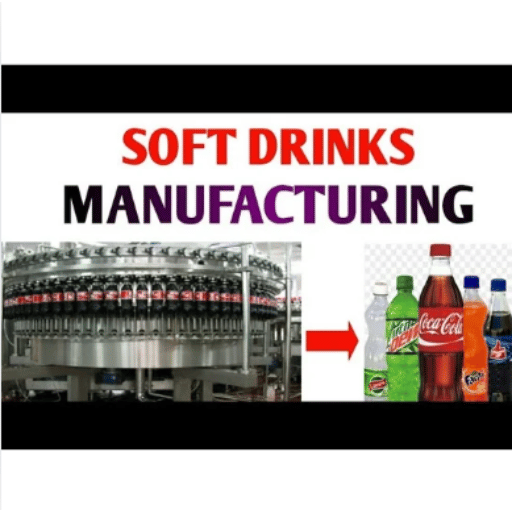
The making of carbonated soft drinks starts with the exact formulation of the beverage base, which generally includes water, sweeteners, flavorings, and sometimes preservatives. The base is then thoroughly filtered and treated in such a way that its purity and consistency are guaranteed. After this, carbonation is done where the carbon dioxide is mixed into the liquid under controlled circumstances to produce the typical fizz. The finished drink is then directed to fast-filling and capping machines, thus securing the drink’s freshness and integrity. The whole process puts great emphasis on efficiency, quality control, and strict safety measures in order to provide consumers with a uniform product.
📊
Overview of the Carbonated Soft Drink Industry
The soft drink industry dominated by carbonated drinks is an extremely competitive market worth billions, where the leading secret behind attracting consumers is in the constant switch of product and brand, and the long and complex supply networks. The market is mainly composed of global players, and recently small ones, who all are concentrating on fulfilling the consumers’ demands for a variety of flavors, low-calorie drinks, and green production processes. The market forces are impacted by shifting consumption trends globally, sugar regulations in terms of labeling, and advertising, and plastic, cardboard, and other packaging materials that are ‘green’, biodegradable, and compostable. Companies have to put a lot of money into research and development if they want to be able to follow the trends, keep their market share, and grow in a good manner. The production technology of the industry, along with the proper quality assurance, and clever promotion, is the success of the whole industry, as all these are directed at creating a product that will not only be up to the consumer’s standard but also meet the legal one.
Importance of Efficient Production Lines
In the beverage industry, the efficient production lines are paramount to maintaining competitiveness. Through process optimization, the companies can cut down on expenses, eliminate waste, and increase the quantity of the product, at the same time keeping the quality of the product consistent. Advanced automation technologies and lean manufacturing practices are the main factors in improving operational efficiency. These systems give very accurate control of production stages, i.e., from the mixing of the ingredients to bottling and packaging, making sure that the regulatory and safety standards are being followed strictly. The main benefit of the streamlined production lines is that they not only increase the company’s profits but also allow the company to respond more quickly to the market and consumer needs.
Market Trends and Consumer Preferences
The beverage industry has been changed by several important market trends and changing consumer preferences. The demand for functional beverages, such as those that contain vitamins, probiotics, and adaptogens, is being pushed by health-conscious buyers. The choice of ingredients is moving more toward plants and sustainability, which is in line with the consumers’ growing concern about the environment. Besides, the convenience factor is still dominating the trade, thus the quick-to-drink beverages and the innovative packaging solutions are getting more and more popular. The consumers’ demand for transparency is increasing in every aspect—food labeling and ethical sourcing—since they want to know the beverage’s ingredients and origin in details. These trends force the brands to constantly change their strategies in order to be competitive and fulfill the ever-changing expectations of the market.
Key Factors to Consider When Choosing a Production Line Manufacturer
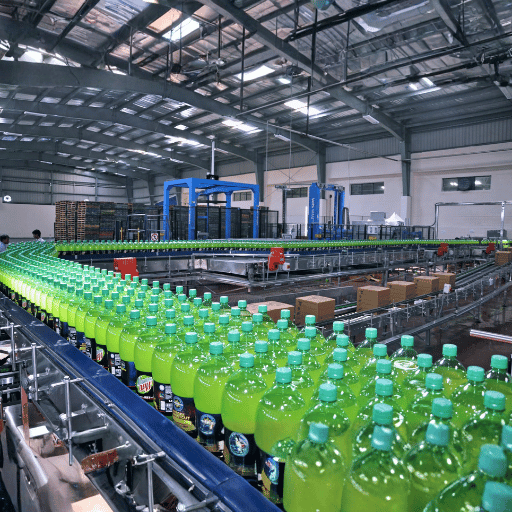
Selecting the right production line manufacturer is crucial for long-term operational success. Consider the following critical factors to make an informed decision:
🎯 Critical Selection Criteria
1. Quality and Reliability
The manufacturer in question has to an excellent reputation as a supplier of machinery that is not only efficient but also long-lasting. Look for certification and compliance with industry standards as ways to ensure that their equipment is of good quality and reliable.
2. Customization and Flexibility
A manufacturer with a good reputation must be willing to make changes to their machines in order to suit each customer’s individual needs. Among other things, this includes the adjustment of production lines to different product types, volumes, or packaging formats.
3. Cost and Return on Investment
Take into account not only the initial outlay but also the costs for maintenance and the efficiency of how the machine operates. A manufacturer that is trustworthy will find a way to be affordable and at the same time save users a lot in the long run through energy-efficient, and reduced downtime.
4. Technical Support and Maintenance Services
You should only go for a manufacturer who is ready to give you comprehensive technical support that covers installation, training, and easily available spare parts. Fast maintenance response times will help to keep production interruptions to a minimum.
5. Technology and Innovation
It is necessary to assess the company’s attitude towards technology and innovation. The applications of state-of-the-art technology, like automation and data monitoring systems, will not only boost your production but also make you aware of the status of your production line.
6. Industry Experience and Reputation
A manufacturer who has been supplying the carbonated soft drink industry for quite some time will understand the production requirements of your company better. Read client reviews and case studies to get a feel for the manufacturer’s reputation.
In this way, businesses will be able to choose a manufacturer that will not only meet their operational needs but also be a source of long-term value for them.
Quality and Reliability of Machinery
In the evaluation of the quality and dependability of machines, concentrate on the main performance indicators like operational efficiency, longevity, and maintenance intervals. The best equipment should be made with strong materials, have cutting-edge engineering standards, and show little downtime during long usage. Reliability can also be measured by certifications, warranty support, and field performance data for similar manufacturing settings. Choosing machines that satisfy these conditions will ensure regular production, less operational interferences, and better productivity over time.
Customization Options for Production Lines
Customization options for manufacturing lines are essential to cater to specific operational requirements, to gain the highest efficiency, and to minimize waste. The main configurations consist of conveyor systems that can be adjusted, modular assembly stations, and programmable robotic arms that are in line with different production needs. Moreover, the use of IoT-equipped sensors enables real-time monitoring and adaptive modifications, which adds to the operational accuracy. Industries can choose customized solutions like tooling for a specific product, control of speed that can be changed, and the ability to combine different products A to Z to make the production line constantly adaptable to the changing requirements. These customizations lead to better scalability, more efficient use of resources, and smoother alignment of workflow.
Technical Support and Maintenance Services
Technical support and maintenance services are indispensable for the long-term performance and reliability of modern manufacturing systems. These services are meant to give proactive troubleshooting, routine inspections, and instant fixing of equipment breakdowns. Continuous diagnostic evaluations and software upgrades are the means to the end of reduced downtime, more reliable systems, and greater operational efficiency. By utilizing sophisticated analysis and remote monitoring, the maintenance staff is able to foresee possible failures and carry out preventative measures, thus avoiding any interruptions. In addition, customized training programs and round-the-clock support make sure that the on-site staff is capable of dealing with the intricacies of the system, which in turn helps the industries to keep their productivity levels at the desired level.
Top Manufacturers of Carbonated Soft Drink Production Lines
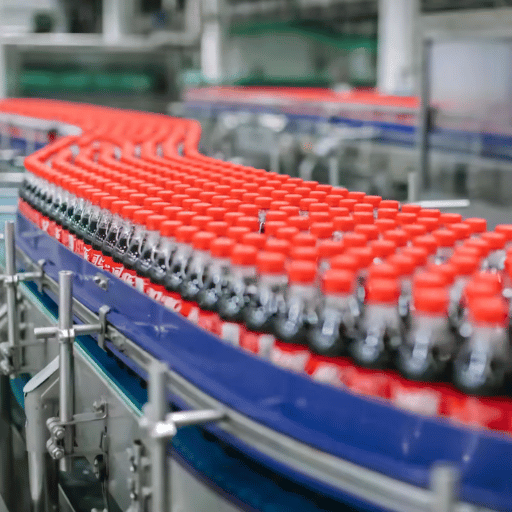
The following manufacturers represent the industry leaders in carbonated soft drink production line technology, each bringing unique strengths and specialized expertise:
1
Krones AG
The German company Krones AG, known for its highly modern technology, designs and builds full production lines thus granting customized solutions along with high efficiency in the manufacturing of carbonated soft drinks.
2
Sidel Group
Sidel is known for providing the most reliable and precise solutions for bottling and packaging that highlight sustainability and precision. Their machines are thought to be the most reliable among all and are also the ones with the highest adaptability to different production demands.
3
GEA Group
GEA is the one who comes up with the new process solutions and quality production equipment for the beverage industry. The company’s systems guarantee consistency of product quality and energy savings.
4
Tetra Pak
Tetra Pak, a company that is good at both beverage processing and packaging, offers integrated production solutions designed for carbonated soft drinks. Tetra Pak’s machines are famous for being long-lasting and having cutting-edge technology.
5
KHS GmbH
KHS provides effective lunch and packing systems for fizzy drinks. Their dedication to improving speed, hygiene, and resource use along with their reputation among the industry as a reliable partner make them a favorite of the industry.
Innovations in Manufacturing Technology
The innovations in the production technology of carbonated drinks are mostly dictated by the demand for efficiency, sustainable practices, and accuracy. High-speed filling systems controlled electronically are one significant development that has come about. Waste on the production line is minimized while product quality is kept uniform. Moreover, the hygiene of the production area has been upgraded significantly by the use of automated cleaning-in-place (CIP) systems that also reduce downtime and improve the productivity of the operations. The introduction of servo-driven parts and the optimization of thermal processes are some of the changes in the machinery that consume less energy and this translates to lower carbon emissions. Beyond the application of IoT in handling such various manufacturing processes is the availability of sophisticated Smart Manufacturing solutions characterized by real-time tracking, predictive maintenance, and eventually raised productivity, as well as reduced costs, across production lines. All these mentioned technologies have greatly contributed to the precision engineering and resource requirement optimization advancements in the industry.
🔍 Comparative Analysis of Manufacturer Offerings
In the context of precision engineering and smart manufacturing solutions, the main things that set apart different manufacturers are system integration capabilities, scalability, and data management efficacy. The manufacturers who bring IoT-enabled ecosystems with hassle-free hardware-software integration are the ones who show the highest level of flexibility in the constantly changing industrial world. Moreover, the range of scalability of solutions has a considerable impact on long-term sustainability, where small-scale operations can be upgraded to enterprise-level implementations. Finally, the performance of data analytics platforms in providing actionable insights through instant monitoring and predictive maintenance is an important factor. These factors work together to highlight the, to a great extent, the overall reliability, efficiency, and future-proofing potential of the offerings in this fast-evolving sector.
Comparison Table of Carbonated Soft Drink Production Lines

| Manufacturer | Key Features | Strengths | Weaknesses |
|---|---|---|---|
| Krones AG | Automation, flexibility in production capacity, energy-saving lines | High efficiency, reliable systems | High initial investment cost |
| Sidel Group | Advanced PET solutions, versatile filling technologies | Innovative designs, global support | Limited to specific packaging types |
| KHS GmbH | High-speed systems, focus on hygiene and sustainability | Resource optimization, durability | May require more regular maintenance |
| GEA Group | Modular systems, high precision carbonation units | Customizable solutions, scalability | Higher complexity in system upgrades |
| Tech-Long Inc. | Cost-effective machinery, user-friendly designs | Affordable options, easy operation | Lower production speeds on certain models |
Specifications and Features
Evaluating the specifications and features of beverage packaging machinery is a process that would take into account the very important performance factors noted like throughput, system durability, ease of maintenance, and scalability. KHS GmbH, for example, is leading the way with its high-speed systems that consider hygiene and sustainability. These systems are resource efficient, but still not very durable, so they may need maintenance more frequently than others in order to keep performance at peak levels. On the other hand, GEA Group offers a modular design that very much keeps the accuracy of operations in the entire carbonation process since it allows for a high degree of customization and scalability at the expense of increasing system complexity during upgrades. Conversely, Tech-Long Inc. presents its very inexpensive machinery that is very much appreciated for its user-friendly design, and thus the company targets affordability and simplicity in operations. However, production speeds might be limited compared to those of premium models. These factors highlight the need for a proper balance between system capabilities and operational requirements for achieving the best results possible.
Pricing and Cost Analysis
In the case of pricing and cost factors, the initial capital investments are to be looked at in conjunction with operational costs over the long term. Sometimes, the machines that are classified as premium require a bigger upfront investment but offer better functionalities, greater production speeds, and more extended reliability, which lead to lower costs throughout the life cycle. On the other hand, budget-friendly machines that are less costly to buy may lead to extra costs as a result of maintenance, lower productivity, and inability to scale up. To reach a good decision, companies should perform a complete cost-benefit analysis that includes, among other things, production needs, possible loss-of-production costs, and investment payback period. This way, it will be possible to synchronize financial planning with operational goals, thereby, maximizing the value created in total.
Customer Reviews and Feedback
Customer reviews and feedback are essential for getting a good picture of the practical performance and reliability of machines. The detection of patterns in user experiences, for example, operational efficiency, durability problems, and maintenance frequency, can lead to the businesses getting very important insights into the actual use of a product. This data will not only enhance the internal assessments but also help in the anticipation of long-term operational results, thus making it possible for the procurement decisions to be made based on data and in accordance with the industry standards.
📚 Reference Sources
Market Report Analytics – PET Bottle Carbonated Beverage Filling Line Market
Highlights the strong expansion of the global PET bottle carbonated beverage filling line market, which is primarily driven by the rising demand.
Food Politics – A Guide to the Soft Drink Industry
Discusses the marketing strategies and the target demographics in the soft drink industry, along with considerations for the production line.
Market Research Future – Beverage Plastic Bottle Market
Gives an overview of the beverage plastic bottle market, along with the trends and forecasts for the usage of PET bottles as well.
Frequently Asked Questions (FAQs)
Q
What is the reliability of production lines for carbonated soft drinks in PET bottles?
Manufacturers of the first rank follow and apply very strict rules regarding engineering and quality control to support their consistent and high-performance operation. The reliability of this operation system cuts down on the time that production is stopped due to a fault and also increases the life of the equipment, thereby helping the beverage plants to maintain a stable production output.
Q
Is it possible to do production lines according to the unique demands?
Indeed, most of the trusted suppliers are providing custom configurations such as bottle sizes and filling speeds that are all including in the specific carbonation or packaging systems. These custom approaches are makers’ way of meeting the shifting operational needs and preferences in the market.
Q
What are the primary cost factors when machinery is being purchased?
Apart from the initial investment, the total cost of ownership and the long-term maintenance expenditures are also factors that should be considered. Quality systems may have a serious cost implication at the start but often bring with them the benefits of greater efficiency, lower maintenance charges, and a reduced chance of unexpected production stoppages.
Q
Which services are offered post-installation?
Well-known manufacturers usually have a complete range of after-sales services including technical training, preventive maintenance, spare parts supply, and remote diagnostics. This level of support guarantees the continuous efficiency of the operation and helps in the quick resolution of the issues.
Q
How does the manufacturer ensure compliance and safety standards are met?
The providers with the best reputation are those who not only assure but also guarantee that their equipment is in full compliance with international safety, hygiene, and environmental regulations. They even include the compliance support and validation as part of their service.

Candy
Articles: 37
Trending now