Get in touch with Victorystar

Water Bottling Machine: Mineral Water & Beverage Production Line

Contents
show
Highly efficient, consistent, and creative bottled water machinery goes a long way in the production of high-quality mineral water and beverages. Regardless of the size of the supply, these are critical pieces of machinery in delivering the standard health and safety requirements to ensure that their products are not compromised on their efficiency. This piece highlights how modern water-bottling equipment works in its full detail, pinpointing its features, approaches, and catalytic role in streamlining the beverage-making tasks. Ultimately, it offers an insight into the ways in which these machines have improved shelving efficiencies while upholding quality, sustainability, and precision.
Introduction to Water Bottling
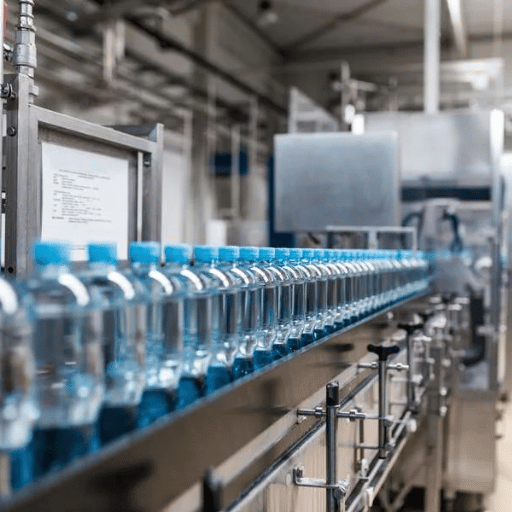
Water bottling is the process of sealing drinking water in containers for sale and delivery. It involves sequences of tasks—water treatment, filling, capping, labeling, and quality control—that make sure the product meets safety and quality standards fixed by industry and global associations. What matters most is that the systems should act efficiently and with minimum risk of contamination—so modern water treatment systems involve advanced automation necessary for the high-scale production of beverages. These are regulated systems that adhere to the technical facts in heart while ensuring high levels of constant and reliable outputs.
Importance of Water Bottling Systems
Water bottling systems are very important in making sure that safe drinking water is available to satisfy the needs of the increasing human population. The main function of these systems is to maintain hygiene, avoid contamination, and prolong the shelf life of bottled water products. Water bottling systems make sure that water is treated, packed, and distributed with the highest level of standards and using the latest technologies, thus meeting the needs of consumers and the environment. They are very dependable and accurate, so they are needed in the process of obtaining high production throughput and at the same time protecting public health.
✓
Key Benefits of Modern Bottling Systems
- Enhanced hygiene and contamination prevention
- Extended shelf life of bottled products
- High production throughput with precision
- Compliance with global safety standards
Overview of Water Bottling Equipment
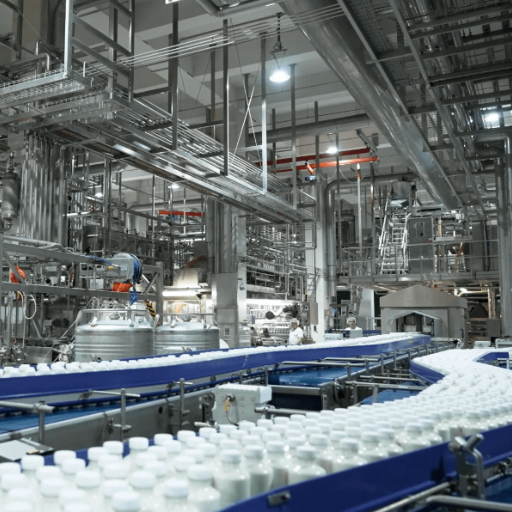
Water bottling equipment consists of a variety of machines that are specifically designed for the different stages of the bottling process to be done with great accuracy and efficiency. The main elements are water treatment systems that are used for filtration and purification, filling machines that are responsible for the precise and quick filling of bottles. Capping machines perform the task of sealing the bottles airtight and labelling systems take care of the proper identification of the products. The most sophisticated lines include the use of automatic conveying systems, inspection solutions, and cleaning equipment in order to facilitate the movement of materials and ensure cleanliness. These systems have been designed to meet the requirements of the industry, to have a minimum impact on the environment and to keep up with the increasing demands of production. They come with modular designs and scalability, thus making it easy for them to be adjusted to different operational needs, thereby providing solid solutions for bottling plants of all sizes from small to large.
Types of Water Bottling Machines
There are three main types of water bottling machines that can be distinguished according to their function and the scale of production:
1. Manual Water Bottling Machines
These are meant for small operations and involve manual labor for tasks such as filling and capping of bottles. They are the least expensive machines, simple to use, and fit for the business whose production need is small.
Best for: Small-scale operations and startups
2. Semi-Automatic Water Bottling Machines
These systems may have automated parts and manual parts together, which leads to an increase in efficiency but also keeping the cost down. They are the best choice for medium-sized producers, as they offer the ability to change bottle size and shape easily.
Best for: Medium-sized production facilities
3. Fully Automatic Water Bottling Machines
These machines have been designed specifically for the highest production capacity. They take over the entire bottling process, from rinsing and filling to capping and labeling, with very little human involvement. Such machines come with cutting-edge technology that guarantees not only fast and accurate operations but also conformity with the requirements imposed by the authorities, thus making them a necessity for giant manufacturers.
Best for: Large-scale industrial production
Every category is tailored to meet the specific demands of the operations while at the same time maintaining hygiene, product quality, and efficiency throughout the different production scales.
Key Considerations When Choosing a Machine Manufacturer
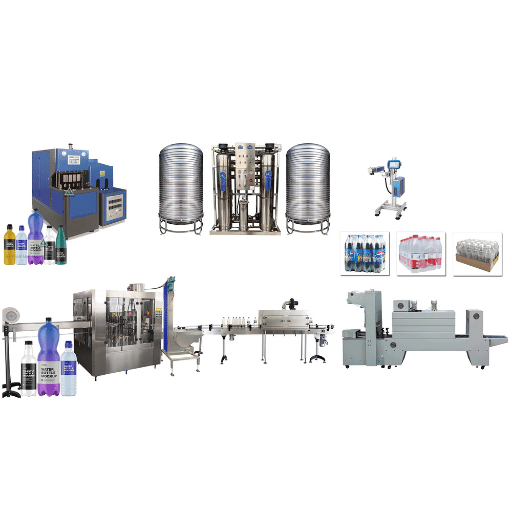
When you are going to choose a manufacturer for water bottling machines, the factors you should give the most attention to will be those that allow you to end up with a reliable and efficient machine:
1. Experience and Expertise
It is best to select a manufacturer that has a strong history of reliable delivery and good knowledge in water bottling system design and production. Check their reputation in the industry and look for customer comments to evaluate their reliability.
2. Compliance with Standards
The manufacturer you choose must be one that operates under international regulations regarding safety and quality. This means their equipment will always be compliant with the regulations and at the same time, safety and performance will come first.
3. Customization Options
The choice of manufacturers that allow alterations to their designs in order to meet particular production needs, like capacity, bottle sizes, and advanced features, is your best bet.
4. Support and Maintenance Services
Your after-sales support, which should include training, regular maintenance, and availability of spare parts, should be very reliable because it is very important in preventing downtime and extending the machine’s lifespan.
5. Technological Innovation
Find out if the manufacturer has adopted the latest technology in their production processes to increase efficiency and reduce waste, hence, providing you with long-term value for your investment.
Considering these factors in-depth, companies can then pick a manufacturer who is not only able to satisfy their operational needs, but also provide them with the same quality and performance every time.
Quality of Water Bottling Equipment
To guarantee the quality of water bottling machinery a thorough assessment of the machine’s design, longevity, and the accuracy of its working parts is needed. An excellent system must include cutting-edge automation that will maximize productivity without sacrificing sanitary measures. Further, the employment of materials that are fit for human consumption, the meeting of regulation certifications, and the requirement for maintenance that is not too frequent are all essential aspects. In the end, a reliable bottling system ensures uniform performance, reduces the time taken for repairs, and provides the flexibility to grow in line with the demand for future production. Considering these factors helps companies to obtain machines that meet their present and future operational aspirations.
Experience and Reputation of Manufacturers
It is significant to give priority to the manufacturers with a proven history of supplying and producing equipment that meets the requirements of the industry when evaluating the experience and reputation of manufacturers. Such manufacturers, who have been in the business for many years, usually prove that they have an in-depth knowledge of the regulations that govern the industry, the latest technologies, and the needs of customers. Besides, positive client reviews, case studies, and good after-sales service are other factors that confirm the manufacturer’s credibility. Therefore, establishing a partnership with these reliable manufacturers not only guarantees the performance of the equipment but also creates a relationship based on trust for the future of upgrades and scalability.
Customization Options for Production Lines
Customization choices for manufacturing lines are essential in satisfying various operational needs of different industries. The contemporary production setups can be customized in numerous ways such as through the use of modular structures for easy modification, incorporation of cutting-edge automation technologies, and use of variable components that match production capacity. Personalized software applications give the most accurate control and monitoring while specific changes in tools or machines ensure that they fit the individual product conditions. The options provided are a great help to the manufacturers who want to make their processes more productive, less wasteful and flexible according to the changing market demands. Besides, complex customization not only improves productivity but also places the manufacturer among the winners in the battle for customers in the markets where competition is already advanced and price wars are rampant.
Comparison of Water Bottling Machines
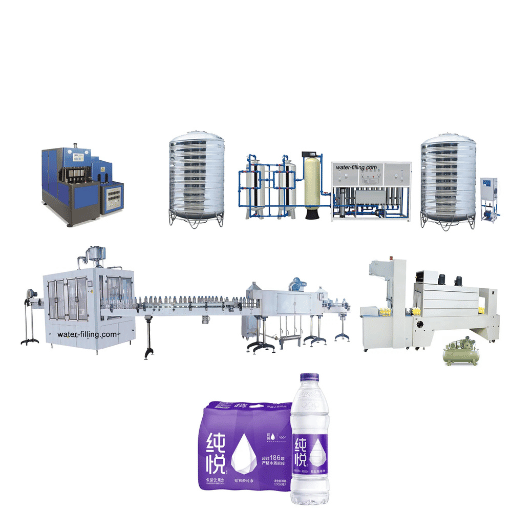
In the case of comparing water bottling machines, the most crucial aspects to take into consideration are production capacity, energy efficiency, and operation simplicity. Large-scale continuous operations can rely on high-capacity machines, but more modest ones might prefer small and inexpensive machines that are more cost-effective for the production volume. Over time, energy-efficient models are the ones that not only reduce operational costs but also being those that support sustainability goals, thus making them the most preferred ones. After all, machines that are easy to control and have automated features could speed up the operations process, require less workforce and hence no more downtime. Manufacturers that provide long-lasting products with no maintenance needs are the ones that guarantee users the performance and reliability for a long period of time.
| Comparison Factor | Manual Machines | Semi-Automatic | Fully Automatic |
|---|---|---|---|
| Production Capacity | Low (1,000-3,000/hr) | Medium (3,000-10,000/hr) | High (10,000-30,000+/hr) |
| Initial Investment | Low | Moderate | High |
| Labor Requirements | High | Moderate | Low |
| Energy Efficiency | Basic | Good | Excellent |
| Maintenance | Simple | Moderate | Requires expertise |
| Scalability | Limited | Flexible | Highly scalable |
Features and Specifications
The evaluation of machinery options involves considering several key features, such as energy efficiency ratings, automation capabilities, and material compatibility. The cost of operation should be lower if the energy-efficient models either meet or exceed the latest industry standards like ENERGY STAR certification. Automation features such as programmable control systems and real-time monitoring not only enhance precision but also bring operational efficiency. The life span of the machine and the resistance to wear are reflected in the high-quality construction materials used, such as stainless steel or reinforced alloys. Specifications should also include the machine’s capacity, production speed, power requirements, and maintenance intervals, as these factors not only influence performance but also cost-effectiveness. Compliance with regulatory and safety standards should always be checked to ensure reliable operation in your particular industry context.
Performance and Efficiency
From the viewpoint of the industry, key operational parameters are performance and efficiency optimally determined by their optimization. It is a must to tune the equipment so that it can give the highest output with the least energy consumption and yet maintain the necessary precision levels. The practice of regular preventive maintenance guarantees reliable uptime and, at the same time, eliminates the risk of productivity losses. The efficiency level can be raised to a remarkable degree by the adoption of up-to-date technologies viz. automation and real-time monitoring systems, which will, in turn, translate into less waste and greater accuracy in the process.
Cost Analysis and Budget Considerations
A comprehensive cost analysis means taking a close look at the whole operation and assessing its fixed and variable expenses. Investments in fixed costs like buying equipment and renting a building need long-term planning, while variable costs like raw materials, labor, and utilities can be optimized through continuous monitoring. Budgeting must set aside a portion for contingency to absorb costs due to market condition changes or unforeseen circumstances. Investing in cost-saving technologies like eco-friendly machines and automated processes will eventually lead to lower operational costs. One more thing that is considered as a top industry practice is installing a powerful financial tracking system that not only maintains but also allows for easy access to the information and thus, to the making of decisions based on data that are in accordance with the goals of organization’s profitability.
Conclusion and Recommendations
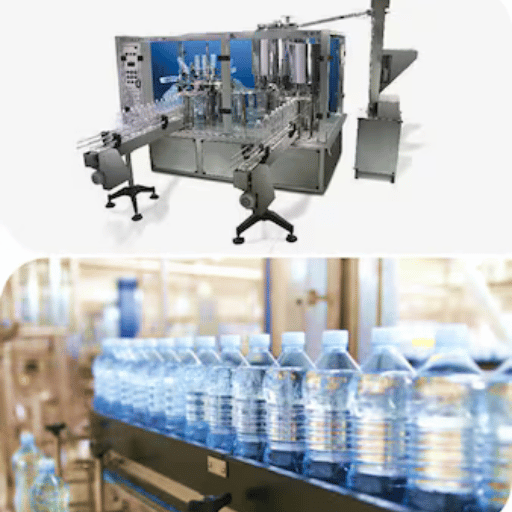
In order to maximize the efficiency of operations and to secure a constant value over long terms, it is good to make investments in machines that consist of durability, energy efficiency and easy to use features at the same time. The selection of models with low maintenance needs and high reliability factors is the way to go since they will cause the least disruptions and thus the highest productivity. A detailed analysis of the costs should be performed to keep the selection of equipment in line with the financial limits while at the same time paying attention to the solutions that have the highest sustainability benefits and the lowest operational costs. The even choosing of such machinery will not only aid the company’s short term goals but also the long term performance requirements.
Summary of Key Points
- Choose equipment with a preference for durability, energy efficiency, and user-friendly features.
- Choose models that are easy to maintain in order to assure reliability and reduce operational interruptions.
- Perform an in-depth cost analysis to find a way to accommodate the budget restrictions while at the same time satisfying the performance needs.
- Make it a rule to support the solutions with sustainability benefits and lower long-term operational costs.
- Take care that the selected equipment is in agreement with not only the short-term operational goals but also the future performance expectations.
Final Thoughts on Selecting a Water Bottling Machine
When choosing the appropriate water bottling machine, one has to consider a number of factors very scrupulously, in order to achieve both operational efficiency and long-term value. Direct your attention to machinery that perfectly matches your production capacity needs, is easy to operate, and requires little maintenance. Furthermore, choose machines that use eco-friendly technologies and give cost efficiency throughout the machine’s lifespan. By evaluating these factors in detail together with your financial and operational aspirations, you will be able to take a decision that not only fits your present production demands but also allows for future growth through scalability.
Future Trends in Water Bottling Technology
The water bottling sector is experiencing rapid innovations owing to the demand for eco-friendly and energy-efficient practices as well as product quality improvement. The main trends consist of using intelligent manufacturing systems that are backed by IoT and AI where real-time observation, preventive maintenance, and line production efficiency are all done and monitored. Moreover, the transition to green practices is causing the creation of materials for the packaging that are either biodegradable or fully recyclable which is drastically lowering the environmental impact of the sector. Energy-saving tools and techniques for limiting the use of water are also becoming more and more popular as they correspond to the worldwide sustainability drives. It is believed that these changes in technology will completely transform the sector, thus providing high-quality operations and at the same time being eco-friendly.
📚 Reference Sources
New Haiguang – Market Research for Bottled Water Business
Presents a detailed procedure for carrying out market research and tapping the production setups according to the customer requirements.
Serif.ai – How to Start a Water Bottle Business
Talks about the increase in the bottled water market which is expected to be $505.19 billion by 2028 and shares tips on the best running of operations.
Everything Branded – Promotional Custom Water Bottles
Emphasizes the market sectors and consumer groups for bottled water that are mainly active and health-conscious persons.
Frequently Asked Questions (FAQs)
What equipment does a bottled water production line consist of?
The production line generally encompasses systems for water treatment, machines for bottle blowing, filling, capping, labeling, and packaging, and finally, the products go to the warehouse.
What is the production capacity for bottled water production lines?
Production rates can vary from small installations of 1,000 bottles/hour to large industrial setups of 30,000 bottles/hour and beyond.
Is it possible for the production line to work with different sizes and shapes of bottles?
Certainly, most production lines come with the flexibility to deal with different bottle sizes and shapes if their parts are adjusted accordingly.
Are there any certifications for bottled water production machinery?
Obtaining certifications such as ISO, CE, and FDA compliance is a must for the equipment to be recognized as safe and good quality.
How much does it cost to build a bottled water production line?
The price range is very wide and stretches from about $50,000 for small installation up to several million dollars for large-scaled implementation depending on the project size, degree of automation, and specific requirements.

Candy
Articles: 37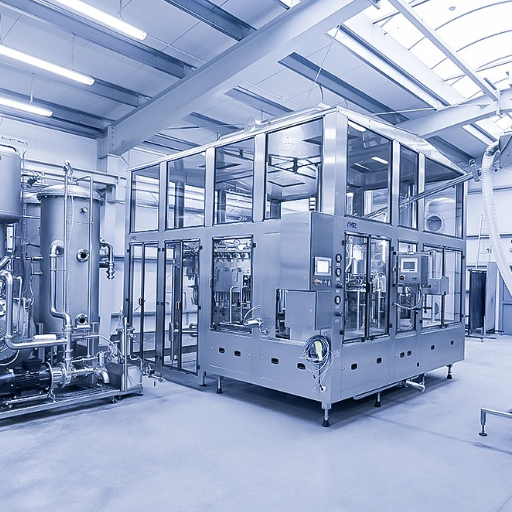
Trending now