Get in touch with Victorystar

Beverage Startup Cost: Soft Drink Manufacturing & Bottle Production

Contents
show
Beginning a beverage enterprise, especially in the area of soft drink manufacturing and bottle production, necessitates intricate planning, significant investments, and a deep understanding of operational costs. Ranging from the procurement of raw materials to the full establishment of production lines that ensure compliance with required authorities, the financial aspect can be intricate and multilayered.
This article serves as a comprehensive guide to shed light on the startup costs associated with a successful soft drink enterprise. Key expense areas, ranging from manufacturing equipment to bottling solutions, are juxtaposed to help entrepreneurs strike a strategic balance when budgeting and leveraging resources for enhanced long-term profitability. Both the aficionado and the novice will find value in this breakdown and the insights that enable them to skillfully give shape to their beverage business vision.
Key Takeaway
Successful beverage startups require a balanced allocation of capital across high-quality ingredients, automated machinery, and strategic marketing to ensure long-term scalability and profit margins.
Understanding Startup Costs in Beverage Production
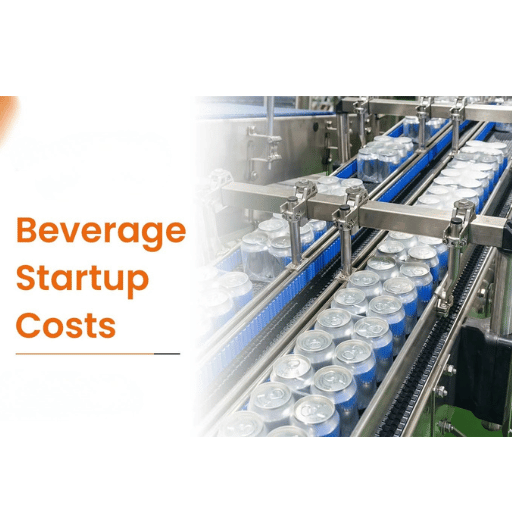
The startup of any beverage company requires analysis and evaluation of the following cost centers to maintain a sound financial footing:
- ✓
Ingredients: Procuring quality ingredients is paramount. Costs depend on the beverage type (carbonated, juices, or specialty) and whether ingredients are natural or artificial. - ✓
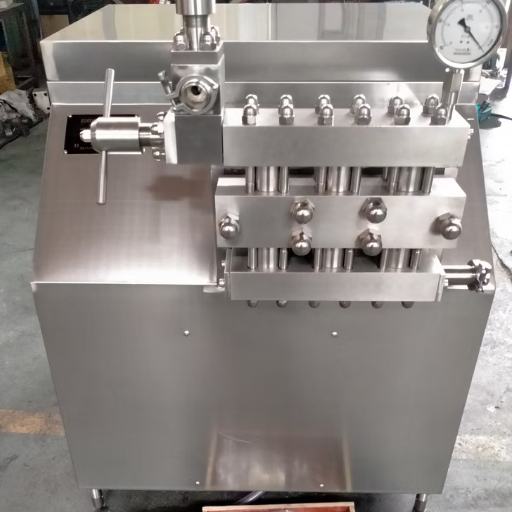
Manufacturing Equipment: Includes mixers, pasteurization tanks, and carbonation systems. Investing in high-quality, efficient machines ensures better production over the long run. - ✓
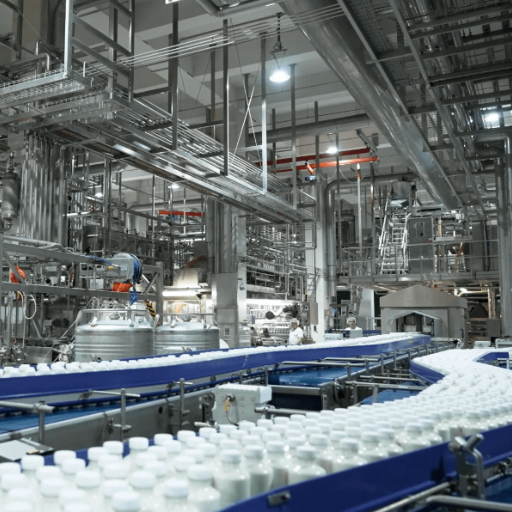
Packaging and Bottling: Brands must balance branding needs with costs when selecting cans, bottles, or cartons. Automated lines represent significant investments. - ✓
Facilities Requirements: Costs involve leasing or purchasing space, utilities, and ensuring health and safety compliance. - ✓
Marketing and Distribution: Allocating funds for branding and supply chain management is essential to attract new customers.
Entrepreneurs who reliably budget for these costs can secure the necessary capital, forming a solid foundation for their beverage establishment.
Initial Capital Expenditures
To launch a beverage business successfully, one must meticulously plan and allocate initial capital expenses. These primarily involve production equipment, such as mixing tanks, filling machines, and refrigerating chambers, which are indispensable for maintaining product quality. Additionally, setting up the facility—whether through lease or purchase—comes at a significant cost to comply with industry standards.
Expenditures also include brand creation, such as logo design, packaging development, and initial advertising campaigns to establish a market presence. Businesspersons must also consider examination fees and certifications required to satisfy legal and safety standards. Proper resource allocation contributes to an efficient business start.
Cost Breakdown for Bottling Machines
Significant fluctuations are the norm in the pricing of bottling machinery. Costs typically relate to production capacity, automation levels, and customization demands.
| Operation Scale | Machine Type | Estimated Cost |
|---|---|---|
| Small-Scale | Semi-automated | $5,000 – $20,000 |
| Mid-Sized | Automated (Dosing to Labeling) | $25,000 – $100,000 |
| Large-Scale | High-speed Fully Automated | $500,000+ |
Additional maintenance, assembly, upgrading, and operating costs should also be accounted for by the business owner.
Facility Requirements and Rent
When determining facility requirements, businessmen must consider available area, resources, utility access, and compliance with industry rules. A production line utilizing liquid-filling devices requires a large open area to accommodate conveyor systems, storage, and work areas, while catering to heavy-power specifications.
Furthermore, ventilation, temperature control, and sanitation must be integrated to meet health and safety standards. Rental rates are highly dependent on location and infrastructure, with urban or high-demand industrial areas commanding higher prices. A strategic approach is needed to balance operational comfort with cost savings.
Cost Analysis of Soft Drink Manufacturing
The production expenses of soft drink manufacturing depend on several essential factors:
- 1
Raw Materials
Water, sweeteners, carbon dioxide, and flavorings. Sugar or syrup costs between $0.05 and $0.10 per liter depending on volume. - 2
Packaging Materials
PET bottles range from $0.07 to $0.15 per unit, while aluminum cans cost $0.05 to $0.10 each. - 3
Labor
Skilled personnel typically earn between $15 to $25 per hour, depending on the region. - 4
Utilities
Electricity and water add approximately $0.03 to $0.05 per liter to the overall cost. - 5
Maintenance and Depreciation
Annual depreciation for bottling machines is estimated between 5% to 10% of the initial purchase price.
The beverage industry remains highly competitive; however, manufacturers achieve cost-efficient production through expense management, resulting in higher profit margins.
Financial Modeling for Beverage Production
To create accurate financial models for beverage production businesses, analysts use multiple techniques, including examining fixed and variable costs, predicting future revenue streams, and conducting scenario assessments. The model must present cost elements such as raw materials, labor, logistics, and machine depreciation, while assessing cost advantages from increased production output.
Revenue projections should account for pricing strategies, market demand fluctuations, and competitive positioning. The manufacturing process benefits from capital expenditure optimization and sensitivity analysis, which enables manufacturers to modify essential factors and evaluate their effect on business profits. This method provides organizations with the capacity to make educated choices vital for maintaining a market edge.
Operational Expenses Overview
Operational expenses (OPEX) include all costs necessary for daily business activities, covering utilities, staff wages, equipment maintenance, and supply chain expenditures. Efficient OPEX management requires organizations to analyze cost drivers while using advanced analytics tools to uncover operational inefficiencies.
Businesses should implement scalable frameworks and leverage automation to streamline processes, reduce waste, and align operational spending with strategic objectives. This approach protects operational expenses from exceeding reasonable limits while enabling business expansion and profit growth in a competitive environment.
Energy Consumption and Its Impact on Costs
The operational costs of a business depend on energy consumption, which affects utility costs, resource management, and efficiency assessments. Businesses consuming excessive energy face higher costs for electricity and fuel, creating budget challenges and decreasing profit margins.
Businesses need to evaluate consumption patterns and implement energy-efficient solutions or renewable energy sources where possible. Strong energy management systems allow organizations to track usage in real time, meeting operational requirements while reducing waste. This reduces expenses and improves sustainability practices, resulting in enduring financial benefits.
Production Costs in the Beverage Industry
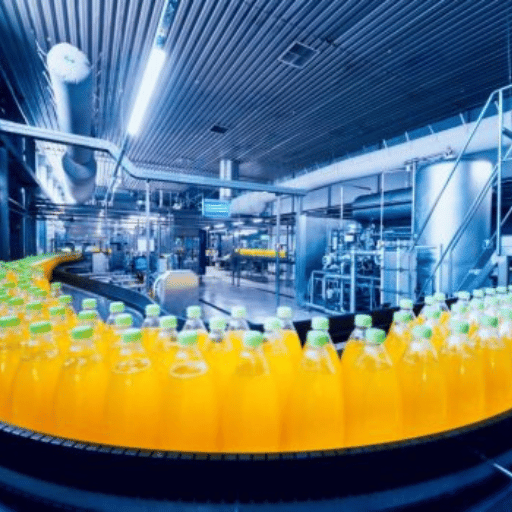
The beverage industry must allocate funds for production costs arising from raw materials, labor, energy, and equipment maintenance. The largest expense often comes from raw materials like water, ingredients, and packaging, which account for a significant portion of total costs.
Processes involving heating, cooling, and bottling depend on energy because they require substantial power. Fundamental expenses depend on the degree of automation and prevailing wage rates. Ongoing operational expenses include machinery maintenance and depreciation. Companies can achieve cost reductions through resource optimization and advanced technology implementation.
Raw Material Costs for Soft Drinks
Basic expenses for soft drink production include water, sweeteners (sugar, high-fructose corn syrup, or artificial agents), carbon dioxide, flavoring agents, and packaging materials. Water typically accounts for the largest volume proportion, though costs vary based on treatment and regulation.
Expenses for sweeteners and flavorings depend on raw material availability, agricultural productivity, and international trade patterns. Carbon dioxide creates a small but persistent operational expense. Packaging materials like plastic bottles, aluminum cans, and glass containers create significant expenses that change according to supply chain developments and recycling regulations. Controlling these inputs impacts the capacity to provide affordable prices while maintaining quality.
Labor Costs in Beverage Manufacturing
Labor costs in beverage manufacturing serve as a major operational expense impacting both production efficiency and profitability. Expenses encompass all employee compensation, including wages, benefits, training, and compliance with labor laws.
A company can reduce increasing labor costs while ensuring standards through automated systems and employee cross-training programs. The organization achieves operational stability through a labor strategy that complies with local laws and industry standards, minimizing potential legal and compliance disruptions.
Utilities and Maintenance Expenses
Utilities and maintenance expenses encompass all costs associated with the operation and upkeep of facilities and machinery. These include electricity, water, HVAC systems, equipment repairs, and routine facility maintenance.
Organizations can reduce costs through energy-efficient technologies, predictive maintenance programs, and regular facility performance audits. These measures decrease operational expenses while increasing system reliability and extending the operational life of essential assets, resulting in sustained productivity.
Long-term Financial Considerations
The beverage industry focuses on three key areas for long-term financial planning: sustainable practices, market adaptability, and effective cost management. Companies must account for raw material price fluctuations, regulatory changes, and consumer trends toward eco-friendly practices.
💡
Pro Tip
Investing in energy-efficient equipment and waste reduction systems achieves substantial long-term cost savings while ensuring operations meet modern sustainability requirements.
Building strong financial reserves and developing diverse product lines are fundamental approaches to protecting against economic downturns and changes in customer buying patterns.
Routine Maintenance vs. Unexpected Repairs
Routine maintenance is a proactive strategy to ensure equipment longevity by addressing potential issues before they escalate. This includes scheduled inspections, cleaning, and component replacement, which decreases the likelihood of unplanned failures.
Unplanned system failures create unexpected repair needs, resulting in operational interruptions and increased expenses due to urgent repairs and equipment loss. An effective maintenance program is an economical solution that decreases downtime and increases asset lifespan, ensuring predictable financial results.
Scaling Up Production and Associated Costs
Scaling up production requires a comprehensive evaluation of fixed and variable costs. Facility expansion and machinery upgrades constitute major fixed costs. Meanwhile, raw materials, workforce, and services create variable costs that increase with higher output.
Scaling generates challenges in logistics, supply chains, and quality control, requiring effective planning. Businesses should track economies of scale, as increased production decreases per-unit costs until a specific limit. Detailed planning and precise execution are necessary to avoid operational mistakes that lead to higher expenses.
Building a Strong Financial Foundation
A strong financial foundation begins with comprehensive financial planning and robust cash flow management. Businesses must understand cost structures, revenue streams, and profit margins to ensure sustainability. Accurate forecasting requires assessing fixed costs, variable costs, and future market changes.
Organizations must establish reserves and use financial instruments like budget distribution and variance evaluation to minimize threats. Financial stability is achieved through disciplined decision-making based on data and analytical tools, enabling growth during future economic challenges.
Reference Sources
- •
Flavorman: Insights into creating a budget for beverage projects. - •
Financial Models Lab: Startup costs for manufacturing and bottling lines. - •
Metabrand Corp: Guide to beverage development costs for entrepreneurs. - •
BevSource: Steps to launch a product and production line cost considerations.
Frequently Asked Questions (FAQs)
What factors affect the expenses involved in creating a beverage production line?
The main aspects include equipment selection, production capabilities, workforce expenses, material requirements, product containers, and regulatory adherence.
What is the average cost of setting up a beverage production line?
Expenses can vary between $100,000 and multiple million dollars according to operational size and technical complexity.
What are the main components of a beverage production line?
The system consists of mixing tanks, filling machines, capping machines, labeling systems, and packaging equipment.
How can I reduce the cost of a beverage production line?
The best approach involves equipment leasing, production process improvements, and the acquisition of affordable raw materials and packaging.
What are the ongoing costs of running a beverage production line?
Ongoing expenses include equipment upkeep, power consumption, workforce salaries, material procurement, and product quality assessment.

Candy
Articles: 37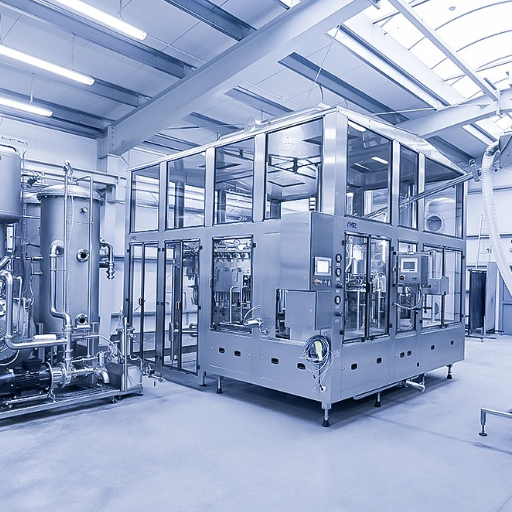
Trending now