Get in touch with Victorystar

Calculate Equipment ROI: Maximizing Packaging Equipment Returns

Contents
show
Investing in packaging equipment is a monumental decision for any company; however, how can you confidently ascertain that it was worth the spend? Understanding ROI related to your equipment is pivotal to long-term sustainability and operational effectiveness. This article delves into the detailed process of determining equipment ROI and unravels the critical metrics and important factors that come into play for long-term returns.
From costs such as maintenance and production turnout to performance metrics, we will look at actionable ways businesses can maximize the value of their packaging equipment. If you’re struggling to decide whether to buy new or existing equipment, this manual will empower you with the knowledge needed to make data-backed decisions that improve profits and performance.
Key Takeaway
Calculating equipment ROI is not just about tracking spending; it is a strategic tool for optimizing production speed, reducing labor costs, and ensuring long-term business scalability.
Understanding ROI in Packaging Equipment
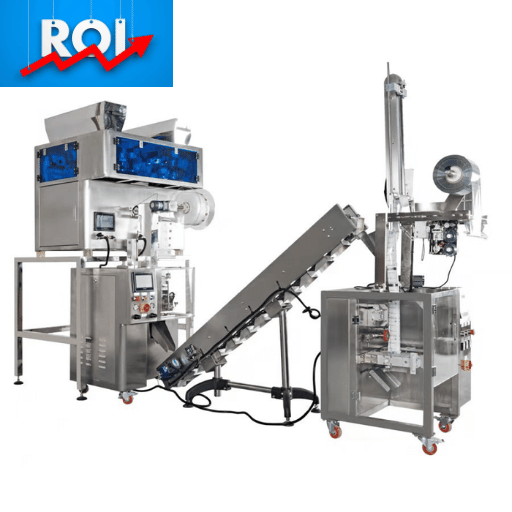
While initial costs exert great control over the rate of ROI in packaging equipment, balancing future efficiencies by driving down operational costs is the only viable strategy. To achieve a comprehensive understanding, the emphasis should rest upon several core areas:
- •
Initial Purchase Costs: The sticker price plus installation and integration fees. - •
Operational Efficiency: Equipment speed and capacity to minimize waste or downtime. - •
Maintenance and Durability: The frequency of check-ups and the total lifespan of the machine. - •
Energy Consumption: Managing utility usage to prevent uncontrolled operating expenses. - •
Production Output: Maintaining product quality while meeting customer volume demands.
By correlating these facets, a company can determine how good an investment their equipment turned out to be and whether it is achieving the projected financial and operational benefits.
The Importance of Calculating ROI
The task of computing Return on Investment (ROI) is essential for giving an organization the groundwork necessary for informed financial decisions and resource allocation. Returns, when quantified against investment and divided by costs, offer an unbiased means to determine the benefits and efficiency of an enterprise. This analysis is instrumental for recording investment histories and serves as a predictive factor for future acquisitions. Precise ROI serves as a functional tool in deciding which areas to prioritize to minimize financial risks and gain a competitive edge.
Key Factors Influencing ROI
The result of the ROI is directly influenced by several factors that are critical for strategic decision-making:
| Factor | Description |
|---|---|
| Initial Investment | Capturing all costs, including hidden installation and training fees. |
| Revenue Generation | Forecasting income from increased capacity and brand enhancement. |
| Market Conditions | Accounting for industry variances and competitor actions. |
| Time Horizon | The period over which the assets generate earnings. |
Common Misconceptions about ROI
One of the most typical misconceptions is that ROI measures financial gain alone. While monetary returns are indispensable, ROI should also consider externalities such as customer satisfaction, brand equity, and employee output. Another widespread distortion is the belief that a high ROI leads unequivocally to success, failing to consider sustainability and scalability. Similarly, ROI is often viewed as a long-term perspective when it is actually a snapshot metric. This broader understanding allows companies to navigate toward mature, data-driven decisions.
How to Calculate ROI for Packaging Equipment

To compute the ROI of an equipment set, follow these structured steps:
- 1
Determine Initial Investment
Identify the purchase price, installation fees, and all training costs. - 2
Calculate Annual Savings
Assess savings from labor reductions, lower waste, and energy efficiency. - 3
Estimate Increased Revenue
Determine gains from increased capacity and quicker turnaround times.
Assess the Payback Period
Simply divide the total investment cost by the annual savings plus increased revenue to calculate the time needed to recoup your initial spend.
🧮
Payback Formula
Payback Period = Initial Investment / (Annual Savings + Increased Revenue)
Calculate ROI Percentage
Use the following equation to find your return on investment in percentage form:
ROI (%) = [(Total Gains – Initial Investment) / Initial Investment] x 100
Standard formula for equipment profitability
Breaking Down the ROI Formula
The ROI formula is a powerful yet simple method for determining investment efficiency. In financial terms, net profit refers to all income generated from the investment, while investment cost represents the initial outlay. By using this formula, businesses arrive at a percentage that serves as a benchmark between different projects or opportunities. It consolidates complex financial situations into a single number, providing direction for future fund allocations.
Utilizing an ROI Calculator
Profitability analysis is simplified by automated ROI calculators. These tools require the input of initial spend and net gains/savings to provide an instantaneous ROI percentage. This significantly cuts human-error possibilities and enhances accuracy. ROI calculators are fundamental for establishing the feasibility of both monetary and non-monetary inputs in diverse projects across various industries.
Evaluating Equipment Purchases
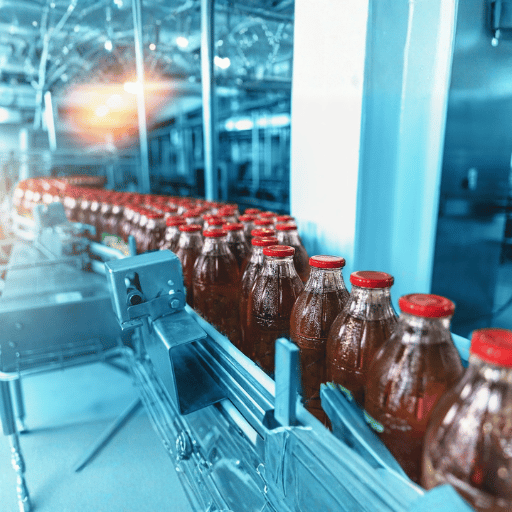
When purchasing equipment, you should consider both short-term and long-term impacts on operations. Identify the specific need: labor reduction, increased efficiency, or improved quality. After estimating the Total Cost of Ownership (TCO)—including purchase price, maintenance, and operational expenses—analyze the ROI. Consider compatibility with existing systems, expected lifespan, and reliability. Checking industry benchmarks and user reviews will ensure the purchase aligns with proven performance standards.
Assessing Initial Costs and Maintenance Expenses
Evaluation requires a true split of economic costs, including vendor margins, installation, management functions, and infrastructure enhancements. You must also factor in maintenance costs for the complete working life, including periodic servicing, parts replacement, and downtime. This analytical approach, based on manufacturer-supplied or historical data, ensures a holistic view of ownership costs and aligns investment decisions with operational objectives.
Estimating Expected Returns
Estimating returns requires deliberation on both quantitative and qualitative factors. Quantitative metrics include Internal Rate of Return (IRR), Net Present Value (NPV), and Payback Period. Qualitatively, market trends, competitive positioning, and technological advances must be considered. Using historical data and predictive models ensures the projection is accurate and well-aligned with organizational strategic aims.
Understanding the Payback Period
The Payback Period calculates the duration essential to recover the cash outlay on capital investments. It provides a simple way to evaluate investment risk within a breakeven timeframe. While excellent for short-term liquidity monitoring, it does not account for cash flows beyond the breakeven point or the time value of money. Therefore, it is advisable to use this metric alongside NPV or IRR for a more inclusive evaluation.
Maximizing Your Investment in Packaging Equipment
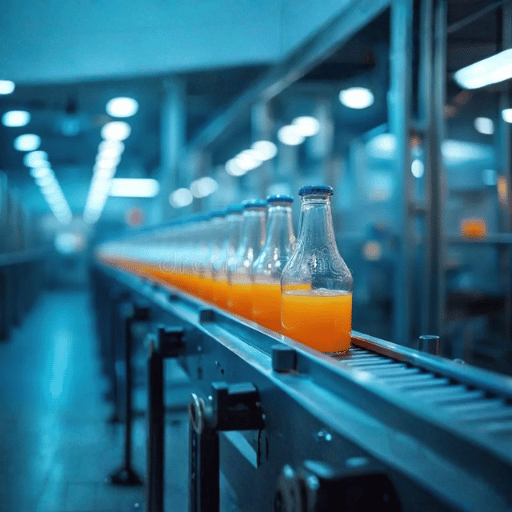
Increase your return by ensuring highly efficient operations. Maximize output by fully integrating equipment into the production line to eliminate bottlenecks. Properly train employees to understand handling procedures, which eliminates mistakes and extends the time between maintenance checks. A schedule for dedicated maintenance prevents sudden breakdowns and expensive repairs. Use performance data to identify areas for improvement, such as upgrading speed or energy efficiency, granting extra productivity within a shorter timeframe.
💡 Pro Tip: Operational Efficiency
Regular training can reduce equipment-related errors by up to 30%, directly impacting your annual savings and ROI speed.
Choosing Energy-Efficient Models
Prioritize models with internationally recognized ratings, such as ENERGY STAR. Analyze life-cycle costing—including initial capital, energy utilization, and maintenance—to assess long-term value. Modern technologies often feature automated, green systems with smart energy optimization. Ensure proposed technology is compatible with present systems to maximize sustainability and secure operating cost savings.
Regular Maintenance Practices
Maintenance is fundamental to keeping machinery in top-notch shape. Good practices include regular checks for wear and preventive maintenance as recommended by the manufacturer. Employ predictive maintenance—such as vibration analysis or thermal imaging—to detect component failures early. Regular cleaning and greasing maintain motion components. Keeping detailed documentation is necessary for observing performance trends and ensuring industrial regulation compliance.
Aligning Equipment Choices with Market Trends
Businesses must prioritize systems that combine energy efficiency, automation, and sustainability. Modern equipment should be environmentally friendly to meet stringent regulatory requirements. AI-driven systems and IoT-based devices provide significant competitive potential by improving agility and fostering a data-driven culture. Stay ahead by constantly scrutinizing emerging technologies to ensure procurement strategies adapt to changing market demands.
Reference Sources
- Lane Equipment: ROI calculation for food machines amid initial and ongoing costs.
- Parker Motion: Elements bolstering ROI in food and beverage equipment KPIs.
- WebstaurantStore: Measuring ROI for restaurant equipment investments.
Frequently Asked Questions (FAQs)
In the context of beverage equipment, what is ROI?
An investment in beverage equipment is a quantitative assessment of its profit potential against the value of the investment cost.
How do I calculate ROI for beverage equipment?
Formula: ROI (%) = [(Net Return – Cost of Investment) / Cost of Investment] x 100
What factors affect the ROI of beverage equipment?
Key factors include initial purchase price, maintenance, energy consumption, production output, and generated revenue.
Why is ROI important in device evaluations?
It allows businesses to evaluate the financial benefits of an equipment purchase so that investment decisions are fully informed.
What benchmark ROI should be considered feasible?
ROI varies by industry, but generally, a higher percentage indicates a more profitable and stable investment.

Candy
Articles: 37
Trending now