Get in touch with Victorystar

Hot Fill vs Cold Fill vs Aseptic Filling: Key Differences

Contents
show
Selecting the most suitable formulas for the packaging of food and drink items may be furthered by knowing what the most major differences between hot-fill and cold-fill liquid filling may be vis-a-vis aseptic processing. Each method has unique advantages and disadvantages and is best chosen according to the product type, shelf life, and safety considerations. Within an organization, this choice may have a direct impact on efficiency, the integrity of the product, and the satisfaction consumers may find in interacting with that product.
This article discusses the key differences in these three filling processes, thereby putting forth an integral comparative analysis of the possible best course of action for your particular business situation. So it seems relevant that food-grade compliance, freshness maximization, and cost-effective benefits be subject-world situations to which this guide can offer insights and help in deciding.
Key Takeaway
The choice between hot, cold, and aseptic filling depends heavily on the product’s acidity, heat sensitivity, and desired shelf life without compromising nutritional integrity.
Introduction to Filling Methods
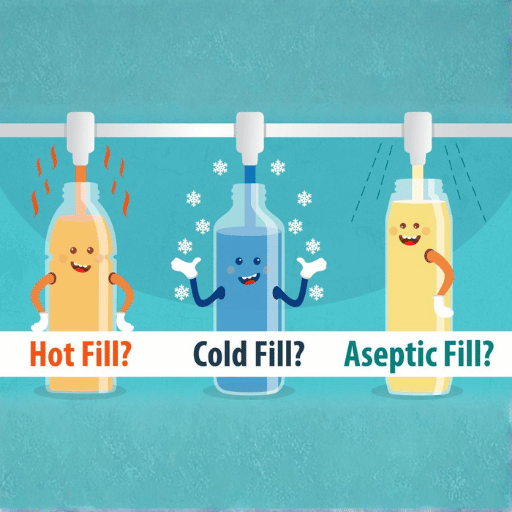
Filling methods are an integral process during manufacturing to move products into their final containers. Gravity filling, pressure filling, and vacuum filling are the three main types of filling. Each method has its own unique purpose, which depends on the type of product to be filled and characteristics of the container.
- •
Gravity filling uses the natural force of gravity such that it is perfect for non-carbonated liquids presenting more or less even viscosity. - •
Pressure filling is ideal for carbonated beverages, as well as for other products requiring precise control to keep the internal pressure. - •
Vacuum filling finds its main use when filling high viscous liquids and are highly sensitive to oxidation and gives minimal air contamination.
Understanding all the filling methods is essential when it comes to maintaining production efficiency without compromising the quality and integrity of the product.
Definition of Hot Filling
Hot filling is the most common heat treat for liquids in need of sterilization to extend shelf life and ensure product safety. This treatment consists of heating the actual product to medium-high temperatures. Typically, fill temperatures range from 82°C to 91°C (180°F to 195°F), at which point it is filled into sterilized containers. This process can eliminate most microbial contaminants in the product, with a sterile fill for the container delivering ship-shape product. Acidity is higher than normal for products to be hot-filled, like fruit juices, sauces, and some drinks, as it helps in complete preservation of the desired flavor, nutrients, and other quality features.
Definition of Aseptic Filling
Aseptic filling is a highly controlled and strict process in which a sterilized product is pumped and filled into previously sterilized containers from a sterile environment for maintaining the safety and the quality of the product. This method basically eliminates the need for a separate heat treatment for the preservation of organoleptic and nutritional properties of the product, providing the process with an extended shelf life. The applications of aseptic filling are countless, ranging from low and high-acid foods, dairy products, and beverages, which rely on advanced in-sterilization techniques and stringent environmental control to avoid any microbial contamination phenomenon.
Definition of Cold Filling
Cold filling is a packaging method whereby products are filled into containers at or near ambient temperatures without being thermally sterilized. It is applied for products that are chemically preserved, inherently resistant to microbial growth, or meant to be consumed shortly after production. The process calls for stringent hygiene standards, demanding the addition of preservatives to maintain product stability and safety. Generally, cold filling is the process used by a number of items such as carbonated beverages, juices, or a few condiments where heat treatment would have an effect on the flavor or texture.
Key Differences in Fill Processes
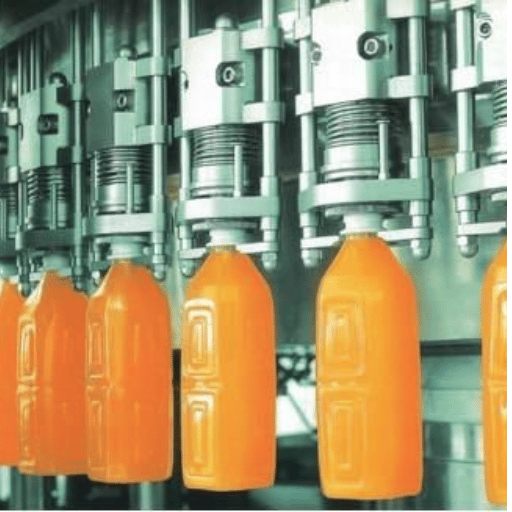
| Feature | Hot Fill | Aseptic Fill | Cold Fill |
|---|---|---|---|
| Temperature | 82°C–91°C to destroy microbes. | Sterile product/equipment; room temp. | Ambient or chilled; no heat sterilization. |
| Sensitivity | Best for heat-resistant (juices, sauces). | Best for heat-sensitive (dairy, pharma). | Best for carbonated or volatile items. |
| Shelf Life | Long shelf life; no cold chain needed. | Equal/longer than hot fill; shelf stable. | Requires refrigeration for safety. |
| Packaging | Must be heat-resistant. | Sterilized and hermetic. | Pressurized or standard. |
Step-by-Step Process of Hot Filling
- 1
Preparation of Product
To ensure product safety and deactivate enzymes that may allow the product to spoil, it is heated to a usual temperature of 82–93°C (180-200 F). - 2
Sanitization of Equipment
Each machine and container used is cleaned and sterilized to remove any contamination and thus preventing any contamination during the filling process. This includes the cleaning of the filling lines, caps, and bottles. - 3
Filling
Finally, the hot product is poured in high temperature heat-resistant packages to preserve sterility. Maintaining a consistent filling temperature is very important to avoid any microbial growth. - 4
Sealing
All containers are then sealed promptly at the same temperature as when they were filled with the hot product, creating a vacuum seal when cool. This provides durability on the shelf. - 5
Cooling
Hot-filled packs are cooled rapidly to lessen thermal degradation of the product and preserve flavor and textures, also known as organoleptic properties. - 6
Quality Inspection
The final inspection is a crucial part of the process which happens to confirm that sealing, temperature control components, and sterilization parameters meet safety and quality standards, thus ensuring a secure and sterile end product.
Step-by-Step Process of Aseptic Filling
- 1
Preparation of Product
The product is thermally processed for sterilization, typically implementing ultra-high-temperature (UHT) treatment in order to kill any microorganisms yet keep both nutritional and sensory characteristics in the product. - 2
Sterilization of Packaging Materials
Chemical sterilization is done at purging stations or through vapor phase of such solvents used in the industries. Such an action is carried out with hydrogen peroxide, or uses another product along with ultraviolet (UV) light to eliminate any contamination agents from the material. - 3
Maintaining Sterile Environment
The product filling machines are structured in such a manner that the surrounding environment features aseptic zones. Positive pressure should be achieved to promote the benefits of sterilized air circulation throughout the facility. This is essential in order to prevent any kind of reinfecting during filling. - 4
Aseptic Filling and Sealing
The now-sterilized product is placed securely inside containers under which sterile conditions have been sustained. Special sterile filling techniques are utilized and kept krill away from possible microbial operations right before sealing-just to ensure sterility is maintained. - 5
Post-Fill Verification
However, such a perfect system also ensures complete operational support and food safety compliance by providing a safe and durable product that does not require refrigeration. This high-precision controlled process encourages safe and long-lasting foodstuffs, eradicating the need for cooling and addressing the most important concerns related to food safety and efficiency.
Step-by-Step Process of Cold Filling
- 1
Preparation of Ingredients
Ingredients are cleaned, organized, and prepared within a high standard of hygiene; all this revolves around processes like washing, peeling, or purification so that materials in pristine condition may reach a full aseptic interpretation of status. - 2
Sterile Equipment Setup
The sterilized equipment for the production processes like steam or chemical disinfection, thereby removing microbiological contaminants. - 3
Cold Product Holding
The product is preserved in chilled holding tanks to prevent microbial growth, thus maintaining its fresh texture prior to undergoing the filling stage. - 4
Aseptic Filling Operation
The cooled product is then pumped into pre-sterilized containers under aseptic conditions using specialized fillers that allow minimal exposure to any contaminant. - 5
Sealing and Packaging
Instant container sealing ensures an immediate airtight situation, followed with secondary packaging for added protection against the hazards of transport and storage. An engineered chain of events are behind which ensuring that the sterility and purity of the vaccine are maintained throughout the cold-filling processes, supporting food safety and product quality compliance.
Applications in Various Industries
1. Food and Beverage Industry
- ✓
Hot Filling: Employed for products as juices, sauces, and jams, which require pasteurization for longer life. - ✓
Aseptic filling: Appropriate for dairy products, soups, and ready-to-drink products; can be stored unrefrigerated for long periods. - ✓
Cold Filling: Popular for beverages containing carbonation, wines, and liquid beverages where flavor and carbonation are priorities.
2. Pharmaceutical and Healthcare
Aseptic Filling is crucial for sterile products like vaccines, injectable medicines, and saline solutions.
3. Cosmetics and Personal Care
Cold Filling is very widely employed for products delicate to heat and pressure such as lotions, perfumes, and shampoos. Hot Filling is much applicable for liquid soap or cream products to secure microbial stability.
4. Chemical and Industrial Products
Cold Filling is the process used for adhesives, paints, and any other reactive product sensitive to heat. Aseptic Filling is sometimes used in the ultra-high purity specialty chemicals area to ensure no contamination.
Food and Beverage Industry Details
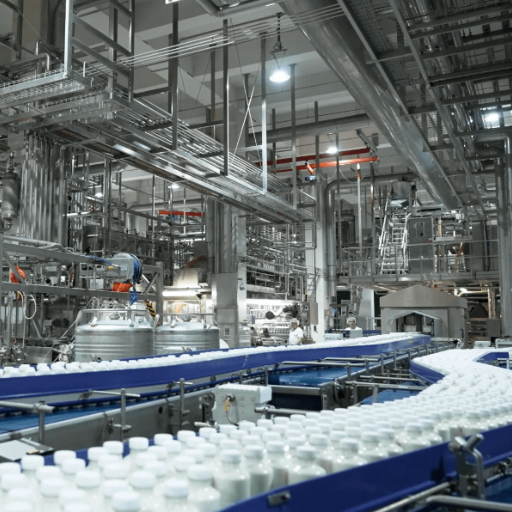
Filling technologies are adjusted according to product characteristics for the food production and processing industry, ensuring that food safety, product quality, and shelf life can be controlled. Cold Filling is majorly utilized in juice, dairy, beverages, ready to drink-only if the company deems that the protection of nutrient integrity and flavor is necessary. Conversely, Hot Filling is run for high-acid products as sauces, teas, and fruit-based beverages, when a major point is maintaining microbial stability along with shelf life. For long-lasting products like UHT milk and shelf-stable fruit purées, Aseptic Filling is considered the ultimate weapon, assuring maximum level of contamination control and product integrity. Each technique properly aligns with the strict food safety regulations and changing consumer needs during production.
Pharmaceutical Applications
Aseptic filling, as it is practiced in pharmaceutical industries, ensure that anti-infectious drugs and vaccines are sterile and potent. It is done under a sterile environment to minimize the possibility of contamination while using pre-sterilized components. The method is especially crucial for items that cannot be terminal-sterilized because they are heat-sensitive or other methods of sterilization cannot be approved for use. Through best practices in Good Manufacturing Practices (GMP) and regulatory specifications, aseptic filling ensures that product stability is guaranteed, the safety of patients is assured, and allows the adherence to strict quality standards as required in the pharmaceutical industries.
Cosmetic Industry Uses
Aseptic processing is used in the cosmetic industry to ensure that creams, serums, and lotions that are susceptible to contamination or degradation maintain their efficacy and safety. This sterilization process is critical for products that are applied directly onto the skin to prevent microbial growth and loss of efficacy in active ingredients. Aseptic techniques, adeptly subjected to by manufacturers, broaden the lifespan of products, while keeping their head above legal abidance and offering high-quality products to the consumers.
Choosing the Right Filling Method
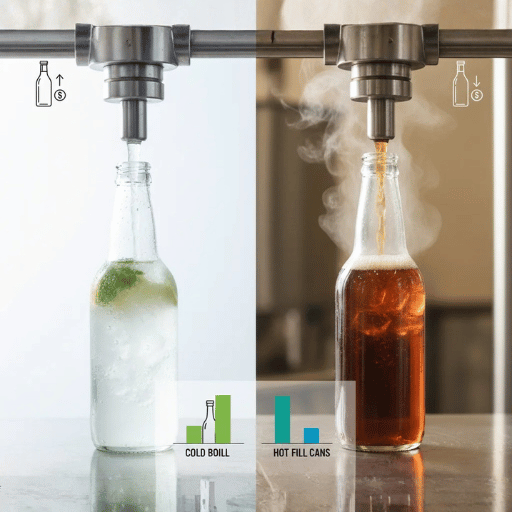
Deciding upon the most suitable filling system depends on the product type, the packaging materials, and the specific requirements of the industry. Sterilization and shelf life packaging are made possible in perishable foodstuffs by pure aseptic filling. Cold filling keeps the integrity of the product uneffected in the case of heat-sensitive items like certain chemicals or cosmetics. It would always be feasible if products will heat-up for members to ensure microbial safety such as coupled sauces or liquid soaps. Therefore, the determination of the most effective method should consider issues specific to product viscosity, reactivity, and compliance with regulatory and safety norms.
💡
Pro Tip
Always assess the pH range and thermal tolerance of your product before selecting a filling line to ensure regulatory compliance and maximum shelf-life.
Considerations for Temperature Sensitivity
There are several ways in which temperature sensitivity functions as the critical determinant for the particular filling mode of different products. Products that are heat-sensitive, such as medicines, chemicals, and cosmetics, will benefit from aseptic or cold filling strategies to retain chemical stability and to achieve product consistency. On the flip side, those products that gain from the product’s thermal treatment as a microbial disinfestation or preservation process, such as beverages or pasteurized sauces, are best suited for hot-temperature filling. At the time when temperature considerations are considered for filling, other characteristics should also be considered, including viscosity, pH range, and thermal tolerance, alongside regulatory requirements and shelf-life. Using the right diagnostic approach would thereby guarantee both quality and the bonus of operational efficiency and safety concerns.
Packaging Requirements and Material Compatibility
Material selection for packaging is a critical element for the maintenance of product integrity and the establishment of conformity with industry standards. It is paramount that materials are compatible primarily with the chemical nature, pH, and storage conditions of the product so as to prevent a reaction or contamination. For example, acid products would need acid-resistant liners to dissipate effects upon the material, whereas materials that are heat-stable, such as PET or glass, would be required for high-temperature process like hot filling. Barrier properties namely oxygen and moisture resistance are therefore crucial to prolong shelf life and maintain sensory characters. The assessment of a material’s acumen for recycling and environmental compatibility is additionally coming to the forefront to meet sustainability paradigms and regulatory demands. Once these trade-offs come close to a balance, one ensures product safety, compliance with regulations, and operational superiority.
Production Volume and Scale
Cutthroat-Ops have great impact on packaging material selection, equipment investments and overall operations efficiency. Production in large volumes typically requires automated setup with very high throughput limits for the sake of their cost-effectiveness, while operations in relatively minute scales may consider flexibility for vast possible product lines. A scaling setup requires in-depth analysis of demand Forecasting, compatibility of equipment, and chains of logistics, coherently ensuring continuity and costs optimization. In this vein, considering these factors peripherally will ensure that the manufacturers have production capacity aligned with market needs in tandem with the quality and efficiencies maintained along their norm.
Reference Sources
- Ayuray Organics: Identifies the differences between the cold-fill and hot-fill processes in beverage manufacturing.
- ICPG Blog: Choice between hot fill and aseptic packaging depending upon product type and cost.
- Science Direct: Comparative LCA of hot fill and aseptic packaging systems.
Frequently Asked Questions (FAQs)
What is aseptic cold filling?
Aseptic cold filling entails sterilized (aseptic) heat-sensitive products filled into sterilized containers in a sterile area without heating/processing treatments.
Then what is hot filling?
The process for hot filling involves heating the product for what seems like a lifetime to the high heat required to kill microorganisms before being otherwise poured into preheated containers. Sterilization similarly takes place in a heated chamber.
The key differences between aseptic cold and hot are?
Aseptic cold filling is perfectly suited for heat-sensitive products and requires a completely sterile environment; hot filling, on the other hand, enjoys a more universal application for high-acidic products and uses heat as the sole means of sterilization.
Which of the two methods is more beneficial cost-wise?
Even if the hot filling means a low initial outlay, aseptic cold filling will certainly provide a more competitive edge on energy savings and delivering system for certain commodities.
Which of these two methods seems to preserve the quality of the product better?
Aseptic filling preserves the sensory attributes and maintains the beneficial botanical properties of the drugs.

Candy
Articles: 37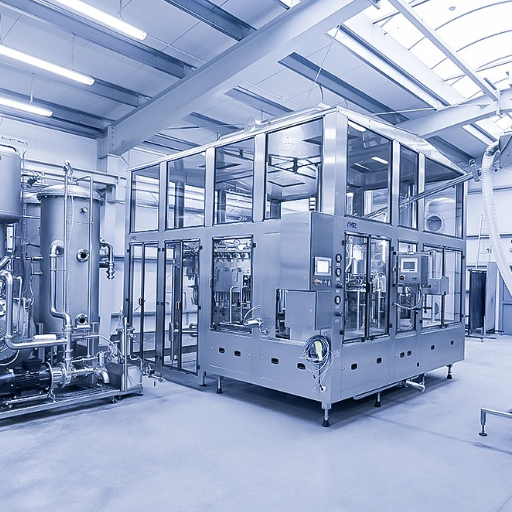
Trending now