Get in touch with Victorystar

What is a Plate Sterilizer?

Contents
show
A plate sterilizer is an instrument used across multiple industries to guarantee cleanliness, safety, and efficiency when handling the most delicate materials in various processes. Beyond the dairy and food industry, pharmaceuticals, and biotechnology also rely heavily on plate sterilizers to maintain health standards by eliminating or significantly reducing harmful microorganisms and contaminants. This comprehensive article explores the characteristics, working principles, and necessity of plate sterilizers in modern industrial operations. Whether you’re a beginner seeking an introduction or an expert looking for detailed insights, this guide provides valuable information about the capabilities and critical importance of plate sterilizers in today’s industrial landscape.
Introduction to Plate Sterilizers
Significance of Plate Sterilizers in Different Sectors
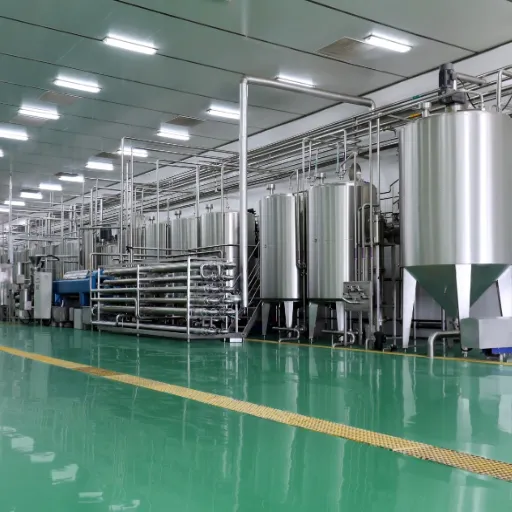
Plate sterilizers represent far more than just large machinery in various industries—they serve as the backbone that guarantees these industries meet stringent safety and quality standards throughout their processes. The food and beverage industry leads in plate sterilizer consumption, utilizing them for sterilizing liquids like milk, juices, and sauces, thereby completely eliminating contamination while simultaneously extending product shelf life. In the medical field, plate sterilizers have no alternative, as they maintain the sterility of liquid drugs and vaccines, which is a critical step in safeguarding public health. Additionally, these systems have found extensive usage in biotechnology and cosmetics, where they eliminate harmful microorganisms during production processes, thereby guaranteeing product purity.
📊 Industry Insight: Studies show that global demand for plate sterilizers is increasing due to rising regulatory requirements and the growing importance of product safety. Plate sterilizers continue to be essential technology for modern industrial operations with their advantages including efficiency, energy cost savings, and improvement in product quality.
Introduction to Sterilization Technology
Sterilization technology encompasses a range of techniques and instruments that target the complete removal of microorganism populations, thereby guaranteeing the safety and extended life of products across diverse industries. Heat-based methods, chemical sterilization, radiation, and high-tech filtration systems are among the most widely used techniques. As atypical heat exchangers that drive innovative and efficient sterilization processes, plate sterilizers stand out as prime examples of modern sterilization technology.
Recent trends indicate that interest in industrial sterilization technologies and methods has increased significantly. This reflects the growing global demand for high safety standards, particularly in the food, cosmetics, and pharmaceutical industries. The data reveals that companies seek not only compliance with regulations but also ways of enhancing their operations to be more eco-friendly and cost-effective. Given such circumstances, it’s no wonder that manufacturers are increasingly adopting plate sterilizers as they have become nearly essential for producing quality products that are free from contamination.
Objective of the Article
This article aims to discuss the great importance of plate sterilizers in addressing today’s industrial challenges, supported by the latest trends in the field. Evidence from research points to an upswing in the requirement for solutions that not only follow regulations but also consider sustainability and increase operational efficiency. The goal is to demonstrate how plate sterilizers can meet such requirements while providing safe, contamination-free products across various industries. We will examine current data to answer the fundamental question of why plate sterilization is becoming increasingly necessary in markets where quality and sustainability are the most important considerations.
Definition and Components of Plate Sterilizers
What is a Plate Sterilizer?
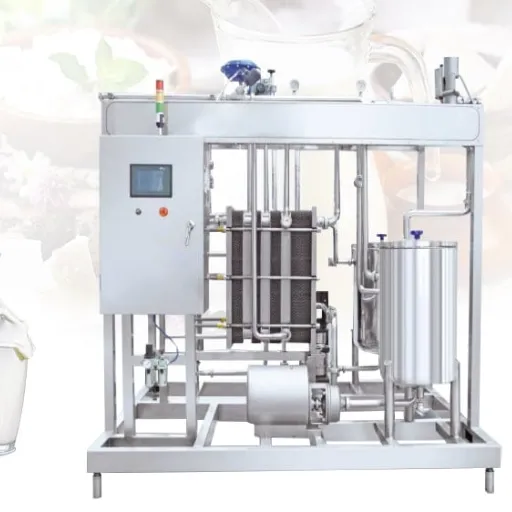
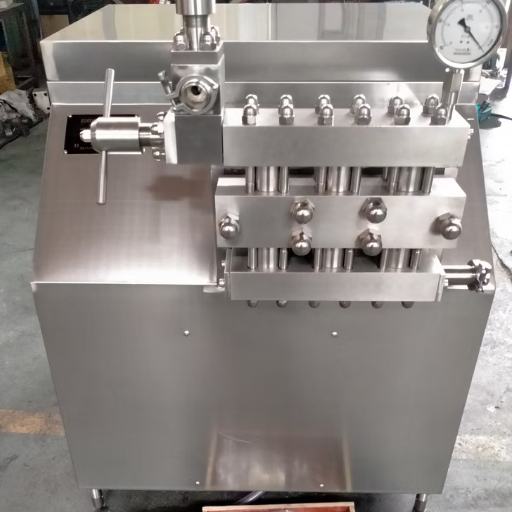
A plate sterilizer is a modern apparatus that employs heat transfer mechanisms for the sterilization of liquid products. It consists of a stack of thin, corrugated plates positioned very close to each other to form passageways for both the liquid product and heating medium to travel through. The resulting heat transmission between the two fluids completely eliminates harmful bacteria, thus ensuring the product achieves sterility. Plate sterilizers are primarily used in food and beverage, pharmaceutical, and dairy industries due to their efficiency, compactness, and adaptability to both continuous and batch processing.
🌱 Sustainability Trend: Latest trends indicate that plate sterilizers are becoming increasingly preferred due to their power-saving nature, which minimizes waste and operational costs while maintaining product safety and high quality. These technological advancements align with the worldwide trend of making sustainability and innovation priorities.
Key Components of Plate Sterilizers
Plate sterilizers comprise several key parts that are essential for their efficient operation:
🔧 Plates and Gaskets
These are the main components where heat exchange takes place. Plates are usually made of stainless steel and feature intricate designs to increase the surface area available for heat transfer, while gaskets provide a tight seal between plates to prevent leakage.
🌡️ Heating and Cooling System
This system grants accurate temperature control. Plates are heated by steam or hot water, whereas cooling agents like cold water or glycol maintain the required temperatures for specific processes.
💧 Flow Channels
Plates are arranged so that product and heating or cooling fluid flow in alternate layers, thereby achieving optimal heat transfer and sterilization efficiency.
🖥️ Control Systems
Newer models of plate sterilizers feature advanced control systems that constantly monitor and adjust critical factors such as temperature, pressure, and flow rates in real time, enhancing both efficiency and safety.
🧼 Cleaning-in-Place (CIP) System
In keeping with hygiene and efficiency standards, plate sterilizers are often equipped with CIP systems, which enable internal cleaning without disassembly, saving time and ensuring compliance with health regulations.
🛡️ Safety Valves and Sensors
Integrated safety features like pressure-relief valves and temperature sensors are critical in ensuring safe operations and preventing system failures.
The cooperation of these components leads to the successful and environmentally friendly achievement of thermal processing goals by plate sterilizers. Modern designs are reported to be highly appealing to industries where green operations are a focal point, as they incorporate intelligent technology and energy recovery systems.
Types of Plate Sterilizers
There are different kinds of plate sterilizers that vary in design, each made to meet specific industrial requirements. Below are the main categories most commonly used:
The various types of plate sterilizers available today reflect the different demands of the dairy, beverage, pharmaceutical, and chemical industries. Recent trends and data place a premium on the sustainability aspect inherent in these sterilizer designs, so energy-efficient options are increasingly offered in response to global environmental concerns.
Working Principles of Plate Sterilizers
The Mechanism of Plate Sterilizers
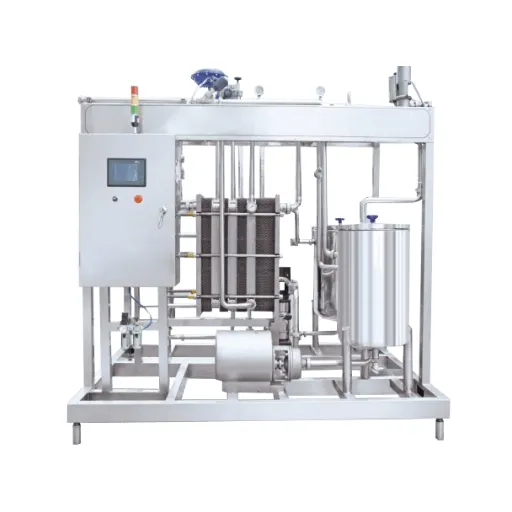
The method employed by plate sterilizers combines heat transfer with rigorous temperature control. The device comprises numerous thin, corrugated metal plates stacked and arranged so fluid can move through the gaps created between the plates. The product being sterilized flows through one channel, while the adjacent channel contains the heating or cooling medium—such as hot water or steam. The medium’s thermal energy is transferred to the product through the plates, thus making the product free of microbial contaminants without significant quality degradation.
⚡ Modern Innovations
State-of-the-art sterilization plates now operate using automation systems and incorporate energy recovery with the latest technologies. Consequently, heat distribution and energy costs are drastically reduced while still maintaining the high standards required in food processing and pharmaceutical industries. Recent search trends reveal a growing demand for eco-friendly designs, placing emphasis on sustainable options that satisfy even the most stringent environmental standards worldwide.
The Impact of Heating on the Sterilization Process
Sterilization is highly dependent on heating as it serves as the primary means of eliminating harmful microorganisms, thereby ensuring safety and hygienic conditions. The heating process denatures bacteria, viruses, and other microorganisms, rendering them inactive. Latest data reports indicate that energy-efficient heating methods are becoming widely adopted in the sterilization field, reflecting a global shift toward efficient and environmentally friendly sterilization practices. Over time, precision-controlled heat systems combined with energy recycling have secured their place in industries as competent environmentally responsible sterilization methods. The integration of advanced heating with modern eco-friendly designs effectively addresses major concerns of excess energy consumption and environmental sustainability while illustrating a future where sterilization processes are both efficient and responsible.
Mechanisms for Temperature Regulation
Temperature control mechanisms are vital for the reliability and effectiveness of sterilization processes across different industry sectors. Through precision-controlled systems, the temperatures necessary for killing microorganisms without degrading equipment or product are maintained. Modern technology applications consist of advanced sensors and automation capable of tracking and adjusting temperature in real-time, thereby ensuring precision and minimizing errors.
A growing trend of interest in eco-friendly temperature control solutions has been observed, indicating demand for systems that not only maintain optimal conditions but also prioritize sustainability. The combination of cutting-edge designs with smart monitoring means these mechanisms are already laying the groundwork for safer and greener sterilization practices.
Benefits of Using Plate Sterilizers
✨ Key Advantages at a Glance
- Space Efficiency:
Compact design saves valuable space while improving operational efficiency across different facilities. Perfect for locations with limited space without sacrificing functionality. - Superior Germ Elimination:
Employs cutting-edge methods including high-temperature steam, UV light, and chemical sterilants for comprehensive pathogen extermination while using minimal resources. - Energy Efficiency:
Reduces energy costs and emissions significantly, making them the preferred choice for environmentally-conscious businesses prioritizing sustainability. - Compliance with Standards:
Continuously subjected to rigorous validation and certification procedures to ensure compliance with international health standards, providing businesses security in protecting both customers and the environment.
Advantages of Compact Design
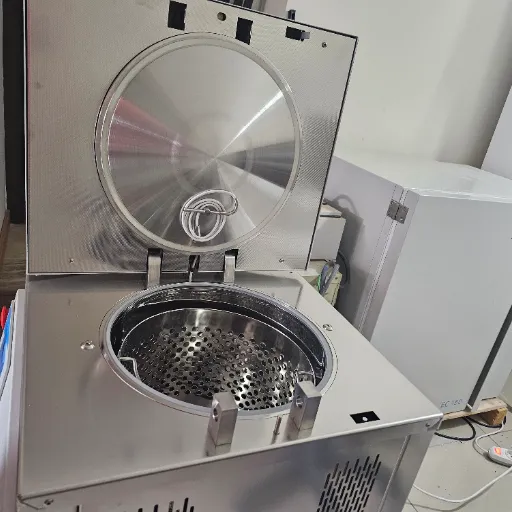
Compact plate sterilizers not only save space—which is critically important—but also improve operational efficiency in diverse settings. Their compact design makes them ideal for facilities with limited space, as they can be integrated easily without compromising functionality. Additionally, recent data reveals a considerable transition towards energy-efficient and space-saving products in sustainability-oriented industries. Furthermore, compact sterilizers reduce energy costs and emissions, making them the greenest option for environmentally responsible businesses. With modern engineering and smaller size, they successfully tackle efficiency challenges while maintaining the highest sterilization standards.
Efficiency in Eliminating Germs
Compact sterilizers stand firm in the battle against germs and bacteria in environments where sustainability prevails. Latest data indicates increasing demand for technologies that not only eliminate germs but also conserve resources. Compact sterilizers certainly meet this demand as they employ various cutting-edge methods like high-temperature steam, UV light, and chemical sterilants for pathogen extermination. These devices are designed to use less power and water yet achieve maximum germ elimination, making them the preferred choice for environment-friendly companies seeking optimal sterilization performance without sacrificing their environmental goals.
Hygiene and Safety Standards
Maintaining high hygiene and safety standards is necessary for every enterprise, particularly in areas requiring sterilization such as healthcare, food processing, and laboratories. According to recent data, there is a growing trend towards sustainable sterilization practices, reflected by increased interest in such solutions. Compact sterilizers not only comply with safety requirements but frequently surpass them by offering comprehensive disinfection with minimal environmental footprint. These machines are continuously subjected to rigorous validation and certification procedures to ascertain they meet international health standards, thus giving businesses confidence that they are securing both their customers and the planet.
Applications of Plate Sterilizers
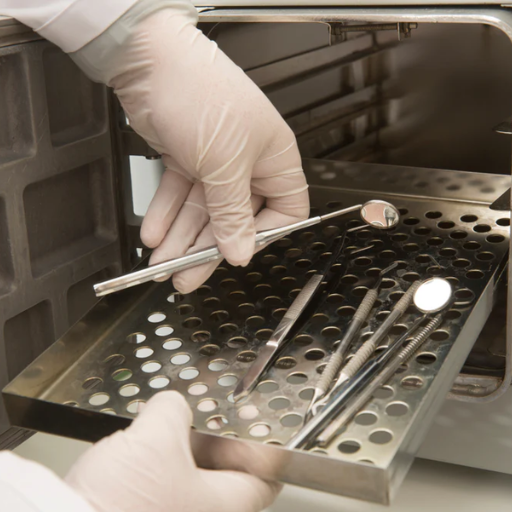
Industries That Use Plate Sterilizers
Plate sterilizers are multipurpose tools adopted by many industries worldwide due to their effectiveness and reliability in sterilization processes. The healthcare industry, food processing, and pharmaceuticals are among the major sectors utilizing plate sterilizers.
🏥 Healthcare Industry
Hospitals and clinics leverage plate sterilizers to ensure patient safety during surgeries and medical activities. Thanks to their compact design and capability, they are commonly used in stringent hygiene practices.
🍽️ Food Processing
Food and beverage industries adopt plate sterilizers to eliminate bacteria and other microorganisms during production and packaging, extending product shelf life and guaranteeing safety for human consumption.
💊 Pharmaceuticals
Sterilizers are critical in drug manufacturing processes, keeping sensitive drugs free from contamination and ensuring compliance with health regulations.
📈 Emerging Markets: Recent searches show growing interest in plate sterilizers within the cosmetics and biotechnology sectors. These industries require high sterilization levels to protect product integrity and meet rising global standards, clearly indicating that plate sterilizers are becoming unavoidable across diverse applications.
Primary Uses in Food and Beverage Industry
In the food and beverage industry, plate sterilizers are of great importance, as hygiene and product shelf life are the two main factors requiring attention. These devices are used for pasteurization and sterilization of liquid food items like milk, juices, and sauces, ensuring they are safe for consumption while preserving taste and nutritional value. They are also utilized in alcoholic beverage production where sterility must be maintained to avoid spoilage and preserve product quality.
Analysis of the latest search metrics indicates that food and beverage professionals have become increasingly curious about plate sterilizers. One of the main contributing factors to this growing interest is the heightened focus on implementing sustainable practices and meeting stringent safety standards. As consumer demand for hygienic and high-quality products grows, plate sterilizers have become a necessary tool for companies wanting to maintain competitiveness and compliance in this evolving sector.
Pharmaceutical Manufacturing Use
In pharmaceutical manufacturing, plate sterilizers are vitally important in ensuring all equipment, materials, and products meet the hygiene and sterilization standards the industry has established. These devices eliminate harmful microorganisms quite effectively, thereby decreasing contamination occurrence in production and packaging processes. According to recent data, there has been an impressive rise in searches related to sterilization technologies in pharmaceuticals, especially concerning compliance with Good Manufacturing Practices (GMP). This trend demonstrates that the pharmaceutical industry is giving attention to the most reliable sterilization methods, such as plate sterilizers, which are“`html
needed for maintaining product integrity, patient safety, and facilitating operations that align with regulatory authorities.
Maintenance and Care for Plate Sterilizers
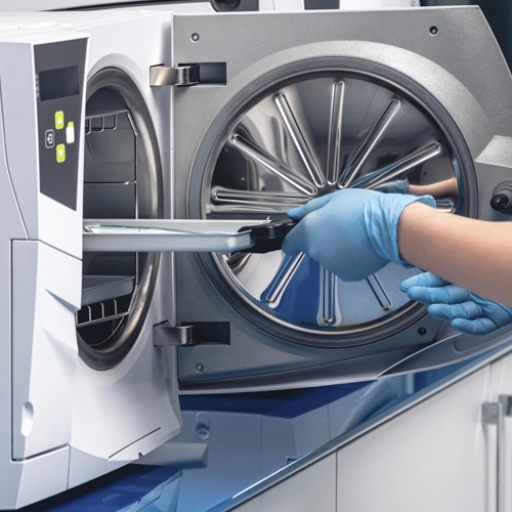
Routine Maintenance Best Practices
Routine maintenance of plate sterilizers is essential to guarantee optimal performance and meet regulatory standards. Based on recent data showing growing interest in understanding best practices for maintaining these vital tools in pharmaceutical processes, several key practices should be followed to ensure longevity and efficiency.
🔧 Essential Maintenance Checklist
- Regular Plate Inspection: Conduct thorough inspections of plates for signs of wear, corrosion, or damage. Early detection prevents costly failures and ensures consistent sterilization performance.
- Systematic Cleaning Procedures: Implement regular cleaning protocols to prevent residue buildup that can compromise sterilization effectiveness and product quality.
- Seal and Connection Verification: Ensure all seals and connections remain intact to prevent leaks that could affect operational efficiency and safety.
- Periodic Calibration: Perform regular calibration of temperature and pressure controls to preserve sterilization process effectiveness and maintain compliance with standards.
- Manufacturer Guidelines Adherence: Stay constantly updated with the latest manufacturer’s recommendations for optimal maintenance schedules and procedures.
- Automated Monitoring Integration: Use automatic monitoring devices to improve maintenance efforts, ensure GMP compliance, and prolong equipment life.
Common Issues and Troubleshooting
Several common problems can present themselves in sterilization equipment, affecting both performance and compliance with Good Manufacturing Practices (GMP). Understanding these issues and their solutions is crucial for maintaining optimal operation.
💡 Pro Tip: Automated monitoring with real-time data analytics, combined with regular manual inspections, provides highly effective troubleshooting for these problems. These tools ensure accurate diagnostics and speedy resolutions. Moreover, staying updated with the latest sterilization technology and accessing online resources can bring new insights and solutions for ongoing difficulties.
Importance of Regular Inspections
Regular inspections are indispensable for maintaining continued efficient operation of any system, particularly in environments where the highest standards of cleanliness and precision are demanded, such as medical or industrial sectors. Inspections, when coupled with the latest data from modern search engines, can be significantly enhanced by accessing updated protocols, troubleshooting methods, and innovative solutions. This combination guarantees that inspections are not only comprehensive but also backed by the most current knowledge available, making it easier to detect potential problems before they escalate into serious ones.
⚠️ Key Inspection Benefits
- Early detection of equipment degradation or failure
- Prevention of costly downtime and repairs
- Compliance with regulatory requirements
- Optimization of operational efficiency
- Extension of equipment lifespan
Frequently Asked Questions (FAQ)
❓ What’s a plate sterilizer and how does it operate?
A plate sterilizer is a machine designed exclusively for sterilizing liquid food products, namely dairy and fruit juices. It uses plate heat exchanger technology to efficiently raise the liquid’s temperature to a level that germs and bacteria cannot survive. The compact size of these machines contributes to their high heat transfer efficiency, making them versatile and applicable to numerous cases in food processing. During sterilization, the quality and integrity of food products are assured by employing a non-contact heat exchange method, thereby playing a crucial role in aseptic filling and ensuring final products meet hygiene standards.
❓ What are the benefits of a plate sterilizer?
Numerous advantages of plate sterilizers over traditional sterilization methods can be listed. Most importantly, they enable rapid heating and cooling of liquids due to high heat transfer efficiency, thus reducing overall processing time. Additionally, these machines are designed to be energy-efficient with heat recovery systems capable of recycling energy, thereby lowering operational costs. The compact size of plate sterilizers makes them suitable for limited-space facilities, while stainless steel construction provides safety and hygiene. Furthermore, elimination of chemical sterilizers makes plate sterilizers an environmentally friendly solution for food processing.
❓ What is the average sterilization temperature for plate sterilizers?
Required sterilization temperature for plate sterilizers varies by the food being processed. Generally, for ultra-high temperature (UHT) sterilization, temperatures can reach up to 135°C (275°F) for a short time, effective for dairy and fruit juice products. This high temperature guarantees the elimination of microorganisms. The temperature depends on the viscosity of liquid materials being sterilized and the particular product being processed. Temperature control is paramount for ensuring both safety and quality of the final product.
❓ How do plate sterilizers promote food hygiene?
Plate sterilizers are indispensable in promoting food hygiene as they keep liquid food products safe by effectively removing all harmful germs and pathogens through processing. By subjecting products to high temperatures in a controlled environment, they achieve the required sterilization compliant with safety standards. Modern technology used in plate sterilizers further decreases contamination risk, making them suitable for products requiring aseptic filling. The equipment provides complete disinfection while safeguarding food quality, thus ensuring end products are safe for consumption. Moreover, the use of food-grade materials in construction further enhances hygiene and safety.
❓ Are plate sterilizers suitable for different types of food products?
Indeed, plate sterilizers are highly flexible and can handle a large number of food products including dairy, fruit juices, and other fluid materials. Their design permits viscous foods to be successfully sterilized, making them a solution for different processing needs. The technology used in these machines guarantees that even products with higher viscosity can be processed efficiently while ensuring quality is not compromised. Additionally, plate sterilizers can be customized to work with specific products, thus ensuring optimal performance and safest application. This versatility is a deciding factor why plate sterilizers are the first choice in food processing plants today.
Reference Sources
📚 Purdue University – Design of a Virtual Lab for Plate Heat Exchanger Sterilization System
This study explores the use of heat exchangers in sterilization systems, providing insights into their design and application in preserving biological materials.
📚 Washington University – MEMS 411 Final Report: Plate Pourer II
This report discusses sterilization challenges and solutions in laboratory settings, focusing on maintaining sterility and efficiency.
📚 University of Northern Iowa – Propylene Oxide Sterilization of Microbiological Media
This paper compares sterilization methods, including their effectiveness on plates, offering valuable context for sterilization processes.

GW
Articles: 39
Trending now