Get in touch with Victorystar

The Role of Autoclaves Tubular Sterilizer in Ensuring Safety Across Industries

Contents
show
Sterilization is the foundation of safety in labs, food processing plants, and pharmaceutical industries. When contamination can be the difference between success and failure, the tubular autoclave sterilizer becomes one of the most important pieces of equipment that industries worldwide rely upon for truly dependable pathogen killing.
This comprehensive guide explores how autoclave tubular sterilizers function, their applications across different sectors, and why they’ve become indispensable for maintaining safety standards. Whether you’re managing a laboratory, overseeing food production, or working in pharmaceutical manufacturing, understanding these sterilization systems will help you make informed decisions about your facility’s safety protocols.
Understanding Autoclaves and Their Functionality
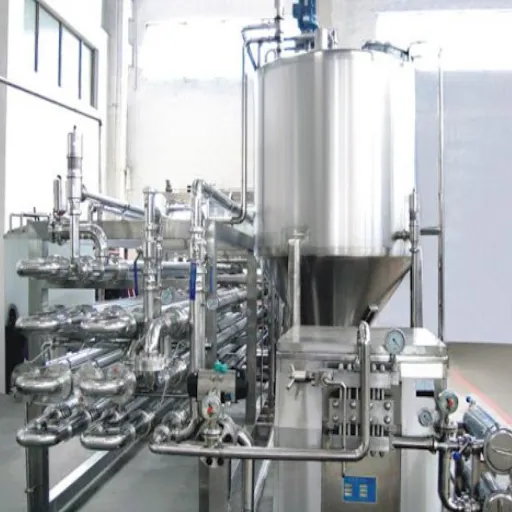
What is an Autoclave Sterilizer?
An autoclave sterilizer represents a pressurized chamber designed to eliminate microorganisms through the application of saturated steam under pressure. These devices achieve sterilization by creating conditions that denature proteins and disrupt cellular structures in bacteria, viruses, fungi, and spores.
The fundamental principle behind autoclave operation relies on moist heat sterilization, which proves more effective than dry heat methods due to steam’s superior penetration capabilities and heat transfer properties. When steam condenses on surfaces, it releases latent heat energy that rapidly raises temperatures to lethal levels for microorganisms.
How Autoclaves Use High Pressure Steam
High-pressure steam sterilization operates through a carefully controlled process that combines temperature, pressure, and time exposure. The steam penetrates materials and equipment surfaces, where condensation occurs and releases thermal energy directly onto microbial cells.
Key Functions of Pressure:
- Temperature Enhancement: Allows steam to reach temperatures above 100°C (212°F), typically operating between 121°C to 134°C (250°F to 273°F)
- Steam Penetration: Forces steam into porous materials and hard-to-reach areas where microorganisms might hide
- Effective Heat Transfer: Ensures optimal conditions for microbial elimination
⚠️ Critical Factor – Steam Quality: The steam must contain appropriate moisture content—typically 97% steam and 3% moisture—to ensure proper heat transfer and penetration. Superheated steam (too dry) or wet steam (excessive moisture) can compromise sterilization results.
Types of Autoclaves: Focus on Tubular Sterilizers
Tubular sterilizers represent a specialized category of autoclave systems designed for continuous processing of liquid products. Unlike batch autoclaves that process materials in discrete cycles, tubular systems provide continuous flow sterilization ideal for liquid processing applications.
🔬 Tubular Sterilizer Features
- Series of tubes or coils for product flow
- Maximized heat transfer surface area
- Precise temperature control
- Optimized residence time management
✓ Key Advantages
- Ideal for heat-sensitive liquids
- High throughput capability
- Consistent product quality
- Eliminates batch-to-batch variations
They have installed a series of tubes or coils in which product flows while being heated to sterilization temperatures. The tubular design maximizes heat transfer surface area while allowing good control on the temperature and residence time. This configuration is especially well-suited for heat-sensitive liquids requiring the rapid heating and cooling processes to maintain product quality.
Tubular sterilizers excel in applications requiring high throughput and consistent product quality. Their continuous operation eliminates the batch-to-batch variations common in traditional autoclave systems, making them preferred choices for large-scale production environments.
The Importance of Sterilization in Laboratories
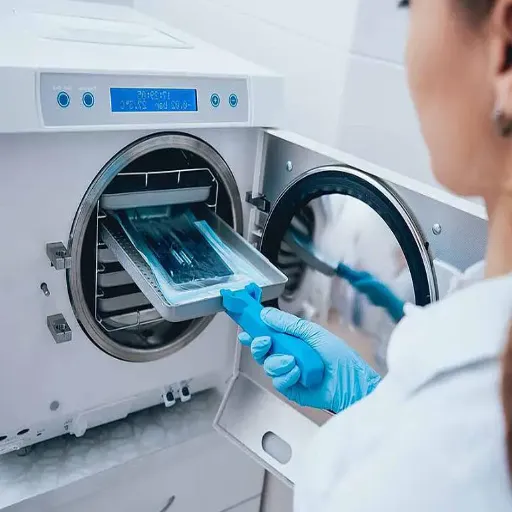
Applications of Laboratory Autoclaves
Laboratory autoclaves serve multiple critical functions across research, clinical, and educational facilities. These applications range from preparing sterile culture media to decontaminating biohazardous waste before disposal.
Common Laboratory Sterilization Tasks:
🧪 Glassware & Instruments
Beakers, flasks, pipettes, forceps, scissors, probes
🧫 Culture Media
Nutrient broths, agar plates, specialized growth media
🦠 Biohazardous Waste
Infectious materials decontamination before disposal
Sterilizing laboratory equipment necessarily involves dealing with glassware, surgical instruments, and culture media. Cell cultures, microbiological work, and drug testing developing all require sterile working conditions. Otherwise, the sterilizing process itself, or the lack thereof, serves to either lawyer-ize an experiment’s results or put the research workers at tremendous risk.
It is very important for autoclaves in biological laboratories to have a role in the function of biosafety protocols. Potentially infectious materials must be decontaminated before disposal to ensure that laboratory waste is not harmful to the environment or public health. Such an application is of particular importance to medical and research establishments where pathogenic microorganisms are being handled.
Key Parameters for Effective Sterilization
Successful sterilization requires precise control over three critical parameters: temperature, time, and steam quality. Temperature must reach levels sufficient to denature microbial proteins—typically 121°C for standard sterilization cycles or 134°C for rapid cycles.
Exposure time varies based on temperature settings and load characteristics. Standard cycles typically require 15-20 minutes at 121°C, while rapid cycles achieve sterilization in 3-4 minutes at 134°C. Dense materials or large loads may require extended exposure times to ensure steam penetration reaches all surfaces.
Steam Quality Monitoring Parameters:
- Steam dryness fraction – Ensures optimal moisture content
- Non-condensable gas content – Prevents sterilization interference
- Superheat levels – Maintains effective heat transfer
Proper steam quality prevents sterilization failures and ensures consistent results across different load types.
UHT Sterilization: Beyond Traditional Methods
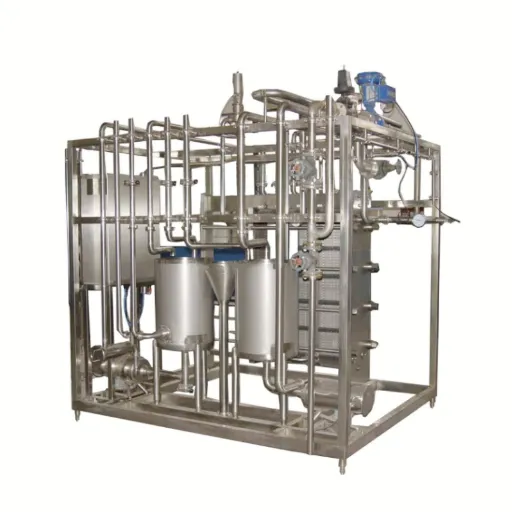
What is UHT and Its Benefits?
Ultra High Temperature (UHT) sterilization represents an advanced thermal processing method that achieves commercial sterility through brief exposure to extremely high temperatures. UHT processes typically operate at 135°C to 150°C (275°F to 302°F) for 2-5 seconds, compared to traditional pasteurization methods that use lower temperatures for longer periods.
Primary Advantages of UHT Sterilization
⚡
Minimal Thermal Damage
🥤
Preserves Quality Attributes
🌡️
Ambient Storage
💰
Cost Reduction
The primary advantage of UHT sterilization lies in its ability to eliminate microorganisms while minimizing thermal damage to product quality attributes. Short exposure times preserve nutritional content, flavor profiles, and functional properties that longer heat treatments might compromise.
UHT sterilization also enables ambient temperature storage for processed products, eliminating refrigeration requirements throughout distribution and storage. This capability significantly reduces energy costs and extends product shelf life, making UHT-processed goods economically attractive for global distribution.
UHT Sterilizer Machines in Food Processing
UHT sterilizer machines incorporate sophisticated heat exchange systems designed for rapid heating and cooling of liquid products. These systems typically feature multi-stage heat exchangers that preheat incoming product using outgoing sterilized material, maximizing energy efficiency.
🔧 System Components & Functions:
Sterilization Section: Maintains precise temperature control through steam injection or plate heat exchanger configurations. Advanced control systems monitor product temperature continuously, adjusting steam flow or heating intensity to maintain optimal sterilization conditions.
Cooling Sections: Rapidly reduce product temperature to prevent overcooking and quality degradation. Regenerative cooling systems capture thermal energy from hot sterilized product to preheat incoming material, improving overall process efficiency and reducing energy consumption.
Comparison: UHT Tubular vs. Conventional Sterilizers
Tubular UHT sterilizers offer several advantages over conventional batch sterilization methods. Continuous processing enables higher throughput rates and more consistent product quality compared to batch operations. The uniform residence time distribution in tubular systems ensures all product receives identical heat treatment.
Temperature control precision represents another key advantage of tubular systems. The high surface-area-to-volume ratio in tubular configurations enables rapid heat transfer and precise temperature management. This capability proves crucial for heat-sensitive products requiring exact temperature control.
Conventional sterilizers excel in flexibility and batch processing applications. They accommodate various container sizes and product types without extensive changeover procedures. However, they typically require longer processing times and may produce greater batch-to-batch variation than continuous tubular systems.
Applications of Tubular Sterilizers in the Food Industry
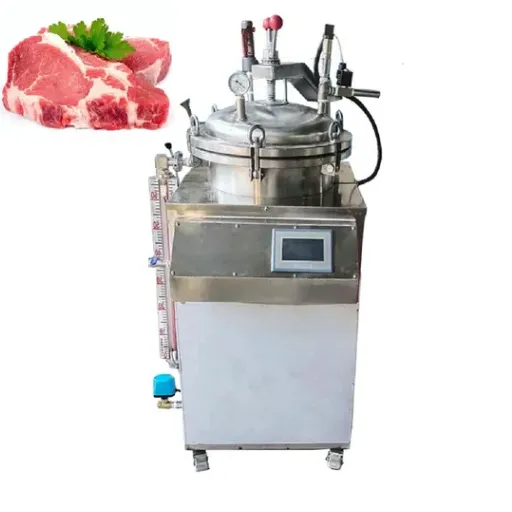
Role of Tubular Pasteurizers in Beverage Safety
Tubular pasteurizers play crucial roles in beverage safety by eliminating pathogenic microorganisms while preserving product quality. These systems process juices, dairy products, and other liquid beverages through continuous heating and cooling cycles that achieve pasteurization requirements.
🍊 High-Acid Products
Orange juice requires precise heat treatment to eliminate pathogens while maintaining vitamin C content and fresh flavor characteristics. Tubular pasteurizers handle these products with optimal time-temperature combinations.
🥛 Dairy Processing
Milk processing facilities use tubular systems to achieve High Temperature Short Time (HTST) pasteurization, eliminating harmful bacteria while preserving nutritional value and taste. Ideal for high-volume operations.
The drink industry relies on tubular pasteurizers for high-acid products that require exact time-temperature treatments. For instance, orange juice needs exact heat treatment so it can be rid of pathogenic elements while at the same time, retaining vitamin C and the fresh nature of flavors.
Dairy applications are another significant point of usage tubular pasteurizers. Processing plants are using these to carry on with High Temperature Short Time (HTST) pasteurization so that bacteria are destroyed while retaining nutritional properties and -to some extent- their taste. Being tubular and continuous, these systems are the best choice for big dairy processing units.
How Tubular Sterilizers Are Used for Fruit Juice and Puree
Fruit juice and puree processing presents unique challenges due to product acidity, particulate content, and heat sensitivity. Tubular sterilizers address these challenges through specialized design features and processing parameters tailored for fruit-based products.
Key Processing Considerations:
- Particle Handling: Special tube configurations and flow velocities prevent settling and ensure uniform heat treatment throughout the product stream
- pH Considerations: High-acid fruits may require lower sterilization temperatures due to acid’s antimicrobial effects, while low-acid products need more intensive heat treatment
- Heat Sensitivity Management: Rapid heating and cooling preserves flavor, color, and nutritional content
Particle handling capabilities allow tubular sterilizers to process fruit purees and juices containing pulp or other suspended solids. Special tube configurations and flow velocities prevent settling and ensure uniform heat treatment throughout the product stream.
The pH considerations influence parameters for processing fruit products. In case fruits considered are high in acid, sterilization temperature would be kept lower because acid would act as an antimicrobial; in some cases, low-acid products need more heat treatment. Tubular systems thus have the flexibility required to accommodate these varying needs.
Ensuring Food Grade Quality with Stainless Steel Equipment
Food grade stainless steel construction ensures tubular sterilizers meet strict hygiene and safety standards required for food processing applications. Stainless steel surfaces resist corrosion, prevent contamination, and enable thorough cleaning and sanitization between production runs.
Quality Standards for Food Processing Equipment
🔬 Surface Finish Quality
Smooth, polished surfaces prevent bacterial adhesion and facilitate complete cleaning. Electropolishing provides ultra-smooth surfaces exceeding standard requirements.
⚡ Welding Quality
Food grade welding procedures eliminate crevices and rough surfaces where bacteria might accumulate. Ensures equipment longevity.
✓ Construction Techniques
Proper construction withstands repeated cleaning cycles and chemical sanitization procedures, maintaining safety standards.
Surface finish quality maintains essential food safety standards. Smooth, polished surfaces do away with bacteria.ai help in absolute cleaning. Some specialized finishes allow the creation of ultra-smooth surfaces, such as-electropolishing, which goes beyond the requirements of regular food grade.
This is a situation where welding specifications influence the actual safety of the article, as does construction technique. Food-grade welding procedures prevent crevices or rough surfaces from being created that could serve as a haven for bacteria. Construction and manufacture guarantee that the equipment can endure cleaning cycles and sanitization processes with chemicals.
Challenges and Solutions in Sterilization Processes
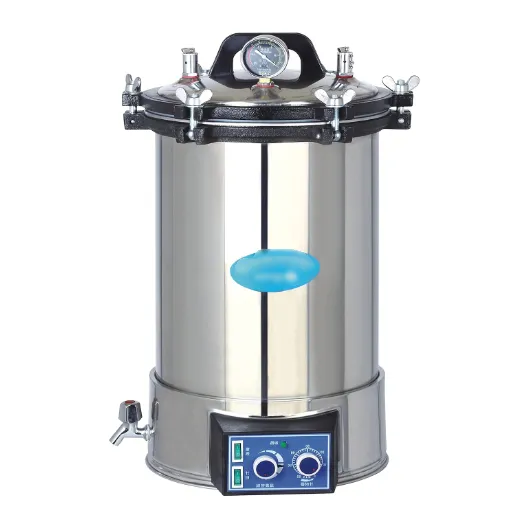
Common Issues with Autoclave Sterilization
⚠️ Common Sterilization Challenges:
1. Temperature Distribution Problems
Uneven heating can result in cold spots where microorganisms survive. Contributing factors include improper loading, inadequate steam circulation, and equipment maintenance issues.
2. Steam Quality Problems
Wet steam containing excessive moisture may not reach required temperatures, while superheated steam lacks the latent heat necessary for effective microbial kill. Regular steam quality testing and proper maintenance help prevent these issues.
3. Load Configuration Mistakes
Overcrowding prevents proper steam circulation, while improper packaging materials can impede steam penetration. Training staff on proper loading techniques and establishing clear protocols help minimize problems.
Temperature distribution problems have been some of the most common challenges faced during autoclave sterilization. Uneven heat distribution could lead to cold spots that may not get sterilized by microorganisms. Improper loading, insufficient steam circulation, and inadequate maintenance of the equipment are some of the factors that could cause temperature variations.
Problems with the steam quality might pose a risk on sterilization procedure. Wet steam with excessively high moisture content may not reach the required temperatures, whereas superheated steam lacks the latent heat to effect killing of microorganisms. Periodic steam quality testing and maintenance of steam generation equipment help prevent these problems.
Sterilization failure sometimes occurs because of poor load configuration-technicians very oftenwill jam the autoclave with items placed on top of each other, blocking proper circulation of steam, or could be using improper packing materials that might prevent proper penetration of steam. These incidents can be prevented by training staff in the handling of and loading of equipments into the sterilizer, and by applying the loading methods so learned conscientiously in practice.
Innovations in Sterilization Technology
📊 Advanced Monitoring Systems
Wireless temperature sensors track conditions throughout the sterilization chamber, identifying potential cold spots or temperature deviations immediately. Enable rapid corrective action and prevent sterilization failures.
📋 Automated Validation Systems
Document sterilization cycles, generate reports, and maintain records required for quality assurance programs. Reduce manual documentation burdens while improving record accuracy and completeness.
♻️ Energy Recovery Technologies
Heat exchangers capture thermal energy from exhaust steam and use it to preheat incoming water or air. Reduce energy consumption and operational costs while maintaining sterilization effectiveness.
Sophisticated monitoring systems allow the collection of real-time data on sterilization parameters considered critical. Wireless temperature sensors monitor conditions throughout the sterilization chamber and identify potential cold spots or temperature drifts immediately so that corrective measures can be taken quickly to prevent a sterilization failure.
Automated validation systems help companies to simplify the compliance process with regulatory requirements. They are used to document sterilization cycles, generate reports, and maintain records required for quality assurance programmes. With an automated validation system, manual documentation is diminished, while record-keeping becomes far more accurate and complete.
Energy recovery is done to improve sterilization efficiency. Ideally, heat exchangers capture the thermal energy from exhaust steam and utilize it for preheating water or air. These systems help decrease the energy cost and operational cost and almost keep the effectiveness of sterilization intact.
Best Practices for Maintaining Sterilizer Machines
Essential Maintenance Practices
🔧 Preventive Maintenance Programs
Regular inspection schedules should include steam trap testing, pressure vessel examinations, and control system calibrations. Documented maintenance procedures help identify potential problems before they cause sterilization failures.
📏 Calibration Verification
Regular calibration checks using certified reference standards ensure measurements remain within acceptable tolerances. Documentation supports regulatory compliance and quality assurance programs.
👥 Operator Training Programs
Training should cover loading techniques, cycle selection, troubleshooting procedures, and safety protocols. Regular refresher training keeps operators current with best practices and equipment updates.
The usual maintenance regime for ensuring sterilizer performance and existence comprises testing steam traps, pressure vessel inspection, and calibration of the system. With a documented maintenance procedure, problems might be identified before sterilization failures can occur.
Calibration verification is essential in maintaining the required accuracy of temperature and pressure monitoring systems. Routine calibration checks against certified reference standards serve to guarantee any measurements within allowable tolerances. The documentation of such calibration activities also serves to support programs pertaining to regulatory compliance and quality assurance.
The operator training programs ensure proper training of the staff on the operation, maintenance, and servicing of the equipment. Loading techniques, cycle selection, troubleshooting methods, and operating safety should be included in the training. Regularly scheduled refresher training sessions further update operators on best practices and current equipment developments.
Reference Sources
Autoclave Machine: Uses, Guidelines & Cost – Explains the industrial applications of autoclaves, including their role in sterilization using steam and pressure.
The Role of Autoclaves in Pharmaceutical Manufacturing – Highlights the importance of autoclaves in ensuring sterile conditions in pharmaceutical production.
Experienced supplier of Tubular sterilizer – Discusses the use of tubular sterilizers for sterilizing materials in industries like food, medicine, and biochemistry.
UHT Sterilizer For Liquid Food & Beverage – IBC MACHINE – Focuses on tubular sterilizers for sterilizing liquid food and beverages, such as juices and milk.
Tubular sterilizer – Details the applications of tubular sterilizers for low and medium viscosity materials, including beverages and plant extracts.
Frequently Asked Questions (FAQs)
❓ What is an autoclave sterilizer and how does it work?
An autoclave sterilizer is a tool used for sterilizing instruments and materials with steam under pressure. This device kills microorganisms and spores by heating steam to a high temperature, which is normally about 121°C. The modus operandi for sterilization is the absolute efficient one where all surfaces of the materials are subjected to the sterilizing temperature. It is an extensively used sterilization process in laboratories, hospitals, and food processing industries. It can be an automated sterilizing system wherein a PLC might be used for accurate temperature control and monitoring.
❓ What are the benefits of using a tubular sterilizer for food products?
It is especially good at treating Tubular sterilizers for liquid foods, fruit juices, and yogurts. The tubular sterilizer basically consists of a tube-in-tube heat exchanger that has low hold-up time, maintaining the quality of the food since higher hold-up can lead to degradation in quality. Steam sterilization kills undesirable microorganisms but retains nutrients in the products. A tubular sterilizer sterilizes even highly viscous materials with high solid content. Hence, it is very much acceptable in any food industry to ensure the safety of the product and shelf life improvement.
❓ How does steam sterilization eliminate contamination?
Steam sterilization is an efficient method for destroying contamination through the application of high-temperature steam and killing microorganisms, including bacteria and spores. The steam passes through the material undergoing sterilization, thus ensuring that every surface gets sterilized. It is a very reliable method because it maintains a constant steam pressure and temperature control throughout the cycle. Another safety feature includes an excellent valve mechanism that safely releases pressure during the process. These aspects of utmost reliability are needed in institutions and research facilities where the state of sterility is very much questioned.
❓ What parameters should be considered for effective sterilization?
The parameters for sterilization should be respected carefully: time, temperature, and pressure. All these need to be respected to guarantee that all microorganisms are killed. For example, a known sterilization temperature is 121°C for at least 15 minutes. Chamber volumes would also need to be adequate for whatever load they are processing. Apart from this, appropriate monitoring systems providing feedback on these parameters in real-time would also make the process more reliable.
❓ Can a sterilizer machine be used for both laboratory and food-grade applications?
Yes, indeed, a sterilizing machine can be so designed to allow for both laboratory and food-grade applications. Dual-use versatility becomes particularly relevant in institutions that are required to sterilize glassware and small research instruments as well as food items such as fruit puree and dairy. The flexibility of sterilization parameters is critical in providing for operational solutions suited to both uses. For example, sterilization in autoclaves in laboratories could emphasize speed of sterilization, while food-grade sterilizers could emphasize maintenance of product integrity and safety.
❓ What is the role of automation in tubular UHT sterilizers?
Efficiency in tubular UHT sterilizers and automation had to be tied intimately. These systems usually use and need highly sophisticated controllers that monitor sterilization in real-time and adjust the parameters to achieve consistent performance. Automation allows for performing these operations fully automatically, thus reducing manual intervention and minimizing the risk of human error. This is advantageous in high-throughput environments where product quality needs to be maintained with consistency. When sterilization is automated, manufacturers inevitably achieve the maximum level of reliability and efficiency in their operations.

DU
Articles: 45
Trending now