Get in touch with Victorystar

Understanding the Working Principles of Various Filling Machine Types Across Industries

Contents
show
Filling machines form the life blood of modern industrial operations throughout many industries. These are specialized systems designed to guarantee consistent and accurate filling and packaging of liquids and semi-liquid materials, whether it be pharmaceutical vials or beverage bottles, cosmetic creams, or food products. This guide covers the working principles behind the different filling machine types. We shall look at gravity filling systems, pneumatic filling, and the automatic way of filling, disclosing all the possibilities of the various systems in their respective industries. This knowledge gives one a platform for deciding on equipment choice when considering the establishment of a new line or planning to improve an existing line.
Types of Filling Machines

Overview of Different Types of Filling Machines
Modern filling technology encompasses several distinct approaches, each designed to handle specific product characteristics and production requirements. The choice between different filling methods depends on factors including product viscosity, container size, production volume, and accuracy requirements.
Gravity Filling Machines utilize the natural force of gravity to move products from holding tanks into containers. This method works effectively for thin to medium-viscosity liquids and offers reliable performance with minimal mechanical complexity.
Pneumatic Filling Machines employ compressed air or vacuum systems to control product flow. These systems provide precise volume control and work well with products that require gentle handling or specific atmospheric conditions during filling.
Automatic Filling Machines integrate advanced control systems with mechanical components to deliver high-speed, high-accuracy filling operations. These systems often combine multiple filling principles with sophisticated monitoring and adjustment capabilities.
Gravity Filling Machines
Gravity filling machines represent one of the most straightforward approaches to liquid packaging. These systems rely on gravitational force to transfer products from elevated storage tanks through filling valves into containers positioned below.
Gravity filling: simple and thus versatile. These machines have usually fewer moving parts than in other types of filling; hence, the upkeep is much less, and also, the operation is far more uncomplicated. They excel in filling free-flowing liquids such as water, juices, oils, and cleaning solutions.
However, gravity filling systems require careful consideration of product characteristics. Viscous materials may flow too slowly, while products containing particles or suspended solids might cause valve blockages. The filling speed depends largely on product viscosity and the height differential between the storage tank and container.
Pneumatic Filling Machines
Pneumatic filling systems utilize compressed air or vacuum pressure to control product movement and filling operations. These machines offer enhanced control compared to gravity systems, allowing operators to adjust filling parameters based on product requirements.
Two primary pneumatic approaches exist: pressure filling and vacuum filling. Pressure systems use compressed air to force products through filling lines, while vacuum systems draw products into containers by creating negative pressure. Both methods provide excellent control over filling speed and volume accuracy.
Pneumatic systems particularly excel with carbonated beverages, where pressure control prevents CO2 loss during filling. They also work effectively with heat-sensitive products that benefit from controlled atmospheric conditions during the filling process.
Working Principles of Various Filling Machines
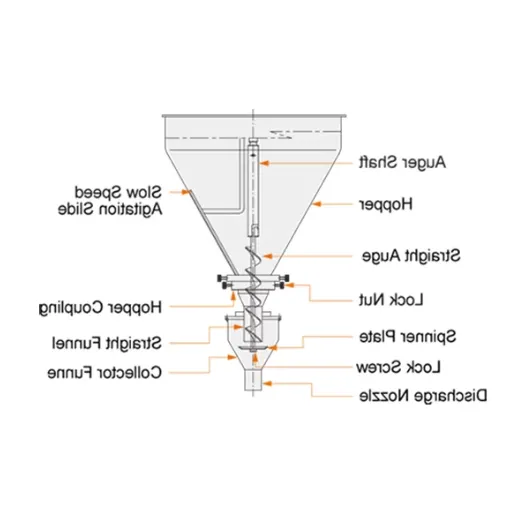
Working Principle of Gravity Filling Machines
Gravity filling machines operate on fundamental physics principles, using gravitational force to move liquids from storage reservoirs into containers. The process begins with product storage in elevated tanks positioned above the filling station.
Basic Operation Sequence:
- Product Storage: Liquids are held in elevated storage tanks, creating potential energy through height differential
- Valve Opening: Filling valves open to allow product flow from storage tanks
- Flow Control: Product flows through filling nozzles into positioned containers below
- Level Sensing: Fill levels are monitored using mechanical, optical, or electronic sensors
- Valve Closure: Filling valves close when predetermined levels are reached
The filling rate in gravity systems depends on several variables: liquid density, viscosity, tank height, nozzle diameter, and valve opening characteristics. Higher tank positions increase hydrostatic pressure, resulting in faster filling rates. Conversely, viscous products flow more slowly regardless of height differential.
Flow Rate Calculation: The basic flow rate can be estimated using Torricelli’s law, which states that flow velocity equals the square root of twice the gravitational constant multiplied by the height difference. However, practical applications must account for friction losses, valve restrictions, and product characteristics.
Modern gravity filling machines incorporate electronic controls to manage valve timing and improve consistency. These systems can adjust opening duration based on container size, product viscosity, and desired fill levels.
Working Principle of Vial Filling Machines
Vial filling machines require exceptional precision due to small container volumes and strict pharmaceutical standards. These specialized systems typically combine multiple filling principles to achieve the accuracy and contamination control required for medical applications.
Key Operating Components:
- Sterile Product Handling: All product contact surfaces maintain sterile conditions through specialized materials and cleaning systems
- Precision Dosing: Volumetric or gravimetric systems ensure accurate fill volumes, often within 1-2% tolerance
- Container Handling: Automated systems position vials precisely under filling nozzles and manage container movement
- Environmental Control: Clean room conditions prevent contamination during filling operations
Vial filling systems often employ positive displacement pumps for maximum accuracy. These pumps deliver exact volumes by mechanically displacing specific amounts of product with each cycle. Peristaltic pumps, rotary vane pumps, and piston pumps are common choices depending on product characteristics.
Filling Process Control: Advanced vial filling machines incorporate real-time monitoring systems that verify fill weights or volumes for each container. Rejected vials are automatically removed from the production line, ensuring only properly filled products proceed to capping and packaging.
Working Principle of Automatic Filling Machines
Automatic filling machines represent the most sophisticated approach to liquid packaging, integrating advanced control systems with mechanical components to deliver high-speed, consistent operations.
Control System Architecture:
- Programmable Logic Controllers (PLCs): Central processing units manage all machine functions and coordinate subsystem operations
- Human Machine Interfaces (HMIs): Touchscreen interfaces allow operators to monitor performance and adjust parameters
- Sensor Networks: Multiple sensors monitor product levels, container positions, and system status
- Servo Motor Systems: Precision motors control conveyor speeds, valve operations, and mechanical movements
Operational Sequence:
- Container Introduction: Automatic systems feed empty containers onto conveyor systems
- Position Detection: Sensors identify container presence and verify proper positioning
- Filling Activation: Control systems activate appropriate filling mechanisms based on product and container specifications
- Process Monitoring: Real-time sensors monitor fill progress and verify completion
- Quality Control: Integrated systems check fill levels, weights, or other quality parameters
- Container Discharge: Properly filled containers continue to subsequent processing stations
Automatic systems excel in high-volume production environments where consistency and efficiency are paramount. These machines can handle multiple product types and container sizes through programmable recipe management systems.
Applications of Different Filling Machines
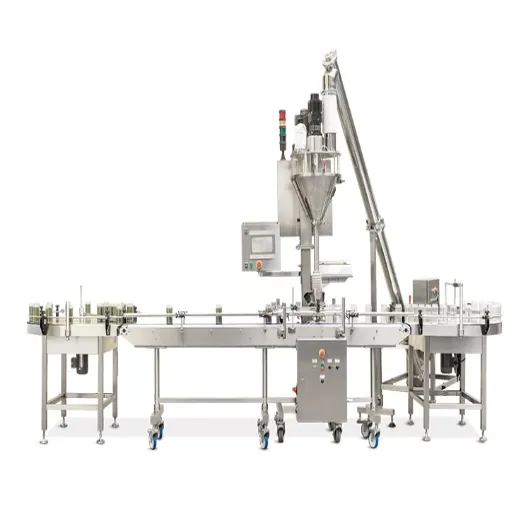
Liquid Filling Machine Applications
Liquid filling machines serve diverse industries with varying requirements for accuracy, speed, and contamination control. Understanding application-specific needs helps manufacturers select appropriate filling technologies.
Beverage Industry Applications:
- Water bottling operations utilize high-speed gravity or pressure filling systems
- Carbonated beverages require pressure filling to maintain CO2 content
- Wine and spirits benefit from gentle filling methods to preserve product characteristics
- Dairy products need sanitary systems with easy cleaning capabilities
Chemical Industry Applications:
- Industrial chemicals often require corrosion-resistant filling systems
- Hazardous materials need specialized safety features and containment systems
- Viscous products may require heated filling systems to maintain flow characteristics
- Precise formulations demand accurate volumetric or gravimetric filling methods
Personal Care Applications:
- Shampoos and conditioners require systems capable of handling varying viscosities
- Perfumes and fragrances need gentle filling to preserve volatile compounds
- Lotions and creams often require heated systems for proper flow characteristics
Cream Filling Applications
Cream and paste filling applications present unique challenges due to product viscosity, air incorporation concerns, and temperature sensitivity. These applications typically require specialized filling systems designed to handle semi-liquid materials.
Viscosity Management: Cream filling systems must accommodate products ranging from light lotions to thick pastes. Variable-speed pumps and adjustable nozzle sizes allow operators to optimize filling parameters for specific product characteristics.
Air Inclusion Prevention: Many cream products are sensitive to air incorporation, which can affect appearance and shelf stability. Specialized filling valves and techniques minimize air entrainment during the filling process.
Temperature Control: Many cream products require temperature management during filling. Heated systems maintain optimal flow characteristics, while cooling systems prevent heat-sensitive ingredients from degrading.
Industry Applications:
- Cosmetic creams require gentle handling to maintain texture and appearance
- Food products like mayonnaise and sauces need sanitary filling systems
- Pharmaceutical creams require sterile conditions and precise dosing
- Industrial pastes may need specialized materials for chemical compatibility
Vial Filling Applications
Vial filling applications primarily serve the pharmaceutical and biotechnology industries, where precision, sterility, and regulatory compliance are critical requirements.
Pharmaceutical Applications:
- Injectable medications require sterile filling conditions and precise dosing
- Vaccines need specialized handling to maintain product efficacy
- Diagnostic reagents require contamination-free filling environments
- Research compounds often need small-batch filling capabilities
Quality Assurance Requirements:
- Fill volume accuracy within 1-2% tolerance levels
- Sterility maintenance throughout the filling process
- Traceability systems for batch tracking and quality control
- Environmental monitoring for contamination prevention
Regulatory Compliance:
- FDA validation requirements for pharmaceutical applications
- Good Manufacturing Practice (GMP) compliance
- Documentation systems for audit trails
- Change control procedures for process modifications
Innovations in Filling Technology
Digital Liquid Fillers
Digital technology integration has revolutionized filling machine capabilities, introducing unprecedented levels of control, monitoring, and optimization. These advanced systems combine traditional mechanical components with sophisticated digital control systems.
Smart Control Systems:
- Recipe management allows operators to store and recall filling parameters for different products
- Real-time data collection provides insights into production efficiency and quality trends
- Predictive maintenance systems monitor component wear and schedule maintenance activities
- Remote monitoring capabilities enable off-site supervision and support
Precision Improvements:
- Digital servo control systems provide exceptional accuracy in valve timing and positioning
- Load cell integration enables real-time weight monitoring during filling operations
- Vision systems verify fill levels and detect container defects
- Statistical process control algorithms automatically adjust parameters to maintain quality
Recent Developments in Automatic Filling Technologies
Modern automatic filling systems incorporate cutting-edge technologies that enhance performance, reduce waste, and improve operational efficiency.
Artificial Intelligence Integration:
- Machine learning algorithms optimize filling parameters based on historical performance data
- Predictive analytics identify potential quality issues before they impact production
- Automated recipe optimization adjusts parameters for maximum efficiency
- Intelligent scheduling systems coordinate multiple production lines
Advanced Sensor Technologies:
- Non-contact level sensors eliminate product contamination risks
- High-speed imaging systems detect container defects in real-time
- Ultrasonic sensors provide accurate measurement regardless of product characteristics
- Wireless sensor networks enable comprehensive system monitoring
Sustainable Design Features:
- Energy-efficient motors and drives reduce power consumption
- Product recovery systems minimize waste during changeovers
- Cleaning-in-place (CIP) systems reduce water and chemical usage
- Modular designs enable capacity expansion without complete system replacement
Trends in Filling Machine Efficiency
Contemporary filling machine development focuses on maximizing efficiency while maintaining quality standards. Several key trends are shaping the future of filling technology.
Flexibility and Adaptability:
- Quick-change systems enable rapid product and container changeovers
- Modular designs allow capacity adjustments based on production demands
- Universal filling heads accommodate multiple container types and sizes
- Programmable parameters eliminate manual adjustments during product changes
Integration and Connectivity:
- Industry 4.0 connectivity enables real-time production monitoring and control
- Enterprise resource planning (ERP) integration coordinates production scheduling
- Quality management systems automatically document compliance activities
- Supply chain integration optimizes material flow and inventory management
Sustainability Considerations:
- Reduced material waste through improved accuracy and process control
- Energy-efficient designs minimize environmental impact
- Recyclable component materials support circular economy principles
- Extended equipment lifecycles reduce replacement frequency
Reference Sources
Working Principles of Various Filling Machines – Explains the principles behind liquid, vial, powder, and ampoule filling machines.
Filling Machines and How They Work – Covers different filling principles like gravity, pump, piston, and overflow systems.
Gravity Filling Machine Principles: How Does a Gravity Filler Work – Focuses on the components and operation of gravity filling machines.
The Different Types of Liquid Filling Machines – Discusses various liquid filling machine types, including gravity, piston, and pump fillers.
Industrial Filling Machines: A Comprehensive Guide – Provides insights into liquid, powder, and paste filling machines for large-scale production.
Frequently Asked Questions (FAQs)
What are the working principles of various filling machines?
Depending on different filling mechanisms, filling machines differ from one another in their working principles. The usual types are gravity filling, pressure filling, and vacuum filling. Each technique has its operation; for example, gravity filling is by air pressure gravity that moves liquid from a reservoir through filling nozzles into containers. On the other hand, pressure filling uses pressure to push the liquid into the bottles. Understanding the principles is fundamental to fixing the filling machine needed for particular applications.
How does a liquid filling machine operate?
A liquid filling machine consists of filling an accurate amount of liquid into containers. Depending on the requirement for precise filling, it may use different filling mechanisms, such as piston filling or pump filling systems. Filling speed can be altered based on the production needs so that the process remains efficient. Moreover, many liquid filling machines are fully automatic, meaning that they augment productivity through reduced manual intervention and errors during the filling process.
What types of filling machines are commonly used in the pharmaceutical industry?
Among the common filling machines in the pharmaceuticals, there are vial filling machines, ampoule filling machines, and bottle filling machines. Vial fillers are designed for the smaller containers with fine filling systems for precise volume dosage of liquid. Ampoule filling machines are preferred mechanizations because they maintain sterility in the environment and guarantee filling of liquid medicaments. Bottle filling machines are, however, diversified machines because they fit several different types of product in other industries and are therefore, very important for large-scale productions.
What is the filling process for a vial filling machine?
The filling procedure for a vial-filling machine usually follows several steps for precision and standardization according to industry criteria. Vials may enter the machine and be placed under the filling head. The filling mechanism then releases a fixed amount of liquid into each vial. Once filled, the vials might be capped for ease of handling or sealing for safety. The entire filling and sealing operation is designed to minimize contamination and ensure reliable filling.
What are the benefits of using digital liquid fillers?
The filling process usually involves several operational steps to guarantee filling precision and meet industrial norms. Initially, the bottles have to be fed into the machine to be positioned beneath the filling head. Then, the filling mechanism acts by releasing a fixed amount of liquid into one vial. Depending on the type of product, the vials will be capped after the filling. The capping is done to safeguard the vial after production and maintain the vial’s environment, which, in turn, helps minimize contamination during the filling and sealing operation.
How do filling machines ensure accurate filling?
Precision is a well-thought process where the machine is engineered to actually fill the container. The filling machine usually uses a filling nozzle to limit spillage and dripping, which corresponds to the good filling results. In addition, many machines use a filling system that works by level and pressure whereby the liquid is fixed by controlled pressure, offering uniformity in filling. If a filling system is checked or calibrated time and again, it yields better accuracy and usually this is the case for filling machines in industries that require exact filling, such as pharmaceutical manufacturing.

DU
Articles: 45
Trending now