Get in touch with Victorystar

The Ultimate Guide to Fruit Pulp & Vegetable Sauce Production Line

Contents
show
The worldwide trend for healthier living and hassle-free food has been the main factor for the fast increase in the need for high-quality fruit pulps and vegetable sauces. But the question is, what are the requirements for a production line that can satisfy the demands of the market as well as the standards of the industry? Understanding the nuts and bolts of the production of fruit puree and vegetable sauce is necessary if you are the one who has been in the industry for a long time and want to increase your production or if you are a new entrepreneur who is looking for the processing of food as an opportunity.
This comprehensive manual will accompany you from the selection of machinery and processes to the optimization of the production line. You are going to be provided with a detailed roadmap at the end of this article to produce high-quality products in an efficient manner that will be able to compete in the market.
Introduction to Sauce Production

Overview of the Sauce Manufacturing Process
Making sauce is like a complex chain of steps with one product at the end of it. Each process contributes to the end product’s quality and to consistency with the quality of other batches. It usually starts with searching for and handling high-quality and fresh ingredients such as vegetables, fruits, spices, and seasonings. These ingredients are then cleaned, peeled, and sometimes precooked to loosen their texture. At the next point, the grinding or mixing of the ingredients takes place resulting in either a smooth or semi-smooth consistency depending on what the sauce will finally be like.
After the blending, the mixture is put to cooking at regulated heat with the goals of flavor boosting, harmful bacteria killing, and viscosity creation. Along with this step, preservatives, stabilizers, or other additives may be introduced to prolong the product lifespan and its quality. After cooking, the sauce undergoes quality control checks to verify if it conforms to taste, texture, and safety standards. The sauce is then packed aseptically in jars, bottles, or pouches and takes on this last step of the process to ensure that it remains fresh throughout its distribution and storage.
💡 Market Trend Insight
Nowadays, consumers are strongly increasing the demand for very few and simple ingredient sauces, natural ones, and manufactured under sustainable practices. Thus incorporating organic or locally sourced ingredients, cutting back on artificial ones, and going for environmentally friendly packaging can be the winning criterion in today’s market.
Importance of Fruit Pulp in Sauce Production
Fruit pulp is the main character in flavor, texture, and even the nutritional profile of the sauces saga. Recent consumer insights indicate that the market increasingly seeks sauces with natural ingredients, which paves the way for consumers engaging with real, unprocessed elements like fruit pulp the most. The pulp gives the sauce the desired thickness and taste plus also opens the door for the addition of dietary fiber and all the necessary nutrients coming from the fruits aligning with the trend of healthy munching.
✓ Key Benefits of Fruit Pulp
- Provides desired thickness and authentic taste
- Adds dietary fiber and essential nutrients
- Enables premium product positioning
- Supports clean-label practices
- Meets consumer demands for authenticity and sustainability
Role of Machinery in the Production Line
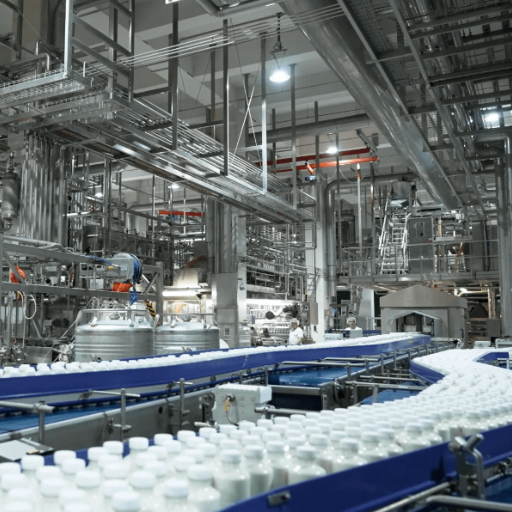
Machinery in modern production lines plays an essential role, especially in the food industry where efficiency, precision, and safety are the highest priority. There is no doubt that sophisticated equipment not only guarantees the sameness of quality but also packs the production volume to the maximal extent and at the same time decreases the manual labor, which in the end, leads to the enhancement of productivity.
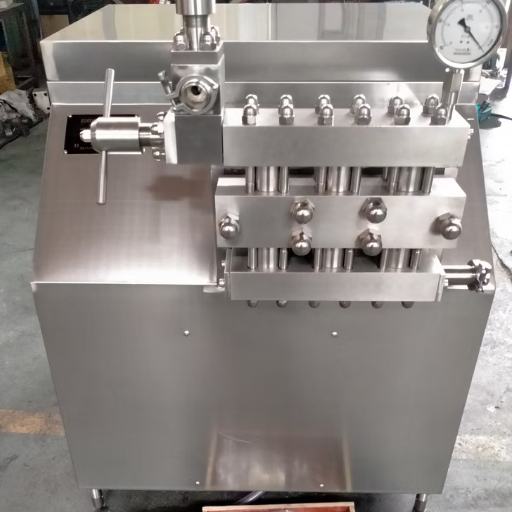
For instance, automated homogenizers and pasteurizers are the very machines that are processing fruit pulp into smooth, high-quality sauces while nutritional integrity remains intact. The packing and sealing machines being the most advanced ones do the very precise work of packaging that the products receive cleanliness and shelf-stability standards. The consumer has become more aware of their surroundings and is by all means seeking sustainable and eco-friendly manufacturing practices, thus pushing the companies to invest in energy-efficient machines.
Understanding Fruit Pulp and Its Applications
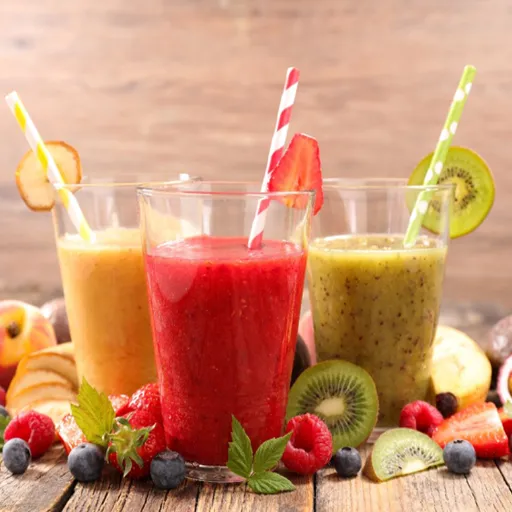
Types of Fruit Pulp Used in Sauces
The use of fruit pulp in sauces is a major factor determining the sauce flavor, texture, and nutritional value. Popularly used fruit pulps are tomato, mango, apple, and guava which all provide a part of their characteristic to the final product.
📊 Market Trend
There has been a rise in demand for specialized and healthier sauces incorporating fruit pulp which is naturally flavored and has few additives. The adherence of consumers to sauces that are both delicious and eco-friendly has provided manufacturers the chance to combine sustainability with the multifunctional nature of fruit pulp.
Benefits of Using Puree in Food Processing
Using puree in food processing is a practical approach that provides a greater variety of benefits which correspond to the current consumer preferences and industry requirements. Purees prepared from fruits or vegetables provide a natural base for sauces, soups, smoothies, and baked goods allowing manufacturers to cater the increasing number of health-conscious consumers who prefer bean-free, additive-free products.
🌱 Nutritional Advantage
Purees help retain nutrients, flavor, and color of ingredients, making them ideal for health-conscious consumers seeking natural products.
♻️ Sustainability Impact
Incorporating purees helps reduce food waste by utilizing fruits and vegetables that don’t meet aesthetic standards but are perfectly safe.
📈 Consumer Demand
Sharp increase in searches for “sustainable food” and “natural flavors” indicates growing consumer preference for eco-friendly solutions.
Quality Standards for Fruit Pulp
Setting the highest quality standards for fruit pulp is a necessity if companies want to achieve both consumer satisfaction and sustainability purposes fulfillment. The fruit pulp must be unpolluted, obtained from the best fruits, and processed in clean rooms at all times to retain nutrients and flavors just as they are in nature.
✓ Critical Quality Factors
- Product freshness and purity
- Absence of artificial additives
- Compliance with food safety regulations
- Transparent sourcing practices
- Waste reduction strategies
- Eco-friendly production methods
The Production Line: Steps Involved
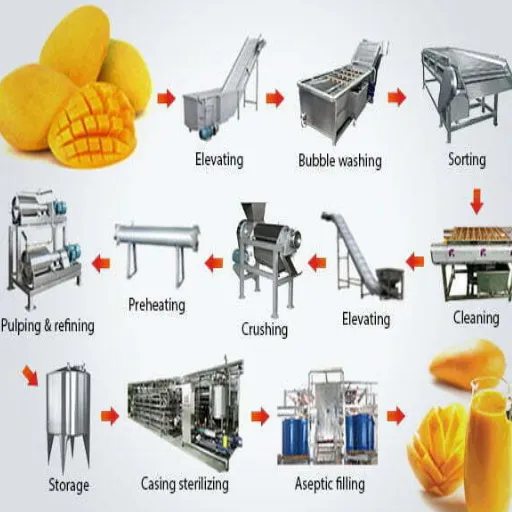
Setting Up the Production Line
In order to make a production line for fruit pulp that works with fruits and vegetables, the first important steps must be taken and these must be based on modern data and consumer preferences. The first and foremost thing is to get the fruits that are of the best quality and are grown in a sustainable way.
🔍 Consumer Priorities
Recent search trends reveal consumers are highly interested in “organic fruit pulp,” “plastic-free packaging,” and “low-carbon manufacturing,” urging manufacturers to adopt eco-friendly solutions alongside efficient production processes.
Production Line Setup: Step-by-Step Process
- Sourcing: Acquire high-quality fruits grown through sustainable practices
- Washing & Sorting: Implement automated systems to ensure only the best fruits proceed to processing
- Pulp Extraction: Use modern technology to maximize efficiency without compromising quality
- Pasteurization: Apply carefully controlled heat treatment to maximize nutrient retention
- Packaging: Utilize biodegradable or reusable materials aligned with environmental priorities
Key Machinery for Processing Line
The proper selection of machinery is the cornerstone for an efficient processing line and the production of both the best quality and the highest quantity. Among the major instruments are automatic sorting systems, which guarantee the product is of the same size and quality, precision cutters and choppers for keeping the size consistent, and vacuum packers for making the product last longer and at the same time being fresh.
| Equipment Type | Primary Function | Key Features |
|---|---|---|
| Automatic Sorting Systems | Quality control & uniformity | Ensures consistent size and quality |
| Precision Cutters & Choppers | Size standardization | Maintains consistent dimensions |
| Vacuum Packers | Preservation & freshness | Extends shelf life significantly |
| Steam Blanchers | Nutrient retention | Preserves nutritional value |
| Pasteurizers | Microbial elimination | Ensures food safety standards |
🤖 Smart Technology Integration
Machines with IoT (Internet of Things) features enable real-time monitoring and data collection, helping producers discover inefficiencies and rectify processes instantly. The demand for environmentally-friendly solutions is increasing, including machinery that lowers energy use and allows for easy switching to sustainable packaging.
Automation in Sauce Manufacturing Processes
Manufacturing of sauce has been automated and this has been a major factor for the efficiency of production and the uniformity of the product. The production systems that are modern and automated use advanced robotics, AI-controlled systems, and machine learning algorithms for making every stage of manufacturing succinct—this includes ingredient measurement to the final packaging. These technologies considerably minimize human error and variability thus giving a guarantee of uniform taste and quality.
❓ Common Question: How Does Automation Improve Quality Assurance?
Answer: Automation improves quality assurance through real-time monitoring and control systems equipped with sensors. These systems detect any inconsistencies or variations in ingredients, cooking times, or temperatures, enabling immediate corrections. Moreover, automated data logging ensures complete production process history, making traceability and compliance with stringent safety regulations possible. This marriage of speed and responsibility places automated manufacturing as a must-have solution for the contemporary food industry.
Streamlining the Sauce Production Process
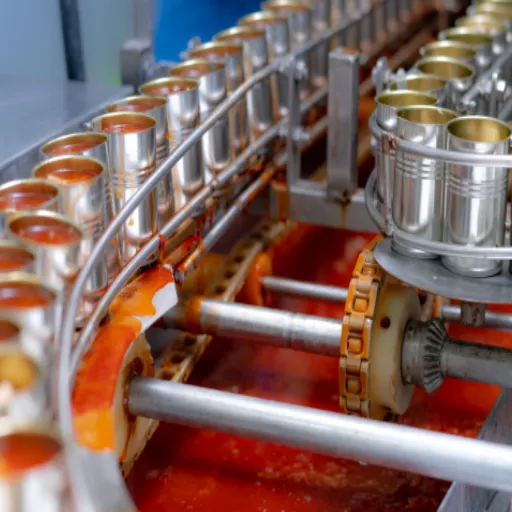
Best Practices for Efficient Production
The efficient sauce production depends on technology and following best practices. One of the main methods is the use of automated monitoring systems that show the production metrics of temperature, viscosity, and flow rate in real-time. Human error is minimized, and at the same time swifter responses to problems, even their quick detection, are enabled, which leads to less downtime and less waste.
✓ Production Efficiency Checklist
- Implement Automated Monitoring: Track temperature, viscosity, and flow rate in real-time
- Analyze Production Data: Review data regularly to identify trends and improvement areas
- Integrate AI & Machine Learning: Optimize batching schedules, ingredient ratios, and energy consumption
- Maintain Strict Sanitation: Follow rigorous sanitation protocols consistently
- Train Workers Properly: Ensure staff understands equipment and quality standards
- Leverage Data-Driven Solutions: Use insights to maintain competitiveness and agility
Utilizing IoT Technologies in Food Processing
The introduction of IoT (Internet of Things) devices in food processing has changed the way manufacturers view efficiency, quality, and safety. Through the use of IoT-enabled devices and sensors, manufacturers can have critical data such as temperature, humidity, and production line speed constantly monitored, allowing a quick reaction if there is a deviation from certain parameters, thus preventing waste or rework.
📊 Real-Time Monitoring
Continuous tracking of temperature, humidity, and production speed enables immediate response to deviations, preventing waste and quality issues.
🎯 Market Insights
Data analytics inform manufacturers about consumer preferences, trending flavors, and market demands through analysis of search patterns.
🔄 Predictive Analytics
Machine learning predicts ingredient needs, reducing dependency on unpredictable markets and enabling proactive decision-making.
Challenges and Solutions in Sauce Manufacturing
By being proactive in their efforts, manufacturers can address environmental demands while ensuring consumer expectations are met through the infusion of modern technologies and data-driven approaches that enhance efficiency, quality, and sustainability.
Case Studies of Successful Sauce Manufacturers
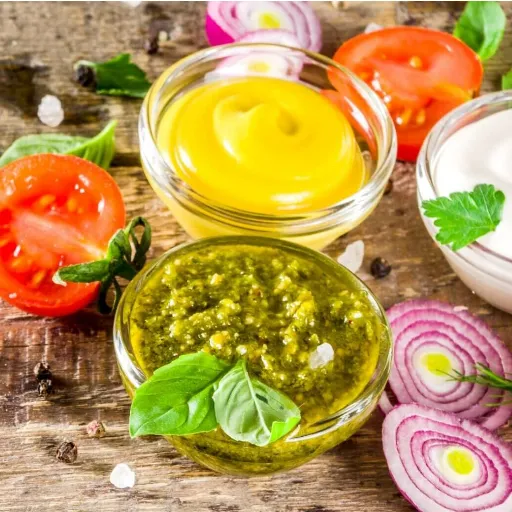
Utilization of Fruit Pulp: Innovative Methods
The utilization of fruit pulp has undergone significant and public innovations, chief among them being the processing of fruit pulp waste into creative and value-added products. For instance, the use of fruit pulp in the manufacturing process of natural sweeteners, powders rich in dietary fiber, and even vegan dairy are some of the current applications in the food industry.
🌟 Innovation Spotlight: Value-Added Products
- Natural Sweeteners: Converting fruit pulp waste into healthy sugar alternatives
- Dietary Fiber Powders: Processing pulp into nutritional supplements
- Vegan Dairy Alternatives: Creating plant-based products from fruit pulp
Furthermore, the application of data science techniques has enhanced the production process, which in turn made it easier for the manufacturers to make accurate changes in consumer preferences and to come up with the ideas of recipes that use fruit pulp in a very good manner. By using the knowledge gained from search engine trends, for example the increasing interest in organic and minimally processed foods, companies can create their products that are just right for the changing market needs.
🍌 Banana Pulp
Increasing use in gluten-free baking applications
🍊 Citrus Pulp
Valued for antioxidants and nutritional benefits
Industry Players and Their Lessons Learned
The leaders of the business world tell us the importance of being one step ahead all the time through making use of the insights gained from data and through being in line with the consumers’ values. One of the most important lessons learnt is that it is advantageous to incorporate sustainability into the production processes, as this not only contributes to the reduction of waste but also helps to attract the customers who mind the environment.
📚 Key Industry Lessons
- Sustainability Integration: Incorporating eco-friendly practices reduces waste and attracts environmentally-conscious consumers
- Market Niche Targeting: Success in specialized markets like gluten-free and functional foods through strategic product positioning
- Data-Driven Adaptation: Using search data and consumer insights to quickly identify and respond to behavioral changes
- Transparency First: Building stronger customer relationships through honest sourcing and production practices
- Innovation Focus: Continuous product development aligned with health-consciousness trends
💡 Strategic Insight
Companies that focus on the principles of transparency, sustainability, and health-consciousness will not only secure a stronger relationship with their customer base but will also be able to take advantage of the market opportunities that are being created.
Sauce Production Trends of the Future
According to the most recent data from search engines, the food industry is increasingly being influenced by healthier and more sustainable consumer choices. People are looking for low-sugar, low-sodium sauces that health-conscious individuals can use – this is what the searches suggest. The trend towards plant-based and allergen-free products is also a sign that the food production industry is moving toward inclusivity.
🚀 Future Production Trends
🌿
Plant-Based Formulations
Innovative vegan alternatives
🔬
Fermentation Processes
Enhanced flavor & nutrition
⭐
Superfood Ingredients
Novel nutritional additions
🛡️
Allergen-Free Options
Inclusive product development
Companies that utilize data as a guide to their product development will most probably take the lead in the industry concerning these changing demands. Developments in plant-based formulations, fermentation processes, and the introduction of novel superfood ingredients can help in the health aspect while producing bold and real flavors at the same time.
Frequently Asked Questions (FAQ)
❓ What are the steps involved in the sauce manufacturing process?
The sauce manufacturing process usually involves several key stages such as fruit processing, homogenization, and pasteurization. Initially, the selection of raw materials and their preparation take place, then the mixture is cooked in batch cookers to get the desired safety and quality. Then the mix is homogenized to be guaranteed the same texture. The next steps are cooling and filling the sauce into containers. The filling machines that can fill different sizes of containers carry out the filling. Finally, the products are subjected to quality inspections in accordance with HACCP rules and regulations before being labeled and packed for distribution.
❓ How does automation streamline the fruit pulp production process?
Automation plays a major role in the fruit pulp production process as it cuts down manual labor and production cost considerably at the same time. The machines that are set up automatically, for example, the filling and capping machines, are much quicker than the conventional methods. Furthermore, integrating IoT technology in the fruit pulp production process can ensure that the machine controlling the temperature of the fruit pulp is working properly. This not only extends the product’s life but also keeps it safe and of good quality by reducing the chances of harmful fungi and bacteria. Therefore, manufacturers can have a greater share of the market and be more flexible in their global operations if they adopt automation.
❓ What important equipment is needed for vegetable sauce production?
Batch cookers, homogenizers, and filling machines are among the main devices needed for vegetable sauce production. Batch cookers make it possible to have control over the exact temperature the sauce is being subjected to, which is key to both pasteurization and trade-off of the sauce properties (the safety of the sauce, for instance). The use of homogenizers is for the grinding of the solids and thus it makes the sauce smooth and this enhances the final product’s quality. On the other hand, filling machines are required for the efficient transfer of the sauce into the containers while still maintaining the accuracy of the fill levels. Besides that, labeling and capping machines are also needed since the packaging done for the finished product is meeting industry standards and at the same time, maximizes efficiency.
❓ How can manufacturers ensure the long shelf life of fruit pulp products?
If manufacturers want to achieve long shelf life for fruit pulp products, they should use proper techniques in processing and packaging as the main focus area. Using aseptic processing is very crucial since it gets rid of microorganisms that cause spoilage hence extending the product’s shelf stability. Also, the addition of the right preservatives and the enforcement of strict storage conditions will go a long way in making the product last longer. Controlling temperature during processing and storage is also very important to avoid spoilage. Lastly, allowing the implementation of HACCP principles all through the production line helps in identifying and eliminating the risk at the control points that can result in the product being compromised in terms of quality and shelf life.
❓ What are the benefits of using fruit purees instead of whole fruits in sauce production?
The use of fruit purees in sauce production has a number of advantages, particularly in terms of efficiency and consistency. Fruit purees require less processing, and their texture can be adjusted through homogenization without extensive cutting or chopping, which can be time consuming. The advantages of this include a more streamlined production process as well as a reduction in labor costs. Furthermore, due to the concentrated nature of purees, they can sometimes impart a stronger flavor that, in turn, makes the sauce’s overall taste better. The extended shelf life offered by this procedure is another major plus since puree fruits contain less water than whole fruits thus the chances of spoilage are reduced and the usability of processed food products is prolonged.
Conclusion
The fruit pulp and vegetable sauce production industry stands at an exciting crossroads where traditional food manufacturing meets cutting-edge technology and sustainability practices. As consumer demands continue to evolve toward healthier, more transparent, and environmentally responsible products, manufacturers must adapt their production lines to meet these expectations while maintaining efficiency and profitability.
Success in this industry requires a holistic approach that combines quality raw materials, advanced machinery with IoT capabilities, automated systems for consistency, and a commitment to sustainable practices. By implementing the strategies, technologies, and best practices outlined in this guide, manufacturers can position themselves to thrive in an increasingly competitive and conscientious marketplace.
🎯 Key Takeaways
- Invest in modern, IoT-enabled machinery to ensure quality consistency and operational efficiency
- Prioritize sustainability through eco-friendly packaging, waste reduction, and energy-efficient processes
- Leverage data analytics and consumer insights to guide product development and innovation
- Implement robust quality control measures and HACCP principles throughout the production line
- Stay ahead of market trends by focusing on health-conscious, plant-based, and allergen-free formulations
- Embrace automation to minimize human error, reduce costs, and scale production effectively
📚 Reference Sources
- Oregon State University – Fruit and Vegetable By-Products: Processing and production line considerations
- Read more here
- Advances in Food Technology (Academia.edu) – Use of fruit and vegetable pulp in sauces and chutneys
- Read more here
- Department of Postharvest Management (Academia.edu) – Detailed processing steps for fruits and vegetables including pulp production
- Read more here

GW
Articles: 39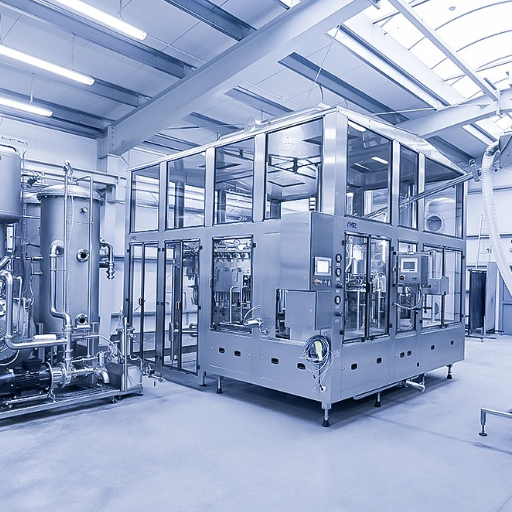
Trending now