Get in touch with Victorystar

Water Filling Machine Technology: How It Revolutionizes Modern Beverage Production

Contents
show
The beverage industry is in the middle of a technological transformation, while water filling machine technology is on that axis of transformation. These cutting-edge machines are not merely machines; rather, they form the infrastructure for beverage production that is efficient, sustainable, and of high quality. The water filling machines are designed with speed, accuracy, and flexibility to meet the increasing requirements of the modern consumer and the manufacturer. This article will look into how the beverage production process has been changed by such modern technologies and how they promote operational efficiency, reduce waste, and aid in ensuring product consistency. From the state-of-the-art engineering behind these machines to their operational capacity enabling sustainability and profitability, this article will shed light on how they have become worthy of being called game changers for manufacturers wishing to remain competitive in a fast-paced market.
Understanding Water Filling Machines

What is a Water Filling Machine?
Water filling machines are very specialized machinery designed to fill bottles, jars, or almost any type of container with water or any other liquid in an efficient manner. These modern water filling machines have become an essential link in beverage making lines and thus have been designed to internationally accepted levels of hygiene, precision, and speed. Based on automated processes, the filling volume is accurately kept with the aim of reducing wastage; however, the machines will work to distribute with high consistency in large-scale production.
Many water-filling machines come with features like adjustable filling heads, touch-screen control systems, and automatic cleaning, thereby assisting in the ease of operations. They stand as flexible solutions for manufacturers depending on the size and material of the containers needed to be filled. Moreover, the modern ones employ some smart technologies for real-time monitoring and predictive maintenance so as to ensure energy-efficient operation of the process from bottling onward through productivity and sustainability.
Types of Water Filling Machines
Water filling machines come in various types, each designed to meet specific production requirements and operational needs. Among the most common types are:
Gravity Filling Machines
Filling machines by gravity find application for thin and non-carbonated liquids such as water. The wind of gravity always works against this filling machine to fill it to the brim with containers. These machines are favored for elementary operation, ease of maintenance, and low-cost production, mostly for small-to-medium scale production operations.
Piston Filling Machines
These fillers operate on the principle of a piston. Universal in nature, they accommodate liquids thin water and juices or even the thick kind. Giving accurate filling results, they also greatly minimize product wastage.
Rotary Filling Machines
Rotary fillers are designed for high-speed production environments, typically handling larger volumes. These machines use a continuous motion process, offering efficient filling capabilities for uniform, high-output operations. Their advanced automation and precision make them a popular choice for large-scale water bottling facilities.
Vacuum Filling Machines
The vacuum fillers are so named as they operate under a vacuum condition. A vacuum condition is created inside the container to draw the liquid into it. Since glass is a breakable material whose handling requires consideration, these machines are used with glass bottles to prevent spilling and maintain the appropriate fill level. Though perceived to be used only for the best of liquors, water bottling also needs a vacuum filler when fill consistency is critical.
Aseptic Filling Machines
Aseptic filling machines focus on maintaining sterility throughout the bottling process, making them ideal for bottled water brands that prioritize hygiene and extended shelf life. Incorporating advanced technology to prevent contamination, these machines are crucial in meeting strict health and safety standards.
By understanding the various types of water filling machines, manufacturers can select the most suitable solution for their production needs, ensuring efficiency, accuracy, and product quality.
Key Components of a Water Filling Machine
Filling Valves
The filling valves are at the core of the water filling machine, designed to regulate the flow of liquid into bottles with precision. These valves are often engineered for high-speed operation and are equipped with sensors to monitor liquid levels, ensuring consistent fill volumes without wastage.
Conveyor System
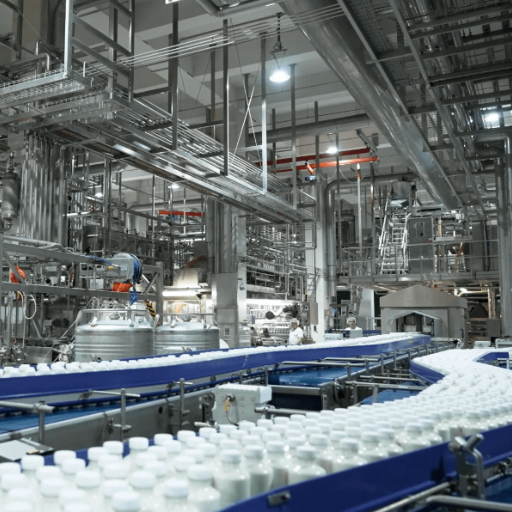
The conveyor system facilitates the smooth movement of bottles through the various stages of the filling process. Durable and adjustable, these systems support different bottle sizes and maintain synchronization with the machine’s filling speed to prevent bottlenecks or disruptions.
Capping Mechanism
The capping mechanism applies caps securely to bottles after filling. Equipped with advanced torque control, this component ensures that caps are fastened correctly, preventing leaks while maintaining an airtight seal for longer shelf life.
Rinsing Station
Integrated rinsing stations are critical for maintaining hygiene by cleansing bottles before filling. These stations rely on purified water or sterile solutions to remove debris or contaminants, complying with health and safety standards in the production process.
Control Panel
Modern water filling machines are operated through a centralized control panel that provides a user-friendly interface for monitoring and adjusting production parameters. Featuring touchscreens and real-time data insights, these panels simplify operation and enhance overall efficiency.
Sensors and Quality Inspection Units
Advanced sensors and inspection units are incorporated to ensure quality assurance throughout the process. These components detect defects in bottles, improper filling levels, or incorrect cap placement, allowing immediate corrective action to maintain product quality.
Each component works in harmony to maximize efficiency, deliver high-level hygiene assurance, and meet the rigorous demands of water filling line operations in modern production facilities.
The Process of Water Bottling
How Water Filling Works
Bottles are prepared using an elaborate sanitization and sterilization procedure to ensure the fulfillment of stringent hygiene standards. The bottles then proceed to the filling section, where modern technology dispenses an exact quantity of water into each bottle. Advanced sensors watch over the flow rate and filling levels to avoid wastage and to ensure all bottles are filled in the exact same way.
The filled bottles now proceed toward capping, wherein automated equipment accurately fits/display caps. Upon capping, inspection units perform quality checks that may include detection of seal integrity, non-conformances upon closure, and confirmation of entire product compliance. Labeling and packaging stations mark pertinent product information onto the bottles before finally dispatching the bottles. Such innovative technologies-based steps simplify production, which would otherwise correlate with the safety and quality of the water supply.
Importance of Quality Control in Bottling
In the bottling industry, quality control is extremely important to ensure that products are safe and issues with the brand reputation and regulations do not arise. Strict checks are done at every phase of production so that issues can be considered and solved before reaching customers. For example, today’s quality control technologies inspect on seal integrity in an automated way, filling with high volumes to avoid contamination, and deployment of optical sensors to check for any defectetic packaging. These methods not only give a boost to efficiency but reduce waste and chances of product recall, thereby saving time and money for the companies. On the other hand, continuous quality checks build customer trust, which is incredibly important in markets competing for an increase in demand for transparency and sustainable practices.
Steps in the Water Bottling Process
The water bottling process involves a series of precise and systematic steps designed to ensure safety, efficiency, and quality. Below is an overview of these key stages:
1. Water Sourcing and Treatment
Water is collected from natural springs, wells, or municipal systems at the onset of the process. It is then treated through processes of advanced filtration, which may include reverse osmosis, UV sterilization, or activated carbon filtration, to purge it of impurities and get it to the highest stringent quality standards. This is the step that guarantees the water is fit for drinking while retaining its natural taste.
2. Filling and Bottling
The treated water goes to bottling lines with automated precision machines. The bottles, which are generally pre-sterilized to ensure hygiene, are filled carefully to avoid spilling and contamination. Precise measurements are done by very efficient machinery for the sake of uniformity of all bottles.
3. Capping and Sealing
Once filled, bottles are capped using tamper-proof and leak-resistant closures. Sealing mechanisms are inspected to ensure every bottle maintains its integrity during storage and transportation.
4. Labeling and Coding
Each bottle is labeled with critical information such as brand, batch number, nutritional details, and expiration dates. Modern technologies like laser engraving or inkjet printing are often used for high-precision coding.
5. Quality Inspection
Before distribution, bottles undergo thorough quality checks. This includes optical sensor inspections for packaging defects, weight verification, and microbiological testing to confirm the absence of contaminants.
6. Packaging and Distribution
Bottles are grouped into standardized packs, wrapped for protection, and loaded onto pallets for transport. Logistics systems ensure efficient distribution to retailers, ensuring the product reaches customers in its optimal condition.
With these streamlined stages supported by innovative technological advancements, the water bottling process delivers products that meet both regulatory and consumer expectations for quality and consistency.
Advantages of Automatic Bottle Filling Machines
Efficiency and Speed in Production
Automatic bottle filling machines provide for growth in efficiency and speed in the manufacturing line. With precision, the machines operate on big production rate, thereby minimizing limits of downtime and human error. Technological advancement puts the machines in an ever-constant state of performance, with capabilities rising up to handling different sizes of bottles and product types. Accordingly, they fill thousands of bottles per hour, increasing output whilst they maintain exact measurement of liquid in the bottles. Streamlined workflows reduce production bottlenecks, thus allowing manufacturers to meet growing demand from the consumer base in time while maintaining quality. The resulting synergy of speed and dependability gives businesses leverage to compete in a fast-paced market!
Cost Savings and Labor Reduction
Production automation speeds processes while making operational costs cheap, thus advanced automation drives down operational costs. Less manual labor is required, thereby allowing humans to put their intelligence to more strategic and value-added undertakings. High-precision systems lead to less wastage of materials in production processes, wherein the cost of these materials figures in at the very least, thus decreasing operating costs. Energy-saving automated workflows also alleviate utility costs by wasting less on utilities. With fewer error occurrences and downtimes, businesses increase their return on investment, suggesting that modernization in automation is directly geared toward fostering economic efficiency and operational efficiencies.
Enhanced Precision in Filling
Modern filling systems boast technical marvels that assure precision at every stage of the filling process. They use high-grade sensors and PLCs to choose whether to adapt or not to changing conditions in real-time, level being given to the accurate filling even at high-speed operations. This control guarantees not only product quality and uniformity but also compliance with the strictest industry standards. Moreover, companies can use data analytics for constant monitoring and adjustment so that they can counter inefficiencies and streamline their workflows before either becomes a crippling factor. Hence, with appropriate implementation of these high-end tools, organizations can achieve a perfect balance between productivity and precision, ensuring a good solid bed for sustainable development.
Key Advantages of Automatic Filling Machines
| Advantage | Description | Impact |
|---|---|---|
| High Efficiency | Processes thousands of bottles per hour | Dramatically increased production output |
| Cost Reduction | Minimizes labor and material waste | Lower operational expenses and higher ROI |
| Precision Filling | Advanced sensors and PLC control | Consistent quality and regulatory compliance |
| Reduced Downtime | Automated monitoring and predictive maintenance | Continuous production with minimal interruptions |
Choosing the Right Water Bottling Equipment
Factors to Consider When Selecting a Filler Machine
Choosing the right filler machine is a critical decision that impacts production efficiency, product quality, and overall operational costs. To make an informed selection, several key factors must be evaluated:
Production Capacity Requirements
Understanding your production volume is essential. Select a machine that can handle peak operational demands without causing bottlenecks or downtime. Overestimating or underestimating capacity can lead to inefficiencies or higher costs.
Product Compatibility
The filler machine must be compatible with the viscosity, composition, and consistency of the product being bottled. Whether handling liquids, semi-liquids, or more viscous substances, ensuring the machine’s adaptability to the product type is vital.
Accuracy and Precision
High-level filling precision minimizes overfills and underfills, reducing product waste and ensuring compliance with fill weight or volume regulations. This is particularly critical for industries with strict measurement standards.
Material Durability and Compliance
Machines made from high-grade, corrosion-resistant materials contribute to longevity and reliability. Additionally, ensure the equipment meets relevant industry standards and regulatory compliance, especially for food, beverage, and pharmaceutical applications.
Automation Level and Integration Potential
Evaluate whether a manual, semi-automatic, or fully automatic filler machine is the best fit for your workload. Modern filler machines should also integrate seamlessly with existing equipment, such as conveyors or capping systems, to streamline the production line.
Maintenance and Support
Opt for machines with straightforward maintenance requirements and access to reliable technical support. Downtime can be costly, so having access to spare parts and service is invaluable.
Cost Analysis and ROI
While initial costs are important, consider the long-term return on investment (ROI). A higher upfront investment can often save costs over time with increased efficiency, lower maintenance needs, and reduced waste.
By carefully assessing these factors, businesses can ensure the selected filler machine aligns with both current demands and future growth objectives, optimizing operation performance while maintaining product consistency.
Stainless Steel vs. Other Materials in Bottling Equipment
Stainless steel is used as the standard material in the bottling industry due to its incredible durability and resistance to corrosion. Making maintenance easy, stainless steel also plas an advantage in cases in which purity of the product must be guaranteed, as in food, beverage, and pharmaceutical industries. Being non-reactive, the bottling of sensitive products has to be done in such a way that the properties and taste of the product do not get compromised.
Household and commercial steel has a really long life and needs replacement less often than other materials. Although the initial cost is grimly high, it is durable enough that the wear and tear from any future repairs may never supplement its very cost. If you are an industry with sanitation emphasis, you would hardly find anything cleaner than stainless steel with a smooth, non-porous finish that inhibits bacteria and eases cleaning.
Meanwhile, different materials like plastic or coated metals are definitely lighter and cheaper, at least at the time of purchase. But, they hardly offer the same type of long-term benefit. These materials easily fall prey to damages, corrosion, or contamination, and on the long run, it might become more expensive for a business to maintain due to operational costs and compliance impediments. Therefore, stainless steel is the safest choice in bottling equipment for businesses concerned with reliability, hygiene, and efficiency, considering their present and future scalability needs.
Material Comparison: Stainless Steel vs. Alternatives
| Feature | Stainless Steel | Alternative Materials |
|---|---|---|
| Durability | Excellent – Long-lasting with minimal wear | Variable – More prone to damage over time |
| Corrosion Resistance | Superior – Highly resistant to chemicals | Limited – Susceptible to corrosion |
| Hygiene Standards | Excellent – Non-porous, easy to clean | Moderate – May harbor bacteria |
| Initial Cost | Higher upfront investment | Lower initial cost |
| Long-term Value | Superior ROI with lower lifecycle costs | Higher long-term costs due to replacement |
| Product Integrity | Maintains taste and quality | May affect product characteristics |
Future Trends in Water Filling Technology
Innovations in Filling Systems
In thinking about the most recent technological enhancements in filling systems, I observe an incredible evolution of the sector to meet demands for efficiency, sustainability, and precision. Among the most exciting of these developments is the establishment of smart systems with IoT technology. These kinds of technologies allow for the real-time monitoring and collection of data throughout the entire filling process to ensure that every step of this process is optimized for speed and accuracy. For instance, IoT-enabled sensors can point out irregularities regarding the operation of the machine or have detected a potential problem, such that the system would be immediately adjusted to avoid any downtime or wastage of resources. Such automation improves productivity and looks in tandem with sustainability goals of the modern times, as the less material is wasted and less energy consumed.
Besides, a step in the four-fill process is what I consider equally fascinating-a step involving an enhanced system for volulmetric and gravimetric filling. Yet while both kinds focus on precision, the changes have enabled companies to manipulate larger categories of liquid viscosities and container shapes. For the volumetric systems, these systems are designed to deliver exact portions with very little or no spillage, which is extremely valuable for industries that require application or portion control such as the pharmaceutical or specialty beverage sectors. Conversely, gravimetric systems have recently been favored because they weigh liquids during filling, thereby guaranteeing the greatest accuracy, irrespective of low or high viscosity.
Looking into the future, I envision the industry continuously pushing the boundaries of automation by integrating artificial intelligence. Predictive algorithms already forecast a maintenance need, and soon, the systems will monitor filling speeds and efficiency and adjust themselves as per the demand argument in real time. The AI-enabled operational upending also complements current trends toward sustainable material makeup and energy-efficient machinery. For example, newer filling systems sometimes use recyclable or biodegradable materials in their construction and low-energy vacuum filling systems are gaining rapid adoption. Such developments therefore paint the inspiring picture of a new generation of smart and green filling machines evolving into an answer to new challenges faced by the industry.
Emerging Technologies in Water Filling
🌐
IoT Integration
Real-time monitoring and data collection for optimized performance
🤖
AI-Powered Systems
Predictive maintenance and automated optimization based on demand
⚖️
Advanced Precision Systems
Improved volumetric and gravimetric systems for all viscosity ranges
♻️
Sustainable Materials
Recyclable construction materials and energy-efficient operations
Impact of Automation on Water Bottling
In my view, automation has brought about various remarkable transformations in the water bottling industry, each process becoming faster, efficient, and highly precise. The latest automated systems are capable of manufacturing bottles, filling, and labeling them; they also have capping and quality control over bottled water. Such a combination of technologies reduces manual labor and greatly increases the speed of mass production so that companies can keep up with demand and yet maintain quality for investment. For example, fully-automated bottling lines of today can process thousands of bottles per hour; hence, businesses are able to meet the requirements of market consumption.
Furthermore, these processes include Sales Orders, Billing, Customer Master Data, and materials-related activities. Automated processes with SAP, either supported by RPA or entirely automated, for instance, include: Sales processing, billing, and payments; handling requests related to customer master data; handling inbound goods movements; transfer ordering; and handling invoice receipts.
Another complication was the interplay of automation with sustainability efforts. The automated systems are thus currently intended to consume less energy, use less water, and favor the use of environmentally friendly materials. For instance, robotic systems require fewer resources to operate and can be one of the building blocks in recyclable packaging innovations that lower their overall carbon footprint. From the broad perspective, automation implementation takes the lead in improvement, and companies that still practice it in manufacturing are seen as forebearers in sustainable and responsible manufacturing in such a dynamic and competitive industry landscape.
Sustainability and Eco-Friendly Practices
From my perspective, sustainability and eco-friendly practices are no longer optional for companies trying to stay afloat in today’s ever-evolving industrial setup. Green initiatives help the environment, operations, and the brand image. The next step lies in automation systems. Automated production lines could use energy on a near-waste-free basis during their most efficient period of operation. Furthermore, these systems could also integrate some real-time data so that their energy consumption could be optimally adjusted to demand, thus limiting any excess use.
Aside from managing resources, companies are now concentrating on selecting recyclable and biodegradable materials during production processes. By marrying automation with decisions on sustainability, companies can drastically reduce emissions and contribute to a circular economy. For example, robotics can be used for precise handling of materials, which reduces waste during manufacturing. Hence, resources are saved and at the same time, this supports international sustainability programs such as lowering greenhouse gas emissions and promoting responsible use of resources.
In short, sustainability paired with innovation makes a win-win–allowing organizations to meet modern expectations for ethical manufacture while also fostering genuine cost benefits in the long run. Companies that are willing to lead and follow through with eco-friendly practices position themselves as forward-thinking, socially responsible entities ready to thrive in a competitive and environmentally-aware market.
Sustainability Benefits of Modern Water Filling Technology
Energy Efficiency
Optimized automated systems reduce energy consumption and minimize carbon footprint
Waste Reduction
Precise filling and material handling minimize product and packaging waste
Recyclable Materials
Integration of biodegradable and recyclable materials in production
Water Conservation
Automated systems reduce water wastage throughout the bottling process
Reference Sources
Bottled Water Filling Machine Filling Techniques – Discusses various filling techniques like timed flow, piston, and metered flow used in water filling machines.
What Is a Water Filling Machine and Its Working Process – Explains the working process and benefits of water filling machines in modern factories.
What is the Working Principle of 3 in 1 Water Filling Machine? – Highlights the integrated rinsing, filling, and capping processes in 3-in-1 water filling machines.
Carbonated Soft Drink Archives – FLSM – Features automatic water filling machines for carbonated and soda beverages.
Revolutionizing the Beverage Industry: The Role of Water and Beverage Filling Machines – Explores how water filling machines streamline production and enhance product quality in the beverage industry.
Frequently Asked Questions (FAQs)
What is a water bottle filling machine?
The water bottle filling machine in the bottling industry is a very specialized set of machineries for filling bottles of various sizes with water. Differently probably, they handle purified water, mineral water, and non-carbonated water. They, basically, are critical equipment for bottling systems to achieve filling operations efficiently and hygienically. Mostly, water bottle filling machines use technology for exact fill volume adjustments, which can be fully automated to increase production. Besides, with an adjustable filling valve and high-speed conveyors, the machine is suitable for a variety of bottling activities.
How do liquid filling machines work?
Liquid filling machines select pumps, nozzles, and filling valves to dispense the desired liquid into the bottles. Machines can be configured, according to the liquid type, from low viscosity to viscous liquids. Most state-of-the-art machines implement volumetric filling so that the fill volumes are exact. In these processes, the conveyor moves empty bottles in place; the liquid filler releases the liquid, after which the bottles are capped and labeled. Depending on the model in use, filling machines can be manual, semi-, or fully automatic.
What are the advantages of using a bottling machine?
Diluting the use of bottling machinery in the production process will serve various purposes: it will increase operational efficiency and reduce costs. These machines will minimize manual labor by automating filling, capping, and labeling functions, thus forming a bottleneck in the fast bottling process. They accommodate contamination-free bottling processes, thus ensuring hygienic water during the filling process. They also accommodate different bottle types and sizes for various products. Moreover, using the water filling machine improves the overall quality of the bottled product by maintaining consistency in fill volume and packaging.
What types of bottles can a water filling machine accommodate?
Filling water machines can allow for greater flexibility in types of bottles to be filled, such as plastic bottles, glass bottles, or steel bottles. The machines are generally designed to fill different sizes of bottles, from small containers of 500 ml to larger containers having multi-liters. For example, being adjusted for round or square bottles as per packaging requirements. In most cases, these machines can be adjusted to fill varying volumes; hence, they are selected for processes large or small. This flexibility becomes a great demand for water bottling companies wanting to diversify into other products.
What features should I look for in a water bottling machine?
Many things go into choosing a water bottle machine that fit best to performance. Such factors include fill-from volume adjustment, which in turn degree is needed for processing different bottle types. Consider the level of automation; if the less manual effort, the greater the efficiency. Also, keep the hygiene factor in mind and go for stainless steel machinery whose components are easy to clean. Equally important is to make sure that the bottling rates measure at bottles per hour correspond to production requirements. Also, they should check whether there would be spare parts and after-sales services from the manufacturer of the machine.
How do I maintain a liquid filling machine?
A proper maintenance of any liquid filling machine creates an environment for long life and efficient service. Regular cleaning is very important, especially for those machines filling water, to avoid contamination. Check the filling valves and nozzles from time to time for optimal operation and accuracy in fill volumes; if not, replace them. Also check for wear and tear on the conveyor system, as its deterioration affects the performance of the filling machine. Lubricate all moving parts as instructed by the manufacturer for smooth operation. Finally, keep a watch on the calibration of the machine; if necessary, make adjustments for best accuracy of filling.

DU
Articles: 45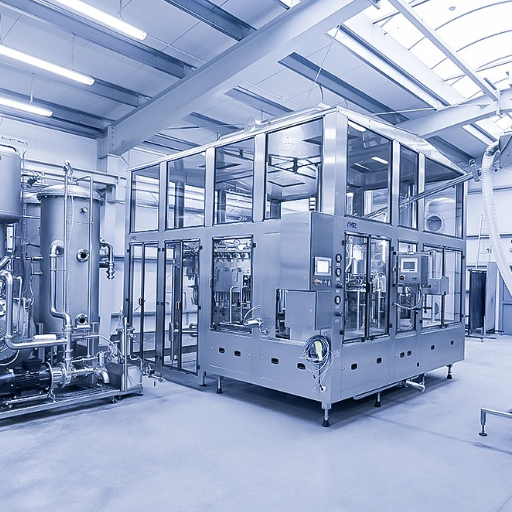
Trending now