Get in touch with Victorystar

What Is the Production Process of Ice Cream? From Ingredients to Packaging

Contents
show
One can consider ice cream as many things: a simple dessert, a treat, or a personality with myriad aromas, compositions, and colors. For instance, when one thinks of gourmet, one immediately imagines something handmade; however, to ice cream, one may think of refined ingredients mixed and manufactured in big tanks followed by packaging. The present article, therefore, attempts to dissect the entire manufacturing process of ice cream, exploring how it goes from raw materials to tubs and cones for us to enjoy. This book gives food lovers, curious readers, and manufacturing enthusiasts alike a glimpse of the main steps and the exquisite care level involved in producing that creamy delight we all cherish.
Understanding Ice Cream Production

The Basics of Ice Cream Ingredients
Ice cream is simply a combination of few essential ingredients, balanced delicately enough in a manner that fits the textural requirements and flavor of the product. The major ingredients considered are milk, cream, sugar, and flavorings; each makes a contribution toward achieving a certain consistency and flavor. Milk and cream afford intermediate fat content for possible creaminess; sugar being a sweetener acts also as a freezing point depressant, keeping the ice cream soft and scoopable at low temperatures.
Going beyond the very basics, modern-day ice cream production usually requires stabilizers and emulsifiers to create texture, prevent the formation of large ice crystals, and to have a good shelf life. Stabilizers like guar gum or carrageenan bind the water molecules and give a more dense, silky feel as a mouthfeel. Meanwhile, emulsifiers such as lecithin will bring the fat and water together so there is no gritty or uneven texture to mar the experience.
From the sublime, classic vanilla to the very modern salts of caramel and salts of caramel, there is plenty of room for creativity in ice cream-making because of flavorings, either natural or artificial. Each ingredient is chosen very carefully not only for the taste it imparts but also for the textural effect it imparts on the product. A knowledge-based outlook on the various ingredients that go into that magic called ice cream tells us that the simple elements, coupled with a lot of innovation and some dexterity, produce a dessert that is loved by all across the globe.
How Ice Cream is Made: An Overview
Ice cream production is a delicate mixture of science and creativity, involving a few steps that must be taken to achieve the desired texture and taste. It begins by preparing the base mixture, milk, cream, sugar, and optional flavoring or stabilizing agents. These ingredients are Agitated thoroughly to obtain a uniform mixture while simultaneously undergoing pasteurization to destroy the bacteria and ensure food safety.
Once the mix is pasteurized, it is subjected to homogenization that breaks and shatters fat molecules, imparting a silky texture. Thereafter, the base must be kept in cooler conditions, aging for several hours, as this develops the flavor and helps freezing. Then the aged mixture is sent either to a batch freezer or to a continuous freezer, where it gets swiftly cooled and aerated. The aeration is an essential ingredient in realizing the desired lightness.
Any items such as fruits, chocolate chips, or cookie chunks included in the recipe must be added during freezing to retain the quality of the inclusions and enable their even distribution within the product. Packaging follows-the ice cream undergoes hardening at low temperatures, locking in its structure and flavor, before distribution. Hence, intelligence goes into production steps to equalize our delight of ice cream, created with endless varieties of flavor profiles and textural experiences for every palate.
Key Steps in the Ice Cream Production Process
With technology, precision, and sustainability driving improvement, the ice cream-making process continues to evolve. Modern technology allows for energy savings and ingredient optimization as expected by consumers. For instance, the automated mixing system can now control temperature and ingredient addition so that large batches are of consistent quality. Likewise, freezing technology advances keep continuous freezers in the loop of achieving an ultra-smooth texture with lesser processing time.
In contrast with monstrous chemical additives, natural stabilizers and emulsifiers serve as one of the major developments to enhance texture and prolong shelf life. Further highlight of environmentally-conscious measures includes switching towards biodegradable packaging material as well as saving water in processing, all heralding a trend of sustainability. With such innovations in place, ice cream makers are able to couple taste with quality and environmental responsibility, both adapting themselves to the old and new tastes.
The Role of Pasteurization in Ice Cream Manufacturing
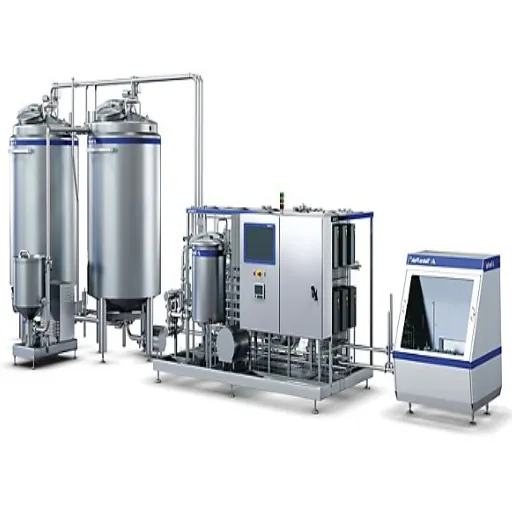
What is Pasteurization?
Pasteurization is a heat-based method used for killing harmful germs, then ensuring that the product is safe and nice quality and safe for consumption-the ice cream making processor in this respect. The mixture is warmed together to a specific temperature for a predetermined time and unexpectedly chilled after, in this stage keeping Salmonella and Listeria bacteria out: their presence in raw dairy cannot be trusted. This process prevents consumers from disease and also improves ice cream texture and taste by providing better ingredient dispersion. Newly developed pasteurization procedures maintain nutrients while ensuring stringent food safety requirements. Therefore, an essential procedure in manufacturing.
Why Pasteurization is Essential for Ice Cream
Several reasons can be given why pasteurization is considered one of the most fundamental steps in making ice cream. First of all, it acts against harmful microorganisms that can jeopardize product safety and endanger the health of a consumer. When the mixture is heated to exact temperatures, this process would suppress the chances of causing foodborne illnesses in people, thus ensuring adherence to stringent food safety norms.
This step guarantees pasteurization and, thus, imparts safety and quality to the produced ice cream. The better the process is undertaken, the better quality of ice cream is guaranteed (Auh and Skads, 1979). Pasteurization also makes the product a little better and prevents spoilage due to the heating process. This process causes the melting of fat crystals, protein particles, and sugar into almost one chilling mixture, which has been said to bring about that smoothness and creamy texture expected by the consumer. Also, they are converted into a better fine-quality texture. Pasteurization also eliminates those microorganisms that would result in the undesirable bacterial growth and thus greatly increase the keeping qualities of the ice cream. It would be impossible to handle and market ice cream on a large scale without pasteurization. With the advancements in technology, there are now several modern pasteurization methods that can preserve the important nutrients and still ensure safety and quality of the product, thus, keeping pasteurization as the backbone to the production of premium ice cream.
The Effects of Pasteurization on Flavor and Texture
Not just a process ensuring the safety of ice cream, pasteurization is a fundamental step for flavor formation and texture development. While one can take away dangerous bacteria and create a purer base for flavor addition, the pasteurization process negatively influences the taste since the microbes create an unwanted smell. It also stabilizes the mix, allowing ingredients like milk protein and sugars to blend evenly for a consistent texture. Therefore, heat treatments are therefore balanced so as not to strip away nutritional properties nor defeat the rich flavor of ice cream, but rather they impart a good taste to it. For example, a perfect match of temperatures and treatment times retains the natural sweetness of the dairy and accords it the creamy, sleek texture that is among the hallmark traits of premium products. Such developments have, therefore, helped to cement pasteurization as a process for refining the quality and taste of ice cream.
Industrial Production of Ice Cream
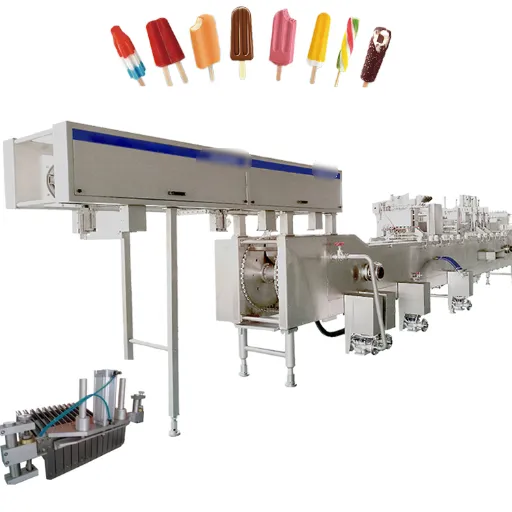
How Ice Cream is Made in a Factory
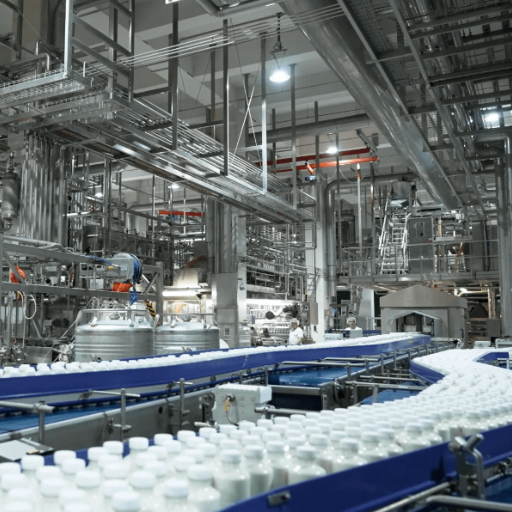
The production of ice cream in a factory involves a carefully coordinated series of steps, designed to ensure consistency, quality, and safety on a large scale. Each phase is optimized to maintain the integrity of ingredients while achieving the signature texture and flavor loved by consumers.
Ingredient Selection and Mixing
High-quality raw materials, such as milk, cream, sugar, and flavorings, are sourced and inspected to meet industry standards. These ingredients are measured precisely and blended in large industrial mixers to create a uniform ice cream base. This ensures consistency in every batch and serves as the foundation for the product’s taste and texture.
Pasteurization and Homogenization
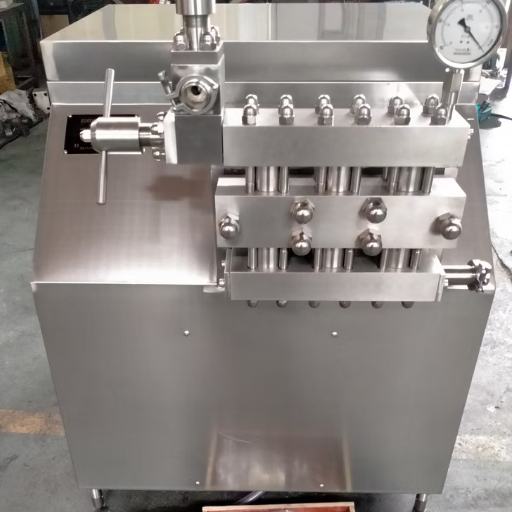
The mixed base is pasteurized by heating it to a specific temperature to eliminate harmful bacteria, enhancing both safety and shelf life. Following this, the liquid base undergoes homogenization, where high pressure is applied to break down fat molecules, ensuring a smoother, creamier final product by preventing fat separation.
Aging the Mixture
Once pasteurized and homogenized, the mixture is cooled and aged in refrigerated tanks for several hours. This step allows the ingredients to bind and the fat to crystallize, leading to improved texture and flavor depth in the finished ice cream.
Flavoring and Freezing
After aging, additional flavorings such as vanilla, chocolate, or fruit purees are blended into the base. The mixture then enters continuous freezers where it is simultaneously aerated and frozen at precise temperatures to achieve the ideal soft, creamy consistency.
Mix-Ins and Packaging
For varieties that include mix-ins like nuts, chocolate chips, or cookie pieces, these are added during the freezing process via automated machines to ensure even distribution. The ice cream is then promptly dispensed into tubs or cartons, meticulously weighed, and sealed to maintain quality.
Hardening
The packaged ice cream undergoes a hardening process in deep freezers set at sub-zero temperatures. This step solidifies the product while preserving its creamy texture, making it ready for transportation and storage.
Quality Control and Distribution
Throughout production, samples are regularly taken to test for taste, consistency, and compliance with food safety standards. Once cleared, the ice cream is transported via cold chain logistics to ensure it reaches supermarkets and retailers in perfect condition.
Modern ice cream production leverages advanced technologies and strict quality control measures to meet consumer demand and evolving preferences. From ingredient selection to final distribution, every step is critical in delivering the premium quality that defines today’s ice cream industry.
Equipment and Technology Used in Ice Cream Manufacturing
Modern ice cream manufacturing employs the best machinery and technology in order to ensure consistent quality and efficiency in every phase of production. Core machinery like pasteurizers and homogenizers yield a smooth and creamy base by evenly mixing the ingredients and removing unwanted particles. Freezers with rapid cooling systems remain the best in quickly freezing the product to attain the texture characteristic of ice cream while preventing the formation of large ice crystals.
Whereas the continuous freezer and mix-flow equipment allow a producer to achieve high production levels without compromising on quality, it can be an excellent bear for large-scale market demand. Automated filling and packaging machines are there to ensure precision and hygienic working conditions, also catering to varied formats such as tubs, cones, or even novelty shapes. From temperature control to ingredient ratios, modern-age monitoring systems with IoT and sensor technologies monitor everything in production, making adherence to bully safety, and quality standards impossible to ignore. Manufacturers have also resorted to using sustainable technologies like energy-efficient equipment and recyclable packaging materials to meet environmental objectives while continuing to produce technically sky-high products in response to changing consumer preferences.
Quality Control in Ice Cream Production
This integration of freelance technology into ice cream quality control has given manufacturers the possibility of working with very precise, very efficient processes in the trade. However, with the help of advanced data analytics systems, production problems are forecasted to reduce unwanted wastage and ensure a certain quality being produced. AI predictive maintenance might check the performance of machines and alert an operator to an impending malfunction before the machine has any downtime.
The automated sampling systems, on the other hand, continue analyzing details like texture, flavor consistency, and color uniformity during very crucial processes in production and releasing feedback to operators instantly. Such technological developments ensure that products meet industry standards while bearing the more subtle expectations of contemporary consumers. Fusing the advantages of traditional methods with modern computer technology, manufacturers now create ice creams that literally woo and please the present-day consumer, who has earned quality, standards, and sustainability in his tastes.
The Freezing Process in Ice Cream Production
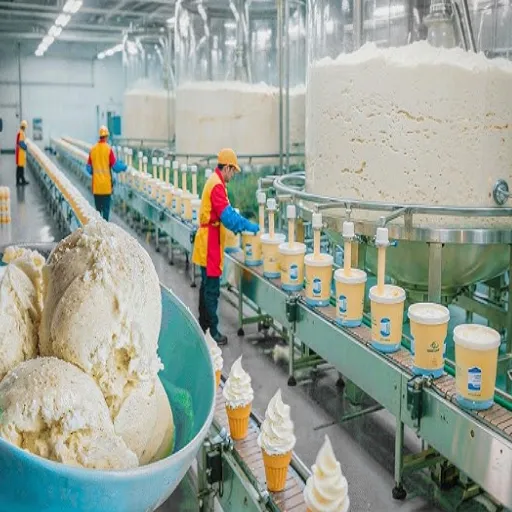
Understanding the Freezing Equipment
When producing ice cream, the modern-freezing equipment ensures the set texture and consistency of the product. These machines function to quickly freeze the ingredients while simultaneously introducing air-air incorporation or overrun-which directly correlates with the creaminess or density of the ice cream. For large-scale productions, continuous freezers are best suited: efficiency is maintained through exact controls of temperature, viscosity, and air content. Among the improvements that have been integrated are automatic devices that observe the woman’s functions critical to concepts so that every batch maintains proper consistency.
Innovations in freezing equipment are improving energy efficiency and sustainability, incorporating improved insulation and reduced refrigerant usage to minimize their impact. Batch freezers give more flexibility in experimenting and artisanal production and are generally used in smaller operations. These units allow producers to test the formulations of their own recipes while still having the same level of quality control awareness as the larger systems. The choice of freezing equipment will make all the difference in the smoothness and quality of a product that satisfies consumer expectations and market demands.
How Freezing Affects Ice Cream Consistency
Freezing stands as an essential step in ice cream production, setting its texture and mouthfeel. On this stage, the mixture faces a very fast dropping temperature to allow water molecules to convert into ice crystals. These ice crystals’ size becomes very important in meaning the texture; small crystals equate to greater creaminess, while coarse ones mean graininess. One way or the other, the advanced freezing machinery and techniques aim to control this crystallization by developing freezing times that are the shortest so that ice crystals cannot grow bigger.
Air is also incorporated inside with freezing so as to give the ice cream greater lightness and volume. Careful freezing will ensure that the air is uniformly distributed throughout the product, imparting a smooth and even texture. By maintaining the correct balance between low temperature, agitation, and formulation, the best quality ice cream can be produced, complying with both industrial and consumer requirements. The sensitive relationship between cryodynamics is, therefore, what makes it so important in sustaining the consistent production of excellent results.
Final Steps Before Packaging
This happened with safe processes. Slowly secondary processes continued to shape the product; ultimately, it needed standardization and finishing before packaging. Upon completing the freezing, the product had to be sent to fillings or inclusions. Nuts, fruit pieces, or chocolate pieces are all blended uniformly into the ice cream to complement certain flavor characteristics without compromising the creamy texture. The ice cream is then quickly hardened at a very low temperature to ensure that it retains its smoothness and absorption during storage while in the-air form from potential crystallization. With precision tilting towards perfection, manufacturers can promise the ice cream has top-class attributes that align with customer expectations as well as industry standards.
Packaging and Distribution of Ice Cream
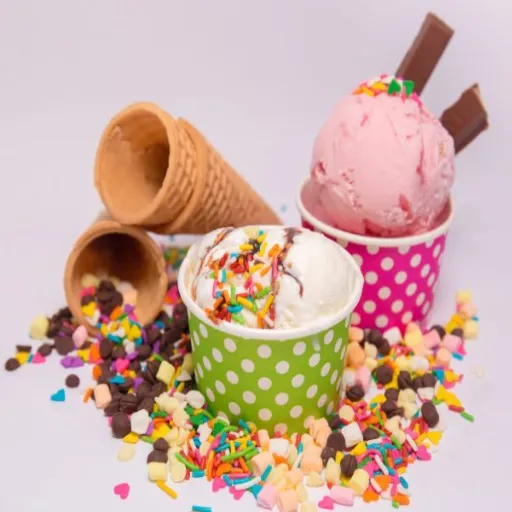
Importance of Packaging in Ice Cream Production
When it comes to ice cream, packaging carries great consequences on ensuring qualities like texture, freshness, and attractiveness. From contamination to temperature changes and light exposure, packaging offers an external protection that can otherwise upset the texture, taste, and appearance of the ice cream. Packaging also prevents freezer burns, normally caused by moisture loss and oxidation with temperature changes. It fortifies the structure of the ice cream, thus preserving its premium quality from management level all the way to end consumer distribution.
Further packaging activities engage the consumer in branding choices and considerations. The truly beautiful stuff can catch an eye at the shelf and impart useful information such as nutrition, taste, brand story, and so on. Sustainable materials are being increasingly used in packaging, responding to a corresponding surge in consumer demand for eco-conscious options. This fits along the industry’s search of decreasing its environmental footprints, thus proposing the environmental protection of packaging and its merchandise shelf life.
Lastly, it serves as a much needed basis for proper distribution in general. Durable and ergonomically designed packaging minimises damage during transportation; it also facilitates storage in warehouses or retail freezers. Packaging nowadays really does go the extra mile in terms of user convenience, including a resealable option or a portion-controlled container. In any case, a worthy investment of thought and money must be made in packaging so that the ice cream may reach its destination from production until consumption.
Different Types of Ice Cream Packaging
When I reflect upon the various types of ice-cream packaging, adaptability and innovation stand out as the providers of ever-evolving options catalogued with consumer needs and industrial demands. One of the most common options is the conventional paperboard carton, generally for pint-size ice creams. They provide a light-weight environment for the product while being biodegradable and excellent in maintaining the desired texture of the ice cream. Many of the manufacturers have evolved into coating these cartons with materials made from plants or those that are recyclable in nature, giving them a position on sustainability whilst ensuring a definite barrier for moisture and freezer burn.
Another good option would be plastic tubs, especially for bigger sizes, family-sized portions. Elaborate plastic tubs can withstand the transportation process, offering good protection, unlike less sturdy containers. Many of these are allegedly provided with resealable lids for added convenience. I have observed-the transparent or semi-transparent plastic containers seem to be increasingly popular, for they allow the consumer to actually view the product inside, thus creating a sense of trust with the consumer, as well as offering visual appeal. Besides, these tubs can be reused for various household purposes, thus adding another highly functional feature that is appreciated by many consumers.
Designs of flexible packages, such as those of single serves and wrappers, are quickly making inroads in ice cream packaging. These are great for carrying and make individual portions perfect snacks on the go. Material advances keep a flexible package fresh while reducing its environmental load, some fashions switching to compostable or recyclable film. This multitude of packaging options in ice cream shows the tightrope walk between working, sustainable, and convenient-for-the-consumer considerations that need solutions catering to as wide a gamut of consumer preferences and lifestyles.
Distribution Channels for Ice Cream Products
While talking about all channels used to distribute ice creams, there are several options taken into consideration for catering to both conventional and modern-day customer habits. First and foremost, supermarkets and grocery stores stand key in the wide distribution of ice creams. These outlets offer the widest array of products, from premium pints to more economical family-size tubs. Partnering with these large retail chains, brands can achieve mass market coverage while still ensuring the consumer can find an item on any given day for purchase.
Specialty retailers and independent ice cream shops are vital when it comes to sales through niche outlets. Businesses reach these places to market artisanal and gourmet products with a touch of artisanal marketing that can create a more personalized consumer experience. Many brands are now benefiting from such partnerships with specialty retailers to launch limited flavors or advertise disruptive product lines. On the other hand, convenience stores attract impulse buyers seeking single-serve novelties or ready-to-eat food.
On the digital front, it is still growing as the channel for distribution. Many ice cream brands employ their own websites or third-party platforms for DTC sales, especially if the ice cream delivery is on a subscription model or is a special product only available online. Food delivery apps like DoorDash or Uber Eats have become indispensable for satisfying immediate cravings. These platforms connect the consumer’s craving with a brand’s capability for same-day delivery and make getting ice cream easier than ever before. From a channel perspective, diversification allows manufacturers to make ice cream easily available to clients on any touchpoint.
Reference Sources
- Ice Cream Production | MilkFacts.info – Outlines general ice cream processing steps, including blending, pasteurization, and homogenization.
- How to Make Commercial Ice Cream: The Production Process – Provides a detailed breakdown of the commercial ice cream production process, from mixing to hardening.
- ICE CREAM – Dairy Processing Handbook – Explains the stages of ice cream production, including mixing, ageing, and further processing.
- Ice Cream Production – A comprehensive guide to the manufacturing process, covering seven key steps in detail.
- Industrial Ice Cream Manufacturing Process – Focuses on ingredient selection, mix preparation, freezing, and packaging in industrial settings.
Frequently Asked Questions (FAQs)
What is the ice cream production process?
The process of ice cream production undergoes several critical stages, beginning with the preparation of the ice cream mixture. The basic mix consists of milk and cream, with added stabilizers and emulsifiers, which are essential in obtaining the required texture for the ice cream. Once they are all mixed, the prepared mix goes through the pasteurization process to kill all the harmful bacteria. After pasteurization, the mix is cooled and then aged for improved viscosity before the continuous freezer churns the mixture by hard freezing. Freezing is an important step, for it allows for lesser formation of ice crystals that give the ice cream a smooth texture. Finally, the air-pumped ice cream is packed and stored while awaiting shipment.
How do ice cream manufacturers make ice cream?
The manufacturers prepare ice cream by first making a cream mixture that consists of solids of milk, milk fat, and sugar. This mixture is pasteurized to make it safe and to improve the quality of ice cream. After the pasteurization, the mix is cooled and flavored with one or other flavoring agent. The ice cream is then poured into the freezer where it is churned with air for a light texture. With continuous freezing, the formation of large ice crystals is prevented, which ensures a creamy condition. After attaining the required texture, the ice cream is hardened and packed for distribution.
How is ice cream made in a factory?
The manufacturers prepare ice cream by first making a cream mixture that consists of solids of milk, milk fat, and sugar. This mixture is pasteurized to make it safe and to improve the quality of ice cream. After the pasteurization, the mix is cooled and flavored with one or other flavoring agent. The ice cream is then poured into the freezer where it is churned with air for a light texture. With continuous freezing, the formation of large ice crystals is prevented, which ensures a creamy condition. After attaining the required texture, the ice cream is hardened and packed for distribution.
What role does the freezer play in the ice cream production process?
A freezer is, in fact, one of the important equipment of ice cream making, especially during continuous freezing. In the freezing process, the ice cream mixture is fast-frozen by this equipment so larger ice crystals do not develop, which might be detrimental to the texture of the ice cream. By maintaining low temperature, the freezer helps keep the ice cream so viscous and smooth. More importantly, the incorporation of air during freezing yields a light product that feels good in the mouth. After the ice cream gets sufficiently frozen in the freezer, it undergoes hardening to be further cooled until it reaches packaging.
What ingredients are essential for making ice cream?
Producing a fine ice cream requires certain essential ingredients, starting with milk and cream for fat. Sugar is added to sweeten the mix and also to lower the freezing point of the mix. Stabilizers and emulsifiers are required for smoothness and to prevent ice crystal formation. The flavoring agents go toward varying the flavors of the ice cream. Also, egg yolks may be added to help enrich the cream base. All these ingredients are necessary for giving the ice cream the right consistency, texture, and feel.
How does the ageing process affect ice cream quality?
The ageing method is considered an essential step in ice cream manufacturing and greatly impacts ice cream quality. At this point, the ice cream mix is chilled and allowed to rest in a cold room for a few hours. During the resting time, fat globules aggregate together, thereby developing the body and texture of the ice cream. The ageing process also helps the mix to thicken and aids in the creation of smooth consistencies in the end product. Additionally, this ageing phase provides delicious synergy in the flavour of the finished ice cream. In brief, good ageing processes are all-important in creating good-quality ice cream.

DU
Articles: 45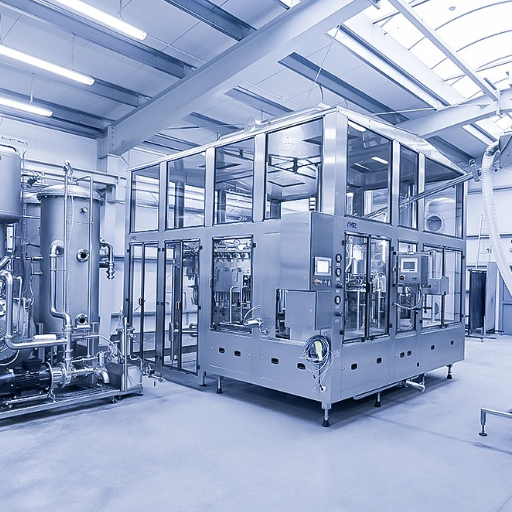
Trending now