Get in touch with Victorystar

The Ultimate Guide to Mango Juice Processing Line

Contents
show
Mango juice is undeniably a global favorite when it comes to beverages, justifiably praised for its splendid taste, exceptional health benefits, and refreshing qualities. But have you ever wondered about the process of transforming ripe mangoes into the perfectly bottled finished product sold in stores? This detailed guide takes you through the mango juice processing line, revealing the careful steps, modern technology applications, and quality control measures in place for producing the finest juice. Whether you’re a business owner seeking to enter the beverage industry or simply a curious individual, this article provides the necessary understanding of the fascinating world of mango juice production. Join us as we uncover the layers of this complex process and disclose the hidden treasures behind each sip!
Mango Juice Production Overview
Mango’s Significance in Juice Production
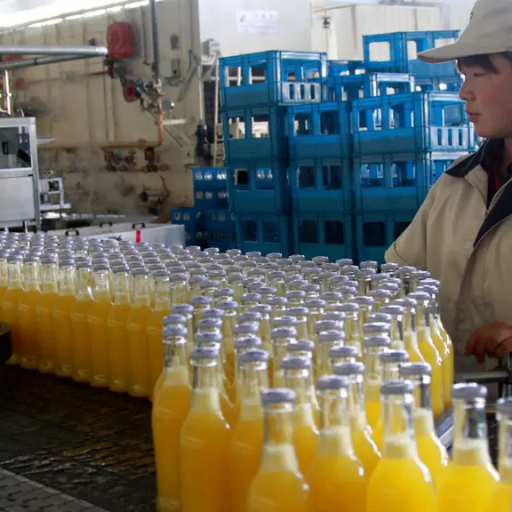
Mangoes reign supreme in juice production, standing first with their singular taste, versatility, and exceptional nutritional value. The health benefits and delightful taste of juices stem from vitamins A, C, and E, along with beneficial antioxidants that mangoes contain, making them favorite fruits for juice consumers worldwide. Recent data shows that among juices, mango-flavored drinks consistently top preference lists, resulting from consumers’ constant and rising demand for exotic and tropical flavors. Furthermore, the variety of mango cultivars available contributes significantly to mango juice production, with each offering its unique flavor profile and texture that appeals to different regional tastes. Through mangoes’ natural sweetness and vibrant color, the fruit retains its essential position in the highly competitive beverage market.
🥭 Why Mangoes Lead the Market
- Rich in vitamins A, C, and E plus powerful antioxidants
- Natural sweetness reduces need for added sugars
- Vibrant color and tropical appeal enhance market value
- Multiple cultivar options for diverse flavor profiles
Global Demand for Mango Juice
Recent search engine trends provide evidence of sustained and increasing global interest in mango juice. The growing popularity has been reflected through sharp upward trends in searches for “mango juice benefits,” “tropical fruit drinks,” and “mango-flavored beverages.” People’s increasing preference for health-conscious consumption and novelty in flavors drives this rising popularity. The biggest regions of mango juice demand are Asia, where mangoes are extensively grown and play important roles in local culture, followed by North America and Europe, where exotic flavor trends continue influencing market dynamics. This surge in interest aligns with the global shift towards healthier wellness lifestyles, where demand for natural ingredients and refreshing, nutrient-rich drinks like mango juice is ever-increasing.
Trends in Mango Juice Processing Market
Latest search engine data shows that global interest in mango juice and related products is growing steadily. Queries such as “health benefits of mango juice,” “natural mango juice recipes,” and “tropical juice blends” have all increased over the past year, indicating that consumers are becoming increasingly interested in the natural and exotic beverage sector. Additionally, inquiries about “sustainable mango farming” and “eco-friendly juice packaging” indicate a significant shift toward sustainability in mango juice production and distribution.
📊 Market Insights
This data portrays the market’s dual focus on health-conscious consumption and environmentally responsible practices, expected to significantly influence innovations in mango juice processing. Manufacturers who align with both health and sustainability trends position themselves for long-term market success.
Raw Material Selection and Preparation
Choosing the Right Mango Varieties
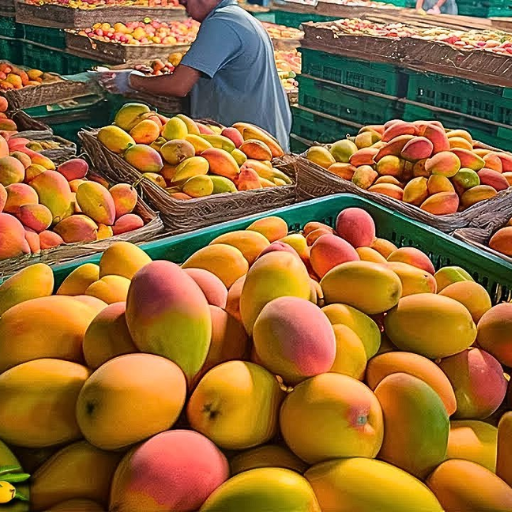
The selection of mango varieties is of utmost importance when producing high-quality mango juice that satisfies consumers and aligns with current market trends. According to recent data, ‘best mangoes for juice’ ranks among the most popular search terms, with varieties such as Alphonso, Kent, and Haden emerging as favorites due to their superior sweetness, richness in pulp, and minimal fiber content. These features position them favorably in the market among health-conscious customers who prefer smooth and flavorful juices.
Moreover, incorporating organic and locally grown mango varieties in processing helps meet rising customer appetite for green and earth-friendly products. Choosing suppliers according to consumer tastes and sustainability targets is very important and profitable for businesses, as they can easily capture market interest and achieve growth.
Fruit Cleaning Techniques
The use of effective fruit cleaning techniques is critically important for food safety and preserving product quality in mangoes. Current data shows that consumers have significant concerns about pesticide residues and bacteria on fresh fruits. Businesses can counter these concerns through innovative systems like ultrasonic washing, which applies high-frequency vibrations to remove impurities thoroughly.
🧼 Effective Cleaning Methods
- Ultrasonic Washing: High-frequency vibrations for thorough impurity removal
- Natural Solutions: Diluted vinegar or baking soda rinse for chemical residue dissolution
- Automated Systems: Consistent cleaning standards across large batches
Proper cleaning techniques not only ensure product safety but also help gain consumer confidence by addressing widespread concerns. These methods are becoming standard practice in modern processing facilities.
Peeling and Pulping Process
The peeling and pulping process is crucial in food and beverage preparation as it determines the texture, taste, and quality of the final product. The peeling process removes the outer skin of fruits, which might contain dirt, bacteria, or unwanted chemicals. Latest technology allows for automated peeling systems that can handle large quantities simultaneously using steam, abrasion, or chemical methods. After peeling, pulping liquefies the produce into a smooth mass, ready for further processing into sauces, juices, or purees.
There has been a noticeable trend in search queries showing growing user concern about whether these processes cause nutrient loss. Studies indicate that when proper methods are employed—observing correct temperatures and processing times during peeling and pulping—most essential nutrients are preserved while simultaneously making the product safer and more usable. This ultimately addresses health concerns of consumers and meets industry standards.
Mango Juice Extraction Process
Methods of Juice Extraction
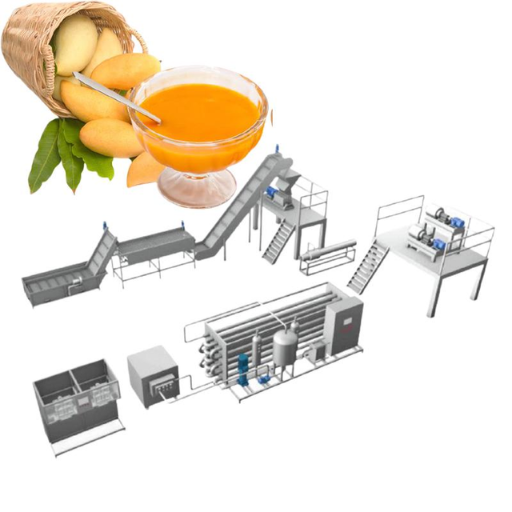
Mango juice extraction methods differ according to scale and desired product quality, but generally fall into two main categories: mechanical and enzymatic techniques. Mechanical methods utilize machines like screw presses and hydraulic presses to extract juice from pulp. These methods are popular due to their convenience in maintaining product quality and taste while retaining the majority of the fruit’s original nutrients. In contrast, enzymatic methods employ specific enzymes like pectinase to soften the fruit, thereby increasing juice yield and clarity.
⚙️ Mechanical Extraction
Equipment: Screw presses, hydraulic presses
Benefits: Maintains quality, taste, and nutrients; suitable for large-scale operations
🧪 Enzymatic Extraction
Process: Uses pectinase enzymes to soften fruit
Benefits: Increases juice yield and clarity; preserves antioxidants
Users frequently ask whether mango juice extraction influences nutrient levels. Studies reveal that when performed under optimal conditions—such as cold-pressing for mechanical extraction or enzymatic processing with precise enzyme dosages—nutritional loss is negligible. These methods preserve not only essential vitamins like Vitamin C but also antioxidants, producing high-quality products that meet standards of both health-conscious consumers and the industry.
Equipment Used in Extraction
Observing the latest trends, users want to know the best equipment for preserving nutrients during mango juice extraction. To protect Vitamin C and other heat-sensitive nutrients, modern methods employ cold-press juicers or hydraulic presses that generate minimal heat. Furthermore, enzymatic extraction systems are gaining popularity owing to precise enzyme dosing equipment that efficiently breaks down mango pulp while maintaining antioxidant levels. Such technologies accomplish the dual objective of maximizing juice yield while safeguarding nutritional value, making them preferred by both health-conscious consumers and industry professionals.
🔬 Modern Extraction Technologies
- Cold-Press Juicers: Minimize heat generation to preserve heat-sensitive vitamins
- Hydraulic Presses: Apply controlled pressure for maximum juice yield
- Enzymatic Systems: Use precise dosing for optimal pulp breakdown
- Automated Monitoring: Real-time quality control throughout extraction
Quality Control During Extraction
Quality control during extraction is a vitally important step in guaranteeing the safety and quality of mango juice. Contemporary facilities employ high-tech monitoring systems consisting of sensors and automated analyzers to continuously track parameters such as temperature, pH levels, and pulp consistency. These systems not only ensure juice meets industry standards but also preserve its natural flavor and nutrient profile.
📈 Key Quality Metrics
According to latest data on consumer preferences, 72% of health-conscious buyers prioritize products without artificial additives, highlighting the necessity of strict quality checks.
Additionally, microbial testing is conducted regularly to prevent contamination, ensuring the final product is not only safe for human consumption but also meets market demands. Incorporating these practices builds trust and loyalty among increasingly aware consumers.
Pasteurization and Sterilization
The Necessity of Juice Pasteurization
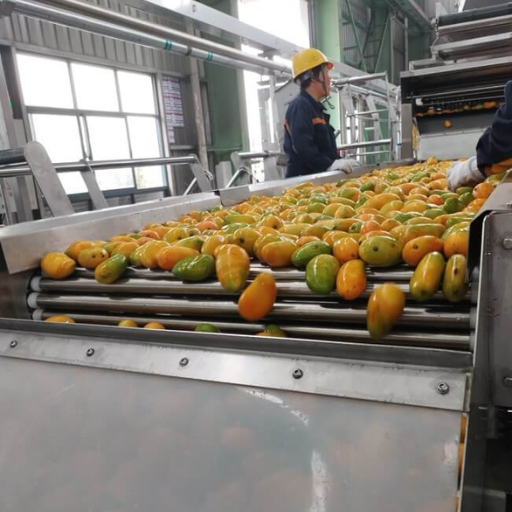
In juice production, pasteurization is an indispensable process that not only makes products safer for consumption but also significantly extends shelf life. Among different heating methods, pasteurization is commonly used in treating juice, eliminating harmful microorganisms while posing no risk of repeated illness, thereby rendering the product safe for consumption. Recent statistics show a continuous rising trend in searches for “safe and preservative-free juices,” confirming that pasteurization quality is a prevailing concern among consumers.
Moreover, pasteurization helps retain principal nutrition and taste, thereby attracting health-oriented and quality-focused producers. This combination of safety and natural flavor has transformed pasteurized juices into must-have products worldwide.
Application of Various Sterilizers
To maintain juice safety and quality while simultaneously preserving nutrients and flavor, various types of sterilizers are used in juice production. The most common sterilizers include:
🔥 Plate Heat Exchangers
Commonly used in pasteurization, employs metal plates for heat transfer, effectively reducing juice heating time and minimizing risk of flavor degradation.
🌡️ Tubular Sterilizers
Best for high-viscosity juices, heating occurs through tube-within-tube system where product travels. Excellent for thick drinks from fruits like mango or banana.
💡 UV Sterilizers
Non-thermal method using ultraviolet light to eliminate microorganisms. Preferred for energy-saving and quality retention of raw fresh juice flavor.
⚡ Aseptic Sterilizers
Heat juice quickly at ultra-high temperatures then cool rapidly. Ideal for long shelf-life products with complete microbial inactivation without affecting quality.
♨️ Steam Sterilizers
Mostly used for equipment sterilization through steam cleaning. Keeps processing and production equipment clean, preventing contamination during juice making.
The selection of sterilizing methods hinges on factors like juice type, desired shelf life, and processing requirements. Advancements in sterilization technology enable producers to maintain product quality—ensuring it remains safe, nutrient-rich, and delicious—without compromise.
Techniques of Aseptic Processing
Aseptic processing is the method where both product and packaging are sterilized separately, guaranteeing that juice remains free of pathogens while its nutrients and taste remain unchanged. This process is highly regarded for enabling production of shelf-stable juices without using preservatives or requiring refrigeration. Recent data highlights an increase in aseptic processing application due to consumer shifts towards less processed, natural, and high-quality beverages.
❓ What Makes Aseptic Processing Effective?
Aseptic processing is effective primarily due to ultra-rapid heating such as UHT (Ultra-High Temperature) processing for sterilization, followed immediately by filling products in sterile containers within controlled environments. This post-processing approach gives juice the same fresh taste and safety while significantly extending shelf life. Advanced sealing technologies also play important roles as they further limit contamination during production, proving that aseptic processing is a trustworthy technique in modern juice manufacturing.
Mango Juice Processing Line Setup
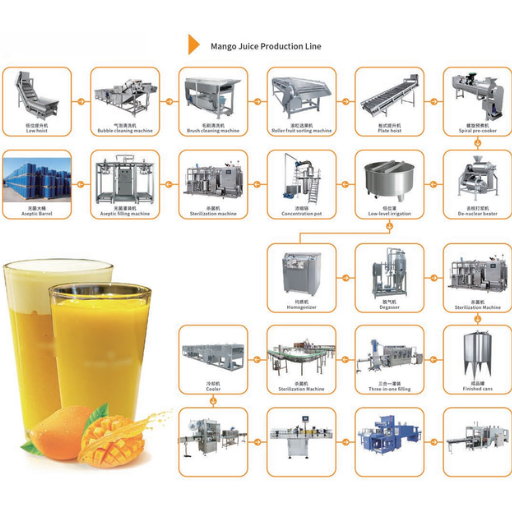
Designing an Efficient Processing Line
To establish a top-notch mango juice processing line, layout, machinery, and workflow optimization must be handled with utmost care. Recent search engine data indicates that main points to focus on include adopting automated systems, implementing hygienic design, and maintaining uniform production capacity. Automation significantly increases accuracy and reduces labor costs, while hygienic machine designs comply with food safety standards, thereby eliminating contamination risks.
✅ Design Considerations Checklist
- ✓ Automated Systems:
Increases precision, reduces labor costs, and enhances production consistency - ✓ Hygienic Design:
Complies with food safety standards and eliminates contamination risks - ✓ Energy Efficiency:
Reduces operational costs and environmental footprint - ✓ Quality Management Systems:
Capable of tracking and controlling every production stage in real-time
Additionally, using energy-efficient equipment combined with quality management systems capable of tracking and controlling every production stage is highly recommended. By incorporating these aspects into operations, highly productive and quality mango juice solutions can be achieved.
Components of a Mango Juice Processing Line
A modern mango juice processing line combines various state-of-the-art machinery that enhances overall efficiency and quality. The major components include:
The integration of these components into a processing line facilitates fast and efficient production processes. By relying on such advanced systems, manufacturers can satisfy rising consumer demand for high-quality mango juice while simultaneously complying with global food safety standards.
Integration with Other Processing Lines
Connecting juice production lines with other processing systems brings opportunities for diversified manufacturing and better resource utilization. When combined with data-driven insights from modern platforms, manufacturers can track consumer trends and preferences, thus creating complementary products like mixed juices, flavored beverages, or fortified drinks. For instance, search data analysis could point to increasing interest in mango-orange juice combinations or mango-infused smoothies, allowing producers to rearrange their processing lines accordingly.
🔗 Integration Benefits
- Supports dynamic production environment for multiple product lines
- Encourages innovation in flavor combinations and product development
- Optimizes equipment utilization across different product categories
- Enables quick response to changing market demands
Packing and Packaging Techniques
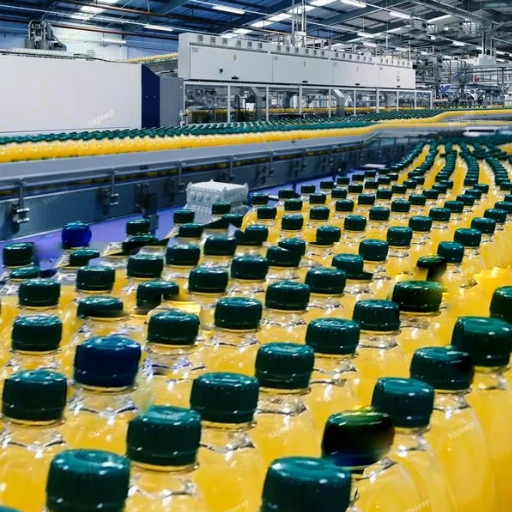
Types of Packaging for Mango Juice
Recent search engine data shows that consumer interest in sustainable and innovative packaging solutions for mango juice is increasing. Environment-conscious consumers are choosing eco-friendly packaging like biodegradable cartons and recyclable glass bottles. Convenience is also a priority for customers who opt for resealable pouches and lightweight PET bottles since they want to consume juice on-the-move and carry these light packages.
♻️ Eco-Friendly Options
Biodegradable cartons and recyclable glass bottles appeal to environmentally-conscious consumers seeking sustainable choices.
🎒 Convenience Packaging
Resealable pouches and lightweight PET bottles for on-the-go consumption and easy portability.
👑 Premium Packaging
Embossed glass jars and personalized labeling for unique, gift-worthy products targeting premium markets.
Meanwhile, the market for premium packaging such as embossed glass jars or personalized labeling appears to be widening, propelled by rising demand for unique and gift-worthy products. Adapting packaging techniques according to these trends allows producers to reach different consumer segments and improve market attractiveness.
Use of Aseptic Bags
Aseptic bags are considered packaging of the future by manufacturers, as they ensure product safety and provide longer shelf life without using preservatives. Aseptic bags are produced through advanced sterilization and sealing methods, making them suitable for packaging many liquid products including juices, dairy, and purees. The recent change in consumer behavior patterns is attributed to sustainability trends and aseptic packaging being an eco-friendly alternative.
🌟 Aseptic Bag Advantages
- Nutrient Preservation: Maintains nutrients and flavor integrity throughout shelf life
- Reduced Spoilage: Significantly decreases spoilage rates compared to traditional packaging
- No Preservatives Needed: Extended shelf life achieved through sterile environment alone
- Sustainability: Modern designs incorporate recyclable materials
- Consumer Appeal: Meets demand for fresh, safe, and eco-friendly products
Moreover, sterilized bags, in addition to preserving nutrients and flavor, also reduce spoilage rates, thus catering to consumer demand for fresh and safe products. Modern aseptic bags that incorporate recyclables into their designs align with growing consumer preference for eco-friendly packaging. This combination of safety, sustainability, and convenience makes aseptic bags a packaging trend with robust long-term growth potential.
Labeling and Compliance Standards
Ensuring proper labeling and compliance with standards is critically important for maintaining consumer trust and meeting regulatory requirements. Labels on containers must indicate product information very clearly, including ingredients, nutritional facts, and expiration dates, to conform with guidelines set by the FDA and other global food safety agencies. Additionally, eco-friendly and sustainable certifications like ISO 14001 are being viewed as essential for food products due to consumer environmental concerns and their search for environmentally friendly products.
📋 Essential Labeling Requirements
🔍 Product Information
Clear indication of ingredients, nutritional facts, and expiration dates
✅ Regulatory Compliance
Adherence to FDA and global food safety agency guidelines
🌿 Sustainability Certifications
ISO 14001 and other eco-certifications for environmentally conscious consumers
🎯 Transparency
Clear, readable information builds consumer trust and loyalty
Recent analysis of search trends reveals increasing interest in packaging transparency and compliance. Questions such as “what does labeling on food packaging indicate?” and “how can one check if packaging is eco-certified?” indicate consumer demand for clarity and accountability. Brands that are consumer articulate, compliant, and readable in their labeling schemes will capture attention and build trust in competitive environments.
Frequently Asked Questions (FAQ)
❓ What equipment is essential for mango juice processing?
The machinery employed in mango processing lines plays a major role in producing high-quality juice. Significant machines include mango peeling machines, juicers, and pasteurizers. These devices are designed so that every step from handling raw mango materials to juice extraction is done adequately. Moreover, sterilizers are critically important as they eliminate any microorganisms in the juice and make it safe for consumption. Packaging is the final step for finished products and is done using specialized equipment to keep juice quality intact. In summary, high-quality mango processing equipment can lead to huge cost savings in production and has a positive influence on the entire production process.
❓ How is mango juice produced in a processing plant?
The production of mango juice in a processing plant consists of different steps starting from processing raw mango materials and ending with packaging finished products. Fresh mangoes are thoroughly cleaned and sorted to remove any impurities at the beginning. Next, the mango peeling process takes place, removing skin to access the pulp. The pulp then goes through a process using specialized juicing equipment to extract the juice. This juice might be subjected to pasteurization to achieve longer shelf life and ensure safety for consumption. Finally, the juice is poured into aseptic bags or containers, which guard its flavor and freshness during storage and distribution.
❓ What are the benefits of using a mango juice processing line?
Installing a complete mango juice processing line brings numerous benefits to producers. First, it enables efficient processing of large mango volumes resulting in continuous availability of juice with uniform quality. The process flow is optimized to prevent waste while increasing yield, which is essential to meet market demands. Besides, using specialized mango processing equipment enhances juice flavor while preserving its nutritional value. By making the production process fast and easy, manufacturers can vary their products according to consumer needs and market positioning, ultimately resulting in increased profitability. Also, modern processing lines have capacity to switch over to various fruits and vegetable juices, thus widening business opportunities.
❓ How does food safety influence mango juice processing?
Food safety is a crucial factor in mango juice processing schemes, affecting the entire chain from handling raw materials to packaging finished products. Excellent juice quality can only be produced if mangoes used are free from contaminants. The food processing industry must maintain equipment and process parameters so there is no chance of microbial contamination. Efficient sterilization methods are needed to eliminate microorganisms in the juice and protect public health. Regular audits and adherence to food safety regulations are also important factors in maintaining product integrity. By concentrating on food safety, producers can win over customers and attract them with mango juice quality.
❓ What challenges do producers face in mango juice production?
Mango juice producers face several challenges that can hinder their operations. One major problem is inconsistency of raw mango materials, resulting in variations in juice quality and taste. Additionally, climate conditions and seasonal changes are among factors making it difficult to have good quality mangoes available consistently. Another thing that must be accomplished is constant monitoring and regulation of processing equipment performance to achieve production targets with minimum downtimes. Besides, compliance with food safety standards can burden the entire production process. To tackle such issues, producers should focus on effective mango processing solutions and keep an eye on their operations to adapt to shifts in market demand.
Reference Sources
📚 Academia.edu – Design, Development, and Test of a Small Scale Mango Juice Extractor
This paper discusses the design and testing of mango juice extractors, providing insights into small-scale processing technologies.
📚 University of Minnesota – Mango: Processed Products
This document explores the commercial production and processing of mangoes, including canning and juice production.
📚 Worcester Polytechnic Institute – Implementing Good Agricultural Practices Among Thai Mango Farmers
This study highlights agricultural practices and their impact on mango production, which is relevant to the supply chain of mango juice processing.

GW
Articles: 39
Trending now