Get in touch with Victorystar

A Comprehensive Look at The Ultimate Guide to Ice Cream Production Line Trends

Contents
show
Ice cream has always been a worldwide treat, but the fast changes taking place in its making processes could not keep pace with. Being in time with trends in ice cream production line would mean keeping up with technology, being aware of sustainability concerns, and accommodating the change in consumer preference. For manufacturers, being trendsetters is important not just to stay creative; it is also an issue of efficiency, quality, and environmental conscientiousness. The current article deals with an overview of contemporary technological advances affecting the ice cream production landscape, the recent industrial automation solutions, sustainability solutions, and market-oriented strategies. The article is an excellent opportunity to delve into the operational trends of the sweet industry for a producer wishing to initiate better operations or for an observer trying to comprehend the next huge changes. So, stay on to get insightful tips and applicable strategies to help you leverage these divergences in the ice cream world.
Understanding Ice Cream Manufacturing
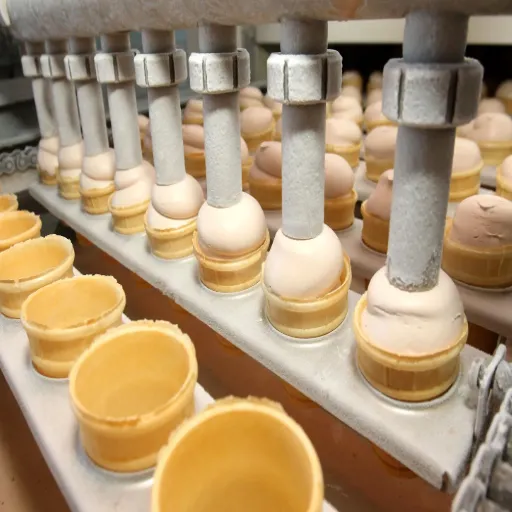
The Basics of Ice Cream Production
The production of ice cream constitutes an equilibrated production process which hinges upon the chemistry, physics, and creativity behind the creation of luscious textures and flavors adored by customers. Fundamentally, the controlled mixing of milk, cream, sugar, and other additives characterizes the basic procedure, followed by pasteurization to ensure safety and quality. Then homogenization of the mixture is carried out to give it uniform and smooth consistency.
Cutting edge technologies have propelled manufacturing processes. With automation, ingredients may be weighed down to the exact amount and frozen consistently within the shortest production timeline. Novel market trends into plant-based alternatives and low-sugar versions have brought about the search for newer recipes and ingredient formulations by manufacturers. Such innovations do respond to changing consumer demands and sustainability matters related to waste reduction and implementation of energy-efficient machinery.
Understanding these key steps and utilizing cutting-edge techniques provides a pathway for manufacturers to stay competitive while delivering products that meet modern preferences for both flavor and quality.
Key Ingredients in Ice Cream Manufacturing
Ice cream’s genesis and evolution is contingent on the careful choice and ordered balance of essential ingredients that confer texture, flavor, and quality upon it. Its core ingredients are milk, cream, sweeteners, stabilizers, and emulsifiers. Milk and cream are the foundation that gives a velvety texture to the product and confers nutrition-standard calcium and protein, to the mixture. Sugar or biosyrups are agents that not only make the mixture sweet but also alter the freezing point to maintain smoothness.
Stabilizers, which could be things like guar gum or locust bean gum depending on whether one needs to go by nature, help to keep the structure of the ice cream intact so that ice crystals are not formed and so that it retains the glory of its creamy mouthfeel. An emulsifier such as lecithin may also be used to create a blend of fat with water, ensuring a uniform and stable mixture throughout both production as well as its ergo storage. Flavorings and inclusions, like vanilla, cocoa, or fruit mix-ins, cater to customers having different preferences and thus enabling a diverse profile.
Modern trends in the industry emphasize clean-label ingredients, non-dairy alternatives, and reduced sugar options. By combining innovation with ingredient quality, manufacturers can produce ice creams that satisfy health-conscious consumers without compromising on indulgence or flavor.
Types of Ice Cream Products
The availability of multiple ice cream products today reflects changing consumer demands and manufacturers’ innovative approach. The traditional scoopable ice cream-thick and creamy, with possibilities for classic and outlandish flavors-is still there. Ice cream bars, sandwiches, and bite-sized treats are now great options for that a la carte portion-control kind of craving and fast. These types of packages assure bittersweet indulgence on the go.
Yet another popular category consists of premium ice creams- characterized by low overruns, just enough air to enrich the chocolatey feel, and having fat content with which they can create their creamy texture and taste. Non-dairy and plant bases continue to gain popularity in these days and somehow satisfy the consumers who will consider it for being vegan and lactose intolerant. Using almond milk, oat milk, or coconut cream as base ingredients, the products weigh their creaminess against grocery listing of special diet.
Functional ice creams with added benefits like high protein, reduced sugar, or even probiotic have been looking to more health-conscious consumers. The novelty offerings include mochi, rolled ice cream, and dangerous flavor profiles from all over the world to treat those with adventurous palates. All these options ensure that ice cream remains one of the most adaptable and popular treats amongst all age groups and lifestyles.
The Ice Cream Production Process
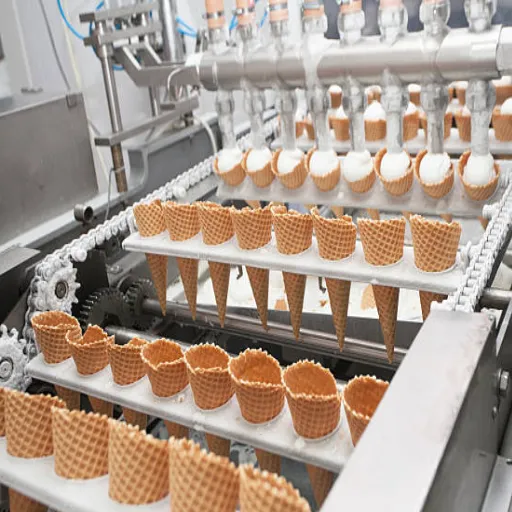
Steps in Ice Cream Processing
The production of ice cream is a meticulous process that combines traditional methods with modern advancements to ensure both quality and efficiency. Here are the commonly followed steps:
- Ingredient Selection and Mixing
High-quality ingredients such as milk, cream, sweeteners, and flavorings are carefully selected before being mixed. This step ensures a uniform base, enriched with the desired taste and texture. Fortified ingredients, like stabilizers and emulsifiers, are often added to enhance the structure and shelf life of the final product.
- Pasteurization
The mixture is heated to eliminate any harmful bacteria while preserving the nutritional value and flavor. Maintaining the right temperature during this step is crucial to ensure food safety and compliance with health standards.
- Homogenization
The mix is subjected to high pressure to break down fat molecules and create a smooth, creamy texture. This process also improves the consistency and prevents the separation of ingredients.
- Aging the Mix
After homogenization, the mixture is cooled and allowed to age for several hours. This aging period enhances the emulsion, enabling better incorporation of air during freezing and improving the overall texture.
- Freezing and Aeration
The aged mixture is rapidly frozen while being churned. During this phase, air is incorporated into the mix to achieve the light and creamy texture ice cream is known for. The level of aeration, or overrun, is carefully controlled to ensure consistency and quality.
- Flavoring and Mix-Ins
At this stage, unique flavorings, syrups, or ingredients such as chocolate chips, nuts, or fruits are added. This allows manufacturers to create a wide variety of flavors and cater to consumer preferences.
- Hardening
The partially frozen product is quickly subjected to extremely low temperatures in a blast freezer. This step solidifies the ice cream and locks in its texture, preventing the formation of large ice crystals.
- Packaging and Distribution
Finally, the hardened ice cream is packaged in containers designed for optimal storage and insulation. It is then distributed under strict cold-chain conditions to maintain its quality and freshness until it reaches consumers.
This combination of science and artistry ensures that every scoop of ice cream retains its rich flavor, creamy texture, and high quality—a treat perfected for all to enjoy.
The Role of Pasteurization in Production
Pasteurization assumes an important role in the ensuring of product safety and quality, especially in food production. The process entails intentional heating of ingredients to a certain temperature and for a specified duration so as to eliminate potentially dangerous microbes while preserving the flavor, texture, and nutritional value of those ingredients. This pasteurization process manages to kill pathogens-including Salmonella and E. coli-as well as reduce an amount of spoilage bacteria-a process that, along with others, yields an extended shelf life of the product along with increased consumer safety.
Innovation in the pasteurization field has given rise to newer industries where pasteurization can be applied, like dairy, beverages, and plant foods. High-temperature short-time (HTST) pasteurization is a very popular method nowadays, because of the speed and efficiency of product quality maintenance. Then, the other measures would be such that the essential nutrients and flavor profiles can be retained throughout processing to preclude their being considered substandard in taste and value. In modern production, pasteurization is considered an essential step, bringing together the elements of science and innovation in producing safe products of high standard for public consumption.
Mixing and Aging: Essential Steps
The processes of mixing and aging hold paramount importance as these are the steps responsible for marking the uniformity, consistency, and other variations in the final flavor of different types of food and beverage products. From the mixing standpoint, the homogeneity of the blend has a great significance in actually connecting with the texture and hence the taste and very existence quality of the end product. In the recent times, the advent of sophisticated equipment and techniques has allowed the realization of excellent quality by providing control on parameters such as time, temperature, speed of mixing, and dispersal of ingredients in all sorts of formulations.
In contrast with-maturing-the-aging-term-was cast in the role of flavors enhancers and product stabilizers. It walnuts flavor because of the texture, while aging gives time for ingredients to settle and interact with each other in their ultimate state of synergy. Innovations such as controlled atmospheres and accurate timing protocols lend an technical edge to highest consistency and production standards. Consequently, mixing and aging thus combine the best of tradition with new technology to deliver results on which consumers can rely.
Equipment Used in Ice Cream Production

Essential Process Equipment for Ice Cream
Producing high-quality ice cream requires specialized equipment designed to enhance efficiency, consistency, and flavor integrity. Below are key pieces of process equipment commonly used in modern ice cream production:
- •Mixing Tanks
These stainless-steel tanks are vital for combining ingredients such as cream, milk, sugar, and stabilizers into a uniform mixture. They often feature built-in agitators and temperature controls to ensure the precision and consistency needed for optimal results.
- •Pasteurizers
Pasteurization is crucial for eliminating harmful bacteria and extending the shelf life of ice cream. Plate heat exchangers or tubular pasteurizers are commonly used, offering accurate temperature control to preserve flavor while meeting safety standards.
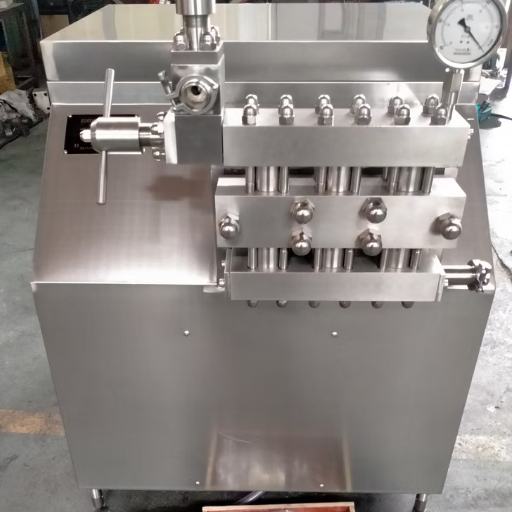
- •Homogenizers
To achieve the creamy texture ice cream is known for, homogenizers break down fat molecules into smaller, evenly dispersed particles. This step improves the product’s consistency and prevents unwanted separation during storage.
- •Ice Cream Freezers
Continuous freezers are a staple in industrial ice cream production. They rapidly cool and churn the mixture, incorporating air to create the creamy structure. Advanced models allow precise settings for overrun control and freezing temperature.
- •Flavoring Stations
Automated flavor injection systems enable manufacturers to introduce liquid flavors, ripples, or inclusions uniformly. This equipment ensures even distribution, creating a balanced taste profile in every batch.
- •Filling Machines
Designed for efficiency, filling machines portion ice cream into various containers such as tubs, cones, or cups. With adjustable settings, they meet diverse packaging requirements while reducing product waste.
- •Blast Freezers
After initial freezing, blast freezers ensure rapid hardening of the ice cream, locking in texture and freshness. By quickly reducing the temperature, this equipment prevents the formation of large ice crystals, ensuring a smooth final product.
- •Packaging and Labeling Machines
Automated systems for packaging and labeling help streamline the final stages of production. These machines ensure accuracy, compliance with regulations, and a professional finish suitable for retail distribution.
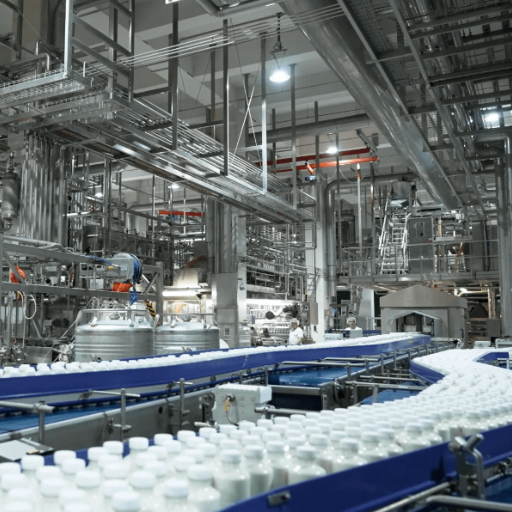
By integrating these essential tools into production, ice cream manufacturers can optimize their processes to deliver consistent, high-quality products that meet consumer expectations.
Innovations in Ice Cream Manufacturing Equipment
Travelling with ice cream is fast becoming a sort of need for advancement because of technological advances that work into historical processes to meet certain criteria of today. A major innovation is the use of IoT-enabled machinery, which allows for real-time monitoring and control of production lines. It looks into the conditions of temperature, ratio of ingredients, speed of production, etc., to ascertain product quality consistency and also wastage reduction.
Another breakthrough comes in the form of energy-efficient freezing systems. These advanced systems not only accelerate the freezing process but also significantly reduce energy consumption, aligning with sustainability goals while maintaining the texture and taste consumers love.
3D printing technology has also made its way into ice cream manufacturing, enabling the creation of intricate and customizable shapes and designs. This innovation opens new avenues for personalization and luxury product lines, catering to niche markets and special occasions.
Furthermore, the implementation of AI-driven quality control systems has revolutionized error detection. These systems use machine learning to analyze visual and sensory data, identifying imperfections such as uneven textures or incorrect portions with unparalleled accuracy.
Together, these innovations empower manufacturers to enhance efficiency, reduce environmental impact, and deliver unique, high-quality products that captivate consumers in an increasingly competitive market.
Maintaining and Upgrading Production Lines
Keeping and installing new systems at the production line ensure consistent performance, suit the application of the changing market demands, and graft modern technologies that make operators’ task efficient. Maintenance schedules help with the quick removal of the possibility of unforeseen downtime, enhance the equipment’s longevity, and ensure conformation to safety and quality requirements. Insisting on the implementation of line upgrades, in the form of advanced automation solutions, AI-based analytics, and energy-efficient machinery, manufacturers stand best placed to minimize wastes and keep their competition going in an environment of rapid change.
With predictive maintenance tools using AI, operators can spot the potential failures of equipment beforehand and take prophylactic action. Further, they can build on modular concepts for production line design to furnish it with more flexibility with respect to new products or market trends. The implementation of such proactive measures streamlines production workflow, resulting in ease of operation and higher precision-quality along with upgraded service quality, thereby building a higher brand name in the industry.
Trends in Ice Cream Production
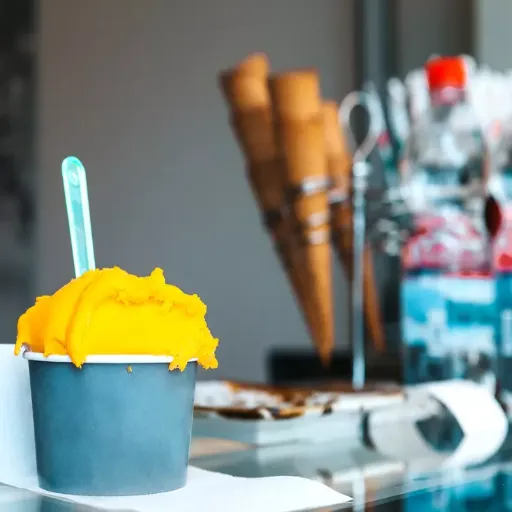
Current Trends Shaping Ice Cream Factories
Innovative practices and shifts in consumer tastes now shape the ice cream production industry. Plant-based, dairy-free, and vegan alternatives are some demands that have risen. Through traditional means, manufacturers are attempting to modify their processes for tanking ingredients like almond, oat, or coconut milk and giving textures and flavors that can stand on their own for different tastes.
Another noteworthy trend is that sustainability is really being stressed upon. Quite a few factories are going green with their packaging and opt for biodegradable materials and designs that leave as little waste as possible to meet the consumer expectations of reducing environmental impact. Energy-efficient technologies are moreover installed in different operations, lowering the manufacturers’ carbon footprints and energy costs.
Customization and small-batch production also are gaining traction, being the broader consumer push for unique and personalized experiences. Ice cream factories use advanced manufacturing technologies such as AI and automated processes to produce flavors as per customer orders and on demand to accommodate seasonal trends. On one hand, these help to gain more brand loyalty, and on the other, they let companies set themselves apart in a market already full of choices.
Changes in industry operations have been brought about by the improvements incorporated into food-safe handling and transparent labeling. The ice cream industry has been experiencing a trend of health consciousness, such as low sugar and high protein content, coupled with advances in processing capable of meeting quality and manufacturing standards. These trends are clear indicators that ice cream factories are set at the forefront of innovation, working and responding in time for their respective food and beverage sector.
Consumer Preferences and Their Impact on Production
Consumer preferences are increasingly motivated by the workings of health consciousness, moral considerations, and personalized experiences. Today, consumers expect products that taste good and fit their value system and lifestyle. For example, there is an increasing demand for dairy-free and plant-based ice creams to favor vegan diets and lactose intolerance. Also on the consumer radar are small pre-portioned servings that appeal to people’s health and calorie consciousness without denying indulgence.
These forces are exerting enormous influence on production strategies within the ice cream industry. Manufacturers are reformulating their recipes to introduce novel ingredients as alternative sweeteners and superfoods such as matcha or chia seeds in response to health trends. Industries are also beginning to incorporate ethically sourced ingredients such as fair trade chocolate and sustainably harvested vanilla to appeal to environmentally and socially conscious buyers. Further impression processing technology is enabling brands to mass-produce small-batch flavors or customized products for niche markets without losing efficiency.
By adapting to these shifts, ice cream producers not only enhance their marketability but also demonstrate their commitment to staying ahead in a competitive landscape. Maintaining this balance between consumer expectations and operational innovation ensures sustained growth and relevance in an ever-changing marketplace.
Eco-Friendly Practices in Ice Cream Manufacturing
The production of ice cream, moving toward sustainability, is gathering momentum as brands veer toward eco-friendliness to lessen environmental impact. One of the methods constitutes switching from regular packaging to biodegradable or recyclable packaging, thus diminishing waste and appealing to the environmentally conscious customer. Other companies are installing and using renewable sources, solar or wind power, in their production premises to lower the carbon footprint.
With another area where the heavy focus falls on water and energy optimization during manufacturing, producers must find ways through their processes to cut less resource consumptions with recycling water or implementing some energy-efficient technology, such as in the refrigerating system. Also, sourcing ingredients locally or from a sustainable source reduces transportation emissions and supports the sustainability of the local farming system.
Implementing novel practices that include developing plant-based ice cream versions is a good and important step for contributing towards sustainability. In using such alternatives, it reduces on dependency on traditional dairy farmings, which are placed at the center of high greenhouse gas emissions and water use. When put together, such environmentally friendly practices allow ice cream companies to remain competitive and active contributors towards safeguarding the climate while satisfying growing green product requirements.
The Future of Ice Cream Production
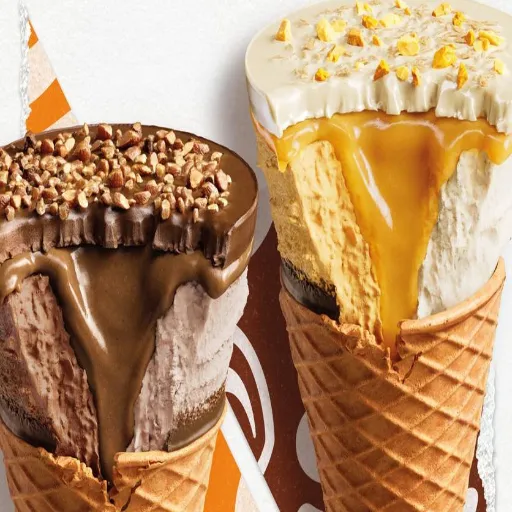
Technological Advances in Ice Cream Processing
With technological advances in the ice-cream processing industry, these innovations have revolutionized efficiency, product quality, and sustainability. Having said that, one of the major innovations is in the freezer systems. These are continuous freezers that use advanced cooling methods to control temperature with very high precision and texture of the final product. This means that the end product that we realize is smooth and creamy that an end user who has very high expectations looks forward to. Another technology in fast freezing reduces the size of ice crystals formed during production, thus ensuring the highest standard of product continuity.
One more intriguing advancement is the rise of full automation in production lines. These systems implement robotics and AI-based monitoring systems as an automated-flow process from mixing ingredients to packaging. Such systems minimize human errors and increase production speed while retaining constant quality. At the very least, these things are equipped with sensors and data analysis tools that may detect irregularities and rectify them at real time, so that they produce perfect batches and reduce wastage, further reducing manufacturing costs.
Another emergent area of innovation is sustainability. Energy-efficient systems and integrating renewable energies into the production scheme are the threndy topics pursued by the industry. Now being investigated are HPP and ultrasonic homogenization as a way to minimize chemical preservatives and facilitate cleaner-label products. Such advancements emphasize the continuous growth of technology toward empowering manufacturers to deal with challenges like surging demand, sustainability, and very high product quality.
Predictions for the Ice Cream Industry
I look forward to seeing the ice cream industry evolving toward advances in healthier, sustainable, and innovative offerings. Firstly, the future is quite grandly shifted into the making of an ice cream with plant-based and alternative dairy ingredients. Due to the boom in veganism finally being given thought to in the modern world, together with the acceptance of lactose intolerance, the brands have stepped up their games with interests in different bases such as oat milk, almond milk, or even the odd one out like chickpea milk. These innovations would cater to diets but also assist sustainability by lessening possible environmental harm caused by traditional dairy farming.
Another bigger trend I foresee is the marriage of ice cream with functional foods. Consumers are actively seeking products that offer extra nutritional benefits, like immunity-boosting ingredients, adaptogens, or, say, probiotics incorporated into frozen treats. Functional ice creams that work for dual purposes: indulgence and health, might just change the basic definition of this favorite dessert. This whole movement is all about the consumers looking to wellness without negating the sheer joy of a good dessert.
From the point of view of technology and customization, our ice cream market is going to be changing. We could see the rise of automated vending machines with AI-powered personalization to provide on-demand blending of flavors and the making of one-of-a-kind selections by consumers for themselves. And so, brands going forward will have to focus on sustainable packaging and processes that produce no waste if they want to earn consumer trust and to be considered truly environmental. So whether it is about healthier food options or highly technologically advanced personalization, the future of the ice cream industry remains deliciously ingenious and increasingly ethical.
Challenges Facing Ice Cream Manufacturers
As an ice cream manufacturer, the challenges I face are varied and relate to changing market trends, evolving consumer preferences, and emerging environmental concerns. The most pressing concern is to deal with this upward trend toward healthier and allergen-friendly options. Consumers are currently seeking indulgent varieties they consider low-calorie, sugar-free, and plant-based, which have very seldom been regarded as good ice cream. Investment in research as well as using highly specialized ingredients for these new formulations sometimes increase production costs and decrease profit margins.
Another significant challenge lies in managing supply chain disruptions with particular emphasis on sourcing high-quality, sustainable raw materials. The rising climate changes and geo-political influences affect the availability and prices of materials like milk, cocoa, and sugar. Hence, there is a crucial need to structure resilient supply chains. Simultaneously, pressure is mounting to implement environmentally friendly practices that also include biodegradable packaging and reduction of carbon footprints. Shifting to a sustainable approach is a high-cost investment with change management issues, all of which smaller manufacturers may not be able to implement well.
Finally, being increasingly crowded and jostling to capture the last split of share with a cutting-edge offering and innovative marketing strategy are both established brands and new entrants. In a fundamentally crowded space, being on-the-run requires constant reinvention, be it through AI-driven personalization for flavor development or data-driven consumer engagement optimization. The other side of the coin that poses an ever-present challenge to creativity and strategic foresight is meeting all these requisites without compromising product quality and affordability.
Reference Sources
- 📚Trending Ice Cream Production Line Designs for 2025 – Explores innovative designs focusing on automation and sustainability.
- 📚2025 Ice Cream Trends: Global Market Insights & Innovation – Highlights trends like fusion flavors, multi-sensory textures, and format innovations.
- 📚Ice Cream Processing Equipment Market – Provides insights into the growing market for ice cream processing equipment, with projections for 2025.
- 📚AI & Automation Dominate 2025 Ice Cream Machine Trends – Discusses the role of AI and energy-efficient designs in revolutionizing ice cream production.
- 📚Ice Cream Machine Innovations: What’s New in 2025 – Covers the latest technological advancements enhancing efficiency and hygiene in ice cream production.
Frequently Asked Questions (FAQs)
What is the ice cream production process?
The ice cream production method involves the basic steps of formulating the ice cream mix, pasteurization, homogenization, and freezing. To create the cream base, milk and cream must be mixed with insect sweeteners, stabilizers, and emulsifiers. Following this, pasteurization kills all the bacteria that could be harmful to one’s health. Post-pasteurization, homogenization, or breaking down of fat globules, is necessary to provide smoothness, and to prevent the formation of ice crystals. Churn and freeze to accomplish the final product: a good-quality ice cream.
How does the freezing process impact ice cream quality?
Freezing holds much significance in the manufacture of any quality ice cream. Air incorporation in this process is a necessity for the texture that provides the creaminess and mouthfeel of the ice cream. The consistent maintenance of the desired temperature is usually carried out using a continuous freezer to produce smaller ice crystals so that large ice crystals do not form and spoil the texture. Right freezing also allows for extrusion and shaping of ice cream into various forms like cones or cups, thereby promoting the look of the finished product.
What role do stabilizers and emulsifiers play in ice cream manufacturing?
Stabilizers and emulsifiers are crucial components in the ice cream manufacture to achieve the smooth and creamy texture. Stabilizers generally prevent ice crystals from forming and preserve the viscosity of ice cream, hence preventing the shape from settling or becoming too icy. Emulsifiers introduce air into fat for uniform distribution of materials; hence, emulsifiers increase the overall quality of ice cream by making it creamier and preventing separation. Any combination of these additives used in ice cream production will ensure the production of good quality ice cream as desired by the consumer.
What are the different types of industrial ice cream production systems?
There are various types of industrial ice cream production complexes formed theoretically to meet different capacities and requirements. Batch production systems allow smaller batches to be produced, although these are often considered artisanal in some sense, but continuous systems are generally designs for high-volume productions. In a continuous system, the ice cream mix flows from a succession of process equipment, such as pasteurizers and freezers, thus constituting a smooth production line. Depending on the system chosen, pride, flexibility, or efficiency could be prioritized, with features that influence the final products’ quality and variety. Anyone interested in entering the ice cream market must understand these systems.
How can ice crystal formation be prevented in ice cream?
One of the important parameters in keeping the ice cream texture smooth is just the formation of ice crystals. Homogenization is one such process that has the ability to break down the fat globules and mix air into the mixture, while the stabilizer helps develop a stable viscosity so big ice crystals do not appear in storage. The other factor is freezing; quickly freezing will produce smaller ice crystals, hence better texture for the ice cream. The consistent monitoring of freezing temperature and time will help in keeping the quality of ice cream during hardening.
What are the food safety practices in ice cream production?
Food safety in ice cream manufacturing is paramount for customer health and the quality of the product itself. Rigorous hygienic procedures from the very beginning-thick of ingredients-to final packing need to be followed. Testing is also important: one must test for pervasive bacteria during heat treatment to be sure the ice cream mix is edible. Proper store conditions and measures to keep ice cream from degrading are on the mind of the manufacturer who is committed to purity in the final phase. Somehow, staff training must encompass food safety procedures so that these high-grade manufacturing practices are always upheld.

DU
Articles: 45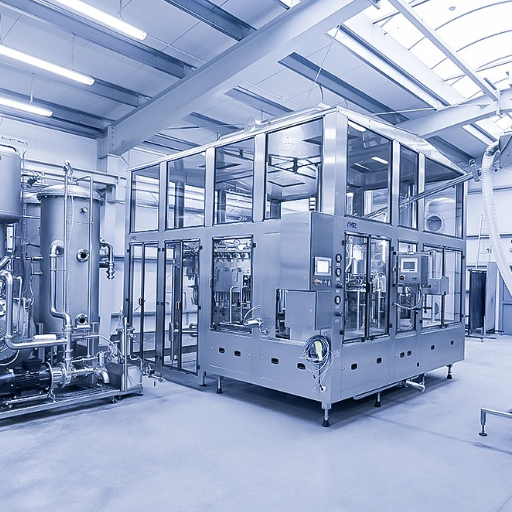
Trending now