Get in touch with Victorystar

Mobile Canning Line: Beverage Can Filling System

Contents
show
The craft beverage sector is changing fast and at a high rate, with efficiency, scalability, and product quality becoming the key to success. The new game-changing innovation that has seen rapid acceptance in this sector is the mobile canning line—the dynamic system that streamlines the entire process of canning beverages with an extra load of flexibility.
Understanding the mechanics, benefits, and potential applications a mobile canning line holds for small-scale, medium-scale, or even massive beer producers is what this article is all about. Be it in the ways you might want to increase output, attain consistency, or lessen overhead, this article is a showcase of how mobile canning will critically affect your beer packaging mechanism.
Key Takeaway
Mobile canning allows beverage producers to access professional-grade packaging technology without the massive capital expenditure of permanent installations, offering a scalable solution for growing brands.
Introduction to Mobile Canning Systems
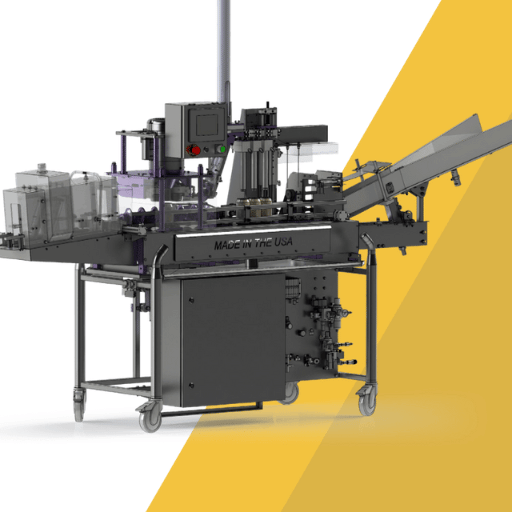
Mobile canning systems are designed for canned analogues and are designed to provide high-quality efficiencies for beverage producers through a canning system delivered on wheels. These one-shop systems comprise a specially designed equipment folio with one-site product processing facilities, allowing beverage producers to can their drinks without needing huge investments in permanent canning gear.
Mobile canning gives them the advantages of a one-step solution on production costs associated with the operation of small- and medium-scale facilities for production, such as immobilizing investments in machinery, requiring space for downtime while working, and logistics for outsourcing. The mobility of the canneries helps to maintain sales, quality consistency, and increased flexibility in the marketplace.
What is a Mobile Canning Line?
A mobile canning line is a canning system that is fully equipped while also mobile so that it can be brought to the beverage manufacturing location’s site with the purpose of filling, sealing, and labeling cans for its customers. The equipment consists of a depalletizer, filling and seaming equipment, date coders, and labelers, all of which are configured with portability and easy setup in mind.
Mobile canning lines are an exclusive service; these providers use these lines to take canning directly to the producer, where the process is efficient and does not require setting up permanent infrastructure. This canning system is adapted to fit the niche of small- to medium-scale producers who wish to improve operational efficiency, at the same time cutting costs and keeping the quality of the product consistent with the demand.
Benefits of Using a Mobile Canning System
A variety of positives about mobile canning systems are enjoyed by beverage producers. The high costs of permanent canning infrastructure—a capital investment heavy on engagement that small or medium operations could not afford—have been overcome; large-scale operations can be very costly. These systems need a skilled hand to operate them, which means that the concept of precision, compliance with industry standards, and waste reduction would be ensured.
Moreover, the portability of such a system would allow a beverage producer to work flexibly in adapting to fluctuating production volumes without any firm commitment for a long period. It means that one can optimize resource utilization and ensure consistency in terms of quality, efficiency, and throughput.
Overview of Beer Can Filling Machines
Beer can filling machines are specialized equipment that optimizes the process by which cans are filled and sealed with accuracy and effectiveness. Such machines generally contain state-of-the-art technology to carefully handle the key needs associated with maintaining consistency, eliminating oxygen pickup during the process, and ensuring air-tight sealing to maximize the life and quality of the product.
By incorporating features such as automatic controls, high-speed production capabilities, and sanitation coverage, they stay in compliance with the most rigorous industry standards while maintaining levels of throughput. They are distinguished from one another by being modular, allowing customization in creating different lines to adapt to various production volumes, which becomes paramount for any size brewery.
Components of a Canning System
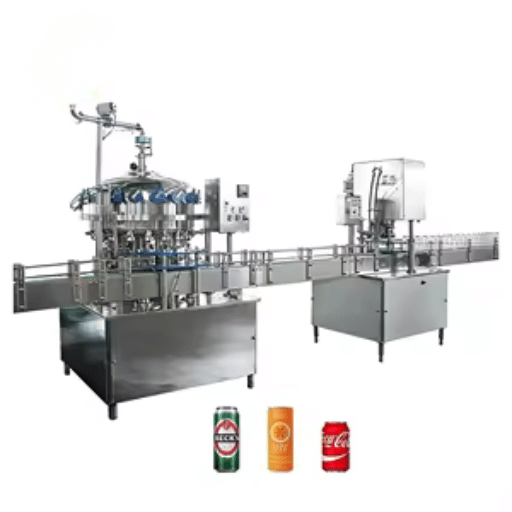
There are several pieces of equipment that assist in packaging beverages in a canning system effectively and accurately by providing assistance to one another.
- ✓ Depalletizer: Automatically off-loads empty cans from a pallet and manages their flow to the line.
- ✓ Can Rinser: Cleans the inside of cans prior to filling to meet hygiene requirements.
- ✓ Filler: Fills cans with the beverage through accurate dosing to maintain volume.
- ✓ Seamer: Ensures airtight sealing of the lid to the filled can.
- ✓ CO2 Purging System: Displaces oxygen before seaming to limit oxidation.
- ✓ Conveyor System: Moves cans across processing stages with precision.
- ✓ Date Coder/Printer: Stamps date and batch codes for traceability.
- ✓ Labeler: Applies printed labels or shrink sleeves for retail.
Each of these components contributes to making the canning operation a process that is hygienic, efficient, and meets commercial distribution requirements.
Key Features of Canning Machines
Food and beverage production requires modern high-speed canning machines equipped with advanced utilities:
- 1
Capacity & Speed
Machines are required to take larger volumes at greater velocities for better outcomes. - 2
Filling Precision
Top-of-the-line sensors keep product waste under control while ensuring consistency. - 3
Hygiene
Mainly made from stainless steel or food-grade plastic with easily cleaned components. - 4
Automation
Technological backup allows for high-volume filling with minimal physical contact. - 5
Airtight Sealing
Once capped, ends are punched down by precision equipment to preserve freshness. - 6
Flexibility and Adaptability
Modular systems offer fittings for various can sizes and shapes as needed. - 7
Integrated Quality Control
Control systems reject defective cans to maintain high production standards.
Filling Machine Technologies Used
Filling machines employ modern technology to provide accuracy, efficiency, and versatility. A volumetric system can fill quantities of various product types in the vicinity of viscosity with precision using pistons or gear-based equipment. Gravity-feed systems are used for fast production loads for free-flowing liquids.
The pressure overfiller is used widely to set consistent fill levels for aesthetic packaging. Servomechanisms in such systems provide the best regulation of filling control at any speed, while also ensuring unprecedented product line adaptability. They assure consistency by automatic integration and work seamlessly with downstream and upstream carriers.
Understanding the Role of a Filler
Fillers form a fundamental lifeline of packaging and production operations—they are responsible for an accurate and consistent feed of the product to the containers, which minimizes spoilage and maintains the integrity of the product. They are vitally important for high-speed manufacturing, where accuracy and speed are paramount.
Modern fillers are made to assist a wide range of viscosities and container shapes, rendering them versatile for various industrial applications such as food, beverage, pharmaceuticals, and personal care. By integrating volumetric or gravimetric systems, these systems enable extremely controlled quality control while maximizing production throughput with high-tech developments. They also play a role in achieving highest operational efficiency and ensuring quality for the end product.
Mobile Canning vs. On-Site Canning
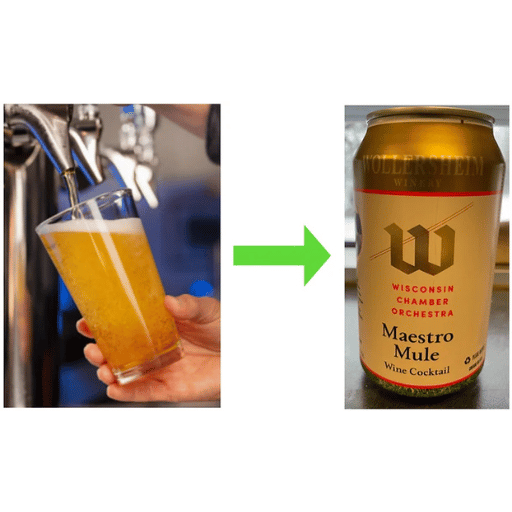
Mobile canning involves renting a service provider with portable equipment coming to the production site. This option, ideal for small to medium-sized brewers, eliminates high capital costs and minimal space requirements. More flexibility is obtained for seasonal or limited consignments.
On-site canning, in contrast, covers the setup and operation of a permanent canning line. The large initial investment is sometimes most cost-effective for extended operations due to lower per-can outlays and increased control over the production process. On-site canning provides immediate equipment availability without external scheduling intervention.
| Feature | Mobile Canning | On-Site Canning |
|---|---|---|
| Initial Investment | Low (Pay-per-use) | High (Capital Purchase) |
| Space Requirement | Minimal / Temporary | Permanent Floor Space |
| Scheduling | Dependent on Provider | Full Autonomy |
Pros and Cons of Mobile Canning
Pros
- ✓ Flexibility: Scale operations without investing in costly equipment.
- ✓ Cost-Effective: Eliminates large initial capital investments.
- ✓ Convenience: Reduces operational complexity by using third-party labor.
- ✓ Space Efficiency: Ideal for facilities with limited square footage.
Cons
1. High long-term costs: High production volumes may become uneconomic compared to ownership.
2. Scheduling constraints: Services are subject to availability during peak times.
3. Low customization: Mobile setups may limit format or packaging innovation.
4. Provider dependency: Success depends on the provider’s equipment quality and timeliness.
Cost Comparisons for Breweries
Breweries need to consider immediate and future financial implications when budgeting. Mobile canning services require relatively low initial capital since breweries bypass buying and maintaining equipment. Conversely, a service charge on a per-can basis tends to increase costs for those same services over time.
In-house canning requires significant initial investment, continued maintenance, and staff training. These considerations are impacted by factors like production volume, available capital, and long-term growth strategy.
Logistical Considerations for Mobile Canners
Mobile canning affords complete flexibility, bringing expertise to a brewery without high capital expenses. However, scheduling is crucial, ensuring the brewery has enough space for operation and staff assistance for setup and post-canning functions like quality control and storage. Working this way ensures smooth operation and keeps downtime to a minimum.
Choosing the Right Mobile Canner
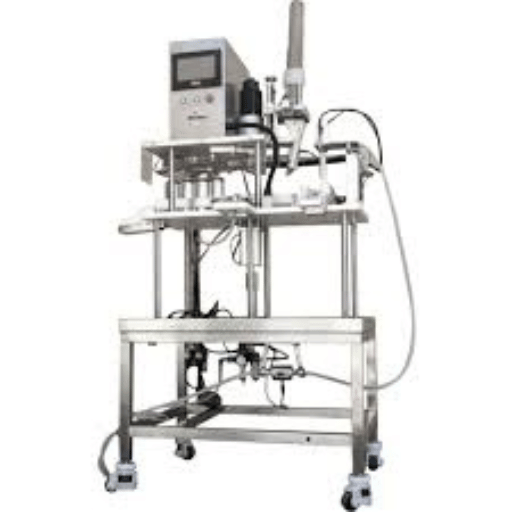
When shortlisting mobile canning providers, consider capacity offerings and whether your product meets their requirements for can sizes and fill accuracy. Scrutinize their history of service and check availability and scheduling to ensure the engagement is efficient. Price structures should align with your budget while meeting every nuance of quality. By holding these factors in preeminence, the right mobile canner can be selected with confidence.
Factors to Consider When Selecting a Canning Line
💡
Selection Checklist
- Adjustable production capacity to meet output volumes.
- Scalability for changing product types.
- Versatility across can sizes, shapes, and materials.
- Selective automation and energy efficiency for cost-saving.
- Technical support and maintenance reputation.
Comparing Different Beer Can Filling Machines
The assessment of beer canning machines starts with the highest possible filling rate (cans per minute) and profitability. Filling accuracy is vital for minimizing loss and ensuring uniform liquid content. Adaptability to different can sizes and materials, as well as operational efficiency through automation and CO2 flushing, are key. Preference should be given to manufacturers with a history of reliability and strong technical support networks.
Manufacturer Recommendations and Reviews
Shortlisted manufacturers include:
- Manufacturer A: Known for state-of-the-art automation and fast tool changeovers.
- Manufacturer B: Focuses on unique quality control like seam inspection and CO2 flush technologies.
- Manufacturer C: Offers designs with high reliability due to strict testing protocols and maintenance networks.
Reference Sources
- YoLong Brewtech – Beer Canning Equipment: Reviews pros and cons of top brands.
- HTF Market Insights – Beer Filling Machine Market: Examines market size and growth.
- WilCraft Can – Mobile Canner Key Partner: Mobile canning solutions for craft beverage producers.
Frequently Asked Questions (FAQs)
What does mobile beer canning mean?
This is a portable system to efficiently fill beer into cans and is mostly used by breweries for on-site or small-scale production.
Who uses mobile beer canning machines?
These machines are extremely popular among craft breweries, fresh beverage startups, and contract canning services.
What are the advantages of mobile beer canning systems?
Such machines assure portability and cost-effectiveness, reduce contamination, and can be used for operations ranging from small to large scales.
How does the mobile beer canning mechanism work?
The canning unit itself fills beer into the cans and seals them afterward, ensuring minimal exposure to oxygen to maintain beer quality.
Are mobile beer canning machines made to order?
Yes! Manufacturers can cater customized production settings to requirements like filling speeds and specific can counts.

Candy
Articles: 37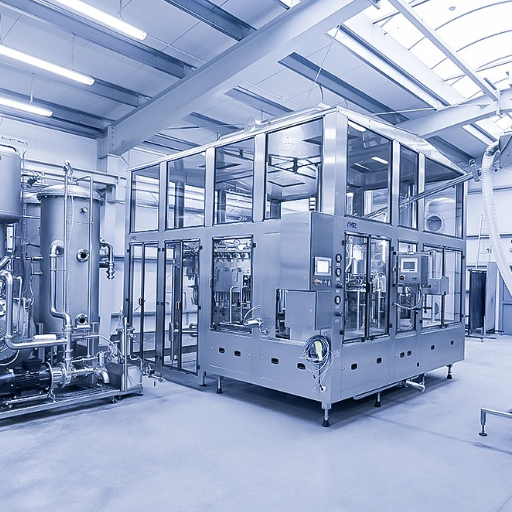
Trending now