Get in touch with Victorystar

Double Head Aseptic Filling Machine – Linear Tube Filler

Contents
show
The Linear Tube Filler – Double Head Aseptic Filling Machine has been seen as an outstanding technological advancement in precision, efficiency, and sterility, particularly in the pharmaceutical and cosmetic industries. With the dual-head prototype and the aseptic technology of our era, the unacceptable dual filling contamination is devoid while the productivity is magnified. This blog post discusses the main features, operational framework, and industry advantages of this innovative machine. Whether you need to streamline production or improve product quality, this detailed yet authoritative guide will explain appearance for the inefficiencies by which the Double Head Aseptic Filling Machine is the way forth at the cutting edge of current flagship manufacturing standards.
Introduction to Aseptic Filling Machines
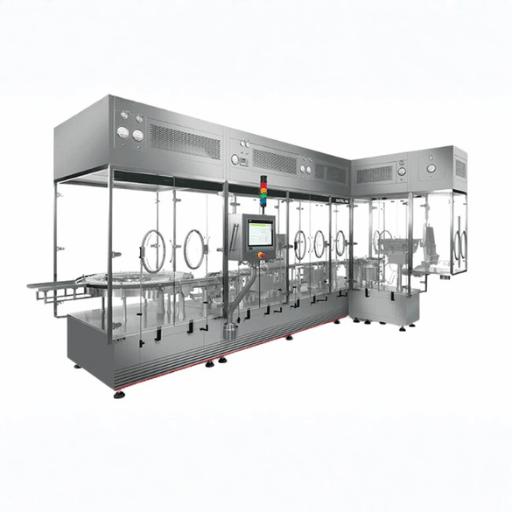
An aseptic filling machine represents a highly specific tool and process intended to fill sterile containers with sterile product in a manner that avoids subsequent contamination and sterility. Filling technology is thus vitally significant for many industries, ranging from food to drink, pharmaceuticals, and biotechnology. As such, the advanced sterilization and sealing techniques offered by the aseptic filling systems are the key leverage methods for modern manufacturers to improve safety measures, increase product shelf-life, and guarantee uniform-quality products-as compliant, for instance, with critical temperature requirements or fragile perishable products. They are correspondingly indispensable parts of any modern manufacturing system that puts emphasis on safety and efficiency.
Definition of Aseptic Filling
Aseptic filling pertains to dry product filling in a sophisticated manner which boasts remarkable specificities so as to fill the content, which has been sterilized, into the container, which is, too, sterilized while remaining within the sterilized atmosphere–with confidence that there will never be a microbial contamination during the whole process. It is virtually indispensable for all industries that involve the highest possible level of cleanliness, as per the hygiene standards, product quality, aseptic processing, together with industrial pharmaceuticals, biotechnology, and some sectors in food and beverage production. This technology includes a tight set of integrated technologies–sterilization methods, sterile material handling process, with automation equipment–maintaining product integrity and ensuring compliance to rigorous standards-required by the regulations.
Importance of Sterility in Filling Processes
Maintaining sterility in the filling process is critically important towards ensuring product safety, efficacy, and compliance with the strictly regulated manufacturing process. Contaminated products will put the patient’s health at risk by being ineffective, expensive recalls may result in loss of reputation, as far as brand reputation is concerned. The manufacturer needs to minimize the risk factor by using controlled environments, proven sterilization methods, and practices of rigorous quality control, thereby ensuring sensitive industry demands are being met such as the pharmaceutical industry and food production.
Overview of Double Head Filling Technology
The Double Head Filling technology promises to streamline the complicated process of filling products in a hectic manufacturing environment thanks to its high accuracy. Employing two filler heads ensures a higher level of output along with driving correct dosage (for the product being filled) and minimal wastage, resulting in a lower overall cost. These heads are equipped and reinformced with advanced sensors and actuated controls to maintain the discharge of the viscous or medium-grade material they carry in a uniform way for the several varieties of products. Hence, this double fill storm speed of throughput, through cycles as it will skip human interference, with faster and more consistent volume again in productivity, making it an indispensable property in the pharmaceutical, cosmetics, and food sector.
Understanding Double Head Aseptic Filling Machines
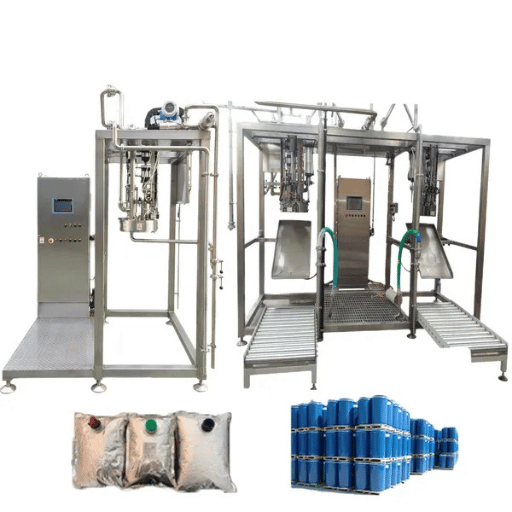
The aseptic filling machines with two heads are advanced machines made to fill two containers simultaneously under sterile conditions. This technology doubles production volume and at no expense to sterility, which is a must for product cleanliness. Significantly, dual filling heads are in sync so that filling volumes in each container are consistent and correct. In the pharmaceutical, food, and beverage industries; the technique becomes a great boon in product reliability and safety maintenance.
What is a Double Head Linear Tube Filling Machine?
A Double Head Linear Tube Filling Machine is built to fill tube-like containers with liquid, cream, or semisolid materials with utmost precision and efficiency. Two filling heads are in synch running in parallel, which enables the filling of several containers simultaneously, resulting in greatly increased production rates. Such technology-driven machines are well-calibrated dosage-wise, preventing any product wastage or lack of uniformity throughout the unit fills. Equipped with adjustable settings and good safety measures, they are a staple in many industries small or large, pharmaceuticals, beauty products, and food processing including; the essence of precision, cleanliness, and compliance with the regulatory standards all the time.
How Double Head Systems Enhance Efficiency
By bringing forward independent designing, dual heads functionally cooperate to complete a synchronic stuffing job to enhance efficiency, besides cutting short working cycles, and keeping a sharp output growth. These systems are engineered to match high-volume processing featuring convenient aim achievement despite minimized delicacy. Dual-stuffing head means small manufacturers can lucratively accommodate elevated items but at no premise of the accuracy level; hence, they become advantageous in the highest-stuffing-capacity production scenario. More crucially, they allow for consequent individual head control, allowing for personalizing the nature of products and their amounts on a single production line. This leaner approach attains heights of productivity and at the same time creates the highest machine uptime with no operating costs.
Applications of Double Head Aseptic Filling Machines
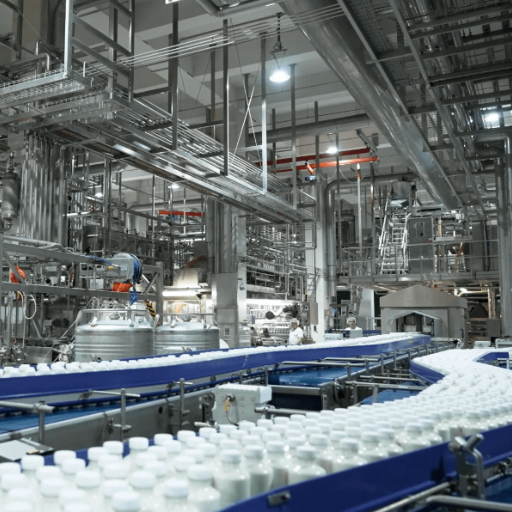
Aseptic filling machines with double heads are used to a considerable extent in various industries, such as pharmaceuticals, dairy, beverages, and biotechnology. These machines are essential for situations that require a high degree of microbial safety, such as intravenous solutions, milk, fruit juices, and cultured products, due to their ability to maintain sterility during the filling process. In addition to high efficiency, these machines are particularly useful in high volume production lines since they prevent consistent and accurate filling operations. Moreover, the adaptability of these machines to different container sizes and materials enables the implementation of these machines to more and different manufacturing requirements.
Benefits of Using Double Head Aseptic Filling Machines

1. Increased Production Efficiency
It’s possible to fill multiple containers at the same time with two fill heads, which indeed minimized production-time requirements, increased the throughput, and maintained accuracy.
2. Enhanced Accuracy
Mechanical filling has ensured consistent and precise fill volumes that eliminate losses and keeps batch sizes uniform.
3. Improved Sterility
Only filling machines designed under aseptic fill environments are considered appropriate for sterile filling processes, and they uphold the sanctity of the product.
4. Versatile
These filling machines are compatible with a variety of containers and viscosities of products offering multiple possibilities to industries like pharmaceuticals, food, and cosmetics.
5. Cost-Effective
Operating costs will reduce over time. Although these machines cut off operating costs and various overheads by doing operations all in one streamlined manner; this is linked to reduced mistakes due to error.
6. Regulatory Compliance
As part of quality assurance in accordance to a number of statutory standards or regulations, the double-head aseptic filling systems adhere to both national and international levels.
Increased Filling Capacity
Filling machines in an aseptic environment with double nozzles yield better filling capacity and lead to concurrent tasks, and this dual process doubles the number of items done with no abnormalities being witnessed in hygienic conditions and good accuracy. Concurrent operations ensure greater optimization with high rates of running accuracy as it is ideal for performance demands. Because of latency cut-offs that contemplate large-scale manufacturing, they are machines requiring minimum downtime to ensure continuous, constant-production workflow.
Improved Sterility Assurance
A rhythm of technological advancements player is found in a screen an adding the latest technically-robust automated system easily minimize human interaction madness and make contamination disappear. Features like closed loops, high-efficiency particulate air filter cleaning, automated washing cycles, and so on to ensure the activity’s favorable side with regard to strict regulatory standards such as ISO and GMP guidelines. The new technology introduces a controlled environment that, under uniform sterile conditions, asserts sterility requirements to protect the integrity of the final product and keep the end users healthy and safe.
Cost-Effectiveness and Production Efficiency
Aseptic processing practices are moving ahead towards sterility by leaps and bounds while ensuring enormous cost benefit production phases. These systems lower human labor costs through automation of critical processes and lessen human errors that create scrap, all the time easing operations and efficiency of both high levels of turnouts and low instances of unscheduled outages. The same turned pressure on equipment provides exact measurements that uphold uninterrupted quality and reduce every risk of cheap product recalls and faulty batches. Therefore, such kinds of strategies are a real must-investment forward for business entities interested in these types of strategies while ensuring financial compliance enumerable regulatory stipulations.
Key Factors to Consider When Choosing a Manufacturer
- Experience and Expertise
Evaluate the manufacturer’s experience and capability in producing aseptic filling equipment. A manufacturer who has stood the test of time with a wealth of successful history has a higher chance of delivering reliable high-quality equipment. - Compliance to Standards
It is important that the company is compliant with relevant regulatory standards, such as ISO certifications or FDA compliance. This way, customers can rest assured that the machines meet industry safety and quality standards. - Customization Capabilities
Assess their capacity to customize, as per your company’s bespoke requirements, and adhere to large over-capacity, layout, linkages with residual plant equipment, among other specific considerations. - Service and Technical Support
A reliable manufacturer should provide an expansive after-sales support system which includes installation, routine maintenance, and also service support. - Cost and Return on Investment
Play around with its pricing scheme and appraise its ability to serve the customer with regard to durability, efficient operation, and cost effectiveness in terms of planned revisions, or increased productivity. - Recognition and Reputation
Survey the available client vote on manufacturer’s repute and also obtain input from the industry to elucidate how it contributes to people’s perception of expected service quality and overall customer satisfaction.
Understanding Your Filling Needs
The beginning for process to fit your fill requirements is acknowledging clearly the profile and volume of dispensed material, which in turn makes a call toward the correct filling technology. It is very imperative that any filling equipment is able to match the production capacities in line with the demanded precision; continuous feed speeds are very imperative. Pertinent evaluation of machine reliability, fit with other systems, and long-term maintenance requirements are paramount to prevent any abrupt stoppage of operation. Nevertheless, make sure that the equipment complies with the set standards and safety regulations so as to ensure a prolonged life generating high-quality product output and safeguarding workers and end users. Finally, a detailed ROI is established, with sought-after factors to aid the balance between initial cost and increased efficiency and performance benefits in the future.
Evaluating Manufacturer Reputation and Experience
Research a vendor’s reputation and experience, emphasizing a track record of quality products being delivered. The amount of time that the vendor has been established in the industry should be checked, as well as the same information on the category of equipment to be purchased to show its expertise. Seek out words of praise, case studies, reference reviews of existing and past customers to verify how they rate in terms of customer satisfaction for the products in the real world. It must be ensured that all stated claims are accompanied by evidence of adherence to certifications and standards relating to the industry, which will vouch for the manufacturer’s actual commitment toward quality and compliance. The important aspects in this direction as well, and these would involve after-sales services entailing things like warranty terms, tech help and spare parts availability when mean to long-term maintenance and operational reliability. Evaluating these points thoroughly will allow locus to be placed on decisions within operation necessity and total cost of ownership.
Assessing After-Sales Support and Service
It is essential to assess the provider’s promptness and technical competence to provide after-sales support services. Availing instantaneous assistance via 24/7 customer support ensures least downtime in instances where critical operations are interrupted. Another consideration would be a company’s capability to swiftly deliver spare parts, including transparency and fairness of warranty policies. Being complemented by a proven service network and clear escalation procedures conveys the provider’s commitment to long-term satisfaction and operational efficiency from the customer viewpoint.
Frequently Asked Questions (FAQs)
What is a double head aseptic filler?
A double head aseptic filler is a high-volumetric manufacturing machine designed to fill liquid products into sterile packages, using two different filling heads for higher efficiency and output.
What industries are the main industries to make use of double head aseptic fillers?
These machines mainly find application in the food industry, dairy processing, pharmaceutical manufacturing, and liquid food production.
What are the main benefits of using double-head aseptic fillers?
The main benefits are increased quality control, sterility amplification, contamination risk reduction, and cost efficiency in running.
What types of products can be filled by these machines?
Filling may include milks, juices, plant-based beverages, soups, sauces, additives, or pharmaceutical solutions.
How does the double-head aseptic filler maintain sterility?
Chemical sterilization is one of the few ways the machine can maintain sterility when it’s doing the actual filling with the process.
Reference Sources
- WATE – FDA Standard Double Heads Bag In Box Aseptic Filling Machine: Exemplifies the benefits of having double-headed aseptic filling machines for liquid packaging in terms of efficiency and sterility.
- Yahoo Finance – Aseptic Filling Machine Market Industry Trends: This provides information on growth and trends in the aseptic filling machine markets.
- Coherent Market Insights – Filling Machines Market Share and Opportunities: Covers market size, growth trends, and opportunities in filling machines of the aseptic solution kind.

Candy
Articles: 37
Trending now