Get in touch with Victorystar

What is the Yogurt Processing Line?

Contents
show
The yogurt processing line is the major step in the evolution of raw milk into the smooth, rich, and tasty yogurt which has already turned into an everyday food item all over the globe. The modern wonder employs a mix of science, technology, and accuracy in producing a product that caters to the need for both nutrition and taste. The entire process which includes pasteurization and fermentation then followed by packaging and distribution involves several steps that are very well coordinated to assure quality, consistency, and safety. This article will show you the yogurt processing line, explaining how your favorite yogurt is made and also the innovations that make it possible, at the same time. No matter what your status is—be it food lover, health-conscious consumer, or mere curious person—this tour will give you an enlightening glimpse into the process of turning milk into yogurt.
Understanding Yogurt and Its Production
Definition of Yogurt
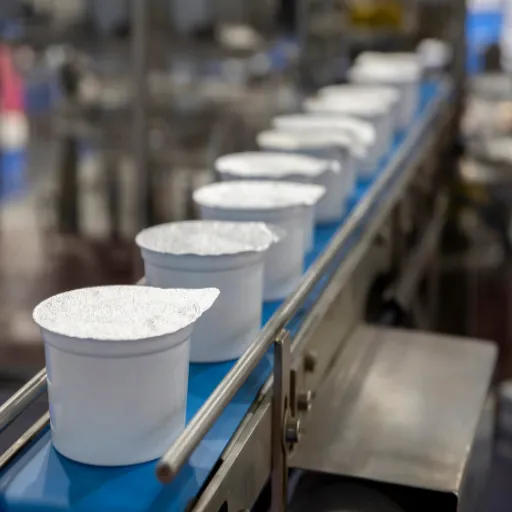
Yogurt is a kind of milk product that through fermentation has become yogurt and has been the resultant product of the bacteria converting the milk through the process of fermentation. The procedure implies that the live cultures of a particular kind of bacteria which are mainly Lactobacillus bulgaricus and Streptococcus thermophilus, get inoculated in the case of milk with the lactose being then converted to lactic acid. The method results in both syneresis in milk and sourness of yogurt. The nutritional values declare yogurt to be one of the most nutritious food items and for this reason, it finds a place in the daily diet of most people around the globe. Yogurt is an excellent source of protein, calcium, and also probiotics which are defined as live microorganisms that are good for gut health and digestion, hence yogurt is consumed a lot by health-conscious individuals.
Types of Yogurt Products
Yogurt comes in various forms to suit the taste, the diet, and the culture of different people. Some types of yogurt include:
- Traditional Yogurt
This yogurt is made of whole milk and has a very creamy and balanced taste. It is also one of the most popular varieties around the world.
- Greek Yogurt
Greek yogurt has a heavier and more velvety texture due to the significant amount of straining done to eliminate whey, hence, resulting in a rich protein product that is low in sugar.
- Non-Dairy Yogurt
Lactose-intolerant and vegan people are the primary consumers of this type of yogurt which is made from plant-based milks like almond, coconut, soy or oat.
- Skyr
This yogurt is thicker and has more protein than Greek yogurt; the taste is smooth and rich with a slightly sour finish. Iceland is the source of Skyr.
- Flavored Yogurt
This includes fruits, vanilla, honey, or other flavorings that make them suitable for people who prefer sweeter versions.
📊 Consumer Trends Insight
As per the most current information from search engine trends, there is a remarkable increase in the interest and demand for non-dairy yogurt which is an indication of plant-based diets becoming more widely accepted and sustainable food options being a major concern. Apart from that, yogurt and Skyr which are high in protein and low in sugar have gained search popularity, as a pro-health diet trend. All this together has made yogurt to consistently evolve with, and at the same time, be the mirror of modern tastes and dietary demands, which are changing consumer habits across the world.
Importance of Yogurt in the Dairy Industry
Yogurt is the backbone of the dairy industry because it is one of the most adaptable and widely consumed dairy products across the globe. It is said to be a major contributor to the dairy industry and consumer demand for yogurt products has increased significantly, according to the recent search data. Products have characteristics such as non-dairy, high-protein, and low-sugar which cater to varied dietary needs. Thus, yogurt has the ability to adapt and meet the changing preferences of consumers, which is why it is a chief contributor to the growth of the dairy sector. It has not only been a source of nutrients but also a convenient snack or meal option, which is why it is quite popular amongst the consumers; thus, it has reinforced its role in the dairy industry by making the dairy industry relevant and profitable even during shifts in market trends.
Components of the Yogurt Processing Line
Overview of Essential Equipment
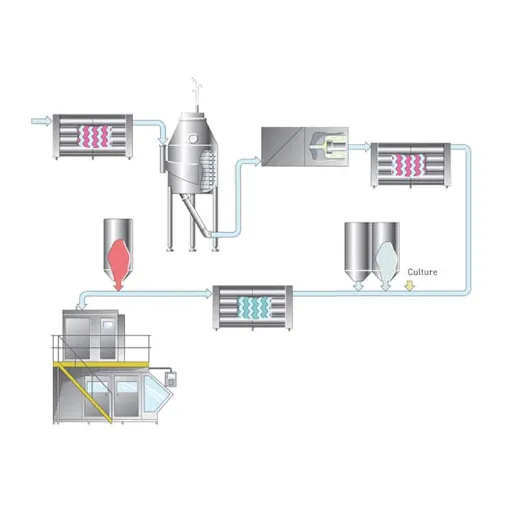
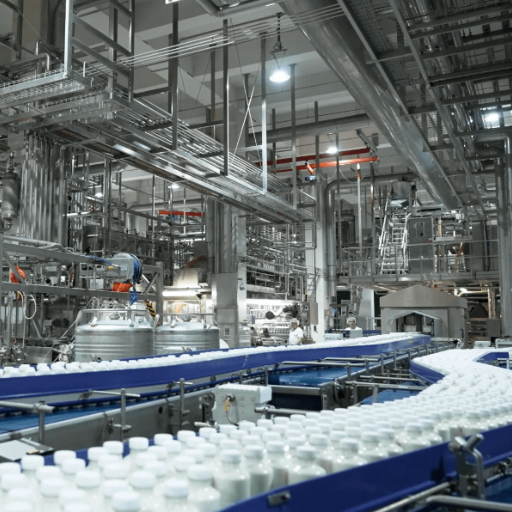
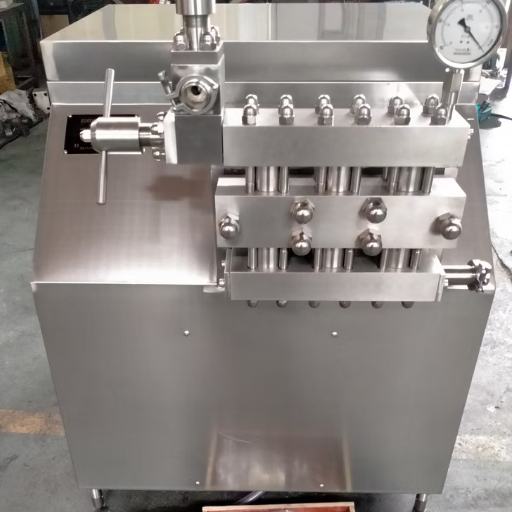
A yogurt processing line is made up of a number of critical parts, all of which have been designed specifically to make the production process quicker, cleaner, and of good quality. The main equipment consists of pasteurizers, which are used for early heating and sterilizing of milk, homogenizers, which are used to make the texture smooth and uniform, and fermentation tanks that are used for controlling the temperature and time accurately for the growth of the good bacteria. Also, the packaging machines are very important for the various formats of yogurt coming from the small single-serve containers to bulk options which meet the demand of different customers.
🌱 Sustainability Focus
One of the most common questions that come up regarding yogurt processing equipment, according to the latest data from search engine trends, is whether there are any energy-efficient solutions. Energy-saving technologies such as heat recovery systems and automated monitoring tools are commonly integrated in modern yogurt production facilities to achieve sustainability while lowering operating costs. This is in line with the increasing concern about eco-friendly manufacturing since customers are more and more looking for such practices in the food industry. These innovations, as a result, not only transform production but also fortify consumer confidence in sustainable practices.
Role of Yogurt Processing Machines
The yogurt processing machines are the main factor for the smooth and quality production of yogurt. They are supposed to handle the whole process of pasteurization, fermentation, and packaging with very high precision thus the end product will have the same texture, flavor and safety standards. The terms “efficient yogurt machines” and “automated yogurt processing” have been witnessing a steady rise in searches, which is an indicator of how much people are interested in the high-tech innovations in this field. Such modern yogurt processing machines with features like automated control systems, temperature regulation, and real-time quality monitoring will not only increase their production capabilities but also contribute to saving energy and reducing waste. The entry of these machines in the market is going to be essential for dairy producers who want to be customer-friendly, maintain their position in the ever-growing dairy market and get the technology-oriented customers.
Storage Tanks and Their Importance
Storage tanks play a crucial role in the dairy industry, particularly in the production of yogurt. They are used in the processes of storing raw milk, intermediate products, and finished yogurt very safely and efficiently. Stainless steel has been chosen as the material for construction since it guarantees the best hygiene and the capacity of the tanks to be very strong. The tanks’ temperature regulation is maintained exactly to the required degree, and contamination is entirely avoided. Efficient storage tanks have reached the top of their efficiency due to the automation of stirring, temperature sensing, and the application of CIP (Clean-In-Place) techniques. Recently, there has been a notable rise in the dairy sector’s online search queries for eco-friendly and energy-efficient storage solutions, which indicates the beginning of a sustainability trend in the sector. Good storage provision is not only a prerequisite to the survival of the yogurt quality and safety but also to the manufacturers’ end of the year profit where they can expand their production and simultaneously meet the consumers’ increasing demand without any difficulty.
The Yogurt Production Process
Milk Reception and Quality Control
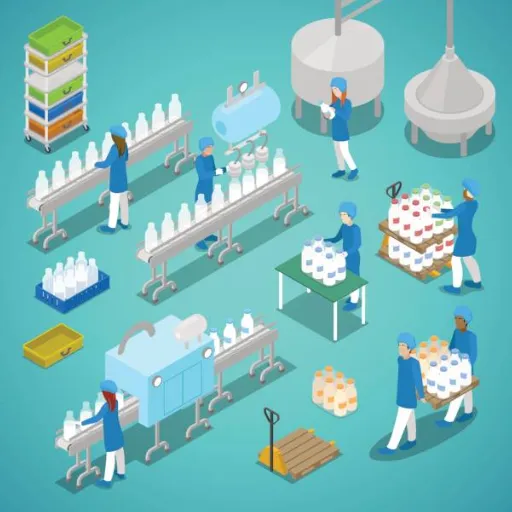
The first step to the top quality milk being used in yogurt production is milk reception. The process starts with the arrival of the milk to the dairy processing plant, where it is subjected to a series of tests such as checking for freshness, measuring pH, calculating fat content, and ensuring the absence of contaminants. This process plays an important role not only in compliance with the regulators but also in the consistency and taste of the final product.
As per the most recent data from the search trends, consumers are used to asking questions about how quality is preserved during the milk reception. The answer is in technology-based methods like automated sampling systems and real-time quality monitoring. These technologies lessen human error, increase proficiency and at the same time, improve the traceability in the whole supply chain. This devotion to accuracy and security is in sync with the rising consumer need for openness in food production.
Raw Material Handling and Preparation
In raw material handling and preparation, the quality of the product must be good and modern technologies are already doing it. The trend data from search engines shows that people often ask, “What are the initial treatments of raw materials that will guarantee both food safety and good quality?” The answer is using modern tools and having strict rules applied throughout the process.
Key Quality Control Measures:
- Automatic filtration systems are put into use to get rid of the dirt
- Advanced cooling methods that keep milk at the right temperature for preventing spoilage
- Cleaning-in-place (CIP) systems used for tanks and pipelines guarantee that all the equipment that comes into contact with raw materials is properly sanitized, thereby preventing cross-contamination
When these technologies are integrated with real-time tracking and monitoring, they not only maintain the quality of raw materials but also make the entire food production process safer. The commitment of the industry to transparency and consumer expectations is portrayed through the powerful partnership of quality and safety.
Introduction of Bacterial Cultures
Bacterial cultures are the most crucial factor in food, health, and biotech industries. These cultures are made up of selected strains of advantageous bacteria that undergo a delicate process and are then made to specific activities such as fermentation, preservation, and flavoring. In the process of dairy production for instance, bacterial cultures not only convert milk into yogurt and cheese but also improve the nutritional and probiotic properties of the latter. The advancements in microbiology and technology have made it possible to screen and refine bacterial strains for specific applications thereby ensuring both effectiveness and uniformity.
It is safe to say that based on current search engine data, consumers are more concerned about the use of natural ingredients in the products they buy. Bacterial cultures are one of the most natural and sustainable ways to enhance the quality of food products and improve gut health. This trend confirms that the use of bacterial cultures remains not only in the area of productivity but also in the delivery of modern consumer needs.
Yogurt Making Process Flow Chart
The creation of yogurt is a combination of both art and science since it is a matter of one quality and flavor. An overview of the flowchart of yogurt-making process is provided below:
The latest search engine data shows that consumers are more focused on health and are thus opting for natural and functional food like yogurt the most. Bacterial cultures are very important during the making of yogurt because they are responsible for the taste and texture as well as for the health of the intestines. Their presence is similar to that of artificial additives since they cannot be seen, but they do exist and their effects are beneficial. This explains the acceptance of the innovative use of bacterial cultures as it keeps the consumers asking for more.
Fermentation and Incubation
In yogurt making, the two crucial steps are fermentation and incubation that enable bacterial cultures to transform milk into a pure, tasty, and nutritious product. Fermentation is a process in which the bacteria convert the sugar lactose into lactic acid thereby reducing the pH giving the yogurt its distinctive tangy flavor. The other process, incubation, is very important because it provides the proper warmth needed for the bacterial cultures to grow and thus the fermentation to reach its peak quickly. According to search trends, the science of fermentation and incubation has become a matter of consumer interest more and more often, mainly with respect to health benefits and the use of probiotics. The inseparable connection between consumer interest and yogurt production modes of operation emphasizes the latter’s engagement and sometimes even the loudness of being transparent about their practices.
Cooling and Storage Protocols
The integrity and health benefits of probiotic-rich products can still be preserved if proper cooling and storage protocols are strictly followed. After the fermentation process, quick cooling is very important in order to stop the bacterial activities at the desired stage that keeps the balance between live cultures. Usually, the temperature of storage for such products is kept between the ranges of 35°F to 40°F (1.7°C to 4.4°C) which not only maintains but also extends their shelf life and potency.
💡 Storage Best Practices
On the basis of search engine data, one of the most common questions asked by users is, “What is the shelf life of probiotics?” The shelf life is dependent on the storage conditions and their temperatures being according to the guidelines. Probiotic products that are consistently stored in a cold environment and sealed packaging can remain effective throughout the labeled shelf life. However, heat, light or temperature swings can quickly reduce their potency. This stresses the necessity of sticking to manufacturers’ directions and comprehending the factors that affect probiotic viability.
Final Packaging Techniques
In discussing final packaging techniques and their effect on product efficacy, search data points to significant trends and practices. The right packaging is critical in preserving the live probiotics by forming a barrier against humidity, oxygen, and light which are environmental factors that can reduce their viability. Among the various mentioned methods of preserving potency are using desiccant-lined containers, blister packs, and vacuum-sealed materials. The search insights also point out that consumers prefer to have clear labeling informing them of temperature guidelines and expiration dates to ensure proper handling. Such strategies when blended with the newest improvements in manufacturing and packaging offer a complete approach to maintaining probiotic efficacy from the beginning to the end of the product’s lifespan.
Advancements in Yogurt Production Technology
Recent Innovations in Yogurt Processing
Recent processing tech developments for yogurt have aimed at nutrition and the experience of consumers. The biggest innovation is the high-pressure processing (HPP) which has its benefits on shelf life and blocking the death of the probiotics caused by the heat, so that the product is as natural as it is possible. Besides this, precision fermentation tech is another contributor who helps the manufacturer with producing yogurt with the exact protein amount for the specific dietary requirement.
🔬 Cutting-Edge Technologies:
- High-Pressure Processing (HPP): Extends shelf life while preserving live probiotics without heat treatment
- Precision Fermentation: Allows manufacturers to produce yogurt with exact protein levels for specific dietary needs
- Encapsulation Techniques: Protect probiotics from death during processing and storage
- Refined Fermentation Processes: Improve texture and taste of plant-based yogurt alternatives
Based on search insights, more and more consumers are looking for “healthy yogurt options with live probiotics.” This has led to installing of encapsulation techniques, which in turn protect the probiotics from death during the processing and storage thereby making sure that the probiotics are alive when consumed. Moreover, data suggests that there is a growing interest in plant-based yogurt alternatives which is why the non-dairy manufacturers are trying to come up with the better texture and taste of non-dairy products through refining the fermentation process. The yogurt industry, through the application of both cutting-edge technology and consumer preferences, is producing in line with the changing priorities of health-conscious consumers.
Future Trends in Commercial Yogurt Production
Present-day and future functional and personalized nutrition concerns, according to the new data, are going to be the driving force behind commercial yogurt production. The searches for probiotics-rich yogurts and customizable dairy-free yogurts have increased, indicating a need for both health benefits tailored to the individual and accommodated to the specific dietary requirements. There is a billion-dollar market on the horizon, with the manufacturers taking full advantage of the latest biotechnology, such as precision fermentation, and developing new probiotic strains to be able to produce yogurts with specified health outputs i.e. better gut, stronger immunity, or even stress relief. This trend indicates that there is a very strong link between the innovative industry and the consumer’s current wants therefore, the health impact and personalization are both very critical elements in the increasingly changing yogurt market.
Impact of Technology on Quality and Efficiency
использование технологий в молочной промышленности полностью преобразила制造重科技据,二者的生产酸奶的过程中. The precision sensors, that are the part of an automated production line, assure the same texture, flavour, and nutrient content all over the production process which means human error is reduced to zero and full product reliability is achieved. Also using artificial intelligence and machine learning are all tech innovations that help the producers, besides, to analyze huge datasets including consumer search trends, in order to discover the most wanted characteristics of yogurt. The latest data from search engines show a continuous increase in terms such as “high-protein yogurt,” “low-sugar options,” and “probiotic-rich snacks”. Manufacturers have turned the data into their advantage by adjusting their recipes and production plans according to consumers’ needs guaranteeing thus their relevance in the market as well as smooth operation. The collaboration of technology and consumer insights is crucial for the future of the yogurt industry.
Frequently Asked Questions (FAQ)
Key Equipment Comparison Table
Production Best Practices Checklist
✓ Quality Assurance Checklist
- ✓
Conduct thorough milk quality testing upon reception (pH, fat content, contaminants) - ✓
Maintain pasteurization temperatures according to regulatory standards - ✓
Ensure proper cooling to optimal fermentation temperature (110°F/43°C) - ✓
Use high-quality bacterial cultures (Lactobacillus bulgaricus and Streptococcus thermophilus) - ✓
Monitor fermentation process closely (4-8 hours duration) - ✓
Implement rapid cooling protocols to preserve probiotic viability - ✓
Maintain storage temperatures between 35°F-40°F (1.7°C-4.4°C) - ✓
Use CIP (Clean-In-Place) systems regularly for equipment sanitation - ✓
Implement real-time quality monitoring and automated control systems - ✓
Ensure proper packaging with moisture, oxygen, and light barriers
Advantages and Disadvantages of Modern Yogurt Processing
✓ Advantages
- Consistency: Automated systems ensure uniform texture, flavor, and nutritional content
- Safety: Advanced pasteurization and monitoring eliminate harmful bacteria
- Efficiency: High-volume production meets growing consumer demand
- Innovation: Technology enables new product varieties (plant-based, high-protein)
- Sustainability: Energy-efficient systems reduce environmental impact
- Quality Control: Real-time monitoring maintains high standards throughout production
✗ Disadvantages
- High Initial Investment: Modern equipment requires significant capital expenditure
- Technical Expertise: Specialized knowledge needed for operation and maintenance
- Energy Consumption: Large-scale operations require substantial power resources
- Complexity: Multiple interconnected systems increase potential failure points
- Maintenance Costs: Regular servicing and part replacement can be expensive
- Scalability Challenges: Expanding production may require entire system upgrades
Key Takeaways and Summary
🎯 Essential Points to Remember
The Transformation Process: Yogurt production is a sophisticated process that transforms raw milk into a nutritious, probiotic-rich product through carefully controlled pasteurization, fermentation, and packaging stages.
Critical Equipment: The yogurt processing line consists of essential equipment including pasteurizers, homogenizers, fermentation tanks, storage tanks, cooling systems, and packaging machines—each playing a vital role in ensuring product quality and safety.
Bacterial Cultures: Lactobacillus bulgaricus and Streptococcus thermophilus are the primary bacterial cultures responsible for converting lactose into lactic acid, creating yogurt’s characteristic tangy flavor and beneficial probiotic properties.
Technology Integration: Modern yogurt production incorporates advanced technologies including automated monitoring, precision sensors, AI-driven analytics, and energy-efficient systems to optimize quality, efficiency, and sustainability.
Consumer Trends: The industry is responding to growing demand for plant-based alternatives, high-protein options, low-sugar varieties, and products rich in live probiotics, reflecting health-conscious consumer preferences.
Future Innovation: Emerging technologies such as high-pressure processing (HPP), precision fermentation, and encapsulation techniques are revolutionizing yogurt production while maintaining nutritional benefits and extending shelf life.
💼 Industry Implications
The yogurt processing line is an important place where old dairy methods meet new technology. The evolution of consumer preferences to healthier, more sustainable, and personalized nutrition options is a significant reason for manufacturers to invest in advanced processing equipment and techniques to be innovative. The combination of energy-efficient systems, automated quality control, and biotechnology not only guarantees the highest product quality but also the dairy industry being able to face the challenges of a rapidly changing market. Knowledge of these processes is necessary for all stakeholders in food production, from manufacturers to consumers, who demand transparency in the production process of their food.
Reference Sources
- Arminoks
This site explains how yogurt is produced, detailing the processes of pasteurization and fermentation, and highlights the unique taste achieved through the production line.
- IBC Machine
Provides insights into yogurt processing lines, including the production of set and stirred yogurt based on customer requirements.
- Shbenyou
Offers a comprehensive overview of yogurt processing lines, describing the equipment and machinery used in large-scale yogurt production.

GW
Articles: 39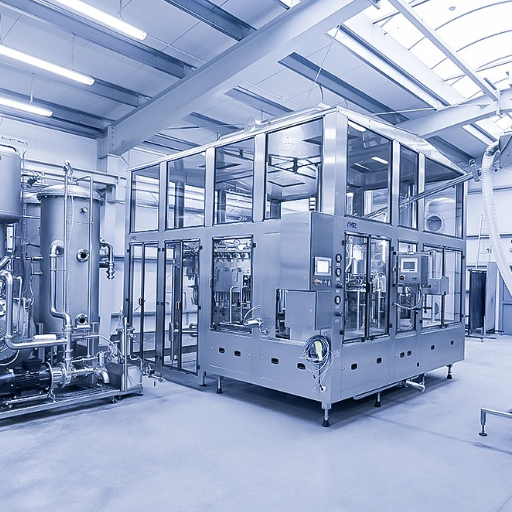
Trending now