Get in touch with Victorystar

Ultra Clean Bottle Filling Machine: Top Manufacturers and Features

Contents
show
In industries such as food and beverages and pharmaceuticals, everything revolves around hygiene and efficacy. When it comes to such sensitive manufacturing lines, ultra-clean bottle filling machines need to be in the forefront. These technologically advanced systems are made for minimizing risks of contamination unevenly matched by any increase in productivity. This article will delve deep into the sophisticated characteristics of these machines and point out market leaders highlighting innovation. You will gain insights to discover how the machines lead to a new paradigm of hygiene and efficiency standards while looking for new equipment or becoming updated on the latest changes in the industry.
Introduction to Ultra Clean Filling Machines
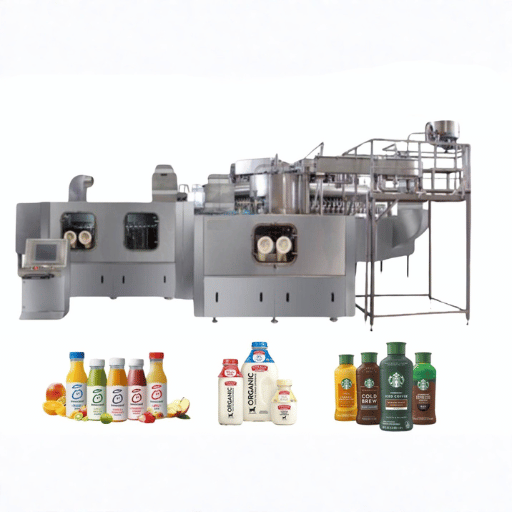
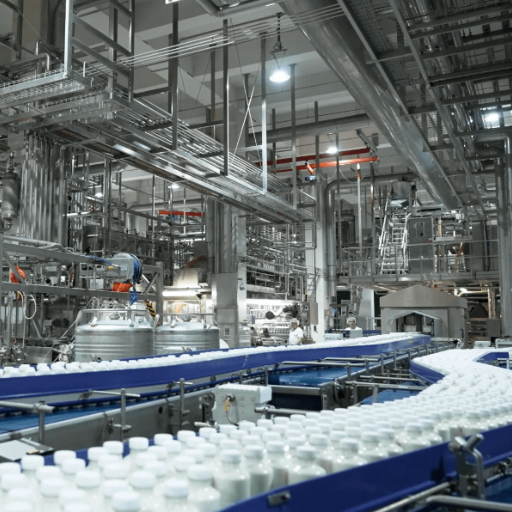
Ultra clean fillers have become a specialized equipment to ensure good hygienic standards during filling while reducing the risk of microbial contamination. They are broadly used in food and beverage, cosmetic, and pharmaceutical industries, for which food safety is critical. These machines have a controlled environment that is well maintained with specifications like respirable air, auto cleaning system, and sophisticated sealing units to sustain the product’s integrity. These equipment strictly follow the guidelines provided by the multiple industry statutory bodies and therefore assure the conduct of the production process effectively and legally.
Importance of Hygiene in Dairy and Beverage Industries
The best and most important step is adressing good hygiene in the dairy and beverage sectors. First and foremost, the protection of the products, the extension of their shelf-life, and compliance with stringent regulations are ensured. Contamination risks such as microbial growth and cross-contact of allergens could lead to the compromise of the integrity of the product and the health of the consumer. For eliminating contamination at every production stage, advanced hygienic techniques such as CIP (Clean-in-Place) systems, sterile processing environments, and strict quality measures are a necessity. Upholding sanitation and new practical hygienic engineering practice allows manufacturers to meet all their regulatory responsibilities and protect the reputation of their brand as well as the trust of their consumers.
Overview of Ultra Clean Filling Technologies
Ultra-clean filling technologies are an important innovation in contemporary food and beverage manufacturing for providing extended shelf life without affecting product safety or quality. Such technologies require the use of aseptic environments that are controlled and in combination with advanced sterilization techniques for all parts that come in contact with the product and for packaging materials. Key hallmarks involve HEPA-filtered air flow, accurate filling mechanisms to prevent exposure, and compatibility with automatic cleanliness procedures like CIP and SIP (Sterilize-in-Place). By regularizing best practices in this area, these technologies held the manufacturers gain high levels of optimization, meet higher regulatory standards, and please the consumers who demand safe and preservation-free products.
Applications in Liquid Dairy and Juice Filling
The aseptic filling technology is widely used in the preservation and packaging of liquid dairy products and juices. The perishable commodity will thus be preserved and processed so it maintains its original nutritional and taste values without the use of preservatives. With the aid of sterilized conditions and sophisticated filling systems, manufacturers are able to avoid contamination from microorganisms and have a longer shelf life for milk, yogurt drinks, fruit juices, and plant-based beverages. Moreover, the advanced technology of aseptic systems allows precise control of the gentle treatment of delicate formulations containing, for example, vitamins or probiotics, thus meeting the needs of consumer health expectations and regulatory compliance alike. Therefore, great importance is felt within the liquid food manufacture industry since this technology offers great convenience for high-throughput production environments.
Top Ultra Clean Filling Machine Manufacturers
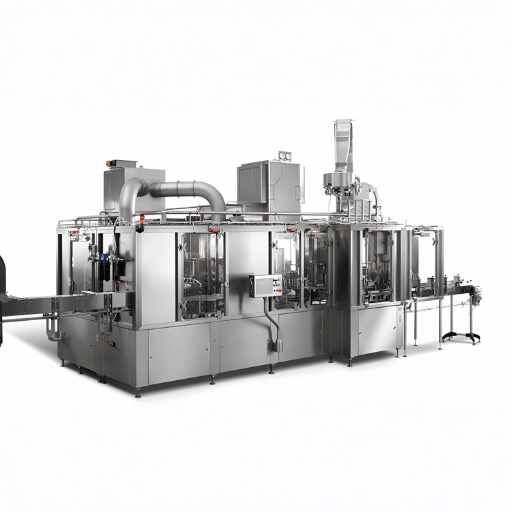
1. Tetra Pak
Ultra-clean technology is the hallmark of aseptic filling range produced by the well-known Tetra Pak to cater to the ultra-clean filling and packaging of liquid dairy and beverage products for both efficiency and hygiene requirements.
2. Krones AG
Among the leading producers of beverage filling technology for the industry, Krones AG has been able to put in place a basis for the provision of ultra-clean filling systems from the IDEAL FILL and gadget to meet hygiene norms in any type of application.
3. GEA Group
The GEA Group brand provides innovative ultra cleaning machines that incorporate solutions for the application of the extraction of heat in form liquid in a completely clean filly for multiple liquid products.
4. SIG Combibloc
SIG Combibloc is among the strongest developing companies for aseptic and sterile technologies for filling with various required attributes to maximize product quality and, explicitly, to provide longer shelf life.
5. Serac
Specialists in the field of filling and packaging solutions, Serac presents ultra-clean systems endowed with perfect engineering, to fill liquids with outright precision and absolute cleanliness.
Leading Brands in the Market
The ultra-clean filling landscape is glowing with players cherishing the secrets of their own corporate culture: innovation and premium quality. In the first case, Tetra Pak remains a forerunner with state-of-the-art systems that amalgamate sterilization and highly exacting filling techniques; in the same direction, SIG Combibloc leads in offering eco-friendly and efficient aseptic packaging solutions to keep product integrity intact; whereas Serac is reaching new heights with their top engineering performance for creating high-powered ultra-clean lines-oriented to various industrial applications. These brands, all together, are expected to provide a yardstick for aseptic integrity, operational efficiency, and congruency with a strict hygiene code in liquid filling and packaging.
Innovative Technologies by Manufacturers
The liquid filling and packaging sector has seen a few advanced technologies being embraced to boost efficiency, accuracy, and sustainability. Among these, one obvious such would be the use of smart automation with AI-powered sensors and real-time monitoring of all processes. This not only leads to more precise filling and less wastage but also cuts off downtime. Also, they function for aseptic processing, which has improved with new sterilization technologies and ultra-clean systems for handling sensitive products in a quality-conscious manner. Environment-friendly machinery and an increased presence of sustainable materials are two other inroads undertaken by the industry aiming to reduce rather than maintain an environmental impact. Together, these trends emphasize the sector’s drive towards operational optimization and securing the evolving tastes and market demands as well.
Comparative Analysis of Manufacturer Offerings
Comparative Analysis of Manufacturing Offerings ought to include crucial parameters such as technical expertise, posing towards coherency, and adopting a framework for sustainability. The choice to embellish practices, such as advanced automation, precise engineering, and modular system design, provides substantial improvement to operative output and serves to meet all kinds of production requirements. Alongside it, the release from stringent industry standards, such as ISO certifications and environmental legislation, ensures reliability and customer confidence. By choosing green technologies and materials, companies are advocating for global sustainability concerns and creating long-run economic efficiency. Finally, a collaborative effort between innovation, compliance, and ecological responsibilities ultimately classifies manufacturers as a prime lot in the vast battlefield.
Key Features of Ultra Clean Filling Machines

1. High Standards of Hygiene
The components have been thoroughly tested in terms of design for noncontamination through advanced aspects of sterilize filling, thereby keeping the product in the utmost secure status.
2. Shelf-Life Expansion
Dedicated for perishable liquids. As the goods pass through the least possible contamination point beforehand, the machine will offer the capabilities to expand the life span of the perishable foodstuffs in terms of quality.
3. High Filling-Precision
The exact precision of filling by this machine can be achieved only by the use of complex machine measurements. Consistency, reduced waste, and useful outcome are the three byproducts of the filling process.
4. Compatibility with Flexible Liquid Variety
Ultra-clean filling equipment is used for all forms of liquid handling, be it dairy, beverages, or pharma, symbolizing versatile utility across various fields.
5. Effective Cleansing Processes
Sterilization-in-Place (SIP) and cleaning-in-Place (CIP) amenities, within the same machinery same room, provide sanitation to the full with least production shutdown hours.
6. Energy-Efficient
Many of these filling machines are geared toward lessening net energy use, thereby protecting against environmental degradation.
Hygienic Design Standards
Regulatory norms related to hygienic designs are the basis of the stability of safety, quality of any consumer service and compliance in sectors with stringent sanitary guidelines. The hygienic norms have different principles including the use of such inert materials as stainless steels to prevent contamination, smooth surfaces to prevent microbial growth, and smooth surfaces creating no dead spots. All systems being developed should meet international regulations, such as those issued by EHEDG (European Hygienic Engineering & Design Group) or 3-A. Synthetics are absolutely necessary for protecting the product’s identity and protecting the confidence and compliance in these sectors, particularly in food processing, drugs, and biotechnology.
Aseptic Filling Capabilities
Aseptic filling capabilities play a particularly important role in maintaining the sterile nature of packaging and ensuring contamination is stopped. Accordingly, the configuration embodies very advanced equipment, such as isolators or RABS (Restricted Access Barrier Systems), to have environmental controls—air filtration, pressure differentials, humidity—all kept within bearable limits. The effective aseptic filling systems will also make a feature of sturdy sterilization methods like steam, chemicals, or ionized air; apart from this, automated monitoring will oversee how the system consistently maintains alignment with the incredibly rigorous standards of the pharmaceutical community (e.g., ISO 13408). The mechanisms fit perfectly for applications that impose an extreme requirement for hygiene, especially in pharmaceuticals and biotechnology, where the product can have an impact on patient safety and efficacy.
Weight Filling vs. Volume Filling
Weight filling and volume filling are two different techniques used for various industrial applications, each most apposite to some operational needs. Weight filling employs product mass as a gauge of product volume, achieving high accuracy irrespective of the density and temperature variations, rendering it particularly suitable with highly accurate requirements such as in the chemical or pharmaceutical industries. On the other hand, volume filling only fills the quantity of the product, typically following pre-set capacities of containers or flow rates. While faster and cost-effective with products that are fairly consistent, like in beverage application, this is less effective for products with different densities or viscosities. The choice of method is a matter of the state of the product, the degree of accuracy required, and compliance with any regulatory requirements.
Choosing the Right Ultra Clean Filling Machine
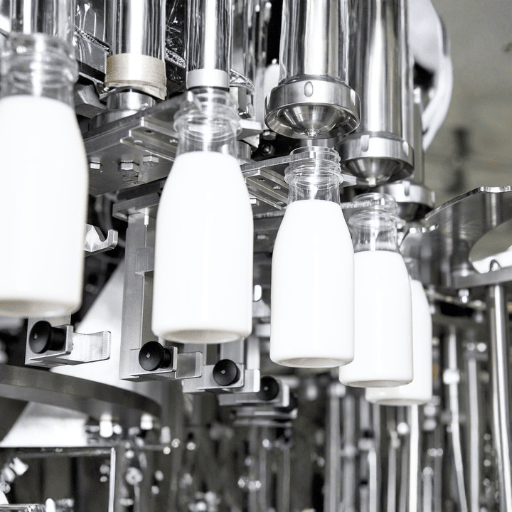
Several factors are involved in selecting the most appropriate clean filling machine for your needs. Firstly, it should be considered which product is going to be filled, as different machinery is special for liquids, semi-solid, or foam. Secondly, you should check the required machine production capacity to make sure the machine will fulfill the speed and output needs. Additionally, it is much beneficial to consider factors, indeed emphasizing the requirement of hygienic design and aseptic filling, when operating delicate wares e.g., dairy, beverages, and pharmaceuticals. At the operational level, the machine must also have energy-efficient features and integrated cleaning processes, which end up saving long-term costs and sustainable operations. Finally, ensure that the machine operates according to regulatory requirements and matches the operational objectives.
Factors to Consider for Dairy and Beverage Products
- Product Characteristics:
Consider viscosity, temperature sensitivity, and risk of adulteration when selecting equipment - Heat-Exchange Systems:
Ensure processing systems encompass high-grade heat-exchanges to ensure product integrity and quality consistency - Material Standards:
Machinery should be made of food-grade material and comply with FDA and EHEDG standards for cleanliness - CIP System Compatibility:Check compatibility with Clean-In-Place systems to keep maintenance and cleanings short, minimizing downtime
- Pressure Flexibility:
Keep systems pressure-flexible for preparations like cider or carbonated sensitive beverages, ensuring product safety and efficiency
Focusing on these things will optimize the entire flow of components, achieve the minimum potential contamination risk, and maintain the product’s consistent quality.
Customization Options and Flexibility
In assessing customizability and flexibility, a focus should be given to modular system designs to adapt to various production demands. Opt for equipment that offers customization of such key parameters as capacity, type of product, and packing formats to meet specified operating requirements. Additionally, for future expansions or up-gradations, go for systems that are poised to include configurable components or high-end integration capabilities so Industry 4.0 parameters are attained. Thus expanding the viability for operations while keeping humanly scalable viability would occur in this way.
Cost vs. Performance Analysis
A paramount factor in conducting a cost-versus-performance study is examining TCO compared to the initial capital expenditure. This includes considering the impact of system performance on operational efficiency, product yields, and downtime. Superiorly performing equipment may have a higher up-front cost, but through greater reliability, less maintenance, and higher throughput nominally leads to quite significant long-term savings. On the other hand, cut-price options could be pretty expensive in terms of maintenance, repairs, and inefficiencies in the long run. Operational requirements coupled with durability over the lifecycle to derive return on investment should be carefully addressed so that this selected solution answers the needs in line with immediate business goals and strategic objectives.
Reference Sources
King Machine – Application Advantages for Ultra-Clean Filling Machine
The ultra-clean filling machines application that discusses the advantages for the less contamination and increased product safety.
Effytec – Ultra-Clean Technology
Considerations as for the use of ultra-clean technology in the manufacture of packaging machinery for different fields.
Mordor Intelligence – Filling Machines Market Report
Discussion highlights, pertinent to global filling machines markets, about the latest development and growth drivers.
Beverage Industry – Flexible and Eco-Friendly Filling Technology
This covers the market dynamics for flexible and sustainable filling technologies in the beverage industry.
Hema – Milk and Liquid Dairy Products Filling Machines
Describing ultra-clean filling with suitable capping configuration for dairy products of short or extended shelf life.
Frequently Asked Questions (FAQs)
What is to be meant by an ultra clean milk filling machine?
A machine of this kind is dedicated to filling milk and liquid dairy products, minimising contamination of whatever kind in the product, in separate conditions of hygiene.
Who uses ultra-clean milk filling machines?
Dairy producers, and beverage and food manufacturers as well as contract packaging services, are used in the use of such equipment.
Benefits of Ultra-Clean Filler for the users?
Extended product shelf life, floor pollution risk, and more compliance with strict hygiene standards.
How conscious is the ultra-clean operation of the filler?
The equipment works to ensure no contamination may appear on the product at the instant of packaging, using advanced sterilization and sealing technology.
What types of systems do these machines fill, then?
These machines fill milk, liquid dairy, and other beverages requiring an ultraclean buffer.

Candy
Articles: 37
Trending now