Get in touch with Victorystar

How Does a HPP Machine Work? Understanding High-Pressure Processing in the Food Industry

Contents
show
High-Pressure Processing (HPP) is a technology that is changing the food sector drastically since it allows fo d safety and edibility to be done by thermal and non-thermal means all at once while maintaining the taste, texture, and nutrition that consumer prefer. But what is the mechanism behind this cutting-edge technology? If you are a food industry worker who is working on improving the quality of the product or a curious consumer who is wondering about the shelf life of your favorite fresh juices and deli meats, this article will decode the HPP technology for you. Join us in revealing the science behind high-pressure processing, the major benefits, and the discussions about its growing impact on food production and consumption.
Introduction to High-Pressure Processing (HPP)

What is HPP?
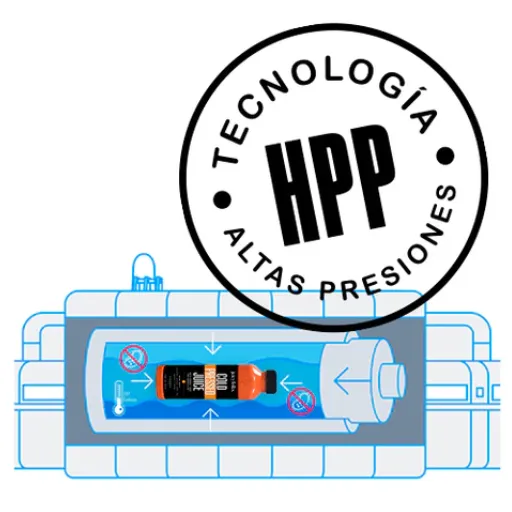
High-Pressure Processing (HPP) is a food preservation technique that does not involve heat and is able to prolong the life of food products by high power which kills germs while taste and nutrition of the product remain intact. The process includes putting food into containers, mostly already sealed with the final packaging, into a large chamber full of water or a fluid used for pressurizing.
⚡
The Power of Pressure
The chamber raises the pressure of the food to between 40,000 and 87,000 pounds per square inch (psi), which is roughly six times higher than the pressure at the deepest point of the ocean.
Key Difference: The main difference between HPP and thermal methods is that HPP does not make the food lose its fresh and natural characteristics because it is not using heat, which is also the main reason for keeping vitamins and fresh flavors intact.
📊 Industry Growth & Adoption
HPP is getting more and more popular in the food industry due to its ability to produce safe food, reduce waste, and provide fresh, clean-label products that consumers want. This technology seamlessly combines safety and quality to meet the evolving demands of health-conscious consumers.
How HPP Works: The Science Behind High Pressures
HPP employs harsh hydrostatic pressures, in most cases up to 600 MPa (megapascals), to kill off various microorganisms and to increase the storage period of food. This treatment is done by inserting food that has been packed in a vacuum-sealed package into a water-filled chamber that is closed.
The HPP Process: Step-by-Step
1
Chamber Sealing
Once the chamber is sealed, there is a uniform application of pressure within the chamber.
2
Pressure Transmission
Water carries the pressure to the food, thus the food receives treatment while quality remains intact.
3
Microbial Elimination
The intense pressure kills off harmful bacteria including Listeria, Salmonella, and E. coli.
4
Quality Preservation
Texture, flavor, and nutrients of the food remain intact throughout the process.
Consumer Insight: Newer search data demonstrate that the buyers’ interest in minimally processed foods is increasing. The growing searches for “no preservatives,” “natural methods,” and “fresh-tasting preservation” are all signs that the consumers want these kinds of foods. The consumer trends mentioned above are in line with the benefits of HPP, as the process not only satisfies the need for clean-label products but also is free of heat and chemical additives.
Benefits of High-Pressure Processing
High-Pressure Processing (HPP) comes with a wide range of advantages that appeal to both customers and producers. Let’s explore these comprehensive benefits:
Benefits for Consumers vs. Manufacturers
👥
Consumer Benefits
- ✓
Enhanced Safety: Successfully removes viruses like Listeria, Salmonella, and E. coli - ✓
Quality Preservation: Keeps product quality, taste, and nutrition intact - ✓
Natural Processing: Aligns with the trend towards less processed, natural, and organic foods - ✓
Health Benefits: More health-beneficial with no degradation from heat
🏭
Manufacturer Benefits
- ✓
Waste Reduction: Effectively addresses waste disposal through increased shelf life - ✓
Cost Efficiency: Reduces supply chain costs significantly - ✓
Brand Positioning: Supports sustainability and transparency initiatives - ✓
Quality Assurance: Maintains consistent quality standards throughout
Market Research: Trends related to HPP show that many consumers are actively looking for information on subject matters like “health benefits of HPP” and “natural food preservation methods,” which signifies the growing awareness and preference for innovative technologies such as HPP. These studies reveal the necessity of introducing modern preservation techniques to not only satisfy market demands but also to gain consumer trust in the current food industry.
⚖️ HPP vs. Traditional Thermal Treatments
This is not the case with conventional thermal treatments as they become less effective compared to HPP since the heat used to wipe out bacteria at times also degrades the product. This method of preservation is in line with the trend towards less processed, natural, and organic foods that are more health-beneficial and less daring.
The HPP Machine: Mechanics and Functionality
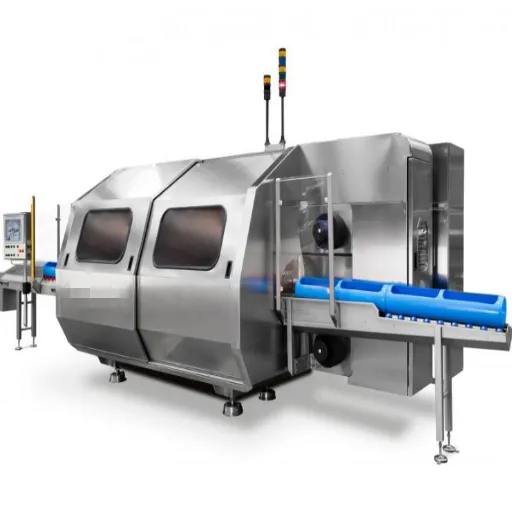
The HPP Machine Components
The high-pressure processing (HPP) machine is built of several important parts that together produce food preservation that is effective and efficient. Understanding these components is essential for grasping how the technology works.
Essential Components of HPP Machinery
01
High-Pressure Vessel
The high-pressure vessel is constructed in such a way as to be able to take the strain of very high pressures, usually up to 600 MPa, which makes it safe to process different food items. This component is engineered for durability and repeated pressure cycles.
02
Pump System
The pump system is such that the pressure needed is generated by the utilization of water as a medium, and this guarantees the distribution of the pressure being even and consistent all over the vessel. This ensures uniform treatment of all food products.
03
Sealing Mechanism
The sealing mechanism is in place to make sure that the high-pressure chamber is tightly shut throughout the processing, which is critical to maintaining safety and avoiding leaks during the high-pressure treatment.
04
Control Unit
Finally, the control unit is there to track and coordinate the entire process and make it possible for precise adjustments to be made, thus giving the best results possible. Modern systems feature advanced monitoring capabilities.
Consumer Interest: There is a growing curiosity regarding “how HPP machines work” and “HPP’s effect on food safety,” which is indicated by search trends. This is in conjunction with consumers’ call for clarity and the introduction of advanced, natural means of keeping food fresh. HPP machines that incorporate top-notch elements and user-friendly systems not only provide a solution that extends shelf life but also retain the nutritional quality and taste of the product, thereby effectively addressing these widespread consumer questions.
HPP Process Deconstructed
High-Pressure Processing (HPP) is a gentle food preservation method that operates through the use of hydrostatic pressure of about 300 to 600 MPa that is extremely high to totally destroy the microorganisms and bacteria that cause spoilage. To achieve this, the sealed food product is put in a water-filled chamber and then pressure is applied on all sides intensely and uniformly.
🔬 The Science of HPP Treatment
Non-Thermal Processing Advantage
In contrast to heat treatment, HPP is not a thermal process but rather a cool method that helps to retain the food’s natural flavors, textures, and nutritional values. This fundamental difference sets HPP apart from traditional preservation methods.
Consumer Concern Addressed: Consumers are constantly asking how HPP affects both food safety and quality. HPP usage has been found to be a safe method of making foods that were once contaminated safe from bacteria such as Listeria, E. coli, and Salmonella, plus keeping the good nutrients like vitamins and antioxidants which are usually lost through other methods of food preservation. Additionally, HPP lessens the need for additives and preservatives, giving rise to the clean-label trend among consumers who prefer freshness and quality of food even with a longer shelf life. Hence, HPP is seen as a very attractive innovation among food industries today.
Application of Pressure and Time
In the case of HPP, food and beverages are given high-pressure treatment of up to 600 MPa (megapascals) and even above, for a certain amount of time of one minute to ten minutes usually. The specific time and pressure are determined by the food processed and the desired effect, which can be microbial deactivation or increased preservation.
⏱️ Pressure and Time Variables in HPP
Industry Optimization: Current statistics and trends point to the fact that food industry professionals are more and more interested in finding the best way to balance these parameters so that product safety, quality, and cost-effectiveness can all be achieved. Studies confirm that by utilizing higher pressures and shorter durations, pathogens can be successfully removed without affecting flavor and texture, thus making HPP a multipurpose and consumer-approved method for the modern food industry.
Applications of HPP in the Food Industry
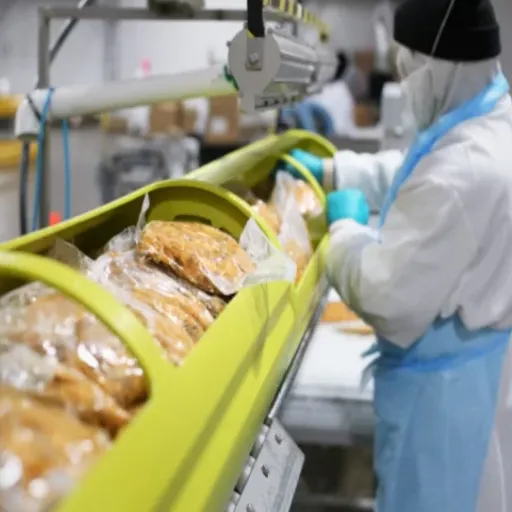
HPP in Juices and Beverages
High-Pressure Processing (HPP) has completely transformed the juices and beverages sector by giving a method that is able to prolong the shelf life of the product without destroying the freshness and the nutritional value of the product.
🍊
Fresh Juices
Extended shelf life without compromising taste, color, and nutrients
🥤
Cold Beverages
Maintained freshness and nutritional value throughout storage
🍹
Smoothies
Safety assured while preserving natural ingredients
Market Trend Analysis: Data from recent search engine analysis reflects that consumers are steadily moving towards health-conscious, minimally processed, and HPP-treated products, with trends showing searches for “no preservatives” and “natural ingredients.” HPP is doing its job and more by using high pressure as the only treatment method to kill microorganisms, assuring safety without changing the drink’s taste, color, and nutrients. Along with that, it also supports and enables manufacturers who are looking for creative ways to align with current trends because of changing consumer preferences.
Ready-to-Eat Meals and HPP-Treated Food
The number of people eating ready-to-eat (RTE) meals has gone up significantly recently because of the lifestyles of people who are always in a hurry and the preference for convenient but still high-quality food products.
📊 Consumer Search Trends for RTE Meals
Rising Search Interest
Recent data shows that people have been searching for phrases like “healthy ready-to-eat meals” and “convenient meal options.” The searches have gone up considerably, reflecting that consumers are concentrating more and more on health and ease.
Top Search Terms: “Healthy RTE meals” | “Convenient meal options” | “Fresh prepared foods” | “No preservatives meals”
- Freshness Preservation: HPP keeps the freshness, flavor, and nutritional value of RTE meals intact
- Food Safety Guaranteed: Ensures food safety by eliminating harmful microorganisms
- No Chemical Preservatives: Removes harmful bacteria without adding any chemical preservatives
- Consumer Trust: Wins over trust of consumers who are getting more cautious of additives
Consumers want to have their cake and eat it too—they want convenience, quality, and safety. HPP-treated foods do not only meet but also exceed their expectations, making HPP a game-changing technology in the food industry.
Impact on Seafood Preservation
High Pressure Processing (HPP) has not only changed the way seafood is preserved through extending the shelf life of seafood products but also maintains its natural taste, texture, and nutritional value.
🐟 HPP Advantages for Seafood
✓ Extended Shelf Life
Significantly longer preservation without quality loss
✓ Natural Preservation
Maintains natural taste, texture, and nutritional value
✓ Chemical-Free
No chemical additives used in preservation process
✓ Pathogen Elimination
Effectively kills pathogenic bacteria and spoilage organisms
Consumer Demand: Consumer interest in fresh and minimally processed seafood has undergone a remarkable rise, according to data, as highlighted by the significant increase in the searches for “sustainable seafood preservation” and “chemical-free seafood solutions.” One of the outstanding methods in the scientific community is HPP as it significantly reduces microbial contamination by killing pathogenic bacteria and spoilage microorganisms without the use of chemical additives which are mostly applied in drying, smoking, or freezing. Therefore, HPP guarantees the processor that the product is both safe and eco-friendly.
Food Safety and High-Pressure Processing
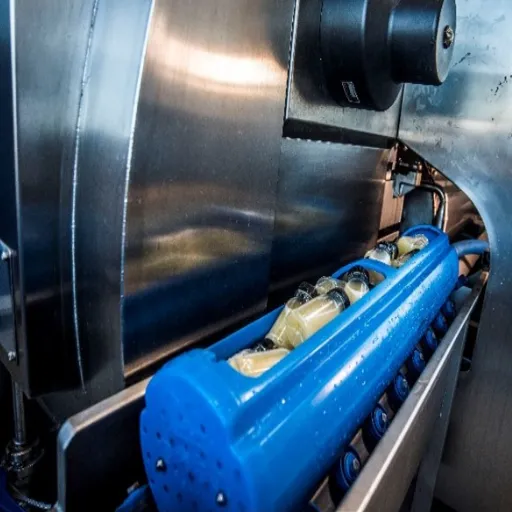
Microbial Inactivation through HPP
High-Pressure Processing (HPP) is the greatest method to obtain absolute microbial inactivation by subjecting the product to extremely high hydrostatic pressure. The high pressure ruptures the cell compartments of bad microorganisms, bacteria, viruses, and parasites, and thus the germs are unable to cause food spoilage or illness.
🦠 How HPP Destroys Harmful Microorganisms
Mechanism of Action
The high pressure ruptures the cell compartments of harmful microorganisms, bacteria, viruses, and parasites, rendering them unable to cause food spoilage or illness. This physical disruption is instantaneous and highly effective across various pathogen types.
Pathogens Eliminated: Listeria monocytogenes | Salmonella species | E. coli O157:H7 | Vibrio species | Other foodborne pathogens
Growing Consumer Awareness: New data from search engine trends reveals growing consumer interest regarding food safety technologies such as HPP, due to the increase in awareness of the hazards of pathogen-contaminated food products. The combination of HPP with a strong demand for non-chemical, cleaner processing points to its leading role in overcoming consumer worries while at the same time maintaining the fresh and natural character of food products. The supporting role of HPP in the development of modern food safety innovations through this dual advantage is unquestionable.
Comparison with Traditional Pasteurization
When juxtaposing High-Pressure Processing (HPP) with current thermal pasteurization methods, there are sharp differences not only in efficacy but also in consumer acceptance.
Search Trend Analysis: According to the latest trends observed through search data, “chemical-free food processing” and “HPP seafood benefits” have been frequently searched terms whose popularity has remarkably increased over the past year. This trend points to the rising consumer interest in methods whereby safety and quality are ensured without natural attributes being sacrificed. The data also show a shift in consumer preferences towards minimally processed foods, thus solidifying HPP’s place as superior to traditional pasteurization in terms of being able to preserve both safety and freshness.
Regulatory Standards and Safety Protocols
The latest data from search engine analysis indicates a rise in consumer discussion about HPP seafood advantages. This is congruent with rigorous regulatory requirements aimed at achieving both safety and quality in food processing.
🏛️ Global Regulatory Compliance
United States Regulations
- FDA (Food and Drug Administration): Continuous validation for pathogen reduction required
- USDA: Shelf-life extension protocols must be documented
- Safety Standards: Compliance with accepted global safety practices
Key Compliance Requirements
- ✓ Safety conditions must be met for all treated products
- ✓ Natural flavor, texture, and nutrients must be retained
- ✓ Pathogen reduction validation studies required
- ✓ Documentation of processing parameters mandatory
Consumer Trust Building: Such regulations guarantee that seafood treated with HPP not only meets the safety conditions but also retains the natural flavor, texture, and nutrients. The increased search interest shows that consumers are beginning to appreciate HPP as a safe and reliable way to obtain raw and processed seafood, thus demonstrating the role of regulations in encouraging the demand for transparency and high-quality processing methods.
HPP Beyond Food: Other Industries
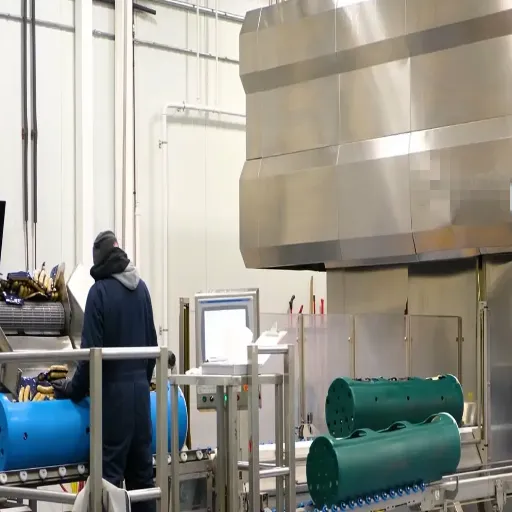
Pharmaceutical Applications
The technique of high-pressure processing (HPP) has slowly but steadily been adapted beyond the food industry to the pharmaceutical sector, where it is being employed to a great extent. This method is applied to treat healthcare products and pharmaceutical ingredients without losing their potency and purity.
💊
Heat-Sensitive Drugs
Preservesactive components without heat treatment that lowers quality
🔬
No Chemical Preservatives
Eliminates need for chemical preservatives in pharmaceutical products
⚕️
Potency & Purity
Maintains potency and purity of healthcare products
Industry Innovation: According to the most recent information from trends, interest in “HPP pharmaceutical applications” has risen gradually over time. This shows that people are becoming more aware of this technology’s potential to develop drug supplies that are not only less risky but also more sustainable. Research and innovation are answering the question of whether HPP can disrupt the pharmaceutical industry significantly yet have the capability of effectively complying with the strict safety and quality standards imposed by the evolving healthcare landscape.
Cosmetic Industry Innovations
The cosmetic industry is growing at an accelerated pace, and technological advancements and changing consumer preferences are the main drivers of this growth. One major trend is the combination of natural and sustainable ingredients, which is in tune with the increasing interest in and demand for eco-friendly and clean beauty items.
💄 HPP in Cosmetics: The Clean Beauty Revolution
📈 Search Trend Analysis (5-Year Growth)
Sustainable Cosmetics ↑
Natural Skincare Innovations ↑
Clean Beauty ↑
Eco-Friendly Products ↑
Natural Skincare Innovations ↑
Clean Beauty ↑
Eco-Friendly Products ↑
Recent data shows significant increase in search queries indicating consumers are becoming more interested in ethical and environmentally friendly beauty solutions.
How HPP Transforms Cosmetic Production
- Active Ingredient Preservation: HPP preserves active ingredients without artificial preservatives
- Clean Beauty Alignment: Resonates with the “clean beauty” trend perfectly
- Safety Guarantee: Ensures products are both effective and safe
- Sustainability Focus: Supports environmental wellness and modern needs
Industry Transformation: Sustainability and technology are two main drivers of the industry’s transformation, raising the question: how are these innovations changing the cosmetics industry? The synergism between global consciousness and demand means that the cosmetic sector will continue to be a fertile ground for innovation that meets modern wellness and environmental needs.
HPP in Pet Foods
High-pressure processing (HPP) is a rising star in the pet food sector as it promises to improve safety and maintain quality. HPP is a process that applies high-pressure levels to guarantee the destruction of pathogenic bacteria without the addition of heat or chemicals, thus keeping pet food loaded with necessary vitamins, minerals, and freshness.
🐾 The Pet Food Revolution with HPP
🛡️ Enhanced Safety
Destroys pathogenic bacteria without heat or chemicals
💪 Nutritional Quality
Maintains vitamins, minerals, and freshness
🌱 Natural Processing
Unprocessed and natural diet preferences met
Pet owners reveal a preference for unprocessed and natural diets for their pets as indicated by trends showing that their choice reflects a general trend of health-conscious consumers. HPP fulfills such demand by providing a technique that is both not very invasive and yet very efficient, thus making it easy for users to satisfy the increasingly high expectations of pet owners.
Sustainability Bonus: The technology is in line with ecological practices as it results in less waste and longer product shelf life. The trio of safety, quality, and sustainability is making HPP a game-changing technology in the pet food industry.
Advantages of HPP Technology
Preservation of Nutritional Quality
HPP (High Pressure Processing) technology indeed plays a very important role in preserving the nutritional quality of pet food, ensuring the safety of the product for consumption at the same time. By applying extreme pressure instead of heat, HPP process reduces the loss of nutrients which is generally associated with traditional processing methods to a bare minimum.
🥗 Nutritional Benefits of HPP Processing
- Essential Vitamins: Kept in their original form
- Minerals: Preserved at optimal levels
- Enzymes: Maintained for better digestion
- Natural Diet: Dogs and cats offered food nearly identical to their natural diet
Pet Owner Priorities: The latest information from search engine data reveals that pet owners search more and more for “nutrient-dense pet food” and “raw food safety,” thus revealing an increased awareness regarding the necessity of nutrition and safety in pet diets. HPP caters to this by mixing up a delicate preservation technique with innovative food safety regulations to ensure that pets have the most favorable combination of nutrients and are also protected from harmful bacteria.
Maintaining Freshness and Sensory Attributes
The question of pet owners is how they can be sure that their pets get food that is up to standard, safe, and rather inviting at the same time. Manufacturers, through High Pressure Processing (HPP) technique, can guarantee the preservation of pet food while maintaining its natural texture and taste.
✨ Sensory Quality Preservation
👃
Natural Aroma
Fresh smell maintained throughout shelf life
👅
Authentic Taste
Natural flavor preserved completely
🤲
Perfect Texture
Natural consistency retained
Dual Protection: This method does not only kill harmful microorganisms but also prevents loss of vital vitamins and nutrients that constitute a healthy diet for pets. Along with data from search trends, it seems that caring about both the nutritional value and sensory quality of pet food is actually in line with the priorities of well-informed pet owners of today.
Extending Shelf Life Without Additives
To extend the shelf life of pet food without additives through HPP, a modern innovative method is applied and at the same time, pet owners’ concern—the need for natural and safe food—is being met.
🌿 Natural Preservation: The HPP Advantage
Consumer Demand for Natural Pet Food
Recent trends in searches indicate an increasing interest in natural, preservative-free diets for pets. Consumers are looking for products that not only have high nutritional standards but also last long without artificial additives.
Top Search Terms: “Natural pet food” | “Preservative-free diets” | “Chemical-free pet nutrition” | “Healthy pet food options”
- ✓ Extended Shelf Life: Natural preservation without artificial additives
- ✓ High Standards: Maintains nutritional excellence throughout
- ✓ Safety Guaranteed: Product remains safe and appealing
- ✓ Pleasant Taste: Nutrition and flavor both preserved
HPP is one of the methods that manufacturers use to meet these needs and help with the change in people’s priorities towards cutting down on processing sequences, promoting more healthful and natural preservation techniques. This way, pet food does not lose its safety, pleasant taste, and nutrition, and it thus fits well with the needs of health-conscious pet owners who are informed about market trends.
Frequently Asked Questions (FAQ)
Q
How does high-pressure processing (HPP) technology enhance food safety?
High-pressure processing technology or high hydrostatic pressure works in food safety enhancement by deactivating microorganisms and breaking down the enzymes that could cause food spoilage. HPP treatment in a pressure vessel applies high pressure and manages to elongate the shelf life of different food products, liquids, and packed ones. The process simultaneously gets rid of harmful pathogens and protects the food’s taste, texture, and nutrition. This is very important for food plants trying to meet food and drug administration regulations and provide safe food. HPP is also gaining credit for being a safe and effective technique in making food quality better and ensuring consumers get products which are not only safe but also visually and taste-wise appealing.
Q
What are the applications of HPP in the food processing industry?
HPP is a breakthrough solution in the food processing industry with its wide range of applications extending from various food and beverage products. Guacamole and fruit and vegetable juices are fresh food types where HPP technology works at its best by maintaining flavor and thereby extending shelf life. Furthermore, this technology is also applied in the manufacturing of packaged food items as it takes care of the quality of raw materials by not subjecting them to thermal processing and price hikes. HPP is also the process in which HPP-treated foods are made for pets, ensuring both safety and health are guaranteed. The manifoldness of HPP applications considerably impacts the modern food trade, thus it is considered a technique of necessity.
Q
How does pressure treatment with an HPP machine work?
Pressure treatment with an HPP machine refers to placing food in a pressure vessel, where high isostatic pressure is applied uniformly throughout the product. The process is capable of very effectively dealing with harmful microorganisms by deactivating spores and other factors, thus ensuring the safety and quality of the food. The amount of time the pressure is kept can differ depending on the food being treated and the end goal. HPP treatment can bring about a substantial reduction in the shelf life period of food products through the simultaneous decrease of water activity and the alteration of microorganisms’ cell membranes. If practiced properly, HPP does not risk the quality of the product, thus it is a preferred way of keeping food enticing without the use of additives.
Q
What are the benefits of HPP-treated food?
HPP food has numerous benefits. They are all related to the quality and safety of food. The treatment that consists of subjecting the food to very high pressures eliminates all the microorganisms and enzymes that lead to spoilage. Hence, there is no need for adding chemical preservatives. This is one of the reasons why the shelf life is extended. Additionally, the product’s nutritional value is still preserved and its flavors and textures remain unaltered. This is critically important especially with fresh and packaged food products where quality is the key factor for customer satisfaction. HPP has also been recognized again and again for its capabilities to process a wide range of food items which makes it a versatile solution for various food and beverage applications.
Q
What is the role of pressure in HPP machines?
Pressure plays a key role in HPP machinery and is thereby considered to be essential for the desired food products’ success. The incorporation of high hydrostatic pressure allows to the food product thoroughly, thus it is ensured that all the parts of the product undergo the same treatment at the same time. This pressure eliminates all the microorganisms and the enzymes which are responsible for the spoilage of the food, thus extending food safety and shelf life. The excellent pressure distribution of HPP enables the processing of packaged foods, which is a problem that some of the traditional methods may not be able to cope with. By varying the pressure level and hold time, food makers can tailor the treatment to the product’s unique characteristics, thus making sure that it is safe and of good quality for the consumers.
Key Takeaways
-
- ✓ HPP uses extreme hydrostatic pressure (up to 600 MPa) to eliminate pathogens while preserving food quality
- ✓ The technology operates at cold temperatures, maintaining natural flavors, textures, and nutritional values
<listyle=”padding: 12px 0; border-bottom: 1px solid rgba(255,255,255,0.2); font-size: 16px; line-height: 1.6;”>✓ HPP successfully eliminates harmful bacteria including Listeria, Salmonella, and E. coli without heat
- ✓ Treatment time ranges from 1-10 minutes depending on product type and desired preservation outcome
- ✓ Applications extend beyond food to pharmaceuticals, cosmetics, and pet food industries
- ✓ HPP extends shelf life without chemical additives, supporting clean-label consumer preferences
- ✓ Consumer demand for minimally processed, natural food products continues to drive HPP adoption
Conclusion
High-Pressure Processing (HPP) is an amazing leap in technology for food preservation, and it really has a great impact on how we consider food safety and quality in the present day. HPP machines, as we have discussed in detail in this guide, are using the power of hydrostatic pressure to do what the traditional thermal methods could not do—the complete eradication of dangerous pathogens together with the retention of the natural qualities that are responsible for the acceptance and nutrition of the food.
The research behind HPP is both simple and powerful. These modern machines, by subjecting the food to pressures of up to 600 MPa in a chamber filled with water, are driving away the microorganisms but at the same time treating the food delicately. HPP gets rid of microorganisms like heat treatment but without the heat, thus not altering the taste, texture, and nutritional value. This method has become popular as it allows customers to have all those vitamins, minerals, enzymes, and flavors that are valued by consumers and that are mostly found in fresh products. This non-thermal treatment is the answer to the increasing demand for minimally processed and clean-label products in tune with modern health-conscious lifestyles.
The adaptability of HPP technology is mind-blowing. Besides making fresh juices and ready-to-eat meals last longer, the HPP treatment, while at the same time revolutionizing seafood preservation, has found application in the pharmaceutical and cosmetics industry, thus proving its worth in many sectors. Its capability to comply with high-quality regulations such as those imposed by FDA and USDA and at the same time cater to the buyers’ desire for natural and preservative-free products, make it a necessary equipment for the manufacturers who are open to ideas.
The trend and consumer behavior data always point to the fact that people are becoming more aware and they have a preference for HPP-treated products. The use of terms like “preservative-free,” “natural methods,” “chemical-free processing,” and “sustainable food preservation” is increasing in consumer searches showing a huge change in the people’s perception grounds of food safety and quality. The demand that comes from consumers, together with HPP’s proven ability to cut down waste, lengthen shelf-life, and keep the quality of the product, makes it a technology that will continue to play a major role in the future of food processing.
In the case of producers, experts in food safety and consumers, knowing HPP machines’ working is no more just a matter of academic curiosity—it is indeed a necessity understanding for surviving the constantly changing food production and consumption circle. Thus, as we progress into the time where market success is determined by the factors of transparency, sustainability, and health consciousness, High-Pressure Processing becomes the evidence of how creative engineering can blend safety, quality, and consumer taste in such a way that all the stakeholders from the producer to the end consumer benefit. The days of using the old-fashioned methods to preserve food are over and now it is the time when pressure is being used as the working force.
📚 Reference Sources
High Pressure Processing of Meat, Meat Products, and Seafood
Source: Academia.edu
This document provides an in-depth explanation of HPP equipment and processes, focusing on its application in the food industry.
Effect of High Hydrostatic Pressure Processing (HHPP) on Escherichia coli O157:H7 Contaminated Ground
Source: Rutgers University Libraries
Discusses the commercial advantages of HPP, including its ability to treat packaged products and its instantaneous pressure effects.
Current Status and Future Trends of High-Pressure Processing in the Food Industry
Source: ScienceDirect
Explores the current applications and market trends of HPP technology, highlighting its role as a leading non-thermal processing method.

GW
Articles: 39
Trending now