Get in touch with Victorystar

HPP: High Pressure Processing & Technologies Overview

Contents
show
High Pressure Processing (HPP) represents a pioneering technology for food preservation, aiming to change existing food safety measures and standards. By applying ultra-high pressures to deactivate harmful pathogens, and therefore increase shelf life, HPP encompasses a highly modern alternative to thermal and chemical preservation methods. The article will help unfold the science of HPP, its major applications across its various fields, and the benefits vis-à-vis the preservation of nutrients and taste. Further, the article will discuss developing trends in HPP technology and their potentially large influence on our food safety and sustenance. The critical issue of HPP process goes further in enlarging food technology signposts for future generations of multicultural neighbors.
Key Takeaway
High Pressure Processing (HPP) is a cold pasteurization technique that ensures food safety and extends shelf life by using extreme pressure rather than heat, perfectly preserving the natural taste and nutritional integrity of products.
Understanding High Pressure Processing (HPP)
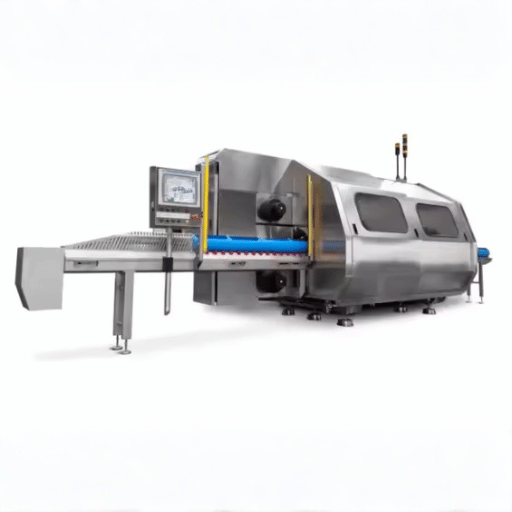
High Pressure Processing (HPP) is a non-thermal food preservation method that utilizes high pressure instead of heat to eliminate unwanted microorganisms and extend the natural shelf life of a product. The process puts the food articles into a vacuum-packed vessel and then applies uniform water pressure; hereby the bacteria, viruses, and enzymes that compromise food safety and food quality by their presence are efficiently inactivated. At the same time, they preserve the taste, texture, and nutritional content of the product. Thus, HPP obtains wide acceptance as a method to improve food safety without the use of harmful yet effective chemical preservatives, thereby constituting an effective response to modern consumer demands focusing on freshness and naturalness.
What is High Pressure Processing?
High pressure processing (HPP), utilizing very high hydrostatic pressure, typically between 300 and 600 megapascals, is a new non-thermal food preservation technique for active inactivation of harmful microorganisms and enzymes present in food items. This method thus ensures microbial safety while extending the shelf life of the product without altering any sensory or nutritional characteristics. HPP allows uniform processing while maintaining packaging integrity and is a superior solution in promoting clean label while catering to an ever-growing consumer demand for less processed superior foods.
How HPP Technology Works
Processed pressurization technology doing its job on isostatic pressure to deactivate foodborne microorganisms and enzymes. The logic behind this follows by the placement of prepackaged food into a pressure vessel entirely submerged in water that served as pressure for a transfer medium. The pressure ample in the range of 600 megapascals pressed uniformly on the matter, thereby ensuring that microorganisms are killed while the container, texture, flavor, color, and nutritional content remain unharmed. The non-thermal preservation approach is based mainly on the destruction of microorganisms by pressure alone and avoids tampering with the fresh, unheated preservation process.
Applications of HPP in Food Safety
High-Pressure Processing (HPP) is an effective method of strengthening the degree of safety of food products by completely neutralizing pathogenic microbes such as Listeria monocytogenes, Salmonella or E. coli, in a wide range of food products, such as seafood, ready-to-eat meals, or juice. The non-thermal nature of the technology retains the sensory and nutritional qualities of food and prolongs its shelf life more effectively. Thus, it is of particular usefulness with perishable foods. In addition, HPP enables development of clean-label food products because it decreases the need for the use of several chemical preservatives. Thus, HPP technology holds a unique position because it caringly ensures sanitation and product integrity.
Benefits of High Pressure Processing
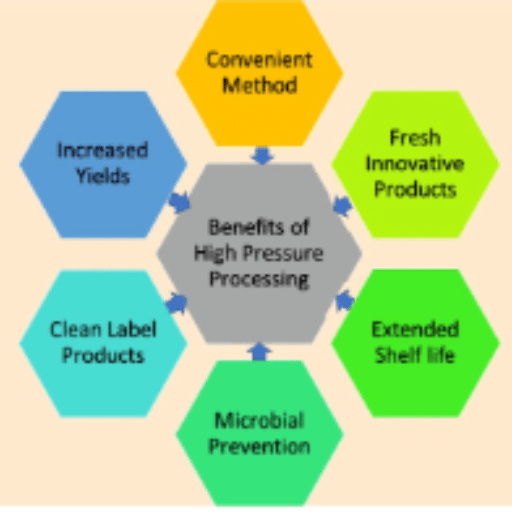
- ✓
Food safety: Guarantees pasteurization by eliminating harmful bacteria and viruses without heat. - ✓
Extended shelf life: Hinders microbial growth and spoilage, significantly reducing food wastage. - ✓
Quality retention: Preserves the natural flavor, texture, and nutritional content. - ✓
Chemical-free processing: Eliminates the need for artificial additives, supporting clean-label trends. - ✓
Versatility: Applicable to juices, meats, seafood, and ready-to-eat meals.
In conclusion, these advantages are trailing the High Pressure Processing technology among the frontiers where the future of food processing technology lies.
Enhanced Food Safety and Shelf Life
High Pressure Processing (HPP) ensures the safety of foodstuffs to a sizable extent by causing significant pathogen inactivation, such as listeria, salmonella, and E. Coli. This is while it leaves untouched the sensory and nutritional qualities of the products. The most remarkable aspect of this technology is that it is non-thermal, thereby minimising thermal degradation without affecting product functionality in terms of microbial stability. HPP ensures an extended shelf life by lowering the microbial load in the product, thus delaying spoilage and waste. This prolonged shelf life is advantageous in terms of procuring fresher products for the consumers and, logistically speaking, has benefits for producers, especially in terms of less distribution frequency.
Impact on Nutritional Quality
The impact of HPP on the nutrient content of food substances is minimized compared to traditional thermal processing means. HPP, owing to the absence of heat, assures a high retention of vitamins and antioxidative factors that are easily denatured in a high-temperature environment, such as vitamin C and B vitamins. Consequently, such preservation will allow the bioactives to stimulate food functionality and health, mostly uninterrupted. The body of research shows that the natural sensory features of unnamed products are preserved, besides obtaining microbiological safety within scientifically proven confirmatory status. When all the factors are considered, and merits are weighed, HPP treatment provides the best balance of preservation together with nutrient retention.
Clean-Label Products and Consumer Demand
Clean label products are catering with a demand by an increasing number of costumers for transparency, simplicity, and natural ingredients. Consumers nowadays are more and more paying attention to ingredient lists and favoring minimally processed products that they intuitively trust. This is where High-pressure Processing (HPP) comes in nicely, allowing manufacturers to deliver clean-label foods while not jeopardizing any safety, shelf life, or nutraceutical integrity. HPP obviates the necessity for any chemical preservatives and artificial additives, thus enabling the manufacturer’s brands to fall within certain federally granted regulations and discharge demands from conscious distractions for health-conscious and planet-loving consumers.
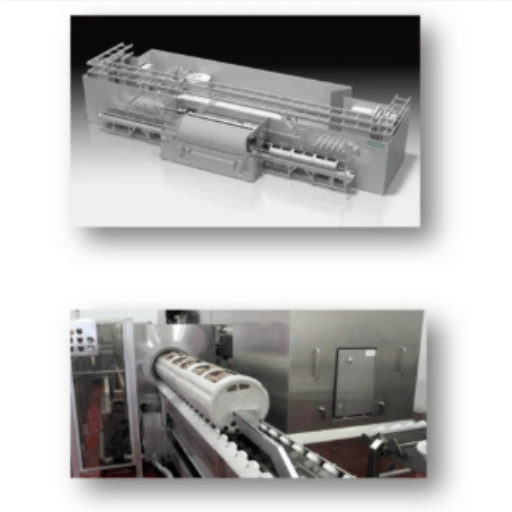
Key Features of High Pressure Processing Equipment
⚙️
Technical Features
- Pressure Capabilities: Operating at 300-600 MPa for effective microbial destruction.
- Uniform Pressure Distribution: Ensures consistent treatment across the entire product load.
- Material Durability: Robust stainless steel construction to resist high-pressure cycling.
- Energy Efficiency: Designed to minimize power usage during pressurization.
- Adjustable Parameters: Customizable hold times and temperatures for different food types.
- Safety Systems: Includes pressure relief mechanisms and automated monitoring.
- Compact Design: Optimized for facilities with limited floor space.
Important Specifications to Consider
In the case of an HPP system, many technical specifications must be evaluated to ensure optimal processing and match specification requirements. For instance:
- 1
Maximum Pressure Tolerance
Equipment must reach 600 MPa (87,000 psi) for total microbial inactivation. - 2
Chamber Capacity
Volume in liters must match production throughput requirements. - 3
Cycle Time
Duration of pressurization and hold phases determines overall efficiency.
Technology Innovations in HPP Machines
The high-pressure processing (HPP) machinery in the recent uprising emphasized operational efficiency, durability of equipment, and system integration. This machine integrated modular design, scalable and easy to maintain, while drives and seals caring for using power have considerably lower operational costs. On top of all this, the most innovative sensors and IoT-based monitoring systems now endow real-time data on pressure cycle, temperature, and machine operation, thus facilitating predictive maintenance and cutting downtime. Further enhancements in material sciences recently followed the formation of improved pressure chambers and seals capable of enduring higher pressures over longer life-cycle run time without suffering breakdown.
High Pressure Processing Solutions for Food Processors
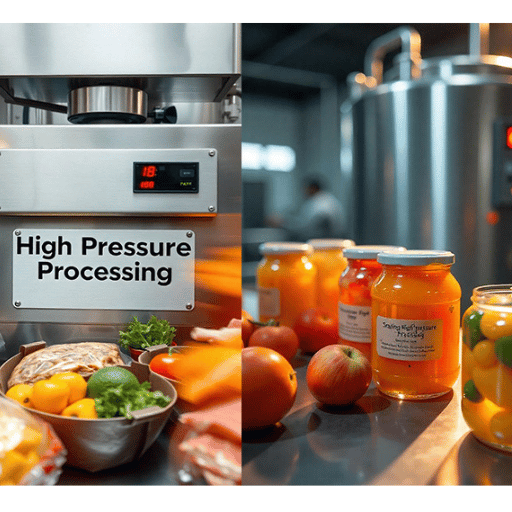
This technique of HPP has been characterized as a very concrete option for the enhancement of food safety and prolongs shelf life. The treatment uniformly applies high pressure through the sealed package in order to abolish bacteria, viruses, mold, and to inactivate other undesirable microbes without needing to add heating or anything else which can harm the foods on this side-effect, further retaining the nutritional value and flavors.
This non-thermal approach will effectively preserve ready-to-eat products such as fresh juices, processed meats, or deli products right up to the end of the desired shelf life. Furthermore, it fully complies with requirements linked intimately with food safety, which impressively values dietary evolution aspects, in direct correlation to support clean labels for producers as a means of boosting products spun free of artificial preservatives.
Tailored Processing Solutions for Different Food Types
High Pressure Processing (HPP) can be tailored for the unique characteristics of various food types ensuring optimum preservation with safety. For example, for delicate fruits and vegetables, HPP successfully inactivates harmful pathogens without rendering their texture and nutritional value. For foods rich in proteins like meat and seafood, this process serves as life-extension treatment by preserving natural flavors and discouraging spoilage. Dairy-based and plant-based products are also enhanced by HPP as the process retains creaminess and consistency and defies the most stringent microbial safety criteria.
HPP in Meat and Dairy Products
In meat and dairy industry, HPP technology is highly advantageous due to its ultimate microbial control mechanism without any compromise on the quality of the products themselves. In meat, HPP abridges the growth of Listeria, E. coli, and Salmonella. HPP treatments, with no additive or fragile sensorial attributes, thus fully comply with industrial hygiene requirements. In dairy, HPP ensures textural and sensory integrity, especially for cheeses, yogurts, and plant-based alternatives. Therefore, HPP has been developed to suit the market, and the consumers have surely appreciated this technology, meeting both their safety and quality demands.
The Role of High Pressure Processing Manufacturers
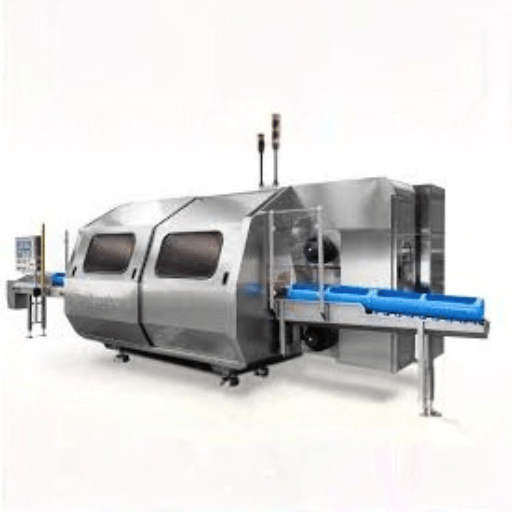
Manufacturers of High Pressure Processing (HPP) technology have a critical role to perform in the implementation of these innovative techniques for the food industry clientele. They deliver specifically designed gear that complies with certain significant strictures in terms of safety and operating efficiency, thereby establishing an extended market for food producers through an improved shelf life and product sanctification. These manufacturers also render operational advice to arrange for HPP suiting into their production workflows involving different types of food and their materials of packaging. In addition to this, they provide ongoing support such as maintenance and training on use.
Leading HPP Manufacturers in the Global Market
| Manufacturer | Core Specialization |
|---|---|
| Hiperbaric | Versatile options for broad F&B applications. |
| Avure Technologies (JBT) | Large-scale and custom-made HPP systems. |
| Thyssenkrupp | Technically advanced automation integration. |
The Future of HPP Technology and Market Growth
A bright future for High-Pressure Processing (HPP) technology is the product of constant innovations and the growing global awareness for sustainable systems leading to the preservation of high-quality foods. The ongoing trends include moving toward improving the equipment and the energy-save production system, i.e., automation (to increase throughput, throughput sizes, cleanliness), and eventual scalability. Besides, among the different industries suitable for HPP applications, there is a wide range from ready-to-eat products to beverages and pharmaceuticals. Changing consumer preferences toward clean-label products and regulatory support for non-thermal preservation methods will consolidate HPP in the future.
Reference Sources
- Global Market Insights: High-Pressure Processing Machines Market Report
- Coherent Market Insights: High-Pressure Processing Equipment Market Forecast
- Hiperbaric: HPP Trends and Opportunities in F&B
- USDA NIFA: HPP Equipment for Food Safety
Frequently Asked Questions (FAQs)
What is HPP?
It is a non-thermal food preservation technology involving high pressure that inactivates pathogens while maintaining food quality.
In which industries are HPP Machines used?
Mainly food and beverage, pharmaceutical, nutraceutical, and cosmetic industries.
What are the benefits of HPP machines?
Increased safety, extended shelf life, nutritional retention, and chemical-free processing.
Which products could be treated using HPP?
Juices, RTE meals, meat, fish, dairy, and plant-based foods.

Candy
Articles: 37
Trending now