Get in touch with Victorystar

Centrifuge Filtration for Separation Systems: High-Performance Solutions for Solid-Liquid Separation in the Pharmaceutical Industry

Contents
show
Centrifuge filtration systems function as essential components that help pharmaceutical companies achieve their operational goals because the industry requires both precise measurements and efficient processes. The rising need for products with high purity together with the enforcement of strict regulatory requirements has made effective solid-liquid separation essential for pharmaceutical manufacturing operations. This article examines the advanced functions of centrifuge filtration technology which demonstrates its capacity to improve separation performance and product quality while making complex pharmaceutical operations more efficient. The high-performance solutions provide readers with essential knowledge about their impact on the industry because they solve major problems while creating fresh chances for development.
Key Takeaway
Modern centrifuge filtration utilizes gravitational forces significantly higher than standard gravity to achieve high-purity separation of fine particles, essential for meeting cGMP and USP standards in pharma manufacturing.
Understanding Separation and Filtration Technologies
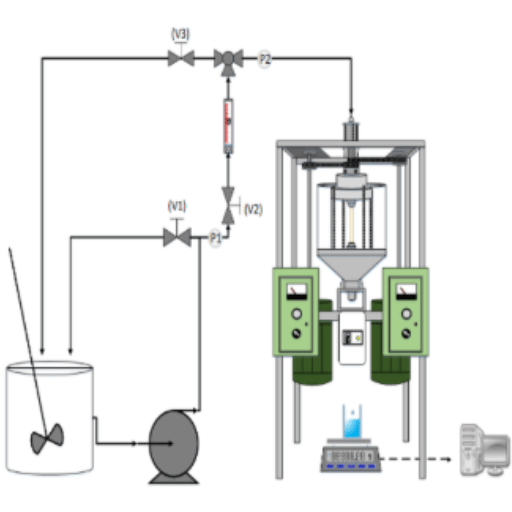
Separation and filtration technologies serve essential functions in pharmaceutical chemical manufacturing and biotechnology operations. The technologies achieve their purpose by separating needed components from mixed materials to produce products with high purity and minimal contaminants. Separation techniques use physical or chemical properties of materials which include particle size and density and solubility to separate different components. Filtration systems use porous materials to separate solid particles from both liquid and gas streams. The two processes help businesses improve their product quality while meeting government requirements and boosting their operational effectiveness. The ongoing technology advancements lead to better precision and scalability and adaptability for complicated industrial uses in these technologies.
Overview of Centrifuge Filtration
Centrifuge filtration serves as an efficient separation method which uses centrifugal force to separate solid-liquid and liquid-liquid mixtures that have different density characteristics. Centrifuge filtration achieves better separation results than conventional gravity-based separation methods because it applies operational forces that exceed gravitational force to separate fine particles and different types of liquids within a shorter time frame. The pharmaceutical industry, chemical manufacturing sector, and wastewater treatment facility operations depend on centrifuge filtration systems to produce products with high purity standards. The process offers precise control together with scalable capacity which enables it to handle multiple complex mixtures that include materials with different viscosity levels and particle size distributions.
Key Principles of Solid-Liquid Separation
Solid-liquid separation processes depend on basic principles which use physical and mechanical forces to separate solid particles from liquid materials. The selection of appropriate methods for processing mixtures relies on their specific properties which can be processed using sedimentation, filtration, centrifugation, and flotation methods. The separation efficiency depends on the chemical composition of components and their particle size distribution and density differences and viscosity characteristics. The system achieves optimal separation results through the combination of operational flow rate and pressure and system design parameters which maintain maximum separation efficiency while minimizing fine particle and liquid content loss.
Types of Separation Equipment
Separation equipment can be classified into several categories based on their operational principles and application scope. The main equipment types include these following systems:
- 1. Centrifuges – Use centrifugal force to separate materials according to their density differences; common in pharma, food, and wastewater.
- 2. Filters – Use physical barriers or membranes to separate solids from liquids or gases for air and liquid purification.
- 3. Cyclones – Use vortex motion to extract particulates from air or liquid streams, primarily for dust management.
- 4. Flotation Cells – Use surface hydrophobicity differences to extract minerals from ore during mining.
- 5. Sedimentation Tanks – Utilize gravity to separate heavier particles; standard in water treatment and slurry handling.
Applications of Centrifugal Separators in Industrial Processes
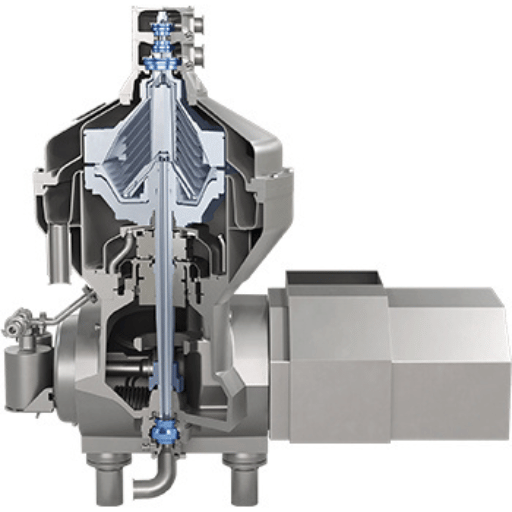
Centrifugal separators serve multiple industrial applications to improve operational efficiency and maintain uniformity in product output. The primary uses of this technology include:
| Industry | Primary Application |
|---|---|
| Food & Beverage | Clarifying juices, wines, and dairy products. |
| Pharmaceutical | API separation and solution purification. |
| Chemical/Petro | Liquid-solid separation in oil and chemical production. |
| Water Treatment | Eliminating sludge, sediments, and contaminants. |
Pharmaceutical Applications
Centrifugal separators function as essential components in pharmaceutical production processes which require precise measurement and pure substances to create high-quality products. The equipment is used for multiple applications which include clarifying cell cultures and separating active pharmaceutical ingredients and recovering biosynthetic materials. The separators improve operational efficiency while meeting strict regulatory requirements to guarantee their system performance and maintenance of sterile conditions and complete impurity removal. The equipment proves essential for producing vaccines and biologics and other essential pharmaceutical products because it can process large amounts of delicate materials.
Water Treatment Solutions
Water treatment solutions are essential for maintaining water purity and safety which pharmaceutical applications require. The systems use advanced technologies which include reverse osmosis and ultrafiltration and UV sterilization to eliminate contaminants and particles and harmful microorganisms. The solutions which function according to regulatory standards of USP and cGMP provide dependable performance and system expansion and accurate results. The implementation of robust water treatment systems supports critical operations such as formulation, cleaning, and process water generation while guaranteeing compliance with strict industry requirements. The establishment of consistent water quality and product protection for pharmaceutical products depends on choosing the right solution.
Pulp and Paper Industry Use Cases
The pulp and paper industry depends on water treatment systems to improve process efficiency and lower operational expenses while meeting environmental standards. The industry uses three main applications which include raw water clarification and boiler feed water conditioning and effluent treatment to meet its stringent operational needs. The industry applies advanced technologies such as dissolved air flotation (DAF) and biological treatment and membrane filtration to achieve complete contaminant removal and extend equipment lifespan and meet strict discharge standards. The implementation of these solutions enables manufacturers to improve product quality and decrease freshwater consumption and achieve their sustainability targets.
Emerging Trends in Separation Technologies
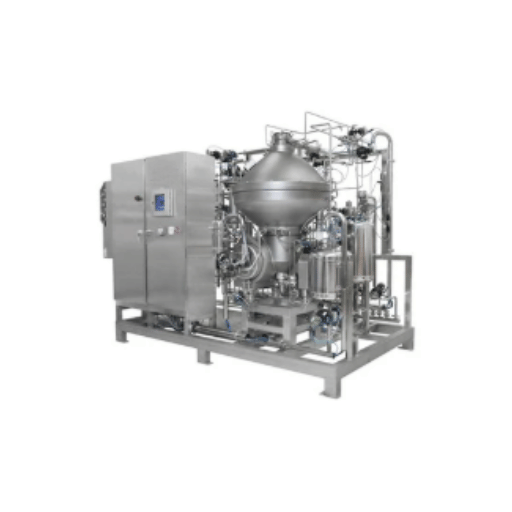
The need for better operational performance and environmentally friendly solutions and accurate results has led to new advancements in separation technology development. The main developing trends which shape the future of separation technologies will include the following developments:
- Energy-Efficient Designs: Reduced power consumption for lower environmental impact.
- Advanced Materials: Use of corrosion-resistant alloys for extended lifespan.
- Automation and IoT: Real-time monitoring and predictive data analytics.
- Membrane-Based Techniques: Enhanced permeability and selectivity in filtration.
- Sustainability Focus: Circular economy operations through waste reduction.
Automation in Separation Processes
The industry experiences a revolutionary transformation through automated separation processes which enhance operational efficiency and reliability and allow for increased production capacity. Automated systems achieve their performance optimization through advanced control systems and sensors and real-time monitoring technologies which enable energy use reduction and decrease system downtime. The combination of machine learning algorithms with predictive analytics allows their techniques to improve operational efficiency through adaptive decision-making and fault prediction capabilities. Automation enables industries to perform separation tasks with greater accuracy while achieving their sustainability targets and satisfying requirements for intricate industrial processes.
Environmental Impact and Sustainability
Automation technologies reduce industrial operations environmental impact through their work. The systems optimize resource usage which results in decreasing waste and energy needs to achieve worldwide sustainability targets. Environmental regulations are enforced through advanced monitoring systems which track emissions and pollutant levels at exact thresholds. Automation systems show their ability to create environmentally friendly solutions through their use of renewable energy sources and closed-loop processes which help industries reach sustainable development goals while keeping their business operations running smoothly.
Innovations in Membrane Filtration
Membrane filtration technologies have developed new progress through material science improvements and system performance enhancements. Scientists have created nanostructured membranes which provide better permeability and selectivity for more effective separation applications. The implementation of hybrid systems which combine membrane filtration with advanced oxidation or biological treatments has created new industrial applications which range from wastewater treatment to pharmaceutical purification. The combination of automation with real-time monitoring systems has enhanced operational dependability by decreasing fouling and energy usage while extending the operational life of membranes. Modern membrane filtration systems have become essential for developing economical and environmentally friendly separation processes which provide effective separation results.
Choosing the Right Separator for Your Needs
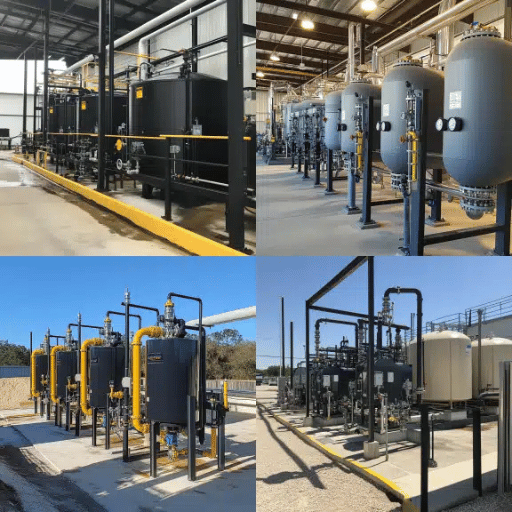
The selection process for separators requires assessment of three essential factors which include material type and required separation performance and working conditions. Start by evaluating the physical and chemical properties of the input material, such as particle size and density and viscosity. The required separation performance needs to be determined through assessment of three factors which include purity requirements and throughput needs and energy consumption efficiency. Your facility’s operational temperature and pressure limits, and potential corrosion hazards need to be assessed for compatibility with your needs. The process of consulting with manufacturers or specialists will assist you in finding the most effective and reliable separation system which meets your operational needs.
Essential Selection Criteria for Filtration Equipment
When selecting filtration equipment, focus on the following critical criteria to ensure optimal performance and system longevity:
- 1
Filtration Efficiency
Capacity to remove particles to required sizes according to industry standards. - 2
Flow Rate and Capacity
Processing capacity matched with current operations and upcoming growth. - 3
Material Compatibility
Resistance against chemicals, temperature changes, and corrosion. - 4
Maintenance Requirements
Ease of cleaning and quick replacement of components.
Evaluating Product Quality and Performance
To assess product quality and performance effectively, focus on key metrics such as filtration efficiency, material durability, and operational consistency. Your filtration efficiency requirement must match both your specific needs for removing particles and the standards established by your industry. Evaluate material durability to ensure resistance against wear and corrosion and chemical degradation throughout operational testing. The assessment of operational consistency occurs through standardized testing which evaluates performance across different environmental conditions. You can make a confident solution choice which fulfills your operational needs and quality standards by giving priority to these factors and following regulatory requirements.
Cost-Effective Solutions for Solid Separation
The process of achieving cost-efficient solid-liquid separation needs operational parameter optimization together with advanced filtration technology development. The combination of centrifugal separation with membrane filtration and decanter centrifuges delivers improved performance while using fewer resources. Equipment selection should be based on particle size distribution, slurry viscosity, and throughput capacity to ensure scalability and performance. The combination of regular maintenance with process monitoring activities enables organizations to reduce downtime while increasing equipment lifespan, which results in better financial returns. The implementation of separation techniques according to application needs leads to decreased energy use and waste generation, which creates both financial savings and environmental protection advantages.
Reference Sources
LinkedIn: Extraction Machine Market Growth Drivers and Key Trends
ISHN: The Right Filter Strategy for Manufacturing Companies
Global Market Insights: Filtration and Separation Equipment Market Share
Congruence Market Insights: Global Filter Press Machine Market Report Overview
Frequently Asked Questions (FAQs)
What are extract separation filter concentration machines used to accomplish?
The equipment performs separation and filtration operations to extract liquid and solid materials from industrial processes used in food, pharma, and chemical processing.
Which industries commonly use these machines?
Food processing companies, pharmaceutical firms, biotechnology organizations, and environmental protection agencies.
What types of materials can these machines process?
The system can process multiple material types which include liquids, slurries, and semi-solid substances.
What are the benefits of using these machines?
Enhances operational performance, maintains product quality, minimizes environmental impact, and ensures regulatory compliance.
Are these machines customizable?
Yes, manufacturers provide customization for production capacity, material processing, and automation requirements.

Candy
Articles: 37
Trending now