Get in touch with Victorystar

What Is Can Filling Machine? Understanding Its Role in Modern Manufacturing Processes

Contents
show
The journey of a canned beverage from the factory to your hand encompasses a range of intricate, high-speed operations. At the heart of this system is the canning machine, which is a mainstay of the present-day manufactory. These machineries of high tech are used to fill billions of cans each year with drinks like soft drinks, lagers, energy drinks, and juices of all kinds, very accurately and efficiently. The knowledge of the operation of this kind of machine often leads to engineering-chemistry-automation with the final goal of a completely consistent, safe, and first-class product on a large scale. In this piece, we will present an exhaustive look at how can filling machines work. We are going to identify their reason, study their critical position in the manufacturing of beverages, and show the different sorts that can be found. The machines’ complex features and auto-controlling methods as the typical components of the filling line will be some of those discussed, and how the selection of the machine is influenced by various factors will be explained in the given article. In the end, the article is going to explain the ways in which the can filling machines boost the efficiency, improve the quality of the products, and are the key to the required flexibility in the present-day harsh market conditions.
The Role of Can Filling Machines in Production
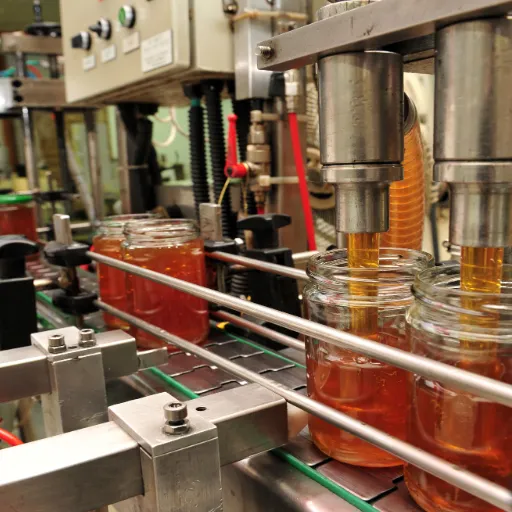
Importance in Beverage Production
In the beverage industry, can filling machines are indispensable. The global beverage market is immense, with consumers demanding a constant supply of their favorite drinks. Manual filling is not a viable option for meeting this demand. Can filling machines enable producers to achieve the high throughput necessary to operate profitably.
The importance of these machines extends beyond speed.
- Product Integrity: They are designed to handle different types of beverages, including delicate carbonated drinks, without compromising quality. By controlling factors like temperature, pressure, and oxygen exposure, these machines preserve the flavor, fizziness, and shelf life of the product.
- Safety and Hygiene: Beverages are subject to stringent food safety regulations. Filling machines are built with food-grade materials, like stainless steel, and incorporate features like Clean-in-Place (CIP) systems that allow for easy and thorough sanitization. This prevents contamination and ensures the product is safe for consumption.
- Brand Consistency: Every can of a particular beverage must offer the same experience to the consumer. Filling machines deliver precise fill volumes, ensuring that each can contains the exact same amount of product. This consistency is vital for maintaining brand reputation and customer trust.
Overview of the Filling Process
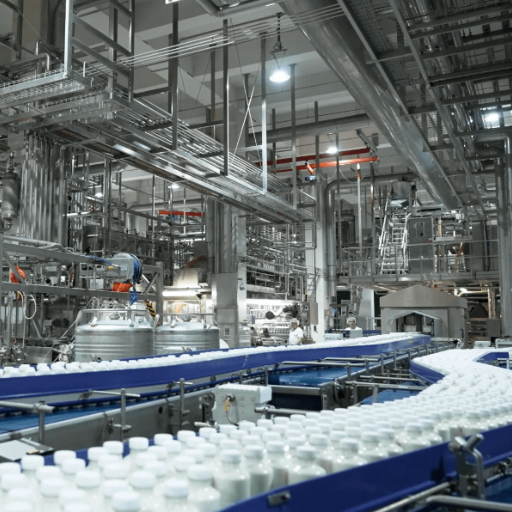
The journey of a can through a filling line is a rapid and highly synchronized sequence of events. While specifics can vary, the general process includes these key stages:
- Can Depalletizing and Rinsing: Empty cans to the factory come in pallet stacks. These pallet stacks are taken apart by the depalletizer which then passes them onto the conveying system. The cans will be turned upside down, and they will be cleaned with air that has been sterilized or water to get rid of any unwanted particles or dust before again being turned upright.
- Filling: The clean cans enter the rotary filling machine. Here, they are lifted to a filling valve, which dispenses the liquid product. The process is carefully controlled to achieve the correct fill level and, for carbonated drinks, to maintain pressure and minimize foam.
- Lid Seaming: Immediately after filling, a lid (or “end”) is placed onto the can. The can then passes through a seamer, which curls the edges of the can body and the lid together to create a permanent, airtight seal. This step is critical for preventing leaks and protecting the product from external elements.
- Post-Fill Inspection and Coding: The sealed cans may pass through various inspection systems, such as an X-ray or a checkweigher, to verify fill levels and detect any defects. A coder then prints batch numbers and expiration dates onto the can.
- Packaging: Finally, the filled and sealed cans are grouped and packaged into cases, trays, or cartons, ready for distribution.
Types of Can Filling Machines
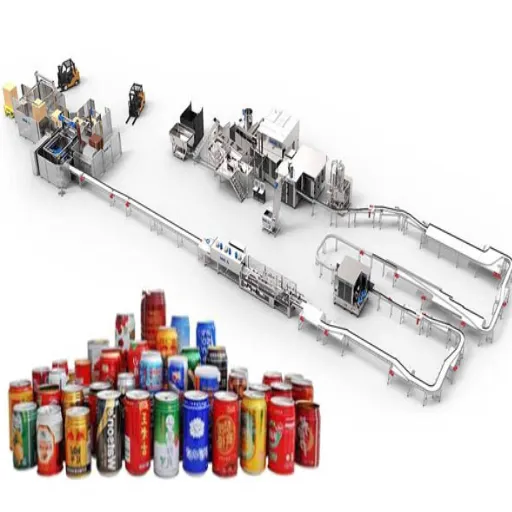
Carbonated Beverage Fillers
When the carbonated drinks such as soda, beer, and sparkling water are being filled it gives a very special type of problem to manage the dissolved carbon dioxide (CO2). If the pressure during filling isn’t rightly supervised, the CO2 will by all means come out of the liquid altogether bringing with it excessive foaming and therefore a reduced, rather lifeless beverage being filled.
To overcome this, carbonated fillers use an isobarometric (or counter-pressure) filling method.
- 1
Pressurization: Before the product is dispensed, the can is sealed and pressurized with CO2 to match the pressure inside the product tank. - 2
Equal-Pressure Filling: With the pressure equalized, the liquid can flow gently into the can via gravity without causing the dissolved CO2 to break out of the solution. - 3
De-pressurization: After filling, the pressure in the can’s headspace is slowly released (a process called “snifting”) before the can moves to the seamer.
This counter-pressure technique is essential for maintaining the carbonation level and ensuring a consistent, high-quality product.
Non-Carbonated Beverage Fillers
For non-carbonated beverages like juice, tea, iced coffee, and still water, the filling process is simpler as there is no need to manage dissolved gas. Common methods include:
- → Gravity Filling:This is one of the most straightforward methods. The product tank is positioned above the filling valves, and the liquid flows into the cans simply by gravity. It’s an efficient method for low-viscosity, free-flowing liquids.
- → Piston Filling:For more viscous products like thick juices or smoothies, a piston filler is often used. This is a volumetric filling method where a piston draws a precise volume of product into a cylinder and then dispenses it into the can. This ensures highly accurate fill levels for thicker liquids.
Customizable Filling Systems
In handling a multitude of products, several modern drink companies have built up a wide assortment over the years. Manufacturers meet this condition by offering very versatile and adaptable equipment for filling. Monoblock filler is one of the most frequently chosen solutions, as it merges the rinsing, filling, and capping machines into one that works simultaneously. This simplifies the number of machines and benefits the production by not having long conveyor belts in between different machines. Furthermore, the cooler models are designed as combi fillers, which can handle both carbonated and non-carbonated drinks and even different can sizes with a small changeover time. This capability serves well in the case of the packers of the commodities for different brands or different sizes of products within one brand.
How Can Filling Machines Work
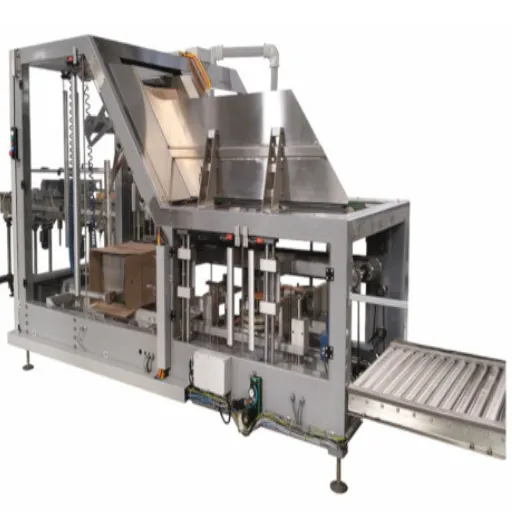
Components of a Filling Machine
A rotary can filler consists of several key parts:
Steps in the Automated Filling Process
Let’s trace the journey of a single can through a rotary isobarometric filler:
- The can is transferred from the infeed conveyor to the filler by the infeed star wheel.
- It is placed on a lifting platform, which raises the can to press its opening firmly against a filling valve, creating a seal.
- The valve first purges the can of air and pressurizes it with CO2.
- Once the pressure is equalized with the product tank, the product valve opens, and the liquid flows into the can.
- When the liquid reaches the predetermined fill level (often detected by a probe), the product valve closes.
- The snifting valve opens briefly to gently release the pressure in the headspace.
- The lifting platform lowers the can.
- The discharge star wheel transfers the filled can to the conveyor leading to the seamer.
⚡ This entire sequence can happen in a matter of seconds. High-speed fillers can process over 2,000 cans per minute.
Choosing the Right Filling Machine
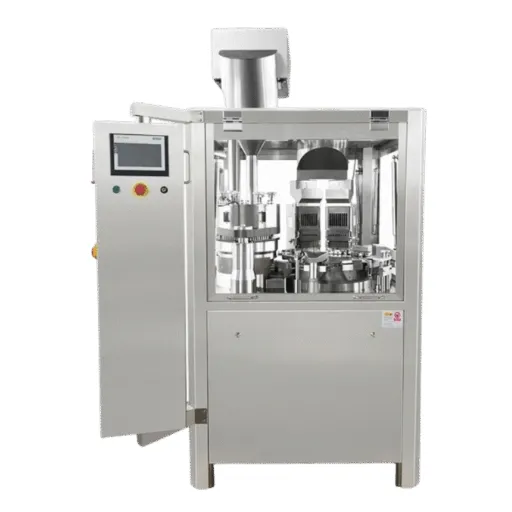
Factors to Consider
- Product Type: Is the beverage carbonated or non-carbonated? What is its viscosity? Does it contain pulp or other solids? The nature of the product is the primary determinant of the filling technology required.
- Production Speed: What is the desired output in cans per minute (CPM) or cans per hour (CPH)? This will determine the size and number of filling valves on the machine. It’s wise to plan for future growth.
- Can Size and Type: Will you be filling standard cans, sleek cans, or slim cans? Will you be using aluminum or steel cans? The machine must be able to handle your chosen packaging format, and the changeover time between different can sizes should be considered.
- Hygiene Requirements: For sensitive products like milk-based drinks or some juices, an aseptic or ultra-clean filling machine may be necessary to ensure extended shelf life without preservatives.
- Budget and Footprint: The cost of the machine and the available floor space in the production facility are practical constraints that must be taken into account.
Evaluating Filling Machine Manufacturers
After you have defined what you need, the next thing you need to do is checking the suppliers out. Companies that are used to working with the beverage sector will be the most reliable in this field. Also, you need to take into account and evaluate three main things: their reliability in providing service, the quality of their engineering, and after-sales support. Not only will the requirement for references and the visits to present customers give you the opportunity to learn a lot about the machine’s performance in the field but also it can save your company from a disastrous investment.
📚 Reference Sources
Can Filler Machine Uses – Explains the uses of can filler machines, including their operation with compressors and conveyor belts.
A Deep Dive into the Can Filling Machine Process – Provides insights into the filling and sealing process of can filling machines.
Can Filling Machine, Tin/Can Filler Manufacturer – Details various types of can filling machines for powder, liquid, and viscous products.
What is Filling Machine and What are the Types of Filling Machines – Explains the concept of filling machines and their applications across industries.
Understanding the Role and Importance of Filling Machines in the Industrial Sector – Highlights the importance of filling machines in efficient and environmentally friendly manufacturing.
Frequently Asked Questions (FAQs)
❓ What is a filling machine and how does it work?
A filling machine is a machine that dispenses or measures certain quantities of a liquid or solid product into a container such as a can or jar. This mechanical process of filling involves the use of valves and a filling head to make sure the right amount is dispensed and in the quickest time possible. On top of that, the whole process is made more convenient if the fillers are capable of handling a wide range of products from a variety of industries-for example, carbonated drinks, and oils for household consumption, or pharmaceutical liquid. It is observed in all of the presently available filling machines that they are completely equipped with the most modern technologies including sensors and PLC control systems in order to boost their productivity and also to decrease the amount of wasted product considerably. Based on the client’s specifications, a manufacturer can make the filling system capable of working with different types and sizes of containers by changing the OEM parts.
❓ What types of filling systems are available for can filling?
There are different can fillings available. Rotary fillers are in the category known for their high speed, and they are therefore commonly used in the food industry with large production lines where turning can be filled in the shortest time possible. Piston fillers can control the amount of the filled product very accurate and are the best choice for very thick products. In the meantime, inline fillers are generally more space-saving and more easily integrated. All three of the packing machines can be made to each required specification, resulting in their best performance in the various food and beverage industry-operating situation.
❓ How do filling machine manufacturers ensure hygiene in the filling process?
Sanitation is a major issue in the packaging industry, particularly for food and beverage manufacturers. Hygiene is the mother of all the equipment used in the industry and all things equipped with stainless steel are hyper-hygienic and will never be dirty and rust-proof. Moreover, machines come up with a modular design that offers easy-parts-breaking-off during cleaning and which is fully equipped to be sanitized. On top of that, new configurations also have touch screen interfaces that make it simpler to setup and install the machine and which helps to monitor its operation and performance when it is totally put together. There are even some aromatic patterns of the juice filling equipment./pacemaker-filling system which may come with a built-in metallic core cleaning unit. Periodic maintenance and compliance with the applicable hygiene codes secure the safety and quality of the filled products to the maximum.
❓ What is the best can filling machine for small-scale production?
Choosing the most suitable can filling machine for the production in smaller quanities is often determined by the needs of the company exclusively, such as the product to be filled and the rate of output desired. Semi-automatic filling machine for the small applications make it possible to achieve good quality and the cost-effective solution at the same time. These filling machines can handle many different products and they are usually highly customizable to cater to unique needs. Some manufacturers are selling machines with smaller footprints that can fill all kinds of containers and can even handle different types of products. In the end, the most perfect machine is one that combines efficiency, precise filling, and adaptability to the small production….

DU
Articles: 45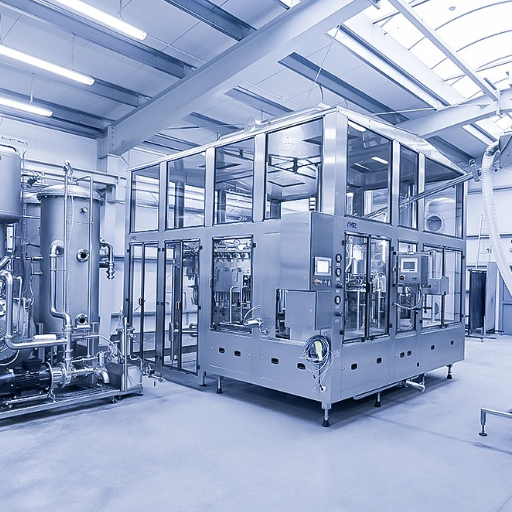
Trending now