Get in touch with Victorystar

The ultimate guide to beer production line

Contents
show
Beer is probably one of the oldest and most loved drinks all over the world, with millions of people quenching their thirst primarily due to its unique flavors and cultural significance. Do you, however, wonder how this bright and foamy drink goes through the entire process of bringing out the raw materials to that cold glass in your hand? This detailed guide will open the doors to a contemporary beer production line, exposing the complicated procedures and the use of technology in producing the perfect beer out of mere grains, hops, and water. No matter if you are a brewery lover, an amateur brewer, or simply someone who wants to know about the craft beer art, this write-up will unfold the journey with you through each step—from the purchase of high-grade materials to the last stages of packing and letting out the product. Be prepared to dive into the world of beer making where the cooperation of skilled workers, science, and love are the main factors.
Introduction to Beer Brewing
What is Beer?
For ages beer has been one of the first and most widely drunk alcoholic drinks in the whole world, made by fermenting water, malted grains (usually barley), hops, and yeast. In beer making, yeast turns the sugars obtained from the grains into alcohol and carbon dioxide. Hops are introduced to give the drink bitterness, taste, and smell, thus counteracting the natural sweetness of the malt. Today’s world knows that there are more than 100 different styles of beers around the globe, which can be very diverse, quantified, and categorized according to the region they come from, their components, and their technology to name ales, IPAs, stouts, and lagers. Beer has been and still is an important part of the world’s cultures regardless if it is consumed in a social, ceremonial or gastronomic way.
Overview of the Brewing Process
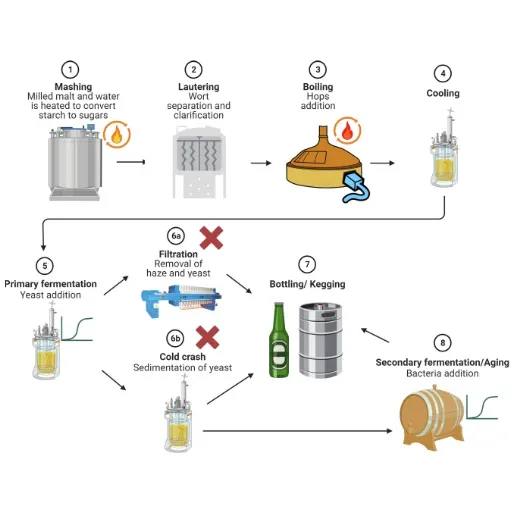
Brewing of beer is a difficult but interesting operation that mixes technology, art, and customs. The procedure involves five main steps: malting, mashing, boiling, fermenting, and packaging. Malting consists of preparing the raw material (i.e., barley or other grains) through soaking, germination, and drying, which process initiates activation of enzymes that will be responsible for starch-to-sugar conversion. In mashing, the grains are combined with hot water, and the starches are further broken down into sugars producing a liquid named wort. It is boiling of the wort that is the most significant for sterilization as well as for introducing hops whose bitterness, flavor, and aroma are the intended effects.
After the boil, wort is cooled quickly and is transferred to fermenters where yeast is already present. The yeast then feeds on the sugars producing alcohol and carbon dioxide along the way. Depending upon the kind of beer being made, fermenting may last for weeks or even months if aging is involved to develop mellower tasting beer. The last steps in the procedure involve filtering the beer (if required), adding carbon dioxide for carbonation, and packing the beer into bottles, cans, or kegs for sale.
📊 Current Brewing Trends
The latest information spotlights the racket of the craft and small-batch brewery, where inquiring about home brewing methods and microbrewery has increased a lot all over the world. This phenomenon is talking about modern innovative brewing techniques like using local products, playing with different types of yeast, or making alcohol-free beer and more recently, these brewers are getting less and less restricted by technology. When hobbyists and professional brewers have access to more information and resources than ever before, they are still the ones who push—or even break—the limits of what is possible in today’s beer production.
Importance of Quality Ingredients
Great beer is nothing but great quality ingredients. In accordance with the latest search trends data, consumers are looking more and more for information about the roles of malt, hops, yeast, and water in the brewing process. This is a sign that the breweries and beer drinkers are getting more and more conscious about the influence of the choice of these elements on the taste, scent, and nature of the final product. Hops, locally sourced and organic malts searches speak for the trend of going green (sustainable brewing) and being real (authentic in brewing). Likewise, curiosity about rare yeast strains is a sign of brewers wanting to take risks and so create unique, complex beers that are able to win over in a tough market. It is, indeed, a matter of investing in high-end, innovative ingredients that is not only the craft way but also a response consumer expectations.
Setting Up Your Brewery
Choosing the Right Location
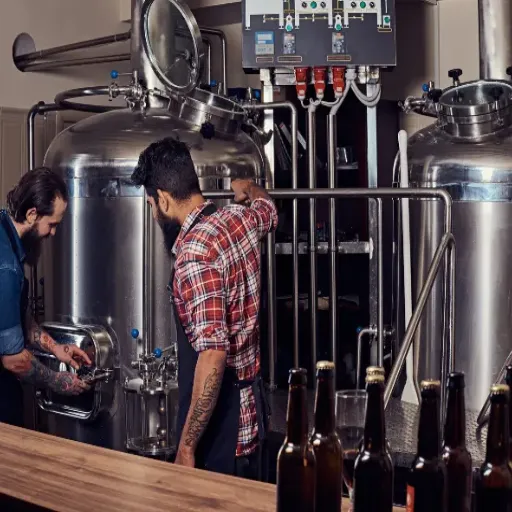
Picking the right place for your brewery is a decisive factor for its success or failure, and the most recent data from search engines can be your assist in this. The increase in the number of searches for “breweries nearby me” and “local craft beer” indicates that accessibility and distance to customers are very important factors. The city centers with lots of people often give better visibility and regular customer flow, whereas the countryside locations might attract those who want a more immersive experience, especially if it is associated with local farming or beautiful spots. Besides, studies show that places with interest in environmental and community-oriented businesses are more likely to support the craft beer scene. Contemporary market insights regarding your brewery’s theme, target audience, and operations can help you choose a location that not only supports growth but also matches consumer expectations.
Essential Brewery Equipment
Proper equipment is among the top requirements when establishing a brewery in order to ensure that production runs efficiently and the quality of the beer is maintained. Based on the newest insights and popular search queries, craft brewers quite often wonder, “What are the essential parts of equipment to set up a brewery?”
✓ Essential Equipment Checklist
- ▸Brewing Kettles: Core vessels for boiling wort and hop additions
- ▸Fermenters: Temperature-controlled tanks for yeast fermentation
- ▸Mash Tuns: Essential for converting starches to fermentable sugars
- ▸Glycol Chillers: Critical for precise temperature control during fermentation
- ▸Grain Mill: For properly crushing malt while preserving husks
- ▸Wort Pump: For transferring liquids between production stages
- ▸Bright Tanks & Kegs: For conditioning and packaging finished beer
- ▸CIP Systems: Clean-in-Place systems for maintaining hygiene standards
A proper selection of equipment that is tailored to the scale of production of your brewery will not only improve the process but also aid in producing a superb beer which will be liked by your intended audience.
Understanding Brewing Needs
Supply of the up-to-date needs of the breweries that are poised to modern day is to be always trend and data savvy. Recent insights from search engines indicate a consumer that is shy of craft beer that is characterized by sustainability and unusual flavor profiles. This means that breweries have to adopt eco-friendly practices like using local ingredients, and reducing water consumption, and energy-friendly technologies in brewing. Besides, there is a tendency for more interest in limited-edition and seasonal beers, thus the importance of invention in recipe-making cannot be overstated. By fusing the conventional brewing methods with cutting-edge ones and sustainability practices, a brewery can win over the consumers and at the same time secure a spot in the market for the long haul.
Raw Material Handling
Malt Selection and Preparation
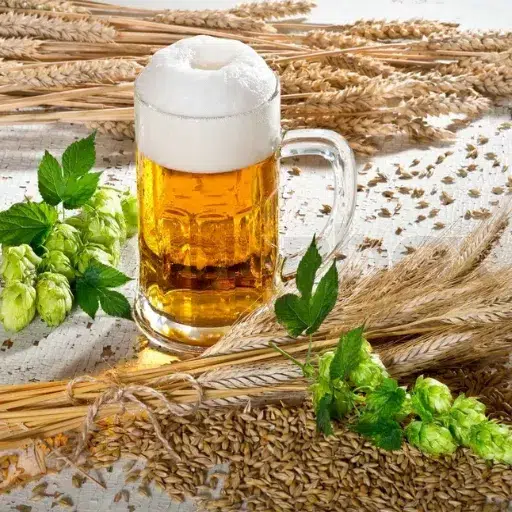
Malt selection is the process of brewing that influences directly the flavor, color, and body of the beer. Let us say that the base malts like Pilsner or Pale Malt, and the specialty malts such as Crystal or Chocolate Malt, to mention but a few are usually the different types that are available to the brewers according to the beer style that they want to produce. The correct preparation secures the process of extracting the most from the mashing by milling the malt so that the grain is cracked but mostly the husk is left intact.
In the present-day situation with the data from search trends, the sustainable and locally sourced malt types have gained more attention from the consumers. The marginally bigger craft breweries are doing more of the small-scale regional maltsters who grow and process unusual barley strains, so they can have better traceability and also lesser carbon footprints. This means that by using these practices during the malting selection process the brewers not only boost the flavor profile but also meet the demand of the customers for eco-friendly and artisanal products.
Water Quality and Treatment
Water quality and its treatment processes are the major factors in the brewing industry. They not only affect the product’s flavor but also its consistency. The trend observed through search data is an upward movement in the otherwise constant curiosity of consumers and brewers about water treatment methods and their importance in the processing of craft beer. One of the common questions asked is, “What is the reason that one has to do water treatment for brewing?”
💧 Why Water Treatment Matters
Water treatment is compulsory as it is the water that contributes more than 90% of the beer and its mineral content has a direct influence on the brewing process. This is why brewers frequently adopt water profiling through filtration, reverse osmosis, and mineral adjusting.
Key Benefits: Treatment that is performed properly will eliminate the risk of introducing off-flavors from chlorine, excessive hardness, or other impurities thus creating a clean and tasty base for fermentation. Such an emphasis laid on quality and purity of the water fits perfectly with the larger trend of craftsmanship, authenticity, and quality that is currently seen in the brewing world and it also reflects the consumer’s demand to be informed about the intricacies of production spanning different timeframes and areas.
Hop Varieties and Their Role
Hops are among the primary ingredients in the beer-making process, as they are the main contributors to the aroma, bitterness, and flavor of the different types of beer with their very distinct characteristics of being variegated. It is not an exaggeration to say that there is a virtually limitless world of different varieties of hops, each of them having their own special characteristics. For instance, Cascade hops come with very pleasing aromas of flowers, citrus, and grapefruit which is why they have become so widely used in American ales, whereas Saaz hops whose aromas are characterized as mild and earthy are the typical representative of the classic Czech pilsners.
As per the latest trends, there has been a spike in searches such as “hop varieties in craft beer”, which shows consumers’ growing interest in knowing the impact of hops on beer taste. The breweries are more and more turning to hop varieties like Citra, Mosaic, and Galaxy together to come up with daring and tropical tastes that are in line with contemporary liking. Also, the introduction of cryo-hops and of new hybrid strains is among the factors that enable the flavors and the scents to be even stronger and thus the trend of hop-forward beer is likely to be lasting. By choosing the right hops according to the beer style, the brewers can at the same time create drinks that suit various tastes and preserve the brewing tradition.
The Brewing Process
Mashing Techniques
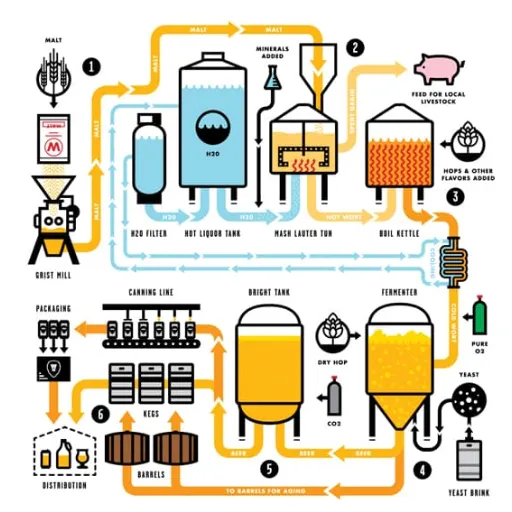
Mashing is a very important operation that is carried out in the brewing process. During mashing, the grains are mixed with hot water to activate the enzymes that turn starches into sugary substances that can be fermented. Many different mashing techniques exist, each one appropriate for different brewing styles and then desired outcomes. One conventional method is single infusion mashing, in which the moist grains are heated to a constant temperature, usually anywhere from 148°F to 158°F. This allows the enzyme activity to happen fast and effectively.
🔬 Advanced Mashing Insights
Milling grain and incubating in water at different temperatures are common practices in brewing. Primary ferments and secondary ferments develop different characteristics indicating different styles and degrees of aging. Aromatization is another crucial step that takes place at boiling with hops. According to current trends in brewing methods, mashing temperatures have to be optimized if to achieve the new different tastes, especially for craft beers and experimental breweries. By applying these processes and researching modern mashing, brewers can always have something new, fresh, and delightful in the market.
Wort Production
Wort production is one of the most important steps in the brewing process. It concerns extracting sugars from malted cereals and then producing a sweet liquid that is going to be beer later. The sequence starts with mashing, where ground grains are united with hot water to activate enzymes that transform starches into sugars. After the mashing process, the mixture, usually called mash, is filtered to separate liquid wort from spent grain.
According to the latest search data, there is a significant portion of brewers that are checking ways to get better results from the wort production process. Questions such as the ones regarding optimizing wort clarity, increasing sugar extraction efficiency and even experimenting with different grains imply that more people are showing interest in this step and thus the quality of their beer will be better. Different, for example, decoction mashing or using modern filtration systems, which are advancements for producers, are being looked at as frequent ways out. If the brewers get these trends and inventions, they will not just improve their production in terms of quality but they will also be able to cater to the palate of the consumers that are expecting more varieties and peculiarities of beer styles.
Boiling and Hop Addition
The boiling phase is one of the most important ones in the beer making process for it has a number of the raw wort, one of the most critical operations being that of the primary sterilization of the wort, besides stopping the enzymes’ activity and obtaining the flavors and bitterness from the hops. The addition of hops during the boiling process is just the area where the combination of aroma, flavor, and bitterness is mastered. The latest information from search engines tells that consumers are quite often interested in knowing the timing as well as the effect of hop additions on beer profiles.
⏱️ Hop Addition Timing Guide
| Timing | Primary Effect | Result |
|---|---|---|
| Early Addition | Bitterness | Strong bitter profile (IPAs) |
| Late Addition | Flavor & Aroma | Enhanced aromatic characteristics |
| Dry Hopping | Aroma Only | Maximum aroma with balanced bitterness |
Mainly, the early hop contributions in the boiling stage are mostly responsible for bitterness while, on the other hand, late doing or dry hopping leads to the stronger presence of aroma and flavor characteristics. Knowing when to add hops can open a very wide range of different beer styles from the extremely bitter IPAs to the soft-flavored, balanced ales. By taking data insights into consideration, the brewers can modify their recipes to match the market stars and customer tastes.
Fermentation and Conditioning
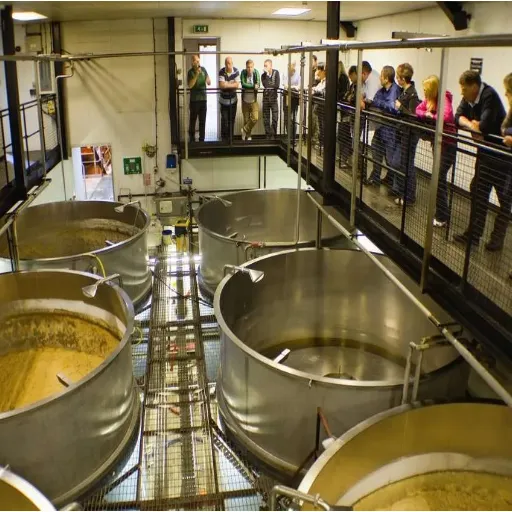
Yeast Selection and Handling
It is crucial to weigh the selected yeast for brewing and its handling, considering the beer style which one wants to produce and the latest trends in the field of brewing. The strains that yield clean and crisp finishes, and those that intensify fruity or tropical flavors in beer, have attracted the most attention from the searches on search engines. A large number of brewers choose to use ale or lager yeasts according to not only the temperature of fermentation but also the flavour profile they want to get.
🦠 Best Practices for Yeast Handling
- Proper Rehydration: Follow manufacturer guidelines for temperature and timing
- Correct Pitching Rate: Calculate yeast quantity based on wort volume and gravity
- Oxygen Provision: Ensure adequate aeration for healthy yeast reproduction
- Temperature Control: Maintain strict temperature ranges throughout fermentation
- Sanitation: Keep all equipment sterile to prevent contamination
The proper handling of yeast, like the rehydration process, determines the rate of the yeast’s pitching, and the provision of oxygen, has a very big impact on the health of fermentation process. Yet, the brewers are to use a certain and strict temperature control throughout fermentation if they want to get the same and quality results. The modern brewers who keep themselves updated about the changes in consumers’ choices and the introduction of new yeast can take their processes back to the origin and create beers that meet the expectations of the market.
Fermentation Process
Fermentation is a biological process whereby yeast or other microorganisms change sugars into alcohol, carbon dioxide, and other byproducts. One of the most popular queries according to the latest data from searches is, “How long does fermentation take?” The length of fermentation is determined by the beverage type, yeast strain and process conditions. Primary fermentation of beer usually takes one to two weeks; lager fermentation may take longer because of lower temperatures. The fermentation period for wine may vary from one week to over a month depending on the variety of grapes and the method of the winemaker. It is vital knowing the appropriate time and conditions for fermentation since they influence the flavor and quality which should be on par with consumer modern and traditional expectations.
Conditioning and Aging
Conditioning and aging are among the most important processes in the production of alcoholic beverages such as beer and wine, when flavors are brought out and refined. The conditioning stage in beer productionnaturally allows carbon dioxide to develop, which not only creates a smoother mouthfeel but also can be a major factor in the pleasantness, sweetness, and other aspects of the taste profile. Beers are sometimes aged for weeks or even months depending on the style, while stouts and barleywines are among the few beers that actually get better with very long aging. Aging—whether in barrels or in bottles—contributes to the complexity and balance of the wine. With regard to the influence of wood on wine, factors such as the type of oak barrel, temperature, and the length of time have a great impact on the flavors, aromas, and the mouthfeel of the wine.
🍷 Aging Trends & Consumer Interest
Online interest data has indicated that wine and beer made with old barrels are becoming more and more sought after and consumers are curious to know just how much effect the different types of wood like American or French oak have on the character of the beverages, so the searches referring to this matter are coming from that direction. A similar trend is seen with shaping kits and DIY conditioning tools gaining popularity, which is a reflection of the modern consumer wanting to be part of the aging process and doing so in a way that combines the traditional and the hobbyist innovative.
Filtration and Packaging
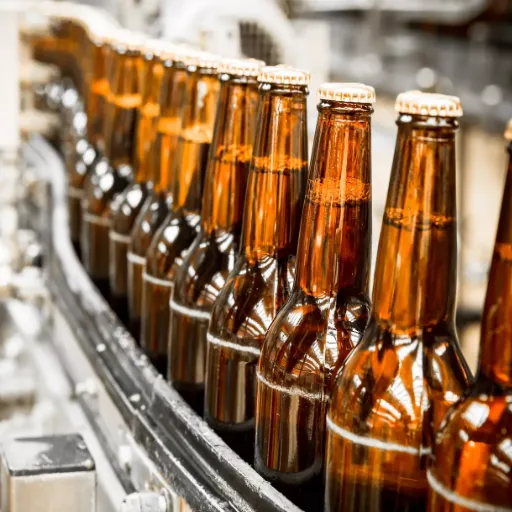
The Significance of Filtration
Filtration is instrumental in the beverage sector, as it guarantees the clarity, and stability and eventually quality of the product. Filtration methods of commercial and at-home brewing have attracted a lot of attention, as shown in search trends statistics. The correct filtering process eliminates the undesirable particles that contribute to the bad taste, bad appearance, and short life of the final product such as yeast residues, sediments, and impurities. The hot question of sterile filtration and crossflow technology being asked these days indicates that more and more people want to have drinks that have the qualities of being made by hand but at the same time being very pure. The significance of filtration is even more pronounced when we see the rise in the searches for the terms “how to filter beer at home” and “wine filtration techniques,” meaning that industry experts and enthusiasts alike are viewing filtration as an indispensable process.
Bottling or Canning
Ultimately, the choice of bottling or canning goes down to product, audience, and production focuses. The latest trends indicate that the interest in “commercial processes for craft beers” and “sustainability beverage packaging” is on the rise, which can be taken as a sign that cans are getting the upper hand because of their lightweight, recyclable nature, and the ability to keep beverages safe from light and air. At the same time, there is a stream of people looking for “the best glass bottles for homemade wine” and “premium packaging ideas” which shows that bottles are still linked to the old ways, elegance, and good branding, especially for wine or craft drinks.
| Packaging Type | Advantages | Disadvantages | Best For |
|---|---|---|---|
| Canning |
|
|
Craft brewers, ready-to-drink cocktails, mass production, outdoor events |
| Bottling |
|
|
Premium wines, craft beer collections, specialty releases, gift packages |
Canning has the plus point of being wonderfully suited for mass production because of its lower cost and less wear and tear, thereby making it an excellent option for craft brewers or ready-to-drink cocktails focusing on a younger, mobile, and speedy demographic. Meanwhile, bottling caters to the customers who are after a more traditional or luxurious experience by creating an attractive presentation for display and gifting purposes. Based on the analysis of these distinct consumer preferences and aligning them with product goals, beverage producers will be able to receive an informed choice between bottling and canning.
Labeling and Regulatory Compliance
Labeling and regulatory compliance are the two very crucial stages that a beverage product has to go through before being allowed in the streets. If to say the latest data, it is consumers who are increasingly seeking transparency in product labeling that influences their purchasing decisions, then labeling is the one way or another that companies take to show their honesty. Labels are supposed to contain reliable ingredient lists, nutritional data, allergen alerts, and any claims like “organic” or “non-GMO” which are to follow the regulatory standards strictly. There are specific rules laid down by the FDA in the United States or EFSA in the European Union to ensure that products are safe and of good quality. Moreover, consumers who are conscious of sustainability are opting for the kind of packaging that has eco-friendly certifications marked on it. To avoid losing customers and remain compliant, beverage manufacturers need to stay up to date on changing regulations and consumer habits, using digital tools and analytics to inform and prompt their labeling strategies.
⚠️ Critical Labeling Requirements
- Ingredient Lists: Complete and accurate listing of all ingredients
- Nutritional Information: Calorie count, carbohydrates, and alcohol content
- Allergen Warnings: Clear identification of common allergens
- Production Details: Brewery location, batch information, and expiration dates
- Certifications: Organic, non-GMO, or sustainability badges where applicable
- Legal Disclaimers: Age restrictions and responsible consumption messages
Frequently Asked Questions (FAQ)
❓ How does fermentation affect the brewing process?
Fermentation is one of the stages in the brewing process that plays a role in deciding the alcohol level and flavor characteristics of the final beer. At the time of fermentation, yeast types eat the sugars that are dissolved in the wort, thus making alcohol and carbon dioxide. The temperature and time for fermentation will determine the final beers’ taste and smell characteristics. The use of different yeast types sometimes leads to different types of beer like ales or lagers. It is crucial that fermentation conditions in the fermentation vessel are kept under strict control to meet production goals and maintain consistency in every single batch of beer produced.
❓ What equipment do I need for brewing at home?
The right equipment is the most important factor for setting up home brewing and ensuring a successful brewing process. A basic brewing kit will in most cases contain the following: a mash tun, fermentation vessel, and bottling equipment. The use of a brew kettle is also mandatory as it serves the purpose of boiling the wort and adding hops at the same time. Moreover, a hydrometer gives you the measure of the specific gravity of your wort which tells you how well your beer production is going in terms of efficiency. It would also be wise to buy a lauter tun for better sugar extraction and thus better quality beer. With the proper brewing equipment, you can design a beer batch that aligns with your taste.
❓ What are the different types of beer?
The primary categorization of beers into ales and lagers gives rise to subgroups of many different types of beers each with its own special traits. Ales are fermented at higher temperatures with top-fermenting yeast types, hence the rich variety of tastes and smells. Lagers, in contrast, are produced from bottom-fermenting yeast types at low temperatures leading to a smooth and more defined taste. The distinction does not end there because every beer type can have its own subcategories, for example, pale ales, IPAs, and pilsners. Being aware of these distinctions can aid in picking the right beer according to the occasion and at the same time it will contribute to your understanding of and enjoyment in the brewing process.
❓ How is beer packaged for distribution?
Bottling is the final processing step that is very pivotal in keeping the beer fresh and pure in terms of flavor during its distribution. Most of the time, after fermentation and conditioning, the beer will first be filtered and carbonated and then bottled or kegged. During the packaging phase, it is essential to keep the oxygen exposure to a minimum because it is one of the biggest enemies of beer hence its quality will suffer. Some breweries have automated lines that take care of filling and capping bottles which ensures not only speed but also hygiene. Proper labeling and storage conditions are also necessary to achieve production goals and ultimately supply the best possible beer to consumers.
Key Takeaways
🌾 Quality Ingredients
Premium malt, hops, water, and yeast form the foundation of exceptional beer
⚙️ Precision Equipment
Proper brewing equipment ensures consistency and efficiency in production
🔬 Process Control
Temperature, timing, and sanitation are critical throughout every stage
♻️ Sustainability
Modern consumers demand eco-friendly practices and local sourcing
Reference Sources
- Beer Industry Guide: Books – Cornell University Library
https://guides.library.cornell.edu/beer/books
This guide offers insights into how recipe formulation, brewhouse procedures, and yeast impact beer production. - Technical Document on Beer Production – University of Oklahoma
https://www.ou.edu/class/che-design/a-design/projects-2004/New%20Beer%20in%20the%20Market.pdf
This document outlines the main processes in beer production, including mashing, boiling, fermentation, and packaging. - Design of a Standardized Brewery – Worcester Polytechnic Institute (WPI)
https://digital.wpi.edu/downloads/n583xx349
This source discusses bottlenecks in beer production and strategies for optimizing brewery operations.

GW
Articles: 39
Trending now