Get in touch with Victorystar

A Beginner’s Ultimate Guide to Can Filling Machine Selection and Maintenance

Contents
show
Choosing the right can filling machine is a critical decision for any production line, impacting everything from efficiency to product quality. Selecting the wrong equipment can lead to costly downtime, inconsistent fills, and ultimately, a compromised product. This guide provides a comprehensive overview of can filling machines, offering the insights needed to select, operate, and maintain the ideal system for your business.We will explore the fundamental mechanics of these machines, compare different filling technologies, and detail the maintenance practices required to ensure long-term performance. By the end of this guide, you will have a clear understanding of how to optimize your filling process, enhance productivity, and make an informed investment that supports your production goals.
Understanding the Basics of Filling Machines
What is a Filling Machine?
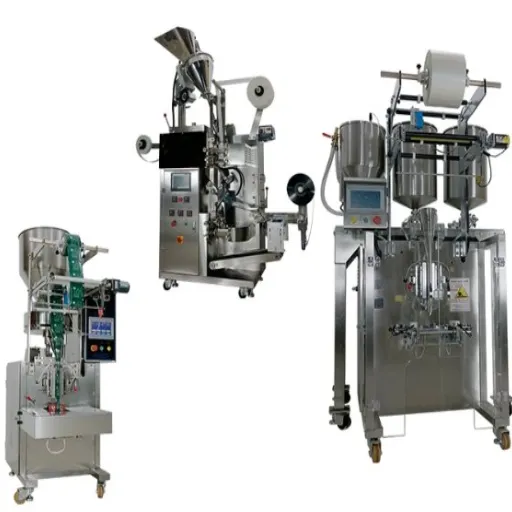
A filling machine is a piece of equipment designed to dispense a precise amount of product into a container, such as a can, bottle, or jar. These machines are a cornerstone of many industries, including food and beverage, pharmaceuticals, and chemicals. Their primary function is to automate the packaging process, ensuring accuracy, speed, and consistency that manual filling simply cannot match. From carbonated soft drinks to viscous food products, filling machines are engineered to handle a wide array of substances with precision.
Types of Filling Machines
Filling machines are categorized based on the type of product they handle and their method of operation. The main categories include:
- Liquid Fillers: Designed for products ranging from water-thin liquids to thicker sauces.
- Powder Fillers: Used for products like flour, spices, and protein powders.
- Solid Fillers: Handle items like candies, nuts, and other solid goods.
- Viscous Product Fillers: Specialized for thick substances like pastes and creams.
This guide focuses on liquid can filling machines, which are widely used in the beverage industry and for liquid food products.
Importance of Choosing the Right Filling Machine
The selection of a filling machine has a significant impact on your entire production operation. Choosing the right equipment offers several key advantages:
Efficiency
As demand for preservative-free products grows, advancements in aseptic filling technology, which sterilizes the packaging and product separately, will become more common.
Product Integrity
It ensures that the product is handled correctly, preserving its quality, taste, and shelf life.
Cost-Effectiveness
A suitable machine reduces labor costs, minimizes costly errors, and offers a strong return on investment.
Scalability
The right choice allows your production to grow without needing an immediate replacement of your core equipment.
Investing time in researching and selecting the proper filling machine is a crucial step toward building a reliable and profitable production line.
Guide to Choosing the Right Can Filling Machine
Factors to Consider for Your Production Needs
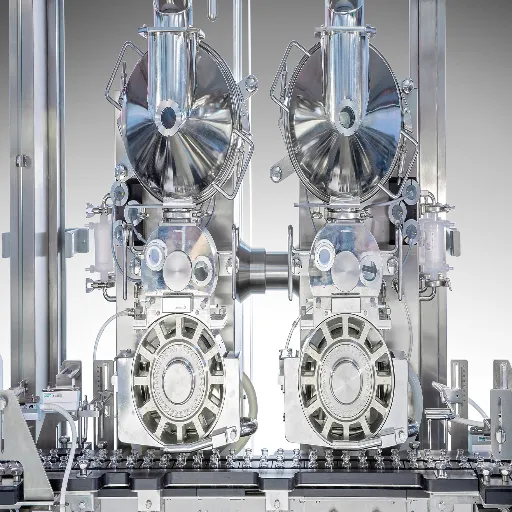
To determine the best machine for your business, assess the following aspects of your operation:
Product Viscosity
Is your product thin like water, or thick like a syrup? Viscosity dictates the type of filling mechanism required.
Production Speed
How many cans per minute or hour do you need to fill? This will determine whether you need a manual, semi-automatic, or fully automatic machine.
Can Size and Type
Consider the different can sizes and materials (aluminum, steel) you will be using. The machine must be compatible or easily adjustable.
Accuracy Requirements
What level of fill accuracy is acceptable? Overfilling wastes product, while underfilling can lead to customer complaints and regulatory issues.
Budget
Determine your budget for the initial purchase, as well as ongoing operational and maintenance costs.
Comparing Different Filling Technologies
Once you have defined your needs, you can compare the various filling technologies available. Each has its own set of advantages and is suited for different types of products and production scales. The most common technologies for liquid filling include gravity, piston, and vacuum systems, which we will explore in detail in the next section. Comparing these options against your specific requirements is the key to making an informed decision.
Choosing the Right Machine for Liquid Packaging
Types of Liquid Filling Systems
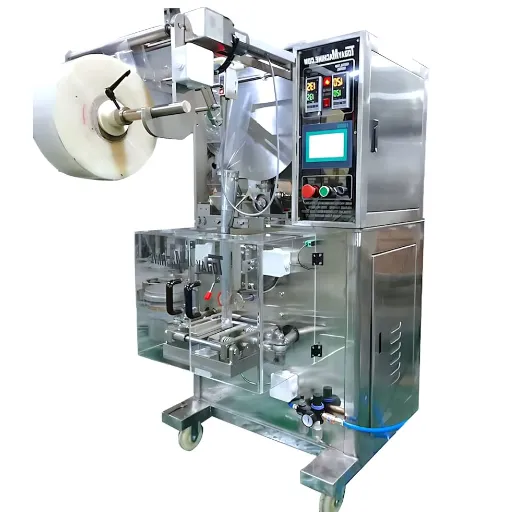
Liquid filling systems are broadly classified by their filling mechanism. The three most prevalent types for can filling are gravity, piston, and vacuum fillers. Each operates on a different principle and is best suited for specific liquid types.
Gravity Filling Machines
Gravity fillers are one of the simplest and most cost-effective solutions for liquid filling. They work by holding the product in a tank above the filling nozzles. When the nozzles open, the liquid flows into the cans purely by the force of gravity.
Best for: Free-flowing, low-viscosity liquids like water, juice, and thin oils.
Advantages:
- Simple design
- Easy to clean
- Affordable
Limitations:
Slower than other systems and not suitable for thick or foamy liquids. The fill level is consistent, but the fill volume can vary if the container’s internal volume is not uniform.
Piston Filling Machines
Piston fillers are highly versatile and accurate. They use a piston moving within a cylinder to draw a precise volume of product and then dispense it into the can. The volume can be easily adjusted by changing the piston’s stroke length.
Best for: A wide range of liquid viscosities, from thin liquids to thick creams, pastes, and products with particulates.
Advantages:
- Extremely accurate volumetric fills
- Versatile
- Capable of handling various product types
Limitations:
More complex mechanically, which can make cleaning more intensive. They can also be more expensive than gravity fillers.
Vacuum Filling Machines
Vacuum filling machines, also known as level fillers, are designed to fill containers to a consistent level regardless of slight variations in the container’s internal volume. They create a vacuum in the can, which draws the liquid from a supply tank until it reaches the desired fill height.
Best for: Low- to medium-viscosity liquids and are particularly effective for small, rigid containers where a consistent appearance is crucial.
Advantages:
- Ensures a uniform fill level for better shelf appeal
- Excellent at preventing drips
Limitations:
Not ideal for viscous products as the vacuum may not be strong enough to draw them effectively.
Modern Filling Technologies and Automation

Benefits of Automation in Liquid Filling
Automating the liquid filling process offers a multitude of benefits that can transform a production line:
Increased Speed and Throughput
Fully automatic systems can fill hundreds or even thousands of cans per minute, far exceeding manual or semi-automatic capabilities.
Enhanced Accuracy and Consistency
Automation minimizes human error, resulting in precise fill volumes and consistent product quality with every cycle.
Reduced Labor Costs
By automating repetitive tasks, you can reallocate your workforce to more complex, value-added activities.
Improved Safety and Hygiene
Automated systems reduce direct human contact with the product, which is crucial for maintaining sanitary standards in the food, beverage, and pharmaceutical industries.
Integration with Production Lines
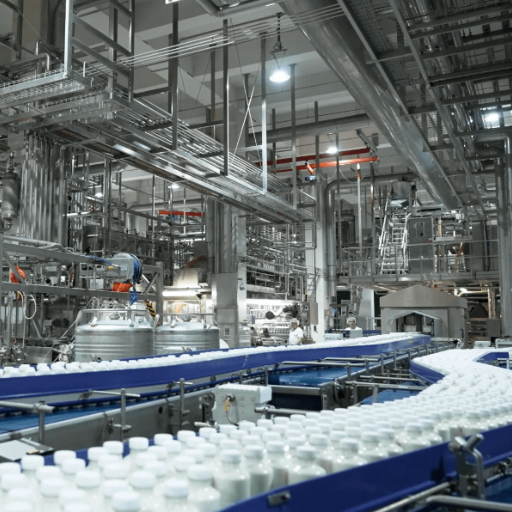
Modern filling machines are designed to be seamlessly integrated into a complete packaging line. This integration often includes:
- Conveyor Systems: To transport cans to and from the filling station automatically.
- Capping and Seaming Machines: To seal the cans immediately after filling.
- Labeling and Coding Equipment: To apply labels and print batch codes or expiration dates.
- Centralized Control Systems (PLCs): Programmable Logic Controllers allow operators to manage and monitor the entire line from a single interface, making adjustments on the fly.
A fully integrated line operates as a cohesive unit, maximizing efficiency and minimizing bottlenecks.
Future Trends in Filling Technology
The future of filling technology is pointed toward even greater intelligence and flexibility. Key trends to watch include:
Smart Fillers with IoT
Internet of Things (IoT) connectivity will enable machines to collect and transmit real-time data on performance, diagnostics, and maintenance needs. This allows for predictive maintenance and remote monitoring.
Robotics
The use of robotics in filling and packaging is increasing, offering unparalleled flexibility for handling various container shapes and sizes and performing complex changeovers automatically.
Sustainable Solutions
Manufacturers are developing machines that use less energy, reduce product waste, and are compatible with new, eco-friendly packaging materials.
Aseptic and Hygienic Filling
Staying informed about these trends can help your business prepare for the future and maintain a competitive edge.
Maintenance and Troubleshooting

Regular Maintenance Practices
A proactive maintenance schedule is the best defense against unexpected breakdowns. Key practices include:
Daily Cleaning
At the end of each production run, thoroughly clean all parts that come into contact with the product. This prevents contamination and product buildup.
Regular Lubrication
Follow the manufacturer’s guidelines to lubricate all moving parts, such as bearings and gears, to reduce friction and wear.
Scheduled Inspections
Regularly inspect seals, gaskets, nozzles, and hoses for signs of wear and tear. Replace any worn components before they fail.
Calibration Checks
Periodically verify the machine’s fill accuracy and recalibrate if necessary to ensure it meets your quality standards.
Common Issues and Solutions
Even with proper maintenance, issues can arise. Here are some common problems and their potential solutions:
When to Seek Professional Help
While many minor issues can be resolved in-house, some problems require expert assistance. Contact a professional service technician if:
- You are experiencing recurring issues that you cannot diagnose.
- The problem involves complex electrical or pneumatic systems.
- A major component failure requires specialized tools or expertise for replacement.
- You need assistance with a comprehensive machine overhaul or upgrade.
Investing in a service contract with your machine’s manufacturer or a trusted third-party technician can provide peace of mind and swift support when you need it most.
Frequently Asked Questions (FAQs)
What are the different types of filling machines available?
Multiple kinds of filling machines exist, each of them representing a manufacturer’s particular production requirements. The most widespread ones are liquid filling machines, powder filling machines, and paste filling machines. The liquid filling machines are meant for a range of liquids, the powder and paste filling machines for thicker substances. This knowledge of the different types will enable companies to pick the right machine for their needs in terms of product quality and capacity.
How do I choose the right filling machine for my production line?
When you are looking for the correct filling machine to put on your production line, you have to figure out what you need by looking at your production conditions and your product’s nature. Among the things you need to think about are the kind of product, the volume you need to produce, and the filling accuracy. At the same time, exploring the various types of machines on the market is believed to be a significant step towards a more productive factory. It is very important to have a machine that has the capacity to cover for your production needs while still giving out the best filling quality.
What is the filling process for modern filling machines?
The filling process for modern filling machines usually goes through a number of steps aiming to optimize the efficiency and precision. As a first step the product should be prepared and moved to the filling station. Then, the filling needles are used to dispense the product into the containers in an accurate manner. At the end, the filled containers may be sent to the capping machines for sealing. Making the filling process automated can drastically increase the capacity and simplify the whole production process.
How can I optimize my filling system for better performance?
One of the key steps in having a better-performing filing system is normally to judge your production process as of now and find the areas where you can add efficiency. Use of highly advanced filling technologies can bring up the efficiency and accuracy of the process. Moreover, service of the filling equipment at fixed intervals not only guarantees reliable operation and minimizes downtimes but also, it will increase the equipment’s life. Providing staff training on the proper procedures for operating the filling machinery is yet another way to have an increased production rate and better products.
What are the benefits of using food filling machines?
Food filling machines have a wide range of advantages, especially for firms in the food and drinks business. They are made in such a way that they can operate with all kinds of solids and liquids while still keeping the hygiene at a top level. And they can also improve staff’s activity by operating the filling process in an automatic manner, thus drawing down the needed of manual labor and human errors. Last but certainly not least, one of the most important benefits is that they are 100% suitable for the customers if the machines are filling the food at the right amount each time.
What should I consider when selecting the best filling equipment?
In choosing the best filling equipment, there are many things to consider which will help you meet your production goals. The selection process will involve a number of critical factors, and among these, the first thing to do is align the filling technologies with the characteristics of your product, like viscosity and container size. Production capacity of the machine and its position in the overall filling line should be taken into account. Additionally, it is essential to evaluate the compatibility of the machine with other equipment, e.g. capping machines, to get a smooth production process.
Reference Sources
The Ultimate Guide to Choosing the Right Can Filling Machine – Offers detailed guidance on selecting the most suitable can filling machine based on various factors.
How to Choose a Suitable Can Filling Machine – Explains how to evaluate product characteristics, such as liquid viscosity, to choose the right machine.
The Only 4 Filling Machine Maintenance Tips You’ll Ever Need – Provides essential maintenance tips to ensure the longevity and efficiency of filling machines.
Conclusion
When you decide on a cup filling machine, you are making a capital decision for the whole production line. The three steps that can guide you through the decision-making process are familiarization with the filling technology basics, thorough examination of the production demands and a preference for the right machine – gravity, piston or vacuum. This way, the decision made will most certainly be the one which will bring down the running costs effectively, increase the accuracy of the process and improve the finished product’s quality. Furthermore, to reach a decision that is perfect of its kind, you should be a part of the automation bandwagon. This will also mean that you are the early adaptor of the emerging trends like IoT connectivity, robotics, and sustainable solutions, positioning your business to triumph in the long run. It is also important to stay vigilant at all times keeping the maintenance program and troubleshooting procedures at a pro level which is of utmost importance to the proper working and hence life and performance of your equipment. If you have the right filling machine and maintenance practices in place, you will be able to gear up for the production needs, put out high-quality products, and at the same time get a good return on the investment made in the cutthroat packaging market.

DU
Articles: 45
Trending now