Get in touch with Victorystar

Energy Drink Production Line Setup: Ensuring Quality and Operational Excellence

Contents
show
Understanding the Energy Drink Manufacturing Process
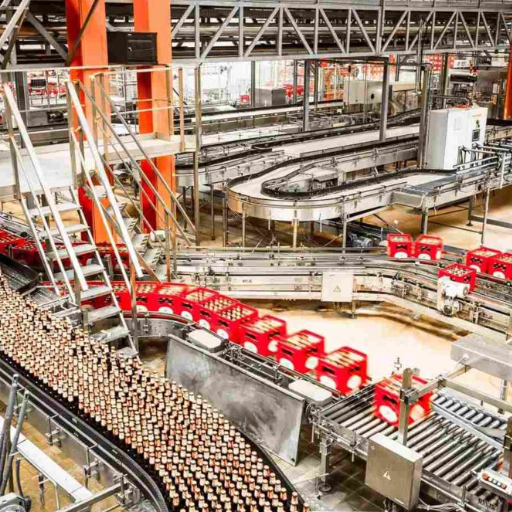
Overview of Energy Drink Formulation
Energy drink formulation is a meticulous process that combines scientific innovation with consumer preferences to create beverages that deliver both functionality and flavor. The formulation process starts with researchers choosing essential components which include caffeine and taurine and B-vitamins and adaptogenic herbs because these substances will boost energy levels and improve mental focus. The team manages the product’s taste through a controlled process which combines sweeteners and flavorings and carbonation to create a taste experience that matches the preferences of specific customer groups. The development of advanced methods for ingredient solubility and nutritional effectiveness and shelf life protection enables the development of products which achieve quality standards while maintaining uniformity throughout their lifespan. The process of creating energy drinks starts with understanding how each ingredient works together to form a complete product which meets customer needs and follows health and safety regulations.
Key Ingredients in Energy Drinks
Energy drinks usually contain multiple essential ingredients which give their drinks specific functional advantages. Caffeine serves as a central nervous system stimulant which helps people concentrate better while decreasing their tiredness. Taurine functions as an amino acid which athletes use to improve their energy production abilities and athletic performance. B vitamins, including B6 and B12, function as essential nutrients which help the body transform food into energy by directing its energy resources for proper nutrient use. Energy drinks use sugars or artificial sweeteners to deliver quick energy but companies now prefer to use other products which lower their drinks total calorie content. The drink includes herbal extracts like ginseng and guarana which companies use because they believe these extracts will boost energy and support customer usage of both their products. The formulation process involves selecting specific ingredients which designers use to create a product that generates maximum energy with focus and endurance according to legal requirements.
Importance of Food Safety in Beverage Production
Food safety functions as a vital component in beverage production because it protects consumer health while maintaining the integrity of manufacturers. Food safety regulations require strict compliance which reduces contamination and spoilage and health risks because these dangers occur in food production processes. The contemporary beverage industry requires sanitary production facilities which use advanced systems for automatic cleaning and sterile packaging to stop microorganisms from developing. The company follows strict testing and auditing procedures to ensure product safety throughout the manufacturing process. Hazard analysis and critical control points (HACCP) implementation helps organizations discover and eliminate risks that appear during their manufacturing activities. Food safety programs create consumer confidence which helps advance the worldwide transition to safer and environmentally friendly food production methods.
Setting Up an Energy Drink Manufacturing Plant
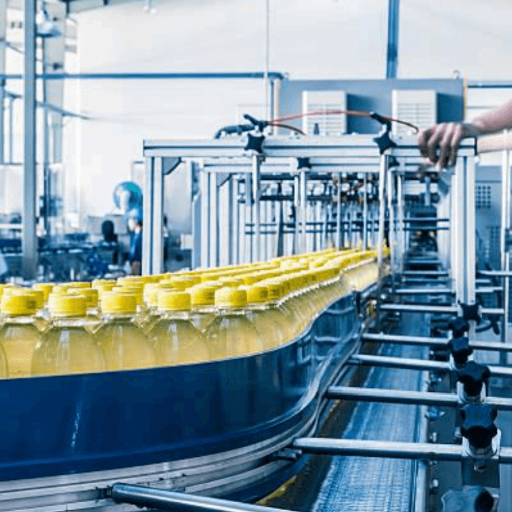
Steps to Establish a Manufacturing Plant
My primary task during the energy drink manufacturing plant establishment will involve conducting detailed market analysis. The process requires investigating customer choices while evaluating existing market players and examining current market developments in energy drink products which include customer demand for healthier beverages containing organic components. The initial step helps the business align its operations with existing market demands which results in advantages over competing businesses. The project requires me to find the best plant location which needs evaluation of raw material accessibility and distribution network and local legislative requirements.
The next step requires me to develop a detailed business plan. The document includes specifications about the plant’s design and production capabilities and staff needs and financial forecasts. The document helps obtain funding through both investor support and loan applications. The organization must acquire all required legal permits and food manufacturing licenses to achieve compliance with local food safety regulations and industry standards. The procedure requires health assessments and zoning authorization and FDA certification according to the specific site requirements.
The first task requires me to obtain equipment and technological resources which match current industry standards. The production process needs automated equipment and effective bottling operations and quality control instruments to achieve efficient production procedures. The organization will establish employee training programs which focus on safety procedures and operational accuracy and quality evaluation methods to achieve their performance objectives. The plant will integrate energy-saving technologies and waste disposal systems to establish environmentally sustainable operations which attract consumers who prioritize environmental responsibility.
Essential Machinery for Production Lines
Modern production lines require specialized machinery which provides operational efficiency and operational accuracy and operational capacity to handle increased production demands. The main equipment consists of automated conveyor systems which enable products to move between different production stages and high-speed filling machines which can quickly and precisely fill containers with liquids and other substances. Labeling machines enable businesses to deliver professional product labeling which maintains uniform quality across their product line and packaging equipment provides protection during shipping through its ability to seal products securely.
The advanced inspection systems which use sensors and cameras and artificial intelligence technology enable organizations to monitor product quality while detecting defects in real time. The production lines depend on programmable logic controllers (PLCs) which function as their central control system to connect and synchronize all operational equipment. The operational sustainability of the system improves through energy-efficient motors and modular equipment designs which enable organizations to respond to various production requirements.
Factors Affecting Manufacturing Plant Setup Cost
The total expenses required to establish a manufacturing plant need precise examination because multiple critical elements impact the establishment process. The most crucial aspect of the construction project is determining where to build the facility. Land acquisition expenses and the site’s distance from suppliers and markets and the presence of qualified workers and the area’s tax regulations and tax benefits create substantial effects on total project costs. The business scale determines the required facilities because bigger businesses need to spend more money on their state-of-the-art equipment and automated systems.
The manufacturing process and technology selection stands as the next fundamental consideration. Manufacturing setup expenses increase when special equipment needs to be purchased and industry standards must be followed and safety and environmental protection requirements have to be met. The budget total increases because infrastructure components like power systems and water sources and waste disposal facilities need to be built. The setup process needs to account for all unexpected expenses which include project delays and international equipment shipping costs and any changes to the initial project plan. The identification of these elements enables organizations to build accurate cost forecasts and success plans for upcoming years.
Production Process of Energy Drinks
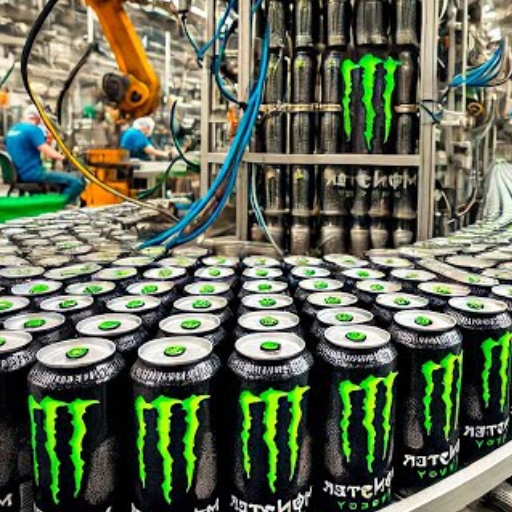
Detailed Process Flow in Beverage Manufacturing
The production process for energy drinks is described through research which includes current information and complete production details. The manufacturing process begins with the formulation stage, where food scientists and beverage experts carefully design the drink’s recipe. The formulation process requires essential component selection which includes caffeine taurine B vitamins and both sweeteners and flavoring agents. The company obtains the necessary materials after finalizing the formula which undergoes thorough quality testing to meet all applicable industry standards and regulations. Production process requires water to be treated with filtration systems until it reaches acceptable standards of cleanliness and safety which allows its use in manufacturing.
The next stage is batch mixing, where the ingredients are measured and blended according to the recipe specifications. Industrial-scale mixing tanks are utilized to ensure consistency across all batches. The mixture undergoes pasteurization or sterilization, depending on the product type, to eliminate any microbial contamination. The fizzy energy drink process starts with carbonation which requires controlled carbon dioxide infusion into the liquid. The beverage moves through the cooling process after which it reaches the filling station, where automated systems fill the drink into cans or bottles of varying sizes. The company seals each unit tightly to safeguard product freshness and preserve its original state.
The packaging stage starts after the filling process because completed units enter this stage which includes labeling and coding before boxing products for distribution. The company executes quality control procedures at various locations during production to verify that the finished product meets all required brand and regulatory requirements. The packaged drinks are stored in the warehouse until they are ready to be shipped out to retail locations or distribution centers. The entire production process creates efficient systems which deliver products that meet consumer needs and regulatory requirements while maintaining optimal standards of hygiene and safety.
Quality Control Measures in Production
Current production quality control methods use advanced technological systems together with modern operational techniques to achieve accurate product results while maintaining product uniformity and meeting established standards. The implementation of automation tools together with real-time monitoring systems enables manufacturers to identify production errors or product quality problems at different production phases. Digital sensors together with AI-driven analytics systems help maintain stable product quality through their ability to monitor temperature and pressure and ingredient ratio variations. The new technology solutions improve operational efficiency while they decrease the chances of mistakes which people typically make. The combination of regular audits and sample testing together with strict safety protocols establishes product quality standards which meet both industry regulations and consumer expectations. The complete system of quality control at this facility functions as an essential element which enables the facility to achieve its production standards through modern production methods.
Carbonation Techniques for Energy Drinks
Energy drink carbonation techniques serve as essential components which determine the beverages’ flavor profile and mouthfeel and overall product attractiveness. The process typically involves infusing beverages with carbon dioxide under controlled pressure to achieve the desired level of effervescence. Modern carbonation methods demonstrate their effectiveness through the use of advanced equipment which includes inline carbonation systems that enable exact CO2 level management while maintaining production quality. The team maintains constant surveillance on two essential elements, temperature and pressure, because these elements determine how much carbon dioxide will dissolve and how the final carbonation profile of the beverage will develop. The production process at some facilities uses microbubble technology which generates smaller bubbles to provide customers with a more refined drinking experience. The carbonation level needs to reach a specific level which matches the drink’s acidity because this combination affects both the taste and customer satisfaction. The company uses these advanced methods to preserve the energizing properties of its energy drinks because they help meet the demands of modern consumers who have developed higher standards.
Market Trends in the Energy Drink Industry
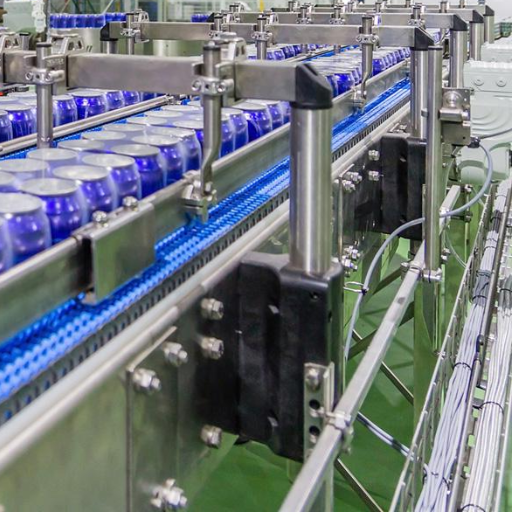
Current Trends Affecting Beverage Brands
Health-conscious consumer behavior is dramatically reshaping the energy drink market. People increasingly demand beverages which contain natural ingredients and have decreased sugar content and provide functional benefits through their additional vitamins and adaptogens. Brands respond to consumer demand by creating clean-label products which support wellness-based lifestyles. Companies now treat sustainability initiatives as essential business objectives because they implement eco-friendly packaging solutions and operate carbon-neutral production facilities. The market shows another important development through the emergence of niche products which serve particular consumer groups like plant-based energy drinks and fitness-related products. The industry demonstrates its dedication to innovation through these changes which help them meet new consumer needs while maintaining their market position against competitors.
Consumer Preferences and Market Demand
Businesses need to comprehend consumer preferences and market demand because it helps them create products which meet present-day customer demands. Customers now give more importance to personalized experiences because they prefer brands which match their individual preferences and their personal lifestyles. People today show increasing interest in products that are environmentally friendly and produced with ethical standards because this behavior has become a cultural norm which values environmental protection and social responsibility. Data shows that people now prefer products which require no effort to use because ready-to-eat items and simple-to-get products have become essential in multiple industries. Businesses need to adapt their operations because consumer preferences have changed and now require them to compete in an ever-changing market environment.
Financial Aspects of Energy Drink Manufacturing
Cost Analysis for Manufacturing Plant Projects
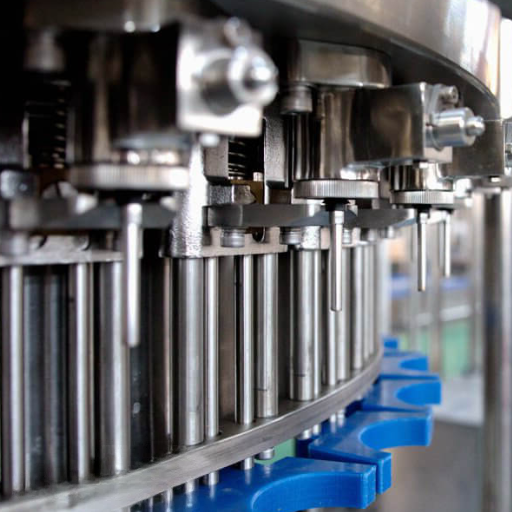
The energy drink manufacturing plant requires total cost assessment which assists in establishing proper financial management and resource distribution. The financial assessment of the project needs to consider primary expenses which include land purchasing costs, building expenses, and equipment purchasing costs. The total expenditures include operational expenses which encompass the costs of raw materials and workforce and utilities and equipment repairs. The financial structure needs to include both regulatory compliance expenses and marketing budget requirements.
The combination of current industry developments and market research and professional knowledge allows for precise cost assessment delivery. This method provides current data through direct access to specific information while avoiding dependency on broad internet research results. The precise data enables stakeholders to make knowledgeable choices about their investments while discovering methods to decrease expenses without compromising quality and operational efficiency.
Revenue Generation Strategies in Beverage Production
The beverage industry needs a complete system that combines three essential elements to achieve maximum revenue results through its production operations. The present consumer trends and advanced production methods enable businesses to create products that meet market needs while maintaining a competitive edge. The organization uses industry reports and authoritative data sources to identify high-growth segments which they use to create specific marketing campaigns that help them allocate resources efficiently. The focus on sustainability through waste reduction and supply chain efficiency improvements has two benefits because it attracts eco-friendly customers while generating cost savings that increase profitability. The beverage producers use this complete data-based method to develop revenue streams which enable them to achieve their business goals of permanent success.
Energy Drink Market Investment Opportunities
The energy drink sector shows substantial growth because more people want drinks that offer both convenience and functional benefits. The first investment opportunity targets health-conscious consumers who want energy drinks made from natural components with lower sugar levels and additional vitamins and minerals. The fitness movement has established a demand for sports drinks that help athletes and active people perform better which extends market reach.
The rising demand for online shopping platforms creates a profitable investment opportunity. E-commerce enables companies to access international markets while expanding their business operations through international market entry which requires little effort. Businesses can use the recyclable and biodegradable packaging solutions of their products to create environmentally friendly products which match current industry trends to attract eco-conscious buyers. Through partnerships with fitness centers and sports teams and social media influencers investors can enhance their brand visibility while building trust with their target audience. The energy drink market offers a valuable investment opportunity because functional energy drink products continue to grow in popularity and investors use these strategies to build their businesses.
Reference Sources
Frequently Asked Questions (FAQs)
What are the core unit operations involved in the energy drink production plant?
The energy drink manufacturing plant implements five primary unit operations, which include water treatment and mixing and carbonation and filling and packaging. The process includes water treatment to ensure the water drinks base meets safety standards and extract blending for herbal extracts, ginseng, taurine, and B vitamins. The facility uses powdered blends through its powder manufacturing plant steps while its liquid lines add CO₂ to produce carbonated energy drinks and soft drinks. The choice of filling machine depends on the packaging method, which includes either can or bottles, while some product formulations require pasteurization to achieve shelf life extension. The production plant layout requires operational coordination between different systems to achieve both optimal material movement and adherence to regulatory standards.
What methods should I use to improve the efficiency of material acquisition and cost management throughout an energy drink manufacturing facility development project?
The process of optimizing raw material sourcing begins with the requirement to identify all necessary ingredients which include sugar and sweetener alternatives and natural ingredients and herbal extracts and adaptogen supplies that will fulfill existing consumer preferences and health-focused market demands. The total costs include expenses for raw materials and utilities and labor and filling machines and packaging materials which consist of both cans and bottles and all expenses related to the construction of the factory and its renewable energy systems. The project report for the manufacturing plant combined with cost modeling for 2025 will enable accurate prediction of costs and revenues while assisting with market entry strategies. The company maintains taurineB vitamin and ginseng levels through collaboration with dependable suppliers which also enables them to meet regulatory requirements. The process of supplier consolidation combined with longterm contract negotiations will decrease market fluctuations while enhancing profit margins.
How does carbonation affect equipment choice and process design for carbonated drinks and carbonated energy variants?
The process of carbonation needs dedicated equipment which serves two purposes because it both dissolves CO₂ into the drink and maintains headspace pressure during production, which then determines the design requirements for tanks and transfer piping systems. The filling machines need to work with carbonated beverages because any mismatch will result in product loss through foaming and the packaging system must be designed to handle pressure-rated containers which include both cans and bottles. The process needs precise temperature management together with controlled gas concentration to achieve proper carbonated energy profiles while protecting the other functional components of the beverage. The facility design requires separate areas for carbonation storage and filling operations because this arrangement will enhance operational efficiency while reducing CO₂ emissions. The business needs to spend money on dependable carbonation systems and suitable filling equipment because these elements amount to the main expenses required to ensure product excellence.
How can manufacturers create distinct products which satisfy the requirements of health-conscious consumers and current functional beverage market trends?
Manufacturers can develop new product formulas which decrease sugar content while they incorporate alternative sweeteners and functional elements which include adaptogen extracts and ginseng and B vitamin and herbal extracts that enhance mental capacity and energy. The company positions itself as a functional beverage which provides low-sugar products to meet consumer demand for healthier drinking options that create new business opportunities which extend beyond traditional energy drink markets. Transparent labeling about ingredients and sourcing builds trust, while pasteurization or other preservation strategies maintain safety without excess additives. The marketing strategies require demonstration of advantages through presentation of natural components and certified products which health-conscious consumers will find appealing. The process of product development requires multiple testing phases which involve both filling machines and various packaging systems used for cans or bottles.
What operational and sustainability considerations are important when setting up an energy drink manufacturing facility?
The operational needs of the business require selecting a suitable filling machine and creating a plant layout that enables smooth movement between water treatment and mixing and carbonation and filling and packaging processes and hiring personnel who possess the necessary expertise to handle unit operations. The use of sustainability initiatives through renewable energy implementation and water treatment water recycling and raw material sourcing waste reduction initiatives results in decreased operational expenses that attract environmentally conscious customers. The manufacturing facility should include energy-efficient equipment costs and circular manufacturing practices savings when determining its financial projections. The energy drink manufacturing plant needs to integrate regulatory requirements and environmental permits into its planning process to prevent operational stoppages. The factory setup needs to match market entry time while the manufacturing plant project report needs to be complete to obtain project financing and control project risks.

DU
Articles: 45
Trending now